%20(1).png?width=3690&height=2079&name=Jetset%20Seeker%20Logo%20(Banner)%20(1).png)

23 min read.
Budapest is a city that leaves a lasting impression. If you stand along the banks of the Danube at sunset, you will easily see why. The Hungarian Parliament Building glows gold, trams rattle across the riverbank, and Buda Castle rises over the rooftops. Add in the city's historic thermal baths, its grand architecture, and a history that spans empires, Budapest is packed with unforgettable experiences.
Whether it is your first visit to Budapest or you are returning to explore more of the city, this guide is designed to compliment our Budapest Travel Guide and highlights the best tourist attractions in Budapest to help you plan your trip with ease. These are the landmarks that provide you with a better understanding of this beautiful city, including the city's best viewpoints, the architectural masterpieces that you have likely seen in photos, and the meaningful places that reveal Budapest's complex past.
Without further ado, I rounded up the 12 best tourist attractions in Budapest, including iconic landmarks, architectural masterpieces, and cultural highlights that you truly should not miss! From the grandeur of Buda Castle to the haunting Shoes on the Danube Memorial, these top things to do in Budapest belong on every itinerary and together, offer the perfect introduction to one of Europe's best cities.
Table of Contents:
- The 12 Best Tourist Attractions in Budapest
- How to Plan Your Visit to Budapest's Best Tourist Attractions & Frequently Asked Questions (FAQs)
- Map of the Best Tourist Attractions in Budapest
- Wrapping Up: Your Guide to the Best Tourist Attractions in Budapest
Disclaimer: This blog post contains affiliate links. That means we may earn a small commission or receive compensation if you click on a link and make a purchase or take action - at no additional cost to you. These partnerships help support the content we create and maintain this website.

The 12 Best Tourist Attractions in Budapest
If you are visiting Budapest for the first time, it can be difficult to know where to begin. To make your trip planning easier, I curated a list of the 12 best tourist attractions in Budapest, focusing on the top sights that offer the strongest mix of history, beautiful architecture, authentic culture, and memorable experiences.
Whether you are interested in iconic landmarks like the Hungarian Parliament Building and Fisherman’s Bastion or you are searching for meaningful things to do in Budapest that truly showcase the city’s character, these must-see Budapest attractions belong on every itinerary. Consider this your starting point for exploring the very best of Budapest.
1. Buda Castle
Perched atop Castle Hill, Buda Castle and the surrounding Castle District form one of Budapest’s most historic and atmospheric neighborhoods. Once the royal residence of Hungarian kings, the sprawling palace complex is now home to the Hungarian National Gallery and the Budapest History Museum. However, many visitors come simply for the beautiful courtyards and panoramic views of the city.
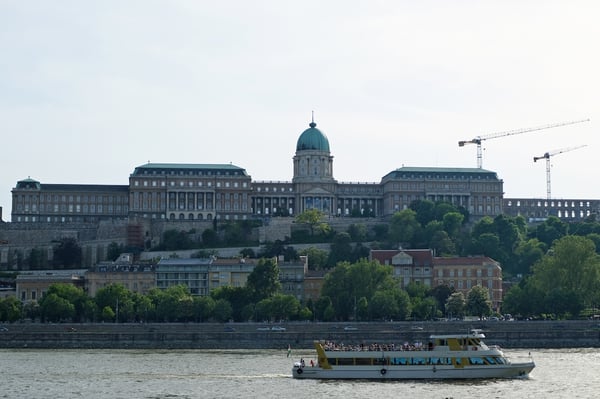
If you plan to visit Buda Castle, give yourself time to wander the open courtyards, explore the terraces, and enjoy the grand architecture up close. The area has been rebuilt many times since the 13th century, and its layered history is part of what makes it so fascinating today.
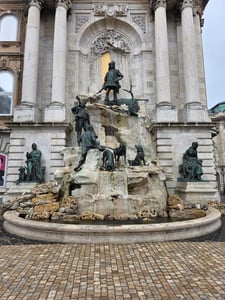
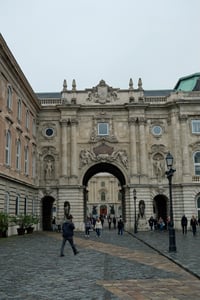
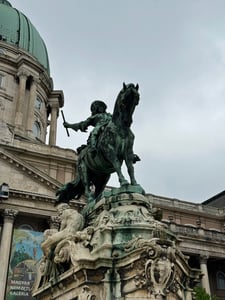
Beyond the palace itself, the Castle District is worth a walk for its picturesque cobblestone streets and Baroque buildings. Whether you arrive by the scenic Castle Hill Funicular or walk up from the riverfront, exploring Buda Castle is one of the most rewarding things to do in Budapest.
For more details, be sure to check out our full guide: Visit Buda Castle: A Guide to Budapest’s Royal Palace.
2. Fisherman's Bastion
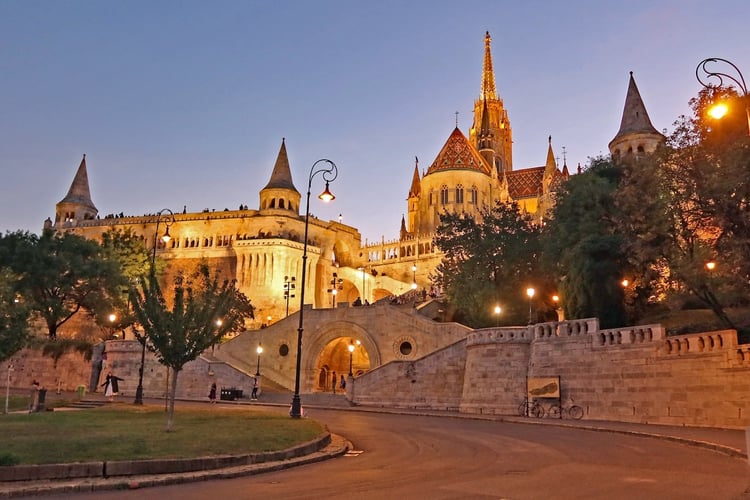
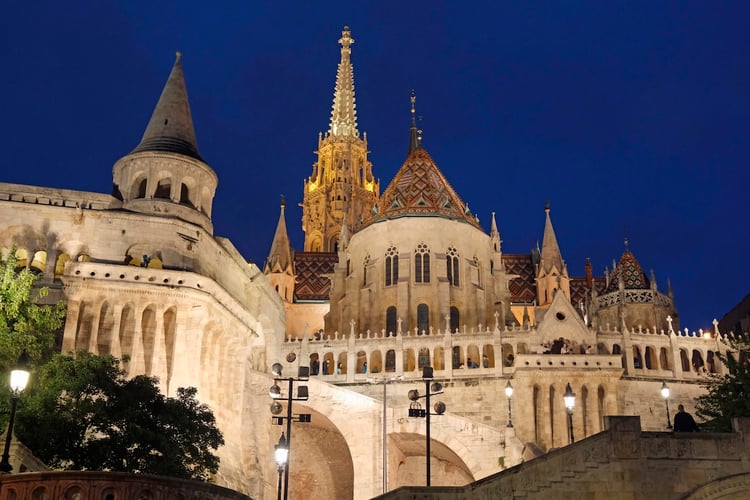
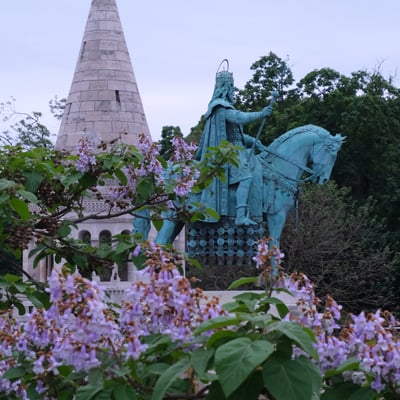
As one of the best tourist attractions in Budapest, Fisherman’s Bastion offers views you simply will not find anywhere else. Located on Castle Hill like Buda Castle, Fisherman's Bastion is easily one of the most beautiful and photographed places in Budapest. Its fairy-tale-like-towers, sweeping terraces, and elegant Neo-Romanesque architecture offer some of the best panoramic views of the Danube, the Pest skyline, and the Hungarian Parliament Building - especially come sunset. If you are searching for the best viewpoint in Budapest, you cannot miss Fisherman's Bastion!
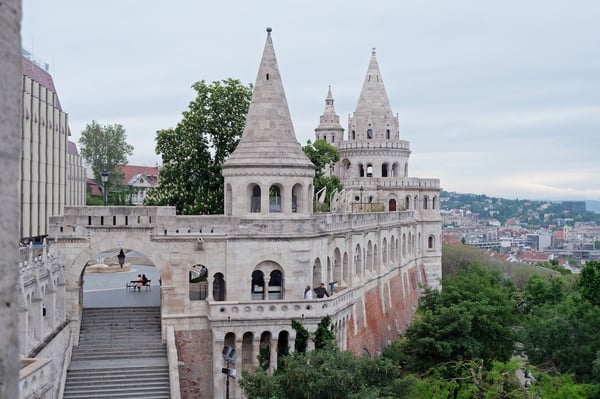
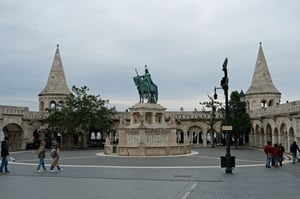
Built in the late 19th century, the structure's seven turrets represent the seven Magyar tribes that founded Hungary. The lower terraces are free to visit year-round, but the small fee to visit the upper towers can be worthwhile if you are looking for a postcard-perfect perspective of the city without as many people.

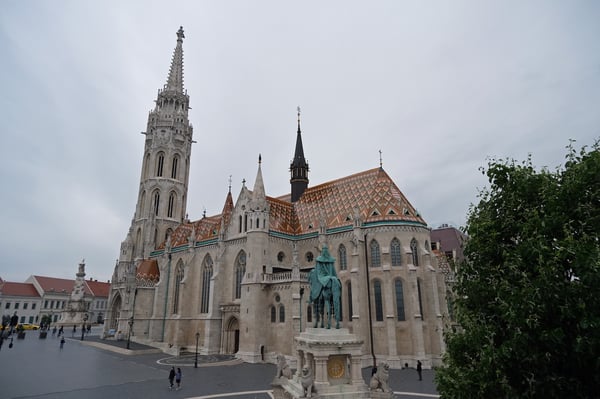
Right next door, Matthias Church adds even more to the experience with its colorful tile roof and intricate Gothic details, making this hilltop corner of Budapest one of the most atmospheric spots in the city.
3. Chain Bridge
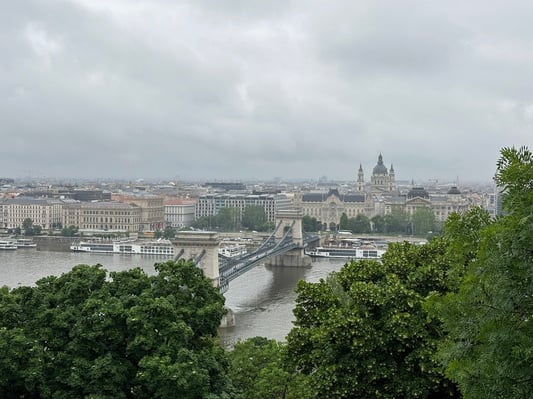
Stretching across the Danube and connecting Buda and Pest, the Chain Bridge is one of Budapest's most iconic landmarks and a symbol of the city's unification. Completed in the mid-19th century, it was the first permanent bridge to connect the two sides of the river. The bridge is open to both car and pedestrian traffic.
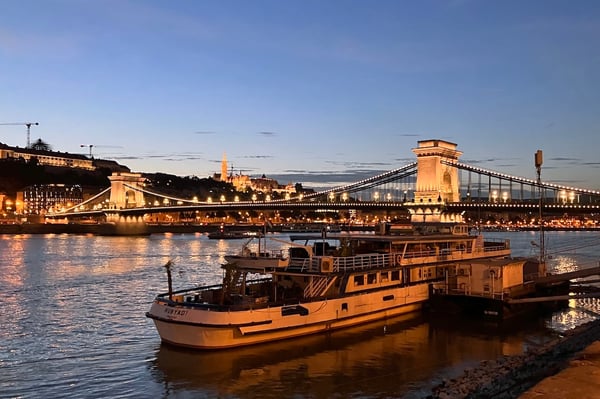
From the bridge, you will get incredible views in both directions: Buda Castle rising above the hills and the Hungarian Parliament Building towering over the riverfront. It is beautiful at any time of day, but it is especially magical after dark, when the lights shimmer on the Danube and the whole city seems to glow.
Whether you walk across the bridge to reach the Castle District, or only walk midway for photos, the Chain Bridge is an essential stop for anyone looking to appreciate just how pretty the city is from the river.
4. Hungarian Parliament Building
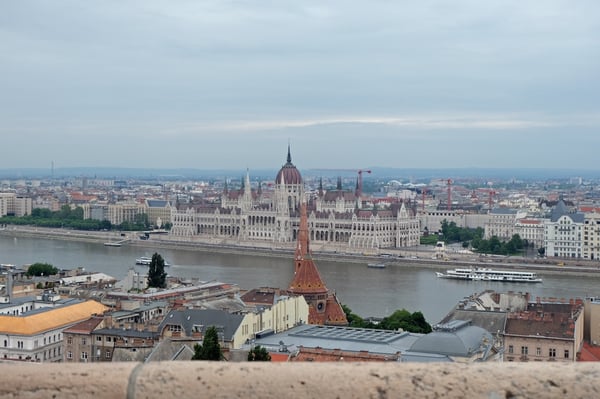
The Hungarian Parliament Building is the crown jewel of the Budapest skyline and one of the most spectacular examples of Neo-Gothic architecture in Europe. Sitting on the banks of the Danube River with its grand dome and delicate spires, it is a landmark you will likely recognize before you even arrive, and one that is even more impressive to see in person.
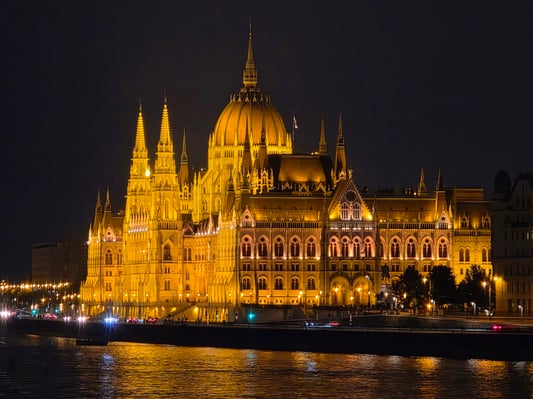
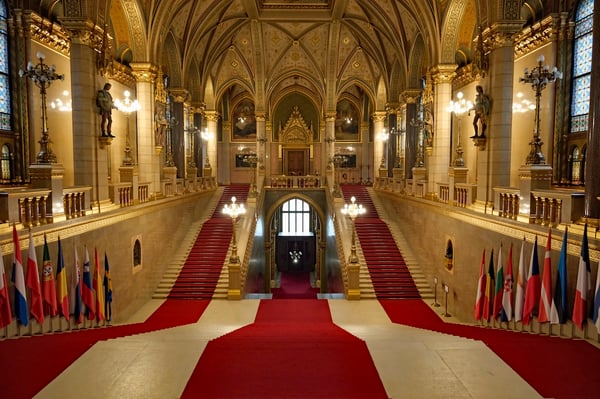
While the exterior alone is worth a visit, the real highlight is going inside the Hungarian Parliament building on a guided tour. The interior is just as ornate as the exterior with gilded halls, sweeping staircases, and one of Hungary’s most important national treasures: the Crown of St. Stephen. The Crown of St. Stephen dates to the 11th century and is the centerpiece of the Hungarian crown jewels.
Even if you do not tour the interior, plan to admire the Parliament Building from across the river from either Fisherman's Bastion or Batthyány Square, where you will get some of the best panoramic views in Budapest, especially at night when the entire façade glows gold.
If you would like more details on booking a tour and what to expect, you can read our full guide: Inside the Hungarian Parliament Building: Tour Tips & Highlights.
5. St Stephen's Basilica Budapest
Outside of the landmarks doting the riverfront, St Stephen's Basilica Budapest is one of the most recognizable landmarks in the city. St Stephen's Basilica Budapest is a masterpiece of Neoclassical architecture and an essential stop for first-time visitors. The basilica is named after Hungary’s first king, St. Stephen, and its grand interior is filled with marble columns, gilded details, and soaring arches that make it one of the most impressive churches in Central Europe.
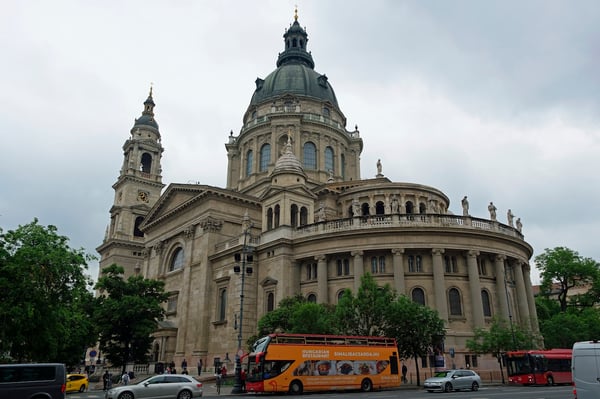
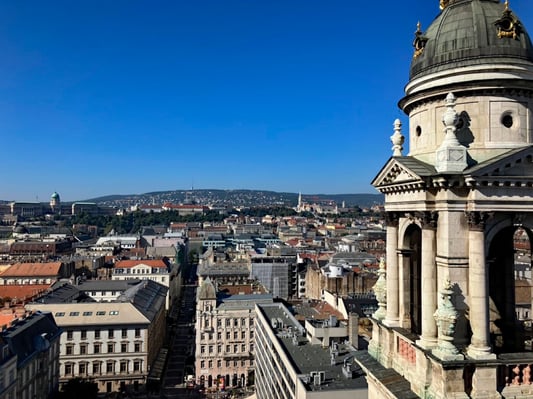
Most visitors come to admire the beautifully decorated nave, but the real treat is the panoramic viewing terrace at the top of the basilica’s dome. The terrace offers one of the best 360-degree views on the Pest side of the city.
Inside the basilica, you will also find one of Hungary’s most important religious relics: the mummified right hand of St. Stephen. Whether you are visiting for the architecture, the religious significance, or the views, the basilica is a must-see.

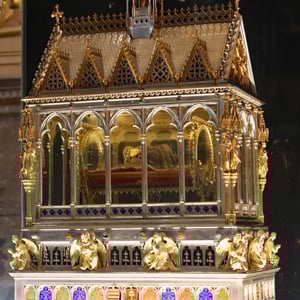
For more insight into its history, relics, and the observation deck, check out our in-depth guide: St Stephen’s Basilica Budapest: From Sacred Relics to Stunning Views.
6. Budapest Sunset Sightseeing/Dinner Cruise
A Budapest sunset cruise is one of the most atmospheric ways to experience the city, and honestly, it is one of our favorite things to do here! Brian and I have now visited Budapest twice, and both times we made a point to take a sightseeing cruise at sunset. Watching the city shift from daylight into a riverfront of glowing lights never gets old.
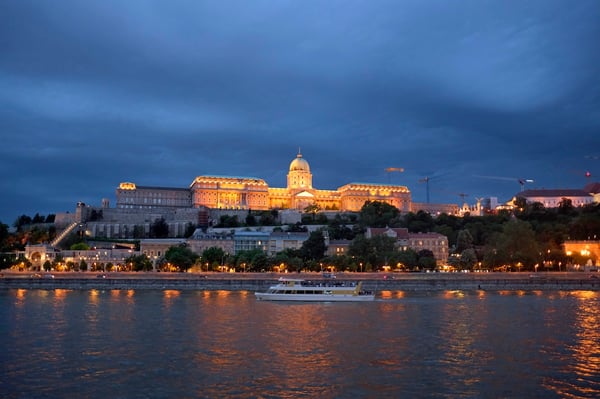
As the boat drifts along the Danube, Budapest’s most iconic landmarks begin to illuminate, including: the Hungarian Parliament Building, Buda Castle, Fisherman’s Bastion, the Chain Bridge, the Citadella, Hotel Gellért, and more. Seeing the city from the water at this hour offers an entirely different perspective. It is calm, cinematic, and a moment you will remember long after the trip ends.
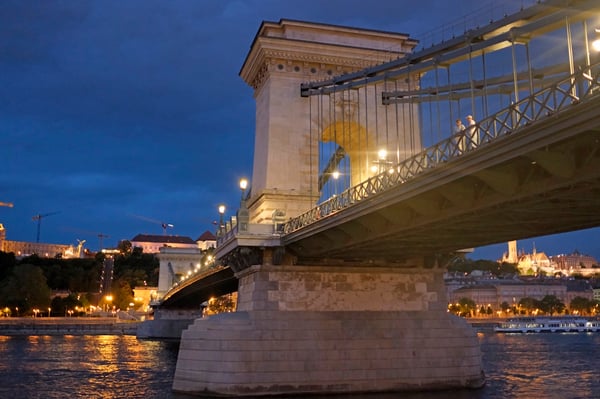
A Budapest sunset cruise is also one of the most relaxing ways to unwind after a long day of sightseeing. Whether you choose a simple sightseeing cruise, a champagne sailing, or a full dinner cruise experience, a Budapest sunset cruise is a peaceful and memorable addition to any itinerary.
If you want to compare sunset and evening cruise options, you can browse our trusted partner offerings on GetYourGuide.
7. Széchenyi Thermal Bath
No visit to Budapest is complete without experiencing its world-famous spa culture, and Széchenyi Thermal Bath is the most popular among tourists of the thermal baths in Budapest. Located in City Park, this sprawling Neo-Baroque complex is home to a series of outdoor and indoor pools fed by natural hot springs, making it the perfect place to unwind.
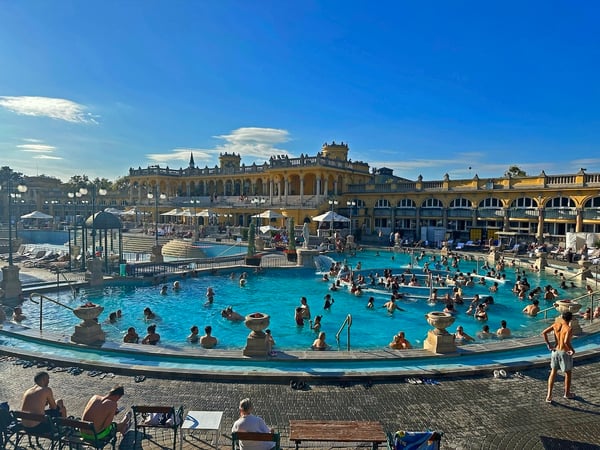
You can soak in the thermal pools, relax in the saunas, enjoy a massage or facial, or even try the beer spa. Or, if you prefer, just settle along the edge and take in the scene. However you spend your time, the experience blends wellness, history, and local culture in a way that feels unmistakably Budapest.
If you are curious about how Széchenyi compares to other thermal baths in Budapest, or want tips for choosing the right bath for your trip, you can explore our full guide: Thermal Baths in Budapest: A Guide to the City’s Famous Spas.
8. Heroes' Square
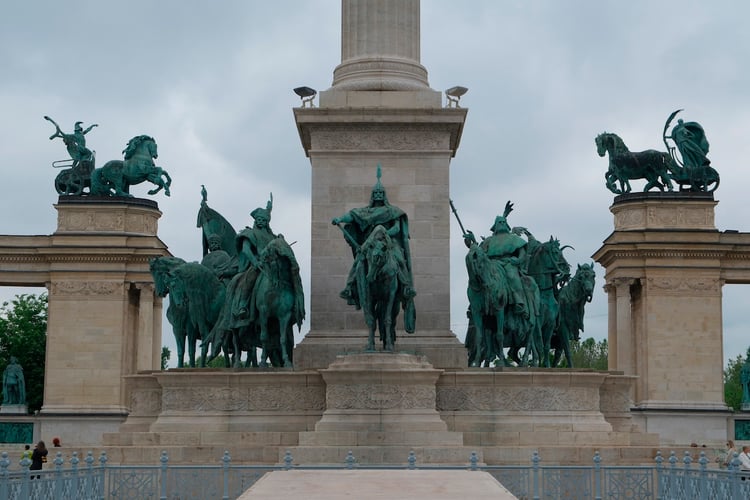
As one of the most important public spaces in the city, Heroes’ Square offers a look at Hungary’s national history. At the square's center stands the Millennium Monument, a soaring column topped with a statue of the Archangel Gabriel. (The statue of Archangel Gabriel was briefly removed in 2025, including when we visited, for preservation work.) Surrounding the column's base are statues of the seven Magyar chieftains who led their tribes into the Carpathian Basin, a defining moment often recognized as the birth of the Hungarian state.

Behind the Millennium Monument is two colonnades that display statues of kings, governors, and statesmen who played crucial roles in the country's development over the centuries. Included among the statues are St. Stephen, Hungary's first king, and Lajos Kossuth, a key figure in the 1848 revolution. While these are just two examples of the leaders honored in Heroes' Square, each statue represents a different chapter in the nation’s story. Taken together, the monument and colonnades offer visitors a visual timeline of Hungary’s evolution and the leaders who helped define it.
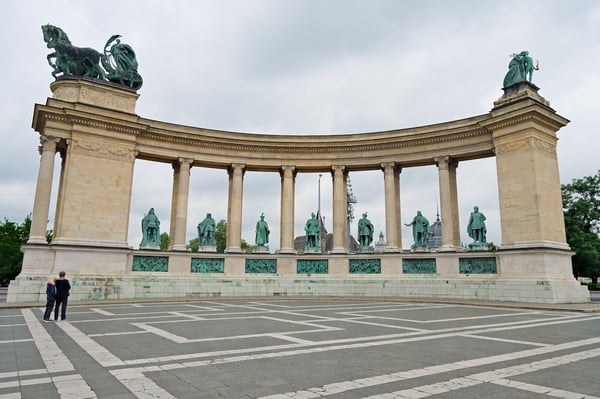
It is grand, symbolic, and one of the best tourist attractions in Budapest for understanding the country’s past. The location of Heroes' Square also makes it easy to combine it with other highlights in City Park. Széchenyi Thermal Bath, Budapest’s most famous spa, is just a short walk away, as are the Museum of Fine Arts and Vajdahunyad Castle. If you are planning a relaxed sightseeing day, this area offers several attractions within a compact and scenic setting.
9. Dohány Street Synagogue
The Dohány Street Synagogue, also known as the Great Synagogue of Budapest, is one of the most powerful places to visit in the city, both architecturally and historically. As the largest synagogue in Europe, it stands as a striking example of Moorish Revival architecture, with its colorful brickwork, onion-domed towers, and richly decorated interior featuring stained glass, ornate carvings, and gilded details. Even from the outside, it is easy to see why this is one of the best tourist attractions in Budapest for travelers interested in Hungarian Jewish culture and history.
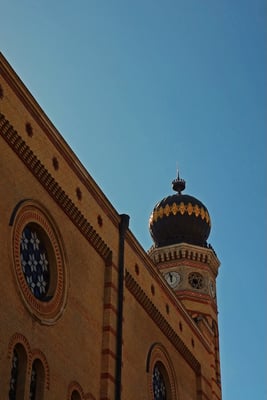
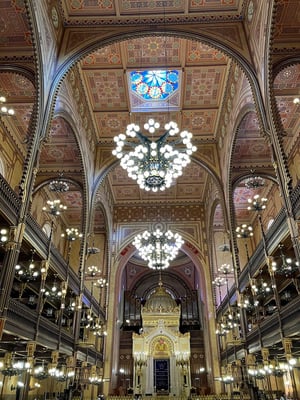
However, the beauty of the synagogue is inseparable from its painful past. Located at the edge of the former Jewish Ghetto, the Dohány Street Synagogue is a place marked by immense loss during the Holocaust. During the Holocaust, more than half of Hungary’s Jewish population was deported and murdered. Within Budapest itself, over two thousand residents of the Jewish Ghetto died during the winter of 1944–1945; the majority of whom are buried in a mass grave in the Dohány Street Synagogue's courtyard.
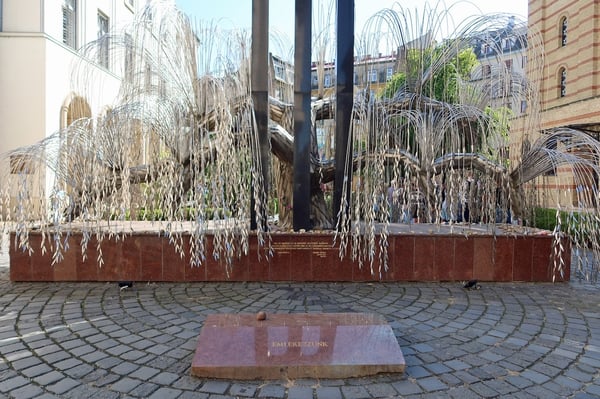
The complex includes the Raoul Wallenberg Memorial Park and the moving Tree of Life, a memorial sculpture shaped like a weeping willow tree with the names of Holocaust victims inscribed on its metal leaves. Together, these spaces offer a quiet, reflective reminder of the vibrant Jewish community that once thrived here and the tragedies it endured.
A Quick Note About Visiting Difficult Places
Visiting the Dohány Street Synagogue can be a sad experience, but it is also an important one. In many ways, visiting places like the Dohány Street Synagogue are central to why we travel. At Jetset Seeker, we believe that travel is about more than just seeing beautiful places and iconic landmarks. It is about understanding a destination’s history, learning from different cultures and religions, and engaging with stories that are not always easy to hear.
Places like this remind us of the importance of remembrance. By visiting sites tied to atrocities like the Holocaust, we acknowledge the people who suffered and ensure their stories are never forgotten. We learn about these tragedies so that they are never repeated, and we walk away with a deeper sense of empathy, awareness, and shared humanity. Travel has the power to expand our understanding of the world, and places like the Dohány Street Synagogue are part of why that matters. ❤️
The Dohány Street Synagogue is an emotional stop, but one that adds depth and meaning to any visit to Budapest.
10. Great Market Hall
A visit to Great Market Hall is the perfect introduction to traditional Hungarian cuisine. Housed in a beautiful 19th-century building with colorful Zsolnay roof tiles and soaring ironwork, the market is a lively mix of produce vendors, butchers, spice stands, street food vendors, and souvenir shops.
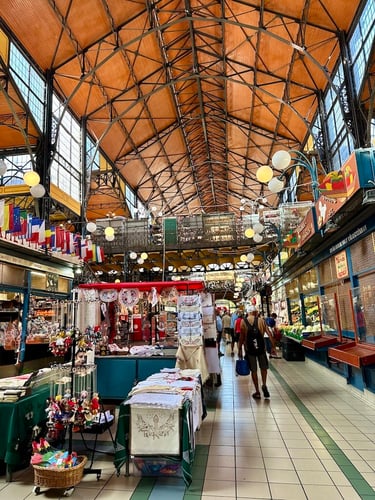
Wandering through the stalls gives you a sense of the ingredients and dishes that define Hungarian cooking, making it a great first stop before diving deeper into the city’s food scene. Whether you are grabbing a quick snack, shopping for edible souvenirs, or simply soaking up the atmosphere, Great Market Hall offers a vibrant window into Budapest’s culinary heritage and remains one of the best tourist attractions in Budapest for foodies.
If you are looking for restaurant recommendations after your market visit, I rounded up some of our favorites, from casual spots to fine dining, in our guide: Top Budapest Restaurants for Every Budget: Fine Dining to Street Food.
11. Hungarian State Opera House
The Hungarian State Opera House is one of Budapest’s most elegant landmarks on Andrássy Avenue. The building dates to the 19th-century and is a masterpiece of Neo-Renaissance design, complete with marble columns, gilded details, grand staircases, and chandeliers that make the interior feel every bit as regal as the performances it hosts.
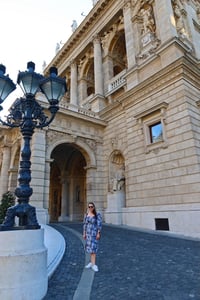
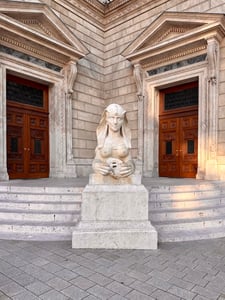
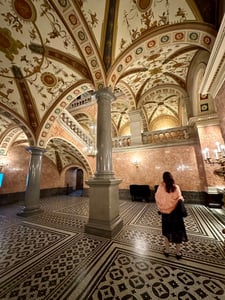
Even if you are not attending an opera or ballet, the guided tours are absolutely worth the visit. They offer a closer look at the auditorium’s ornate details, the beautifully decorated foyers, and the stories behind the opera house’s construction and cultural significance. It is a fascinating glimpse into Budapest’s artistic legacy.
If you do have time for a show, the acoustics and atmosphere are top-notch. (Tickets are also more reasonably priced than the Vienna State Opera in the event that you were considering a performance at the famous opera house in nearby Vienna.) However, if you are short on time or traveling on a budget, you can enter the foyer, free of charge, for a sneak peak at the impressive opera house.
12. Shoes on the Danube Bank Memorial
The Shoes on the Danube Bank memorial is one of the most moving places to visit in Budapest. It is a quiet, powerful tribute to the thousands of Hungarian Jews who were executed along the river during World War II. The installation features 60 pairs of cast-iron shoes scattered along the riverbank, representing the men, women, and children who were forced to remove their shoes before being shot into the Danube by members of the Arrow Cross Party (a far‑right Hungarian party that controlled Nazi‑occupied Hungary between 1944 and 1945).
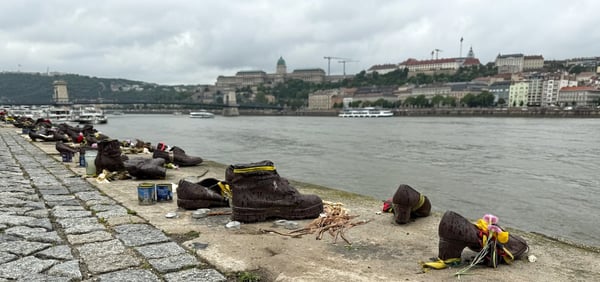
Simple but heartbreaking, the memorial captures the weight of history in a way that words often cannot. Standing here, with Parliament behind you and the city carrying on around you, is a sobering reminder of the lives lost and the atrocities committed during the Holocaust.
Most travelers visit Budapest for its grand architecture and thermal baths, but places like this offer essential context; grounding the beauty of the city in the sad history that shaped it. The memorial is a brief stop, but it leaves a lasting impression.
How to Plan Your Visit to Budapest's Best Tourist Attractions & Frequently Asked Questions (FAQs)
Planning your trip to Budapest is easy when you know what to expect, from how many days you need to the best times to visit the city. Whether you are mapping out your itinerary, deciding how to get around, or figuring out which attractions to prioritize, the tips and FAQs below will help you make the most of your time in the Hungarian capital. Consider this your practical guide to experiencing the best tourist attractions in Budapest with confidence and ease.
How many days do you need in Budapest?
You can see many of the best tourist attractions in Budapest in 3 days, especially if you focus on the city center and the Castle District. Three full days allows for a relatively relaxed pace, time at a thermal bath, and a sunset cruise. If you want to dive deeper into museums, food experiences, or day trips, consider 4 to 5 days for a more complete introduction to the city.
If you are visiting Budapest on a river cruise or planning a quick day trip from Vienna, it is still possible to experience the highlights in one day in Budapest. You will not see everything, but with a well-planned route, you can cover several of the best tourist attractions in Budapest and get a meaningful first look at the city. (For more details, you can explore our full guide to One Day in Budapest: What to See, Eat, & Experience.)
Best Time to Visit Budapest
Budapest is a great destination to visit year-round, but your experience can vary depending on the season. Here is a brief breakdown as to what you can expect.
-
Spring (April–June): Mild weather that is ideal for sightseeing. However, the rainiest months in Budapest are May and June.
-
Autumn (September–October): Smaller crowds, lower hotel room rates compared to the summer, and comfortable temperatures for sightseeing. Early October is my favorite time to visit Budapest!
-
Summer (July–August): Warm and lively, but expect large crowds at the top tourist attractions in Budapest. If you visit during the summer months, be sure to book your accommodations and make your plans in advance, as this is the peak travel season.
-
Winter (November–February): The city is magical during the Christmas Market season (mid-November through December), especially around Vörösmarty Square and St Stephen’s Basilica Budapest. Snow is possible during the winter months. Outside of the Christmas season, winter is the low season for tourism in Budapest.
Each season brings its own charm, but autumn offers the most comfortable conditions for exploring the city’s top sights.
Getting Around Budapest
Budapest is incredibly walkable, especially around the city center where many major sights are located close together. For longer distances, the city’s metro, tram, and bus network is efficient and easy to navigate.
A few helpful transportation tips:
-
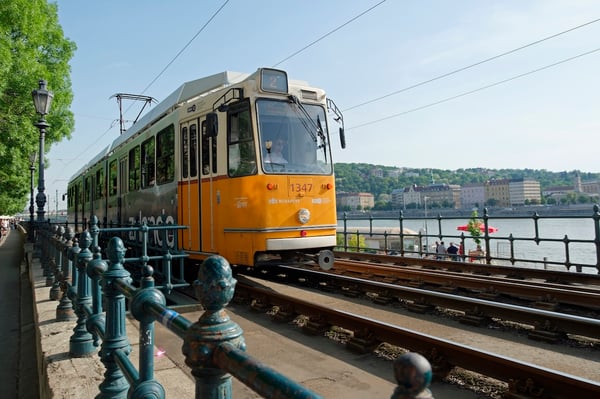
Trams: Trams (especially lines 2, 4, and 6) offer scenic routes along the Danube and through major neighborhoods.
-
Metro: Line 1 is one of the oldest metro lines in Europe and connects many tourist highlights, including St Stephen's Basilica, the Hungarian State Opera House, and Széchenyi Thermal Bath.
-
Taxis: Bolt and Főtaxi are reliable options for taxis in the city. Bolt can be booked using the Uber app in Budapest. Just be sure to avoid "freelance" taxis!
Tours Worth Booking
Adding a guided tour to your itinerary can help you understand Budapest on a deeper level. Here are a couple of tours I genuinely enjoyed and recommend considering:
-
Buda Castle Tour: A great way to learn the history of the Castle District, explore hidden corners, and get context you might miss on a self-guided visit. To learn more and book the tour, check out our affiliate partner, GetYourGuide.
-
Budapest Food Walking Tour: A fun introduction to Hungarian cuisine through tastings, street food snacks, and local favorites. It is one of the easiest ways to enjoy the city's food scene. To learn more and book the tour, check out our affiliate partner, GetYourGuide.
These experiences pair well with the best tourist attractions in Budapest and offer a richer, more well-rounded perspective on the city.
What is the number one tourist attraction in Budapest?
The Hungarian Parliament Building is often considered the city’s top tourist attraction, thanks to its architectural beauty and location along the Danube.
What should I not miss on my first visit?
Fisherman’s Bastion, Széchenyi Thermal Bath, St Stephen’s Basilica Budapest, the Dohány Street Synagogue, and a sunset river cruise all belong on the itinerary of any first-time visitor. Together, they offer a perfect introduction to the city.
Is Budapest walkable?
Yes! Many of the best tourist attractions in Budapest are within walking distance of one another, especially if you are staying in Pest near the riverfront. The city is compact, well-connected, and easy to navigate on foot.
What are the best free attractions in Budapest?
The lower terraces of Fisherman’s Bastion, Chain Bridge, Heroes’ Square, Shoes on the Danube Memorial, Great Market Hall, the courtyards of Buda Castle, the foyer of the Hungarian State Opera House, and the riverfront promenade are all free to visit.
Map of the Best Tourist Attractions in Budapest
To make planning your trip to Budapest even easier, I created a Google Map that highlights each of the attractions in this guide, along with some other important landmarks in the city. Use it to plan walking routes, visualize distances, or pair nearby sights together for an effortless day of sightseeing.
Wrapping Up: Your Guide to the Best Tourist Attractions in Budapest
Exploring the best tourist attractions in Budapest is one of the easiest ways to gain a well-rounded introduction to the city. From beautiful hilltop viewpoints and grand historic places of worship to thermal baths and riverside landmarks, each stop helps you better understand the people, history, and culture that makes Budapest unique. Whether you are visiting for a quick day trip or staying long enough to get a real feel for the city, these attractions offer a thoughtful and memorable first look at Hungary’s capital city.
Your Next Steps for Exploring Budapest
To help you plan the rest of your trip, be sure to check out our comprehensive Budapest Travel Guide, which covers the city's neighborhoods, hotel suggestions, transportation information, where to eat, and what to expect throughout the year.
You may also find our Essential Budapest Travel Tips especially helpful before your first trip. Our guide is full of practical advice based on first-hand experience, from navigating public transportation to understanding local customs.
Together, these resources will help you create an itinerary and make the most of your time in Budapest.
Have Questions About Visiting Budapest?
If you have any questions about visiting Budapest, or want personalized recommendations, feel free to leave a comment below. ⬇️ We are always happy to help fellow travelers plan a meaningful and memorable trip to one of our favorite cities!