%20(1).png?width=3690&height=2079&name=Jetset%20Seeker%20Logo%20(Banner)%20(1).png)
As you plan your trip to Krakow, here is a curated listing of some of the most popular Krakow landmarks and attractions, not already mentioned in the Top Things to Do in Krakow.
Krakow Travel Guide
Planning a trip to Krakow? Poland's former royal capital is compact, historic, and incredibly easy to explore. Our Krakow Travel Guide covers our first-hand recommendations for planning your visit, including where to stay, what to see, getting around, and what to know before you arrive.
Disclaimer: This webpage contains affiliate links. That means we may earn a small commission or receive compensation if you click on a link and make a purchase or take action - at no additional cost to you. These partnerships help support the content we create and maintain this website.
Krakow Travel Guide: A Brief Introduction
Krakow is one of Poland's most historically important cities, shaped by centuries of royal power, religion, and culture. Founded as a settlement along the Vistula River in the early 7th century, Krakow rose to prominence in the Middle Ages and became the capital of the Royal Kingdom of Poland in 1038 - a role it held for more than 500 years. During this time, Krakow developed into a political, economic, and intellectual center, leaving behind an extraordinary concentration of medieval architecture, universities, and sacred spaces that still define the city today.
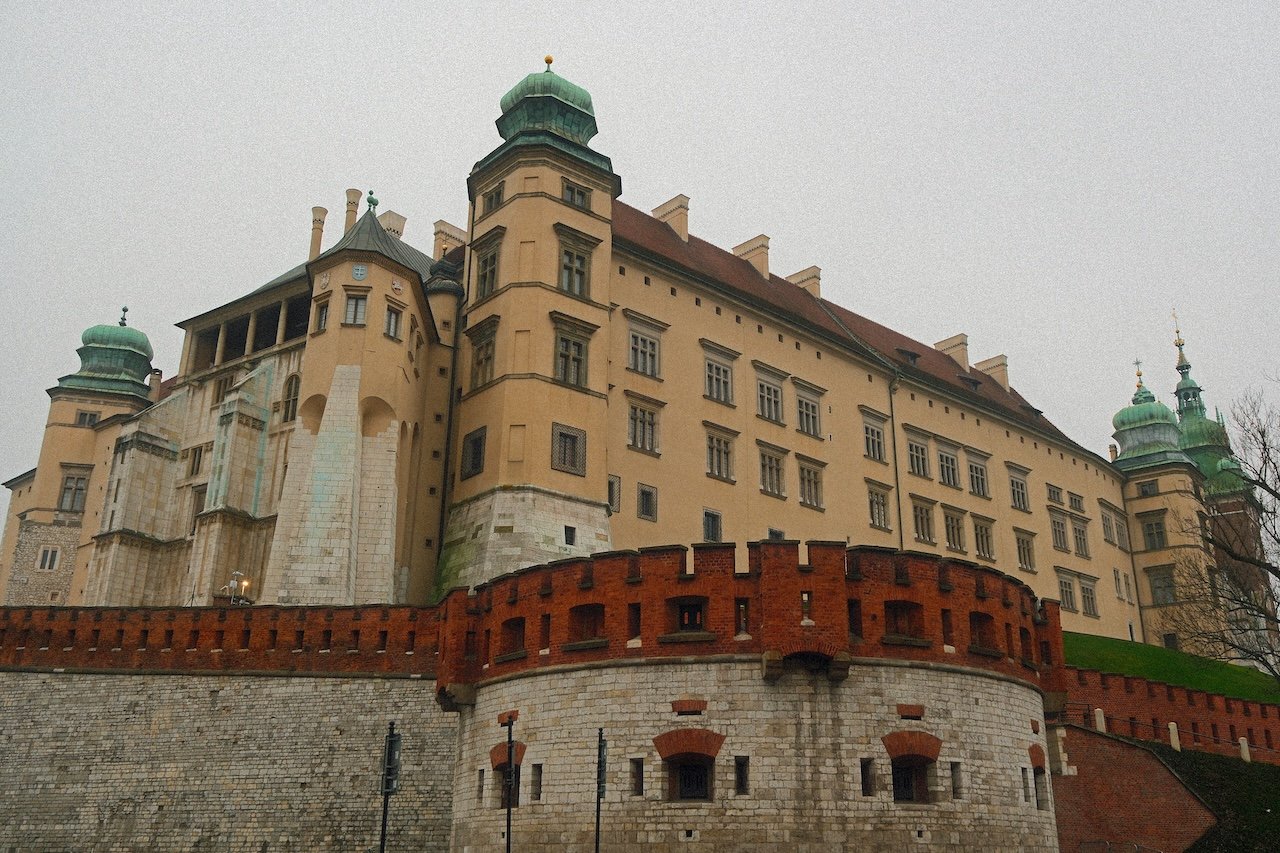
At the heart of Krakow sits Wawel Castle (pronounced "VAH-vel"), once the residence of Polish kings and the site of royal coronations and burials. Below it lies Rynek Główny, Europe's largest medieval market square, which has functioned as Krakow's commercial and social center since the 13th century. Together, these landmarks reflect the city's historic role as a hub of trade, governance, and craftsmanship within Central Europe.
One reason that Krakow feels so authentic today is that it survived World War II largely intact. While much of Poland endured widespread destruction, Krakow's historic center was preserved, allowing visitors to experience original medieval streets, churches, and buildings rather than postwar reconstructions. In recognition of the city's exceptional cultural value, Krakow's Old Town, Wawel Hill, and the historic Jewish quarter of Kazimierz were among the first sites ever designated as UNESCO World Heritage Sites in 1978.
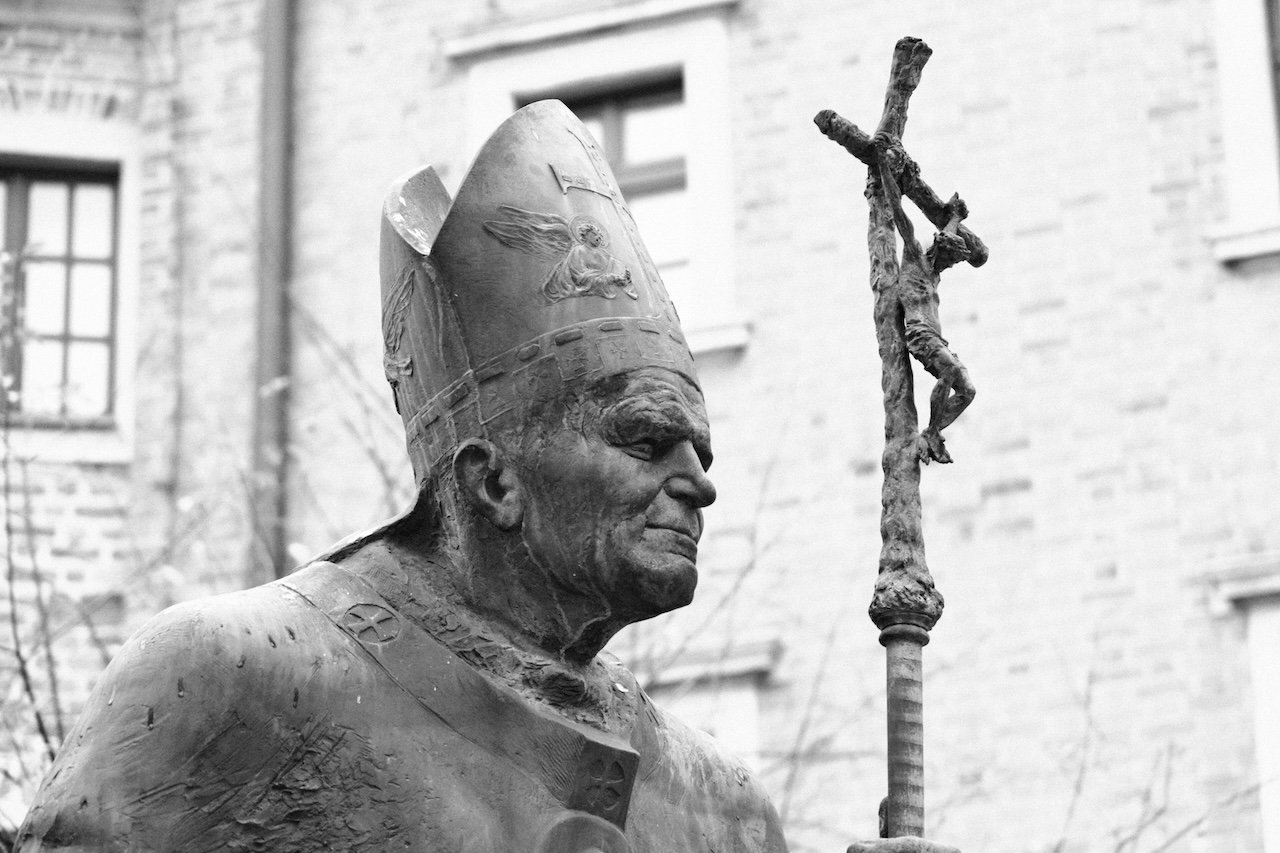
Of course, no Krakow travel guide would be complete without mentioning the city's religious history. Catholicism has long played a central role in Krakow and more recently though the legacy of the city's most famous son, Pope John Paul II. The city played a formative role in the life of Pope John Paul II, who served as the Archbishop of Krakow before becoming pope in 1978. His legacy is still felt throughout the city, particularly in Wawel Cathedral and the Basilica of St. Francis of Assisi in Krakow.
Despite its long history, Krakow is a city that feels approachable rather than overwhelming. The city is compact and walkable, with many of its most important landmarks located close together. In just a few days, visitors can explore royal sites, historic neighborhoods, world-class museums, and an incredible food scene. Krakow rewards travelers who take their time to understand the city's past rather than rush through its highlights.
Before we dive into the best things to do in Krakow, here are some additional facts about to know about the city.
- Krakow served as the capital of the Royal Kingdom of Poland until 1596, when the royal court moved to Warsaw. The Wawel Hill complex, with its royal castle and cathedral, was the heart of the government.
- Rynek Główny, Krakow's Main Market Square, is one of the largest medieval town squares in Europe.
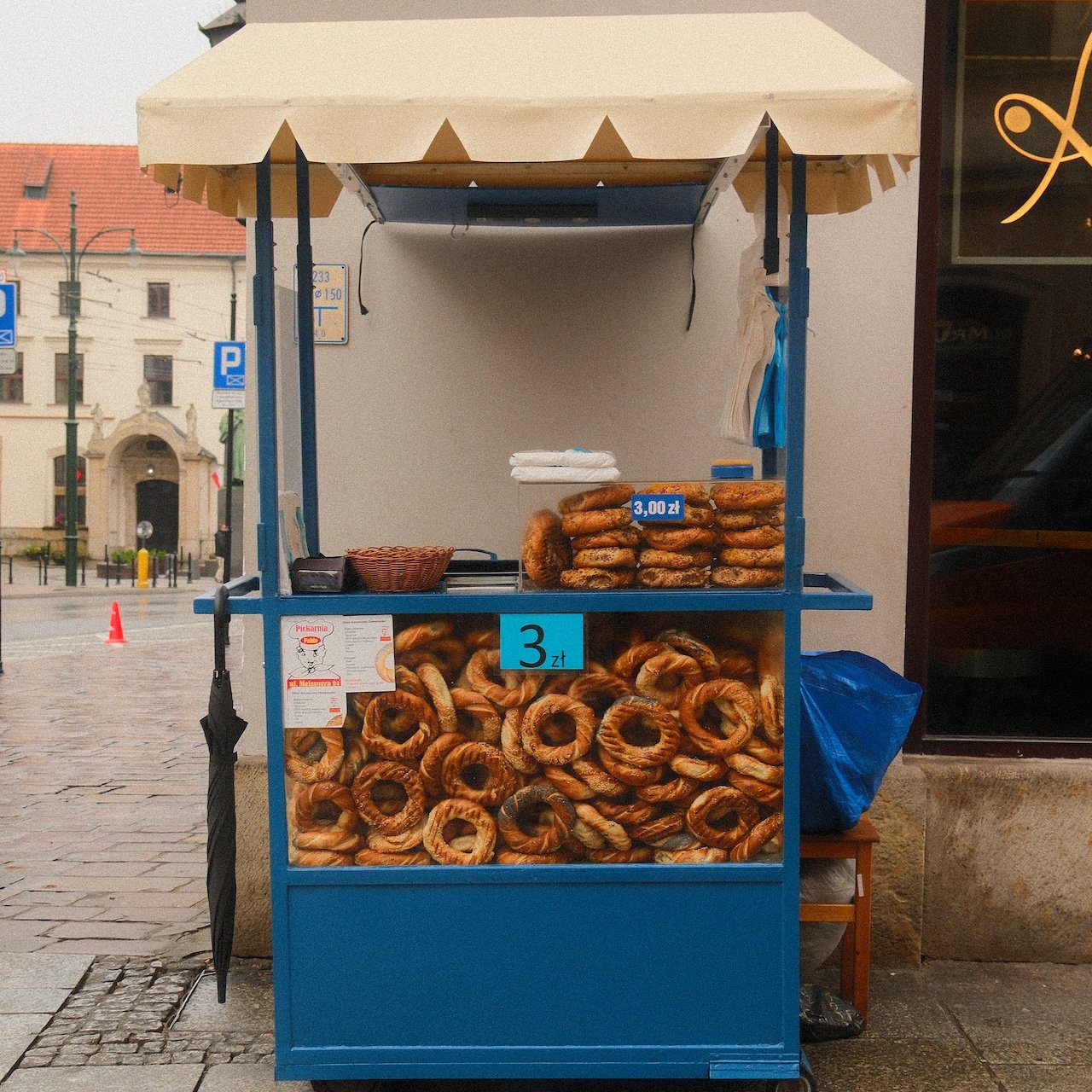
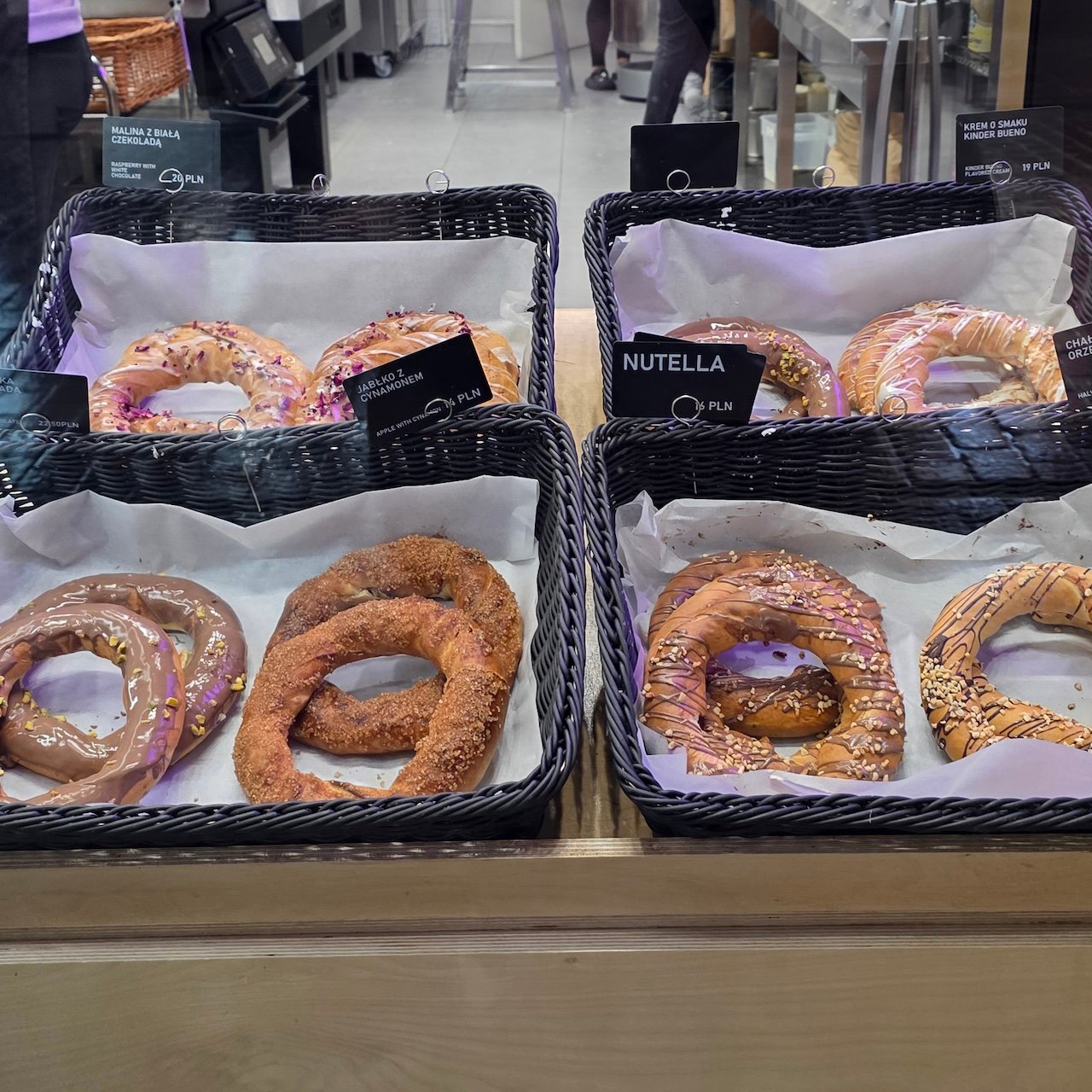
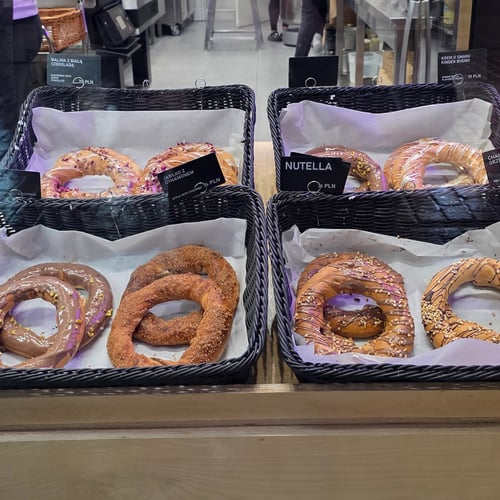
- The traditional street food snack obwarzanek krakowski, often called a Polish bagel, is sold from carts throughout Krakow. It holds Protected Geographical Indication (PGI) status from the European Union, which means it can only be made in Krakow and Wieliczka using traditional methods and specific ingredients.
- Just outside of the city, the Wieliczka Salt Mine played a major role in Krakow's historic wealth. Salt was once as valuable as gold, and the site has been in continuous operation since the 13th century. Today, visitors can tour its underground tunnels, chapels, and sculptures carved entirely from salt, making it one of the most popular day trips from Krakow.
Krakow Travel Guide: Things to Do, Where to Eat, & More
Top Things to Do in Krakow
This section highlights the top things to do in Krakow for every type of traveler. After all, no Krakow travel guide would be complete without a curated list of the city’s must-see attractions and experiences! From historic landmarks and centuries-old churches to world-class museums and lively neighborhoods, Krakow offers a rich mix of culture and history. Whether you are visiting for a weekend getaway or planning a longer stay, these are the can’t-miss attractions and top things to do in Krakow.
We've highlighted all the attractions we visited and adored with the universal symbol of love, ♡.
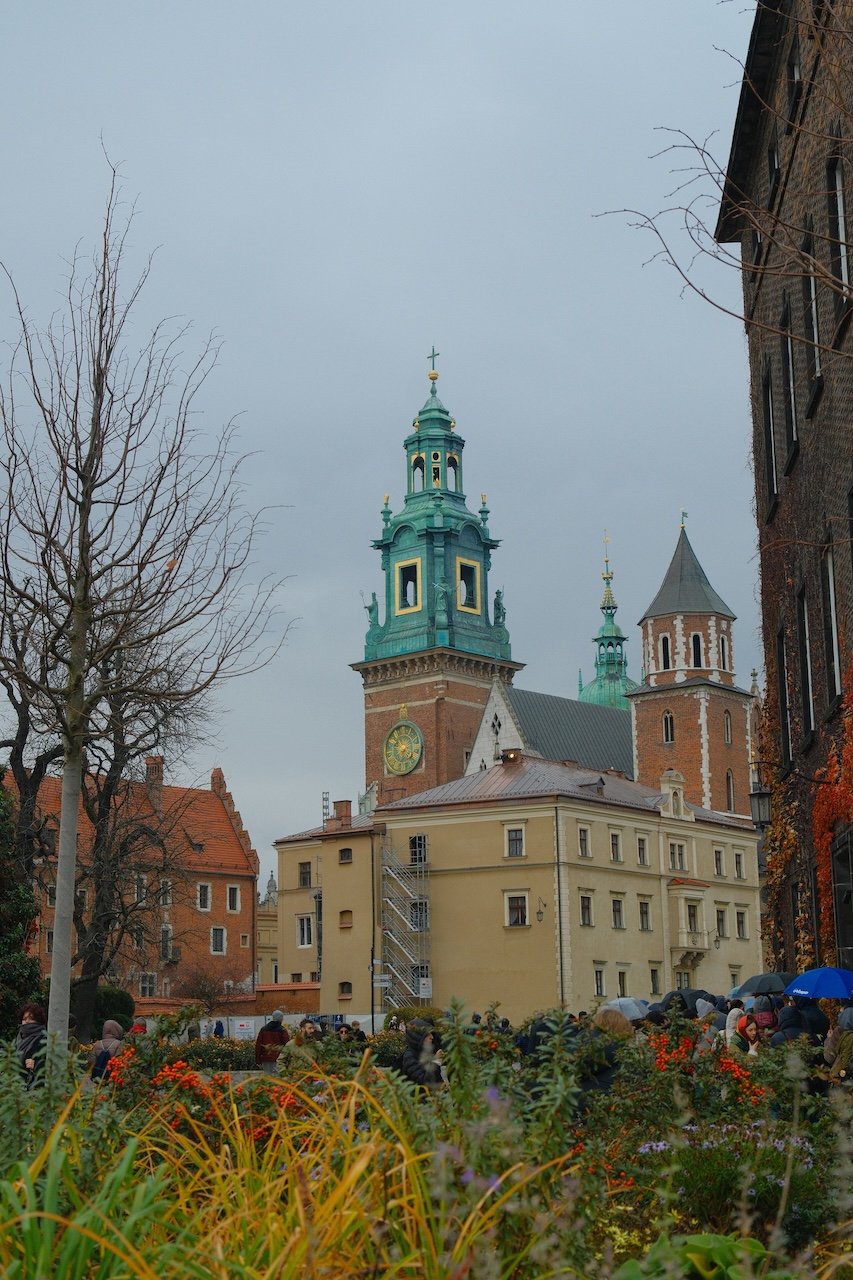
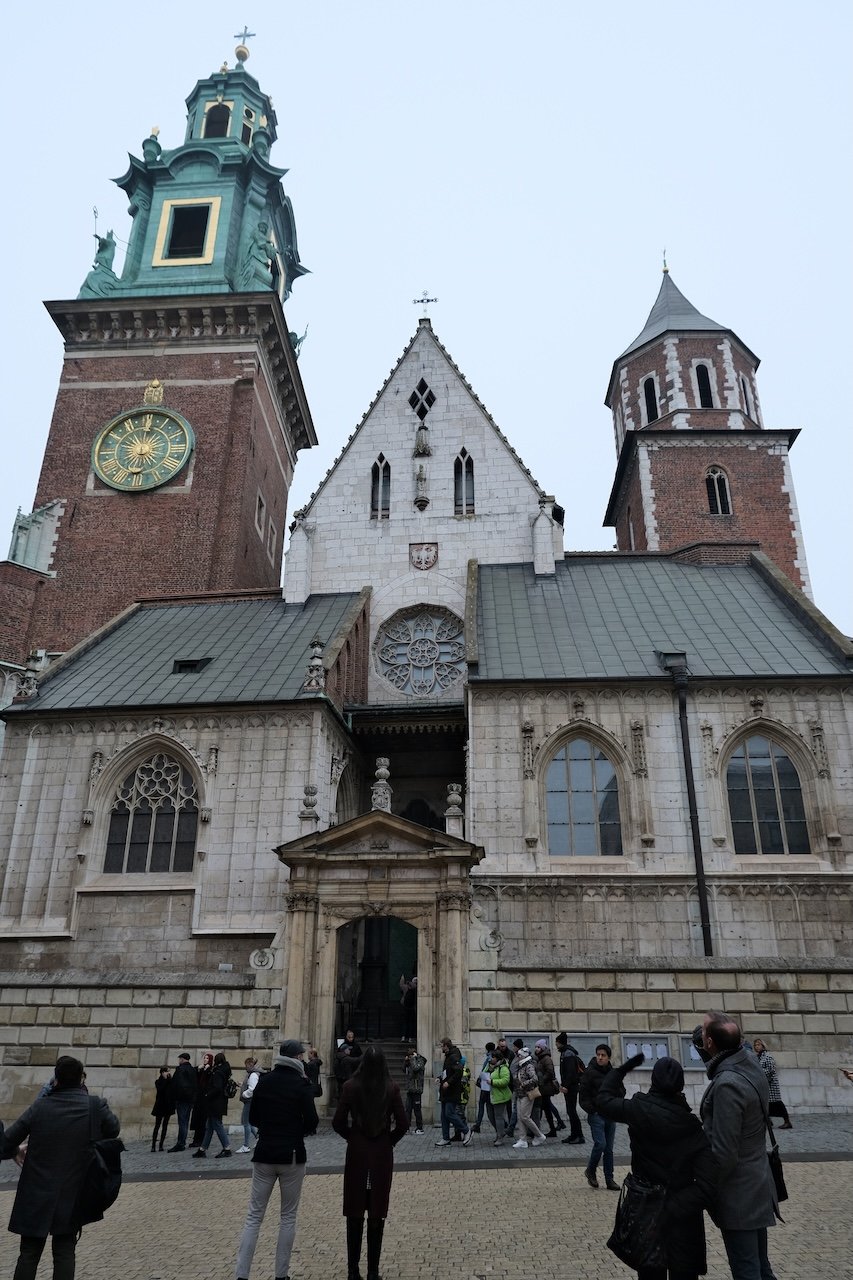
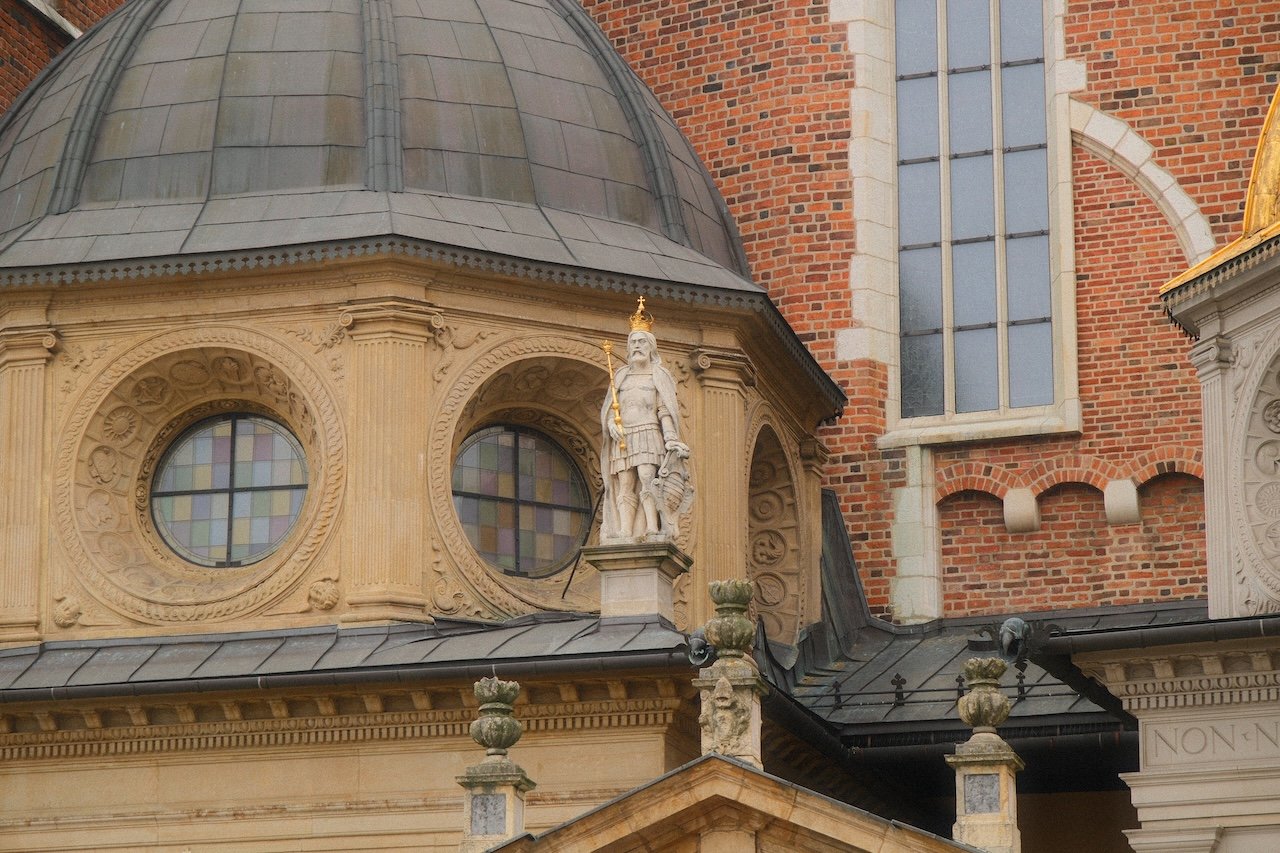
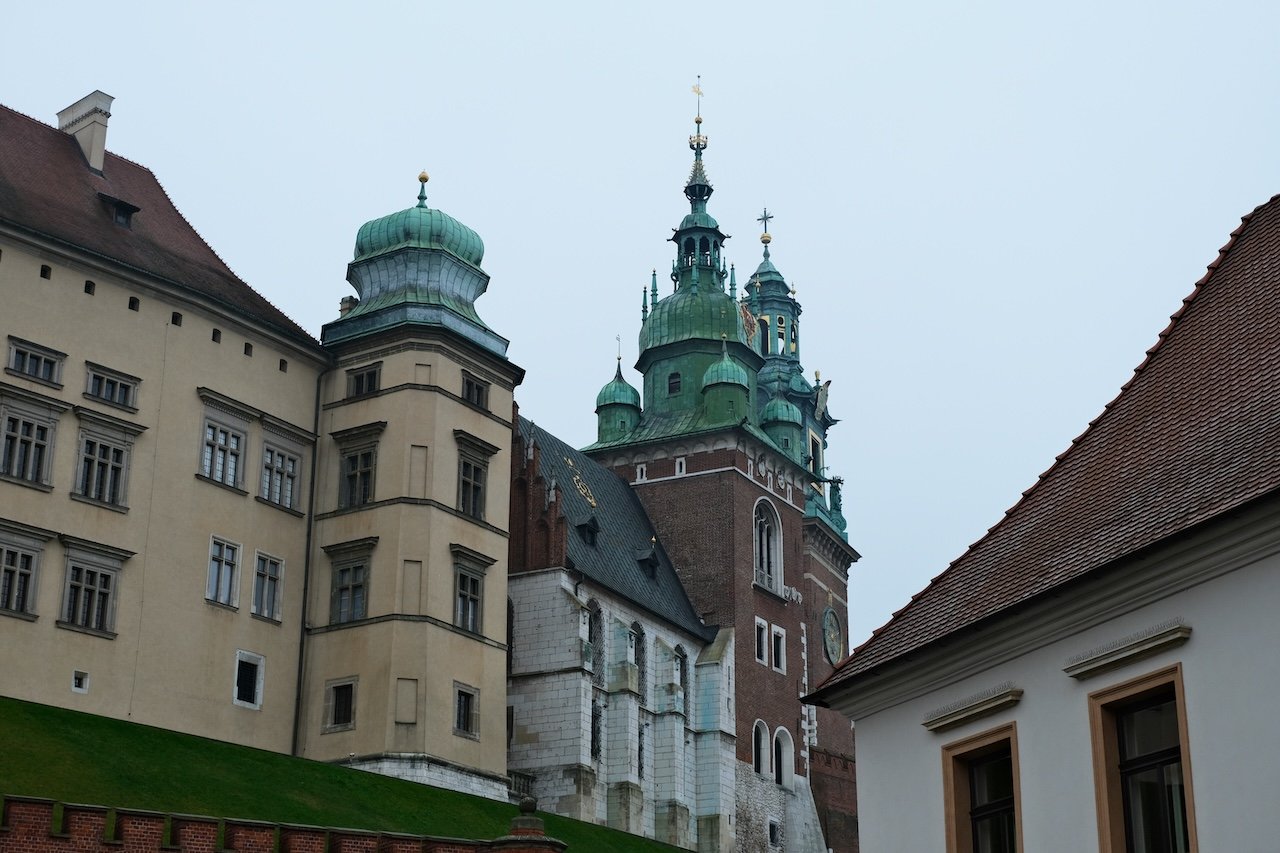
- Wawel Cathedral (The Wawel Royal Cathedral of Saint Stanislaus and Saint Wenceslaus): ♡ Dating back to the 14th century, Wawel Cathedral is one of the oldest and most important religious buildings in Poland and a cornerstone of Krakow's history. For centuries, it served as the coronation and burial site of Polish kings, queens, bishops, and national heroes, making it a powerful symbol of Polish identity and statehood. The cathedral's interior reflects this long history, with a layered mix of Gothic, Renaissance, and Baroque chapels built over generations by monarchs and noble families. One of the cathedral's most famous features is its bell tower, home to the Sigismund Bell, Poland's largest historic bell, traditionally rung only on major national and religious occasions. Photography is not permitted inside of the cathedral, which means the only way to fully appreciate its scale, artwork, and atmosphere is to experience it in person.
- John Paul II Cathedral Museum: Located directly across from Wawel Cathedral is the John Paul II Cathedral Museum. The museum offers insight into the life and legacy of Pope John Paul II, who served as the Archbishop of Krakow before becoming pope. The museum displays some of his personal belongings, liturgical objects, and historical artifacts that help contextualize his connection to the city. Admission to the museum is included with a ticket to Wawel Cathedral, making it a worthwhile addition to your visit. The museum also showcases art and regalia previously kept in the cathedral treasury. Please note that the John Paul II Cathedral Museum is closed on Sundays.
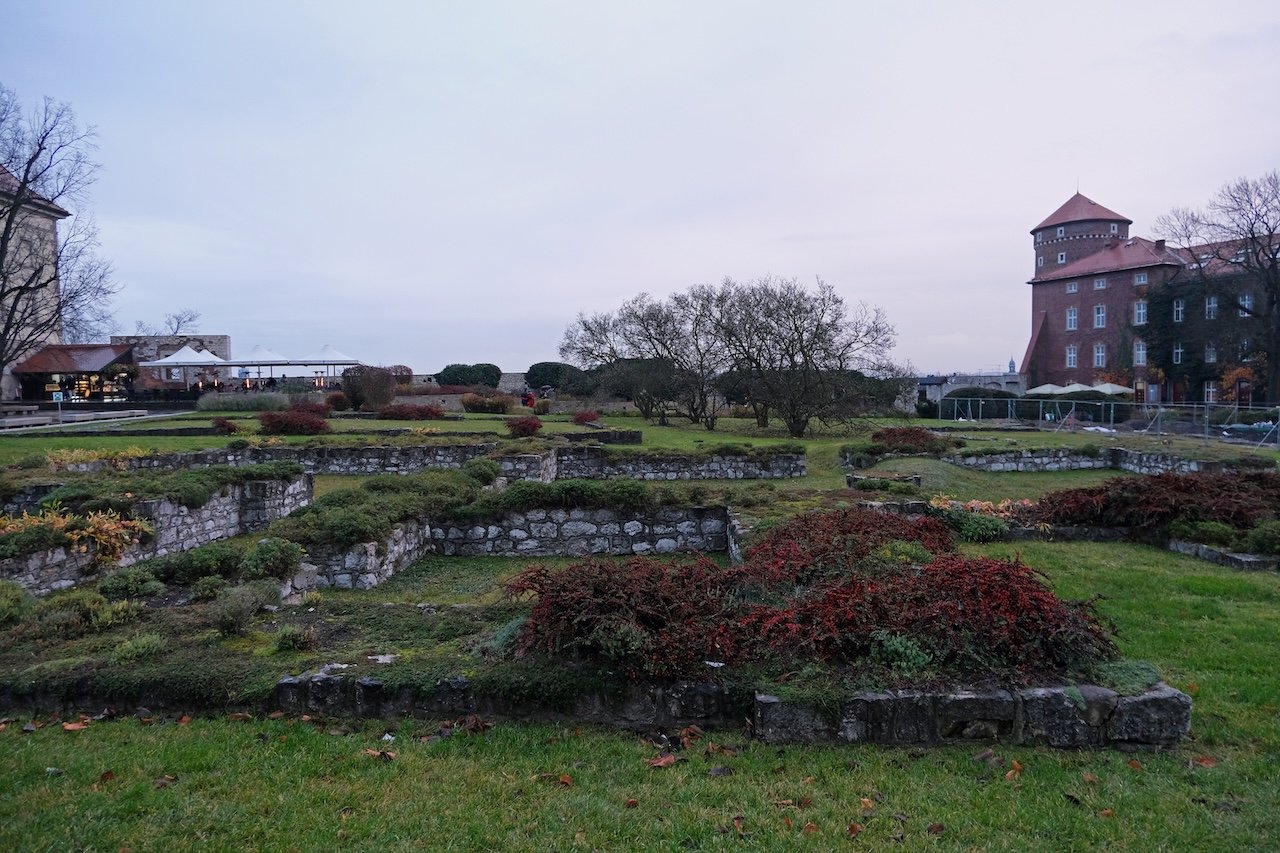
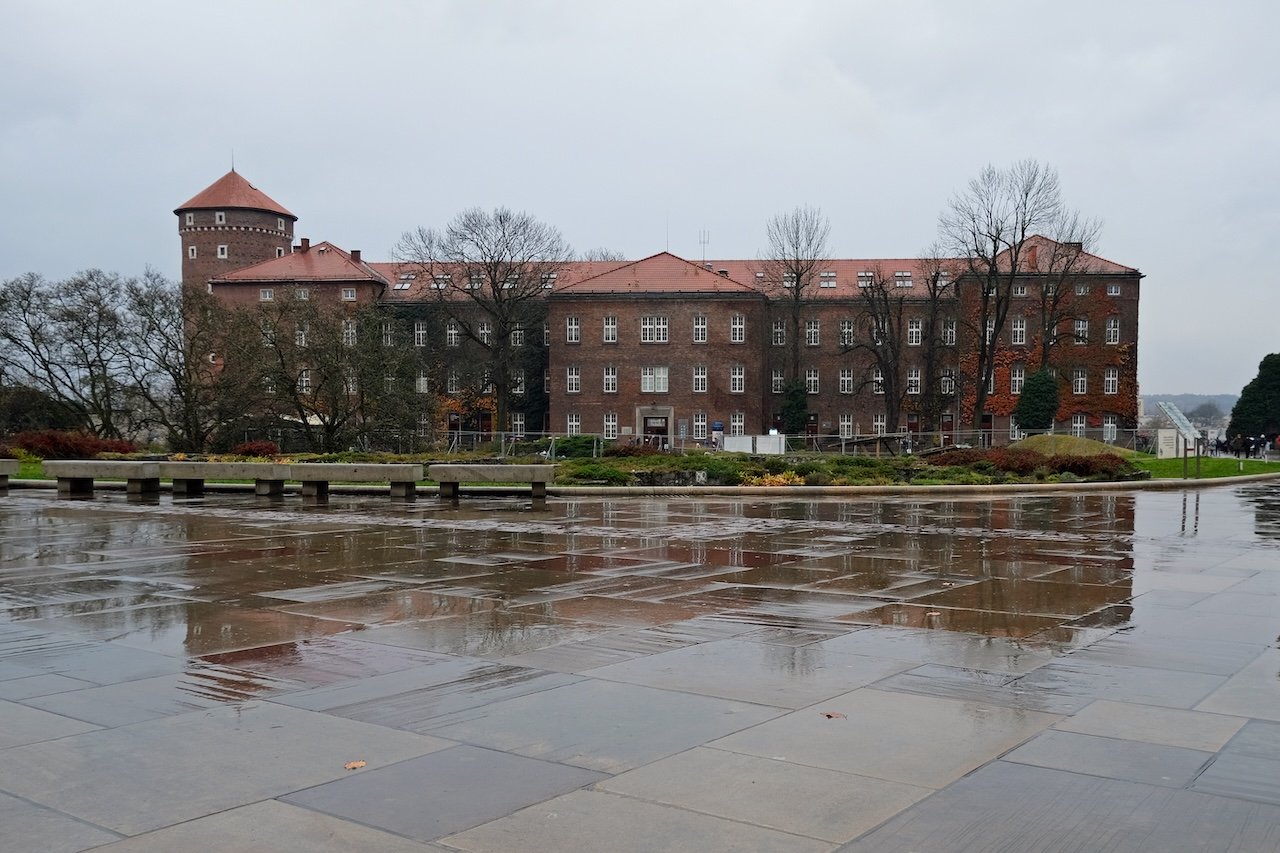
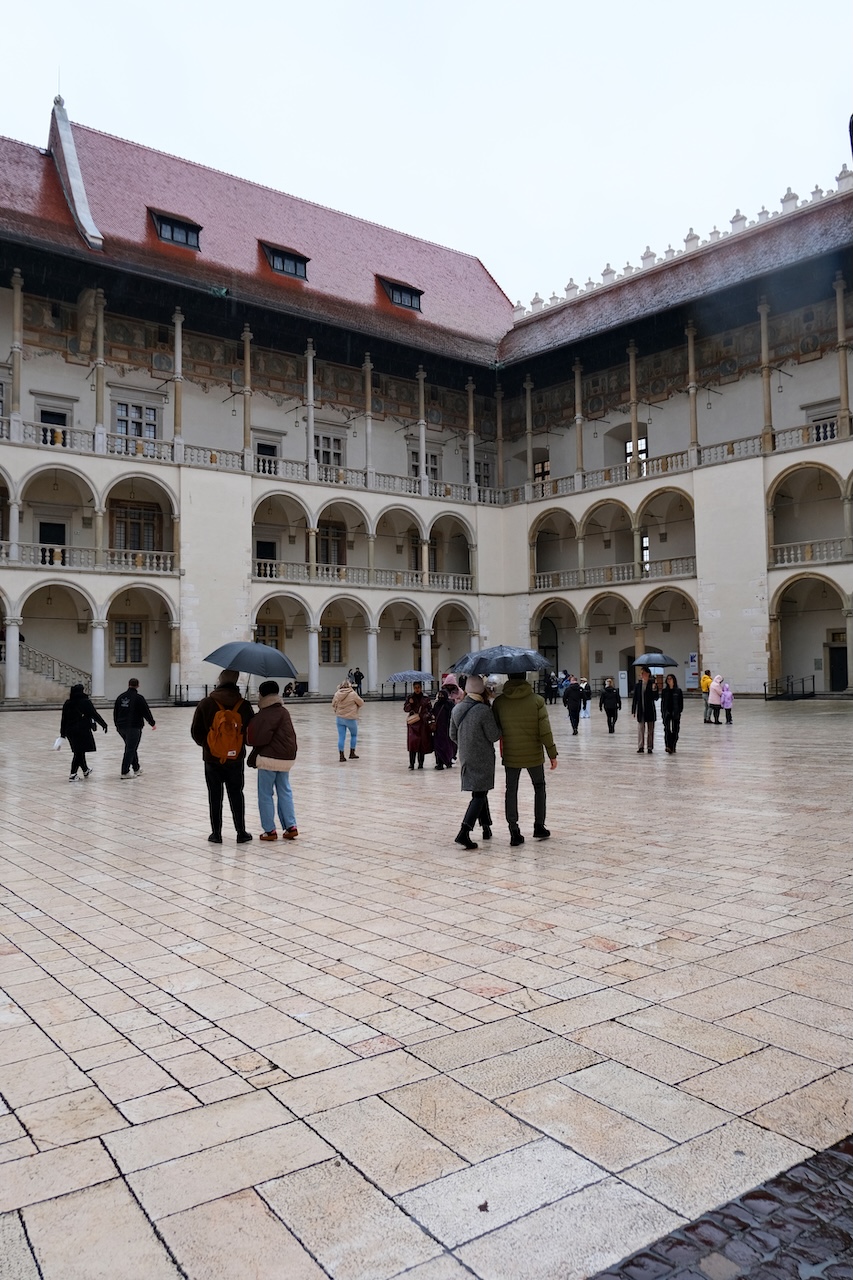
- Wawel Royal Castle: ♡ Wawel Royal Castle is one of the most important cultural landmarks in Poland. For centuries, it served as the residence of Polish kings and the seat of royal power. Today, the castle complex houses several museums and historic interiors, each offering a different perspective on royal life, art, and governance. Each of these museums requires separate ticketed entry. The castle also regularly hosts temporary exhibitions. With multiple ticketed sections, visitors who are short on time may want to prioritize one or two areas rather than attempting to see the entire complex in a single visit. Tickets can be purchased online, up to one month ahead of your visit, on the Wawel Royal Castle website.
- Castle I (Castle First Floor): The first-floor interiors introduce visitors to the royal private apartments at Wawel Castle. While the function of these rooms changed with its occupants, many original Gothic and Renaissance design features remain. Lavish furnishings, decorative details, and artwork help bring the castle’s residential history to life. Castle I also includes the Porcelain Cabinet, showcasing an elaborate display of Meissen porcelain, the porcelain factory founded by King Augustus II.
- Castle II (Castle Second Floor): The second floor interiors introduce visitors to the ceremonial side of royal life at Wawel with the state rooms. These rooms were used for official functions and court activities, offering insight into how the Polish monarchy projected power and prestige through architecture, art, and design. A collection of Turkish tents is also on display in Castle II.
- Castle Underground: This area explores the archaeological layers beneath the castle, revealing remnants of earlier structures that once stood on Wawel Hill. Visiting the underground spaces adds valuable context to how the site evolved over centuries before becoming the royal residence that we see today.
- Between the Walls - Wawel Underground: This lesser-known underground route allows visitors to walk through spaces hidden within the castle’s defensive walls. It offers a unique perspective on medieval fortifications and the strategic importance of Wawel Hill in protecting the city.
- Crown Treasury: The Crown Treasury displays royal insignia, regalia, and ceremonial objects that symbolized Polish statehood and monarchy. One of the most notable items on display is the Szczerbiec, or the Coronation Sword of the Kings of Poland.
- Armory: The Armory houses historic weapons, armor, and military objects. It provides a look into the defensive and ceremonial role of the monarchy during times of conflict and peace.
- Wawel Recovered: Wawel Recovered focuses on the history of Wawel Castle from the loss of Poland's independence in 1795 to the present, with a special focus on the period in which Wawel was used by the Austrians as a military fortress and barracks.
- Dragon's Den: One of Krakow’s most legendary sites, Dragon’s Den is a limestone cave beneath Wawel Hill tied to the city’s famous dragon legend. The short walk-through Dragon's Den ends near the Vistula River and adds a folkloric layer to the otherwise historical castle experience. Tickets for the Dragon's Den can be purchased from a ticket machine at the entrance.
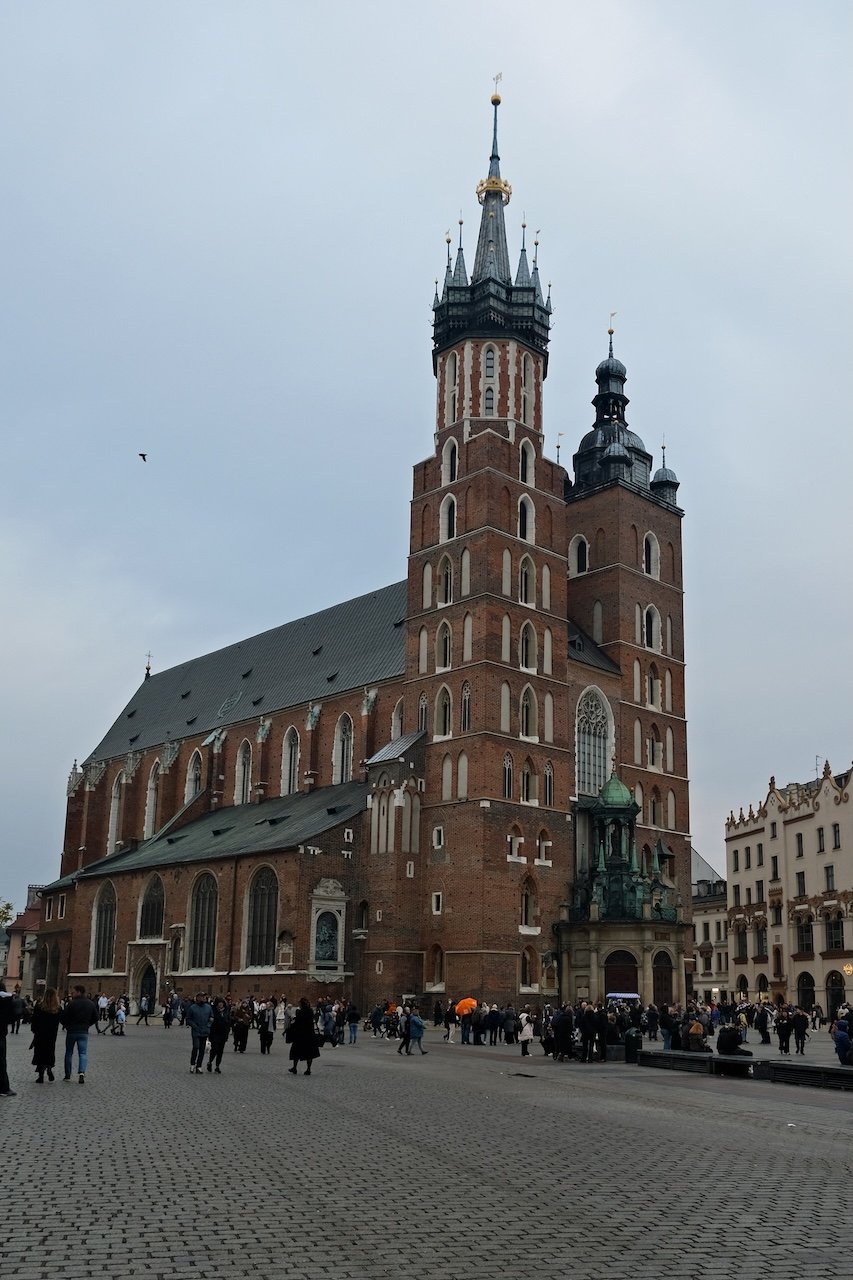
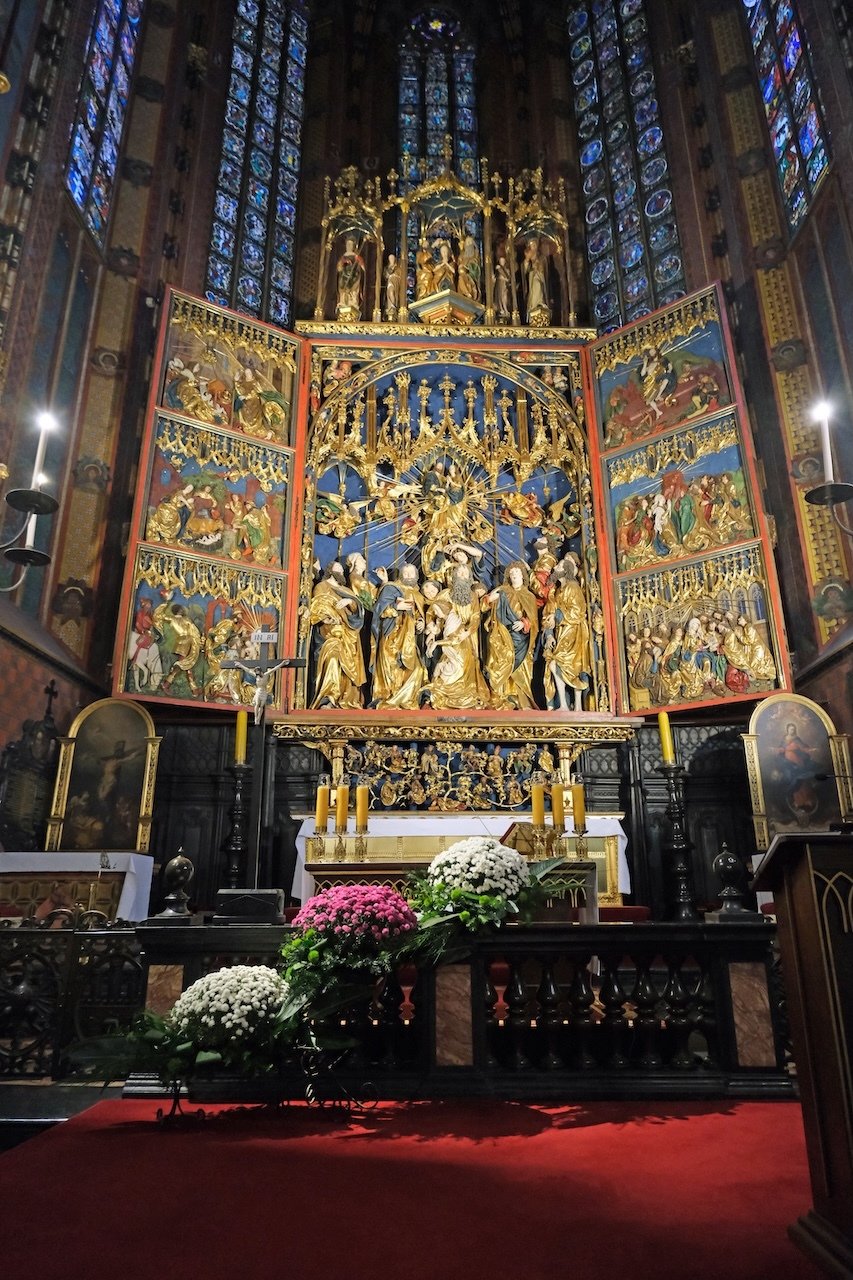
- St. Mary's Basilica (Church of the Assumption of the Blessed Virgin Mary): ♡ St. Mary's Basilica is one of Krakow's most recognizable landmarks, located in Rynek Główny. Built in the 14th century, this Gothic church is famous for its two uneven towers. From the taller tower, you can hear the hejnał trumpet call every hour, on the hour—a tradition that dates back to the Middle Ages. Inside, the basilica is home to one of Europe's most important works of Gothic art: the monumental wooden altarpiece carved by Veit Stoss in the 15th century. Tickets to visit St. Mary's Basilica can be purchased at the basilica ticket office, located in Mariacki Square. For additional information, please visit the St. Mary's Basilica website.
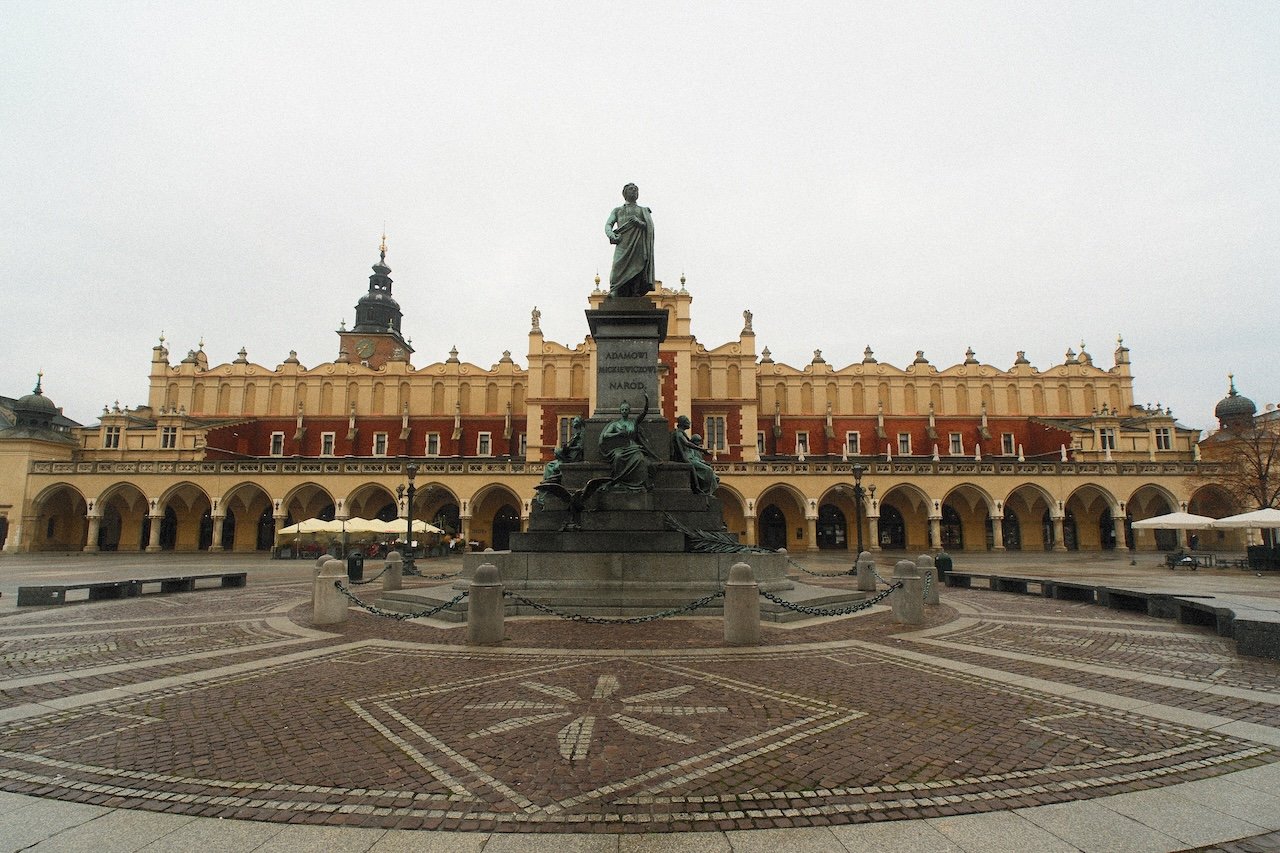
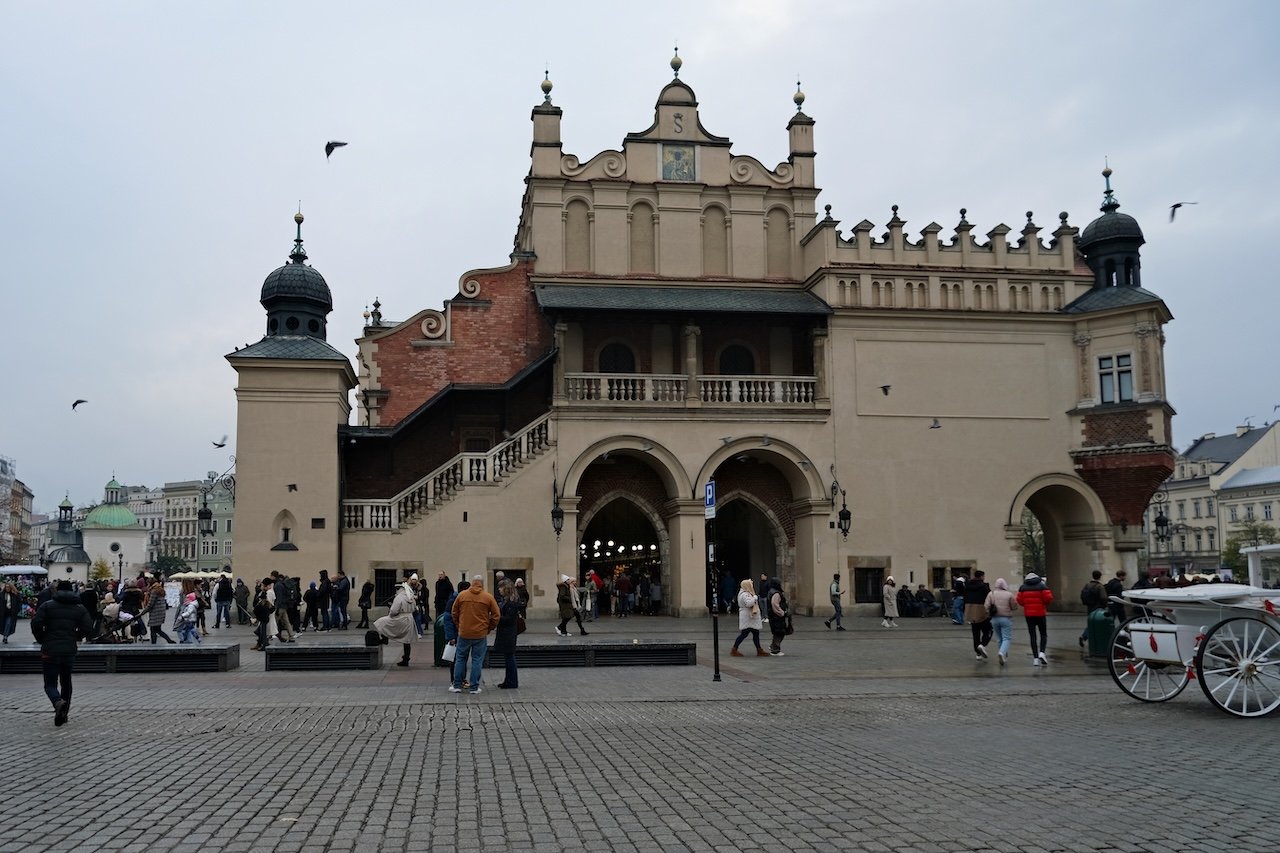
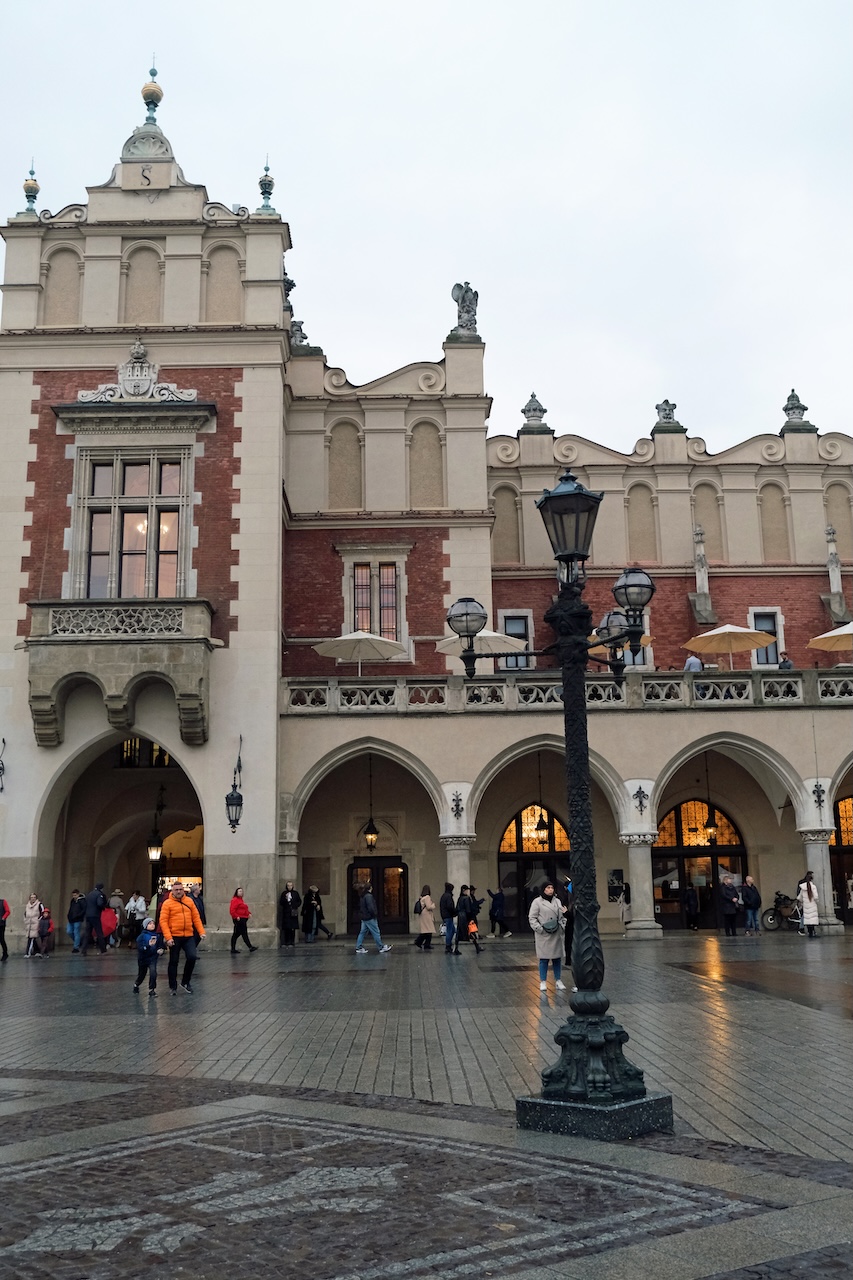
- Cloth Hall (Sukiennice): The Cloth Hall sits at the center of Rynek Główny and has been a center of trade in Krakow since the Middle Ages. Originally built in the 13th century and later rebuilt in the Renaissance style, the long arcaded structure once served as a major hub for international merchants trading fabric, spices, and other goods. Its presence reflects Krakow's importance as a key commercial city along historic European trade routes. Today, the Cloth Hall is filled primarily with stalls selling traditional crafts, amber jewelry, and Polish souvenirs. Upstairs, the building is home to the MNK Sukiennice, housing a collection of 19th century art.
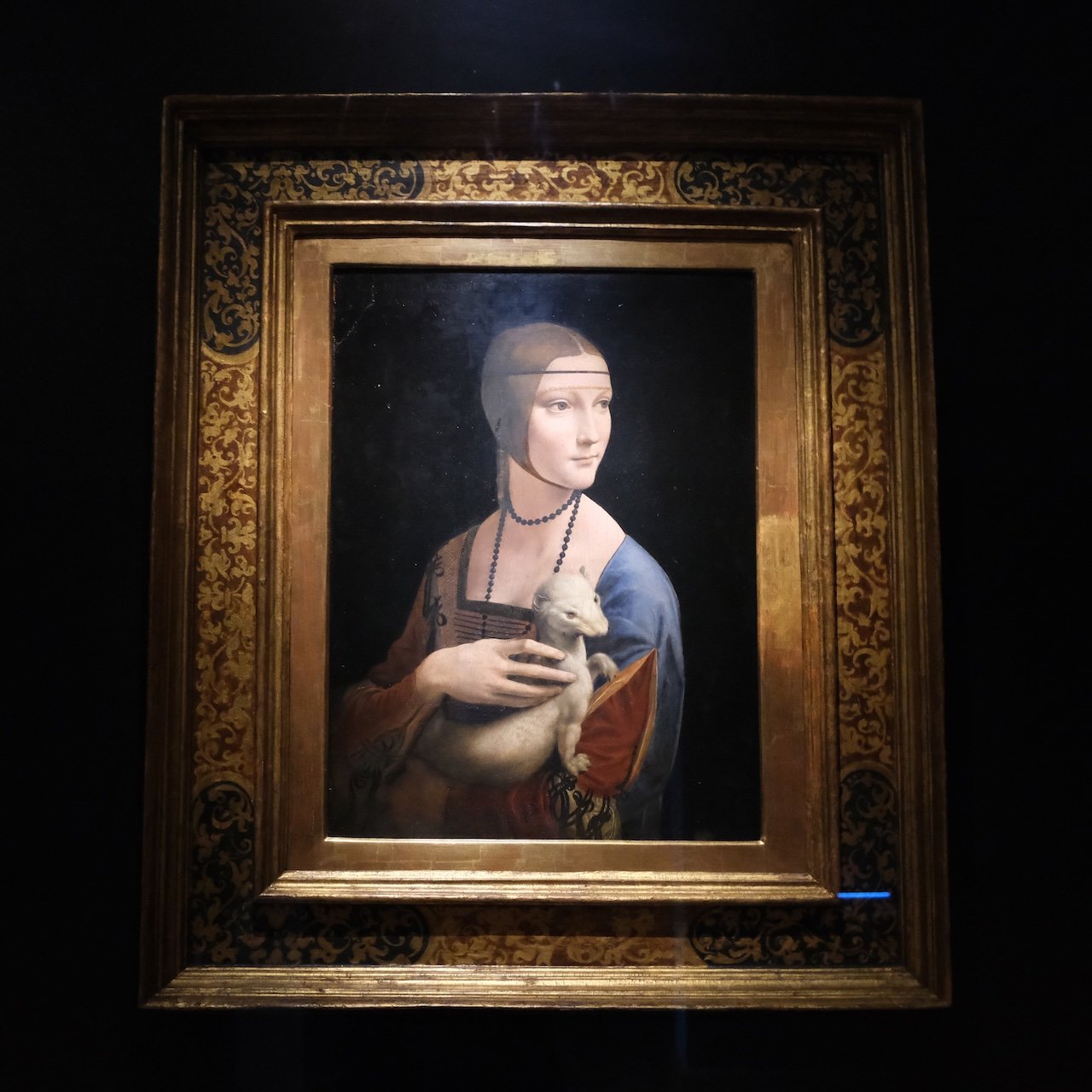
- The Princes Czartoryski Museum (MNK Czartoryski Museum): The Czartoryski Museum is one of Krakow's most important cultural institutions and home to one of Poland's greatest artistic treasures: Lady with an Ermine by Leonardo da Vinci. The Renaissance masterpiece is considered one of only a handful of paintings definitively attributed to da Vinci and is a major reason many visitors include the museum on their Krakow itinerary. Beyond this iconic work, the museum's collection spans European painting, decorative arts, and historical artifacts assembled by the noble Czartoryski family. The museum's history is also closely tied to World War II. During the Nazi occupation of Poland, many works from the collection were stolen, including Lady with an Ermine, which was eventually recovered. Sadly, other pieces were stolen and never returned, including Raphael's Portrait of a Young Man, which is widely regarded as the most significant work of art still missing from World War II, even more than 80 years later. Tickets for the Czartoryski Museum can be purchased both online and on-site. The Czartoryski Museum is closed on Mondays. Admission to the museum is free for visitors on Tuesdays.
-
Oskar Schindler's Enamel Factory: Housed in the former enamelware factory run by Oskar Schindler during World War II, this museum offers one of the most impactful and immersive historical experiences in Krakow. Rather than focusing solely on Schindler himself, the exhibitions place his story within the broader context of life in Krakow under Nazi occupation, using photographs, personal testimonies, documents, and reconstructed spaces to bring the period to life. The museum provides background on the city's Jewish population, wartime resistance, and daily realities faced by residents during the occupation. Schindler's role in saving more than 1,000 Jewish workers gives the site global recognition, but the strength of the museum lines in its ability to contextualize that story within Krakow's wider wartime history. Tickets can be purchased up to 90 days in advance on the Muzeum Krakowa website. A small number of same-day tickets can also be purchased on-site. Please note that the museum is closed on the first Tuesday of the month. Admission to the permanent exhibition, Krakow Under Nazi Occupation 1939-1945, is free on Mondays; however, the free tickets are limited and can only be acquired from the on-site ticket office.
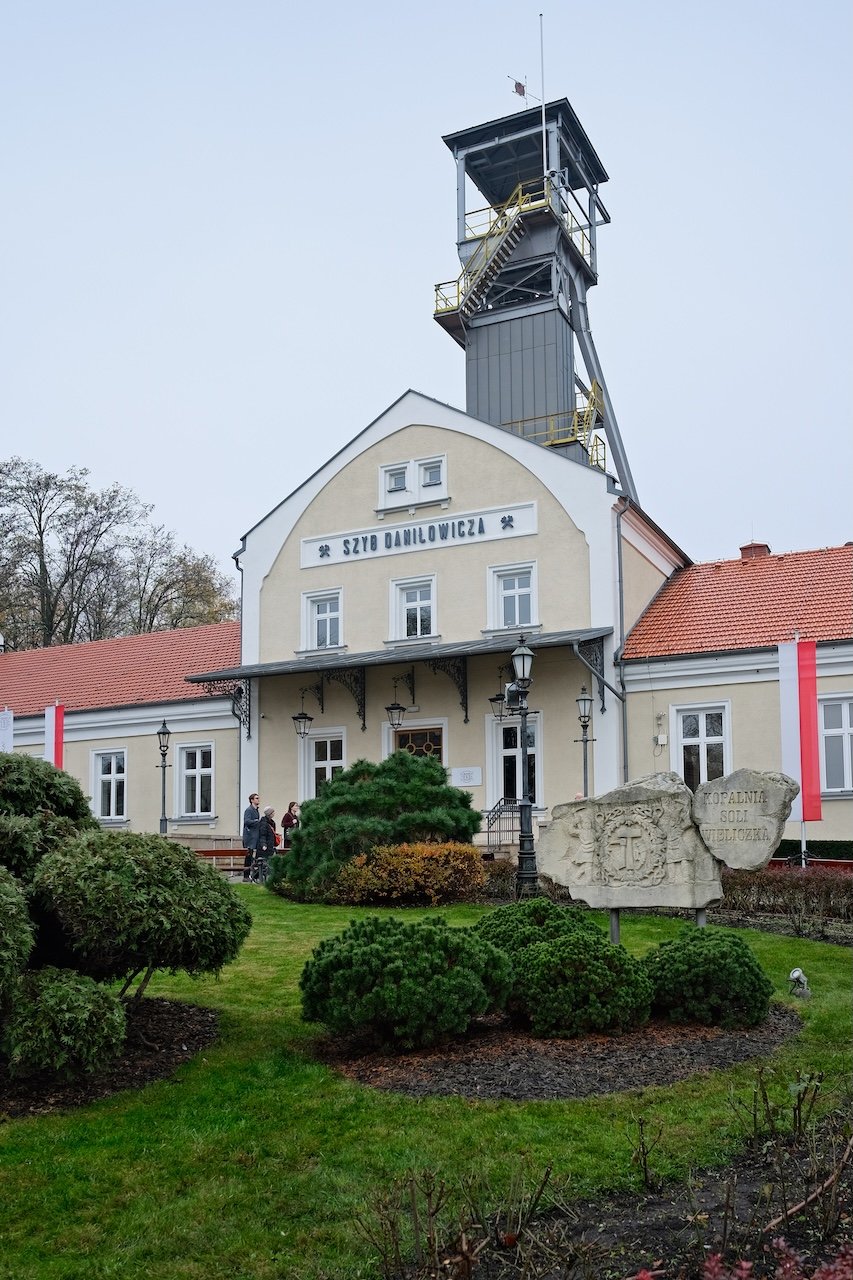
- Day Trip to Wieliczka Salt Mine: ♡ Located just outside Krakow, the Wieliczka Salt Mine is one of the most popular day trips from the city. In continuous operation since the 13th century, the mine played a major role in Krakow's wealth and development, at a time when salt was considered one of Europe's most valuable commodities. Today, visitors can descend deep underground via guided tour to explore a vast network of tunnels, chambers, and chapels carved entirely from salt. The highlight of the visit is the stunning Chapel of St. Kinga, an underground church complete with chandeliers, reliefs, and altarpieces sculpted from salt by generations of miners. The Wieliczka Salt Mine can be reached easily from Krakow Główny Station via suburban train. The train ride takes approximately 23 minutes. Since the Wieliczka Salt Mine can only be visited on a guided tour, we recommend booking your tour in advance, directly through the Wieliczka Salt Mine website.
- Graduation Tower: The Graduation Tower is an optional add-on to a visit to the Wieliczka Salt Mine. The Graduation Tower takes brine from the salt mine, allowing it to trickle down the wooden structure and release fine salt particles into the air. The result is a calm, open-air space with salt-infused air that touts natural health benefits. It is an inexpensive addition to a visit to the Wieliczka Salt Mine and a nice option if you want a short, relaxing stop after touring the mine.

Krakow Landmarks & Attractions
- Rynek Główny (Main Market Square): Rynek Główny is the historic heart of Krakow and the largest medieval market square in Europe. Built in the 13th century, the square has long served as the city’s commercial, social, and civic center, surrounded by landmarks like St. Mary’s Basilica and the Cloth Hall. Today, it remains one of the liveliest places in Krakow's Old Town.
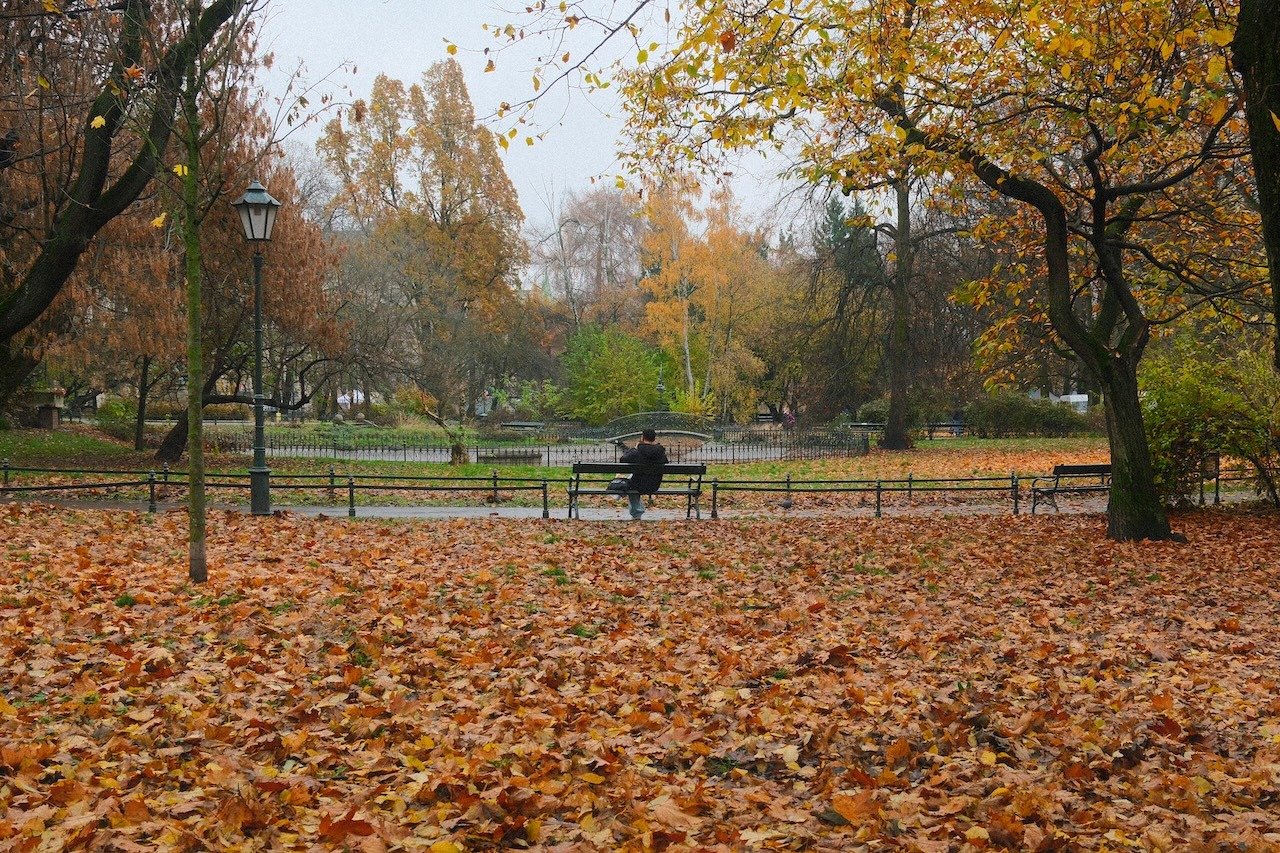
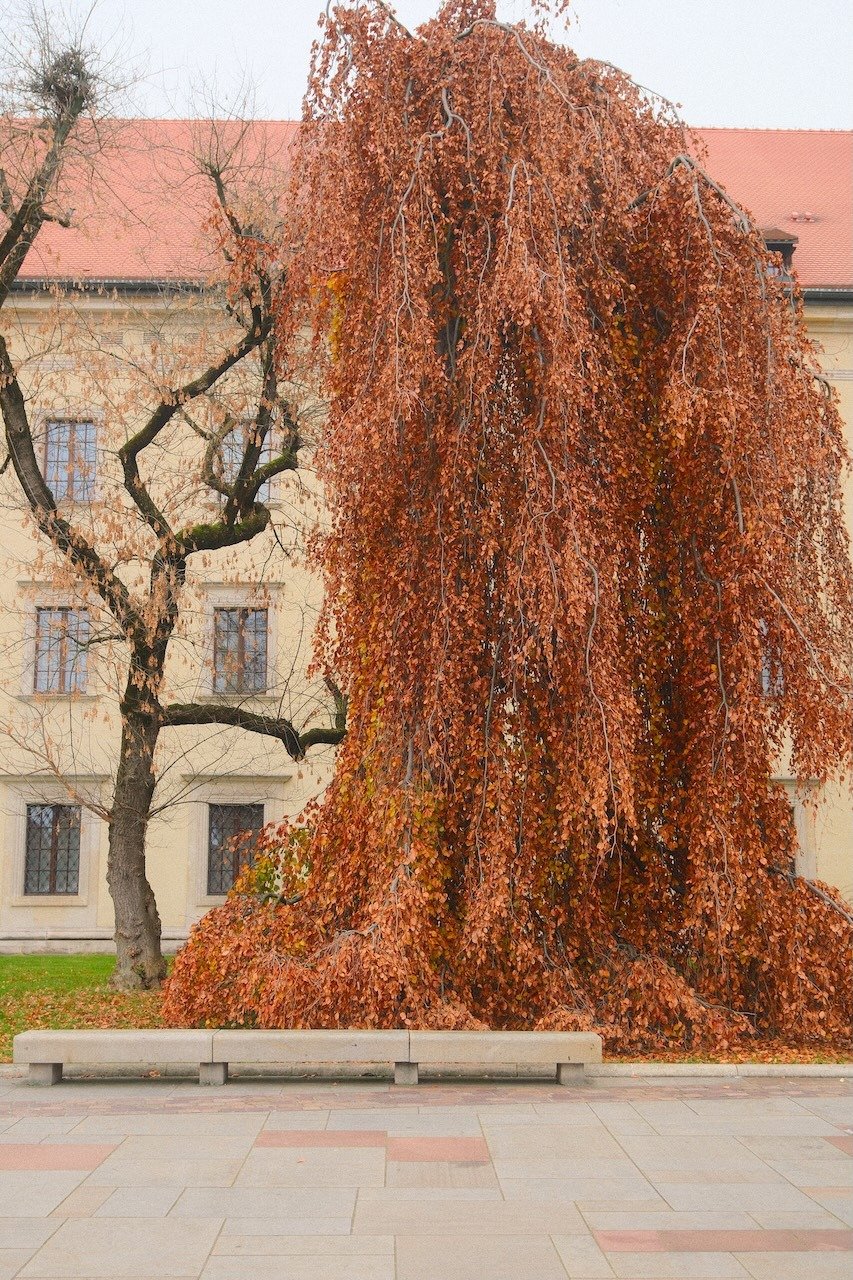
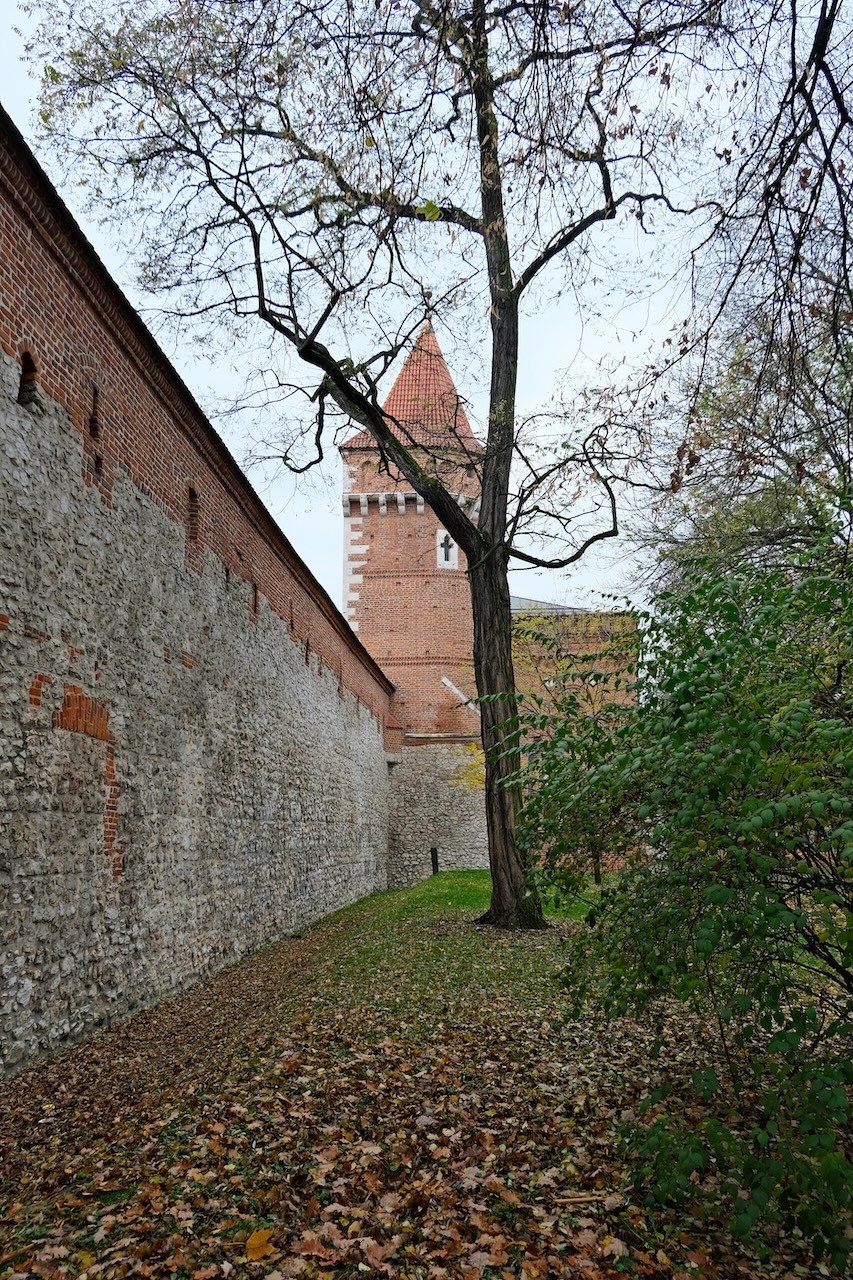
- Planty Park: Planty Park forms a green ring around Krakow’s Old Town, tracing the path of the city’s medieval walls. Created in the 19th century after most of the medieval fortifications were dismantled, the park offers shaded walkways, benches, and quiet corners just steps away from the city’s busiest streets.
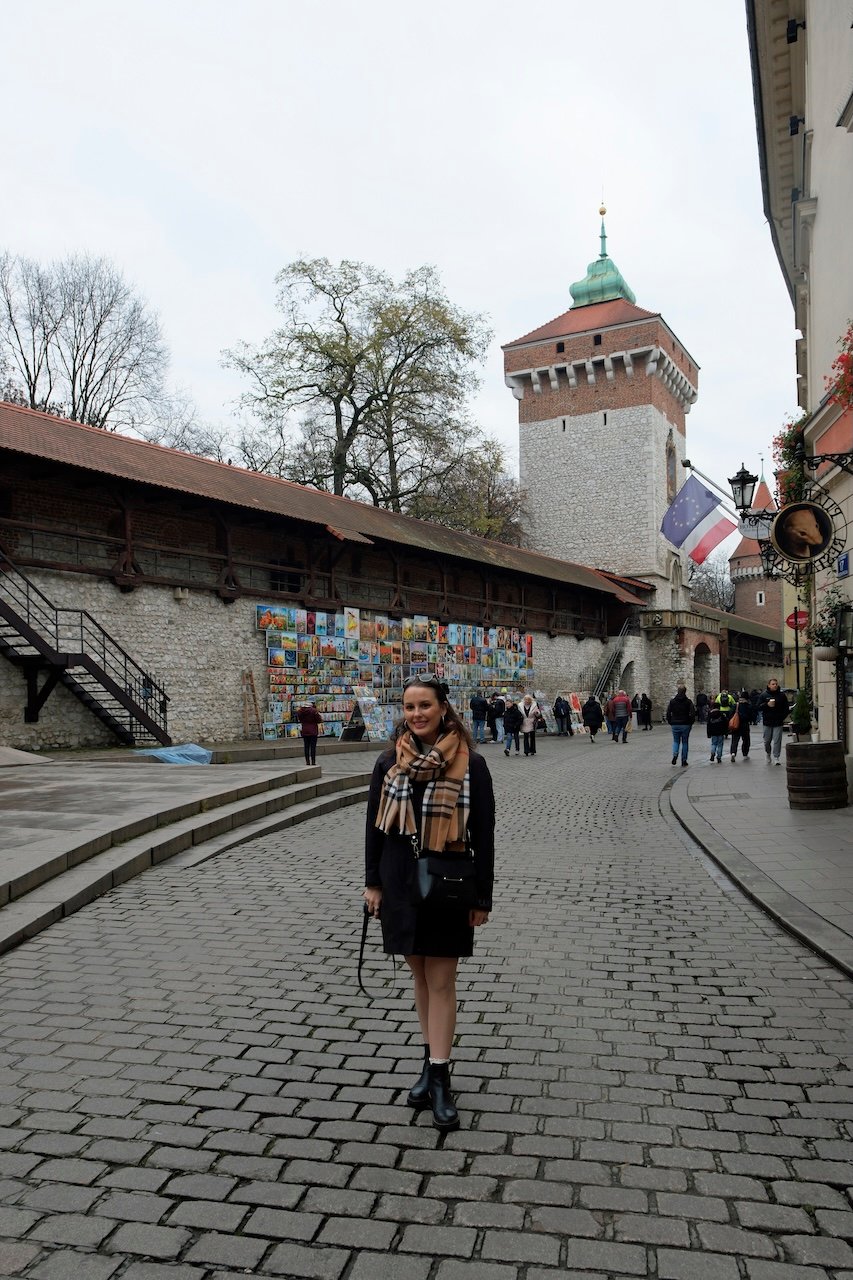
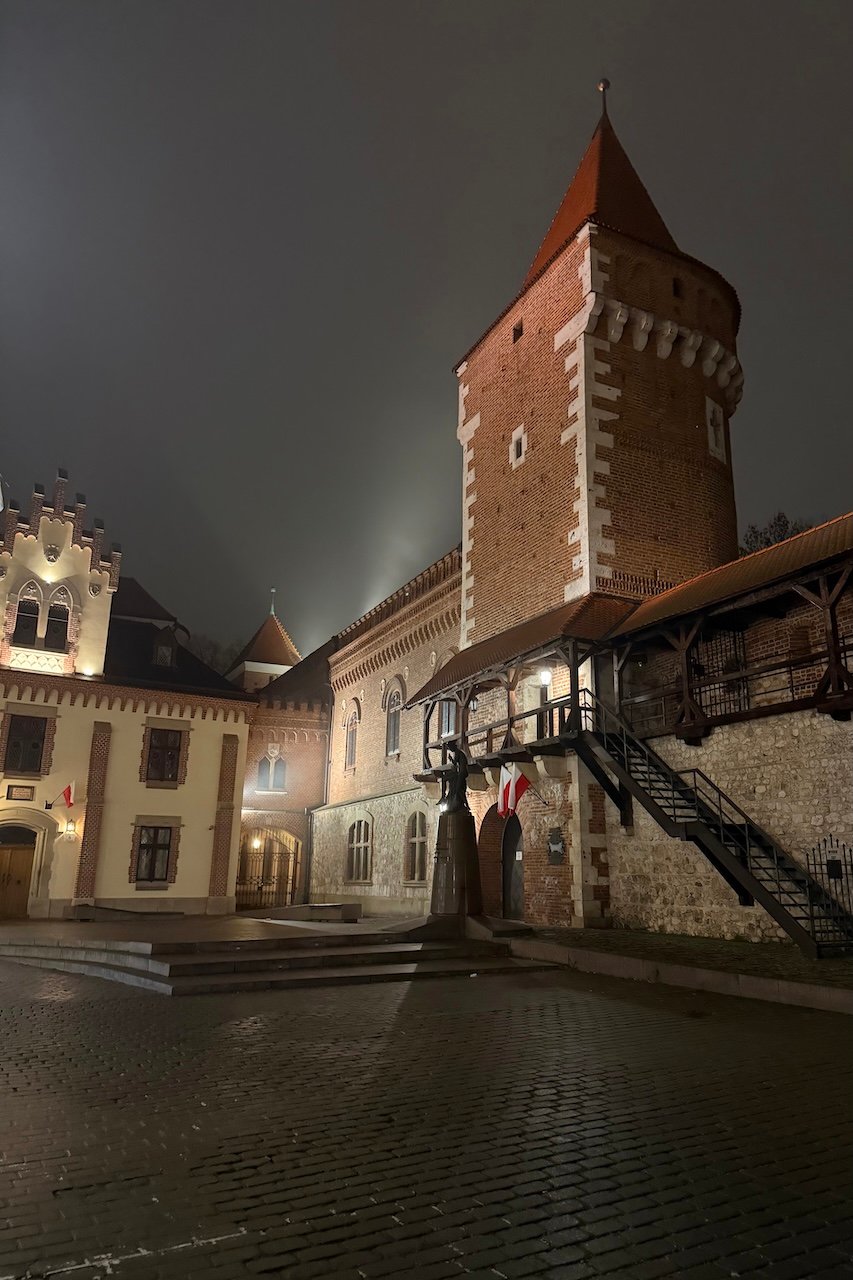
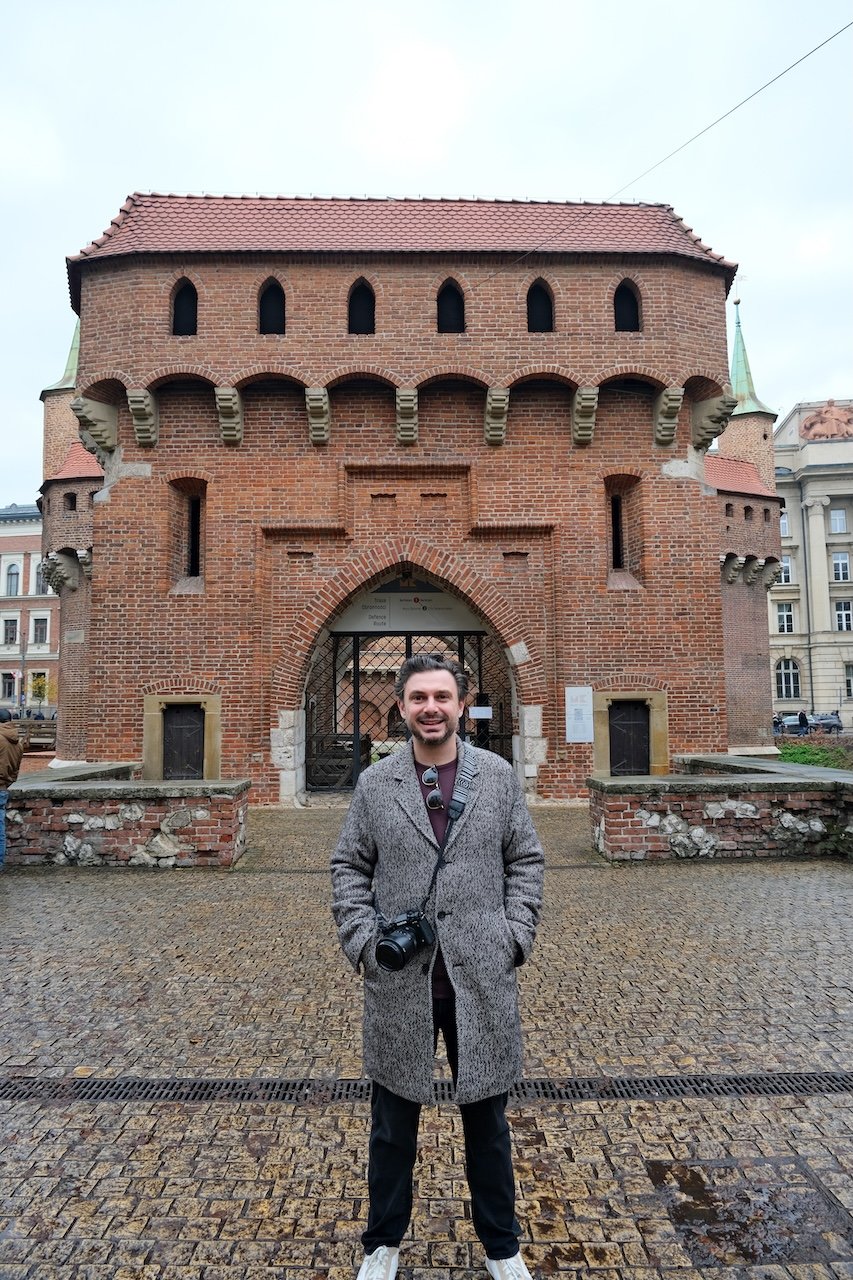
- Barbican (Barbakan): The Barbican is one of the best-preserved medieval defensive structures in Europe. Built in the late 15th century, it once served as a fortified outpost, connected to the city walls, protecting the city from invasion. Its thick walls, towers, and narrow passages offer insight into how Krakow defended itself during the Middle Ages.
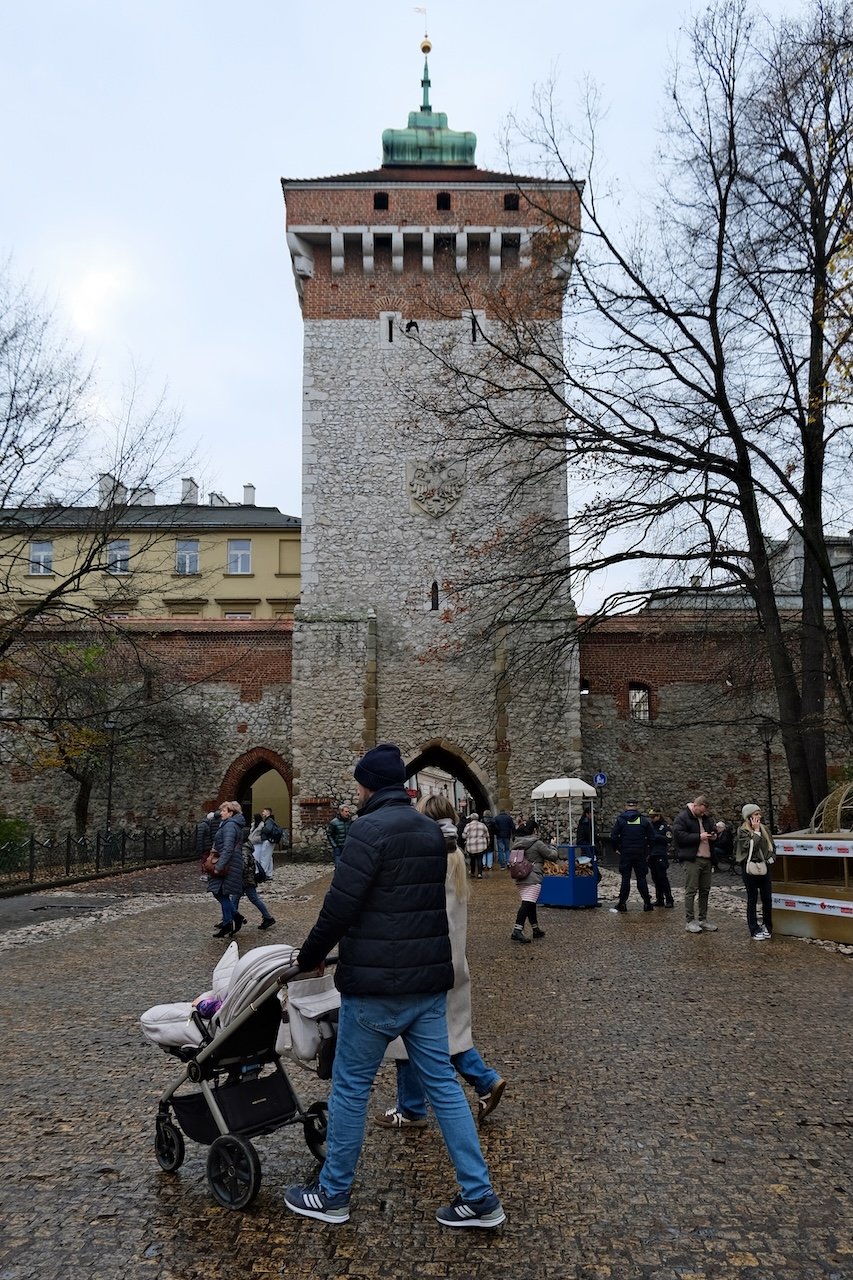
- St. Florian's Gate: St. Florian’s Gate is among the last remaining original city gates from Krakow’s medieval walls and a symbolic entrance to the Old Town. Dating back to the early 14th century, the gate once marked the start of the Royal Route used by Polish kings during coronation processions.
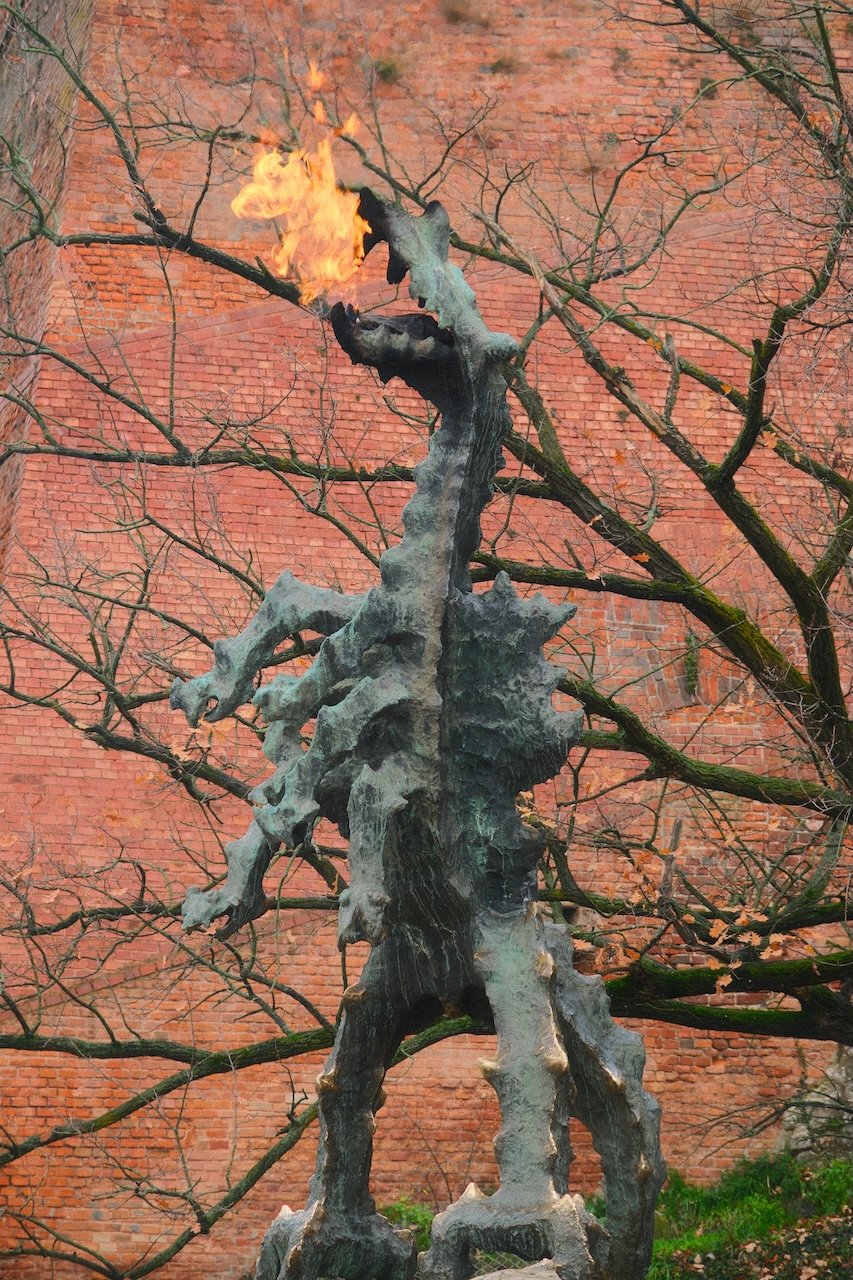
- Wawel Dragon Monument: Located at the foot of Wawel Hill near the Vistula River, the Wawel Dragon Monument brings Krakow’s most famous legend to life. According to folklore, a dragon once lived in a cave beneath Wawel Castle, terrorizing the city until it was defeated. The statue, which periodically breathes real fire, is a fun and memorable stop.
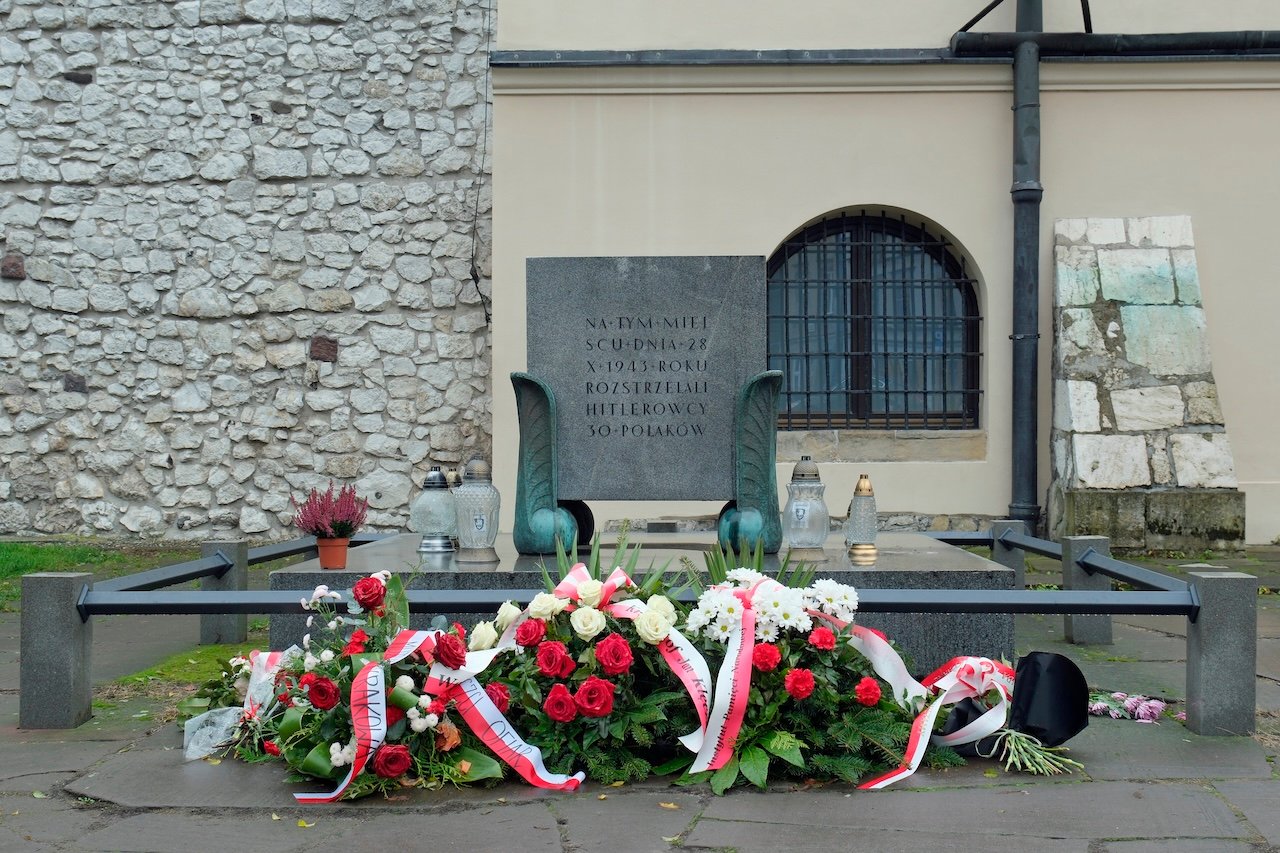
- Ghetto Heroes Square: Ghetto Heroes Square is one of Krakow’s most powerful memorial spaces, commemorating the victims of the Krakow Ghetto during World War II. Located in the Podgórze neighborhood, the square features rows of empty metal chairs symbolizing absence, loss, and remembrance. Visiting the square offers an important moment of reflection.
- Krakus Mound: Krakus Mound is one of the oldest man-made landmarks in Krakow, believed to date back to prehistoric times, though its exact age is unknown. The exact purpose for the construction of Krakus Mound remains a mystery. Rising above the Podgórze neighborhood, the mound offers panoramic views of the city. Less visited than central landmarks, it rewards those willing to venture slightly beyond the Old Town with sweeping scenery and a sense of Krakow’s ancient past.
- Botanical Garden of the Jagiellonian University: Established in 1783, the Botanical Garden of the Jagiellonian University is the oldest botanical garden in Poland. Located just east of the Old Town, it features historic greenhouses, landscaped paths, and diverse plant collections. The garden offers a quiet retreat and is especially nice to visit during the spring and summer months. The greenhouses, except for the Orangery, and the on-site museum are closed on Mondays.
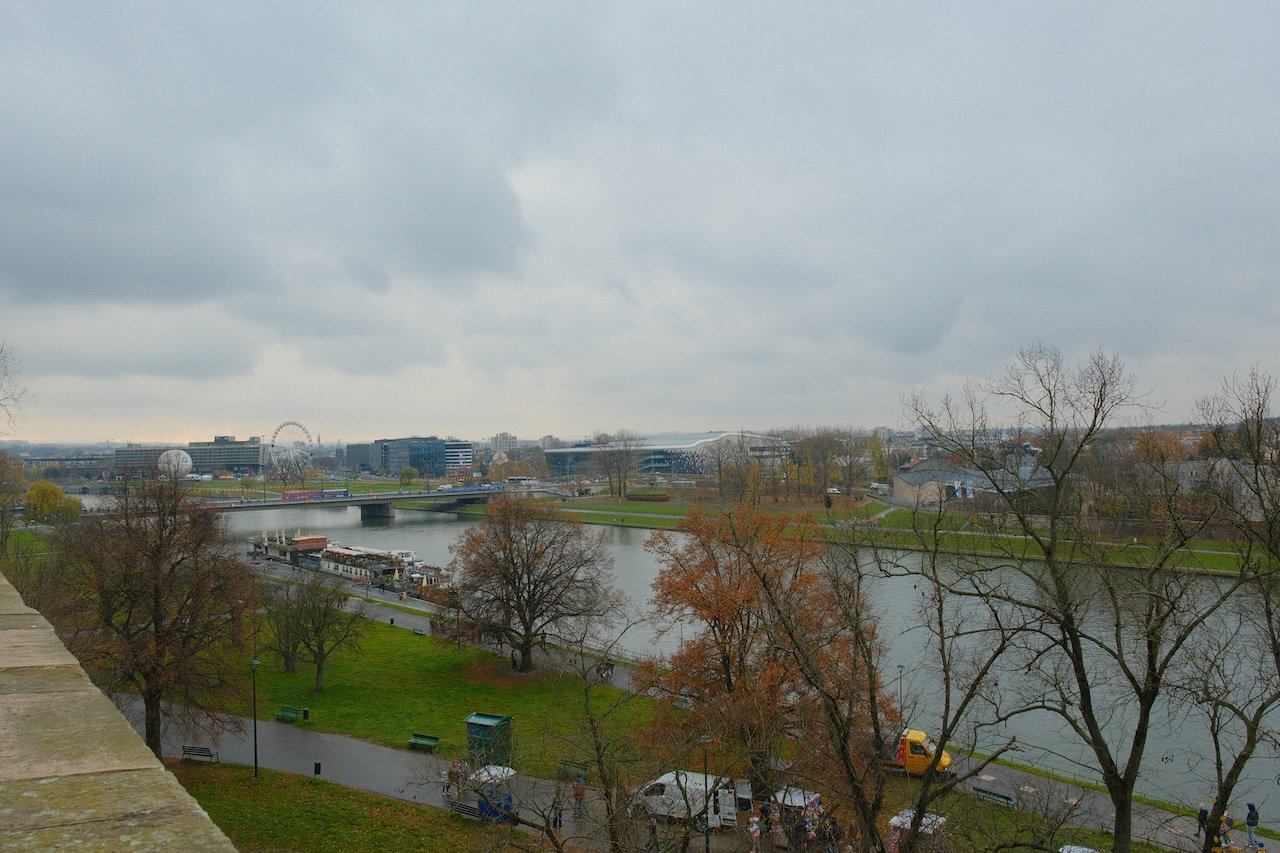
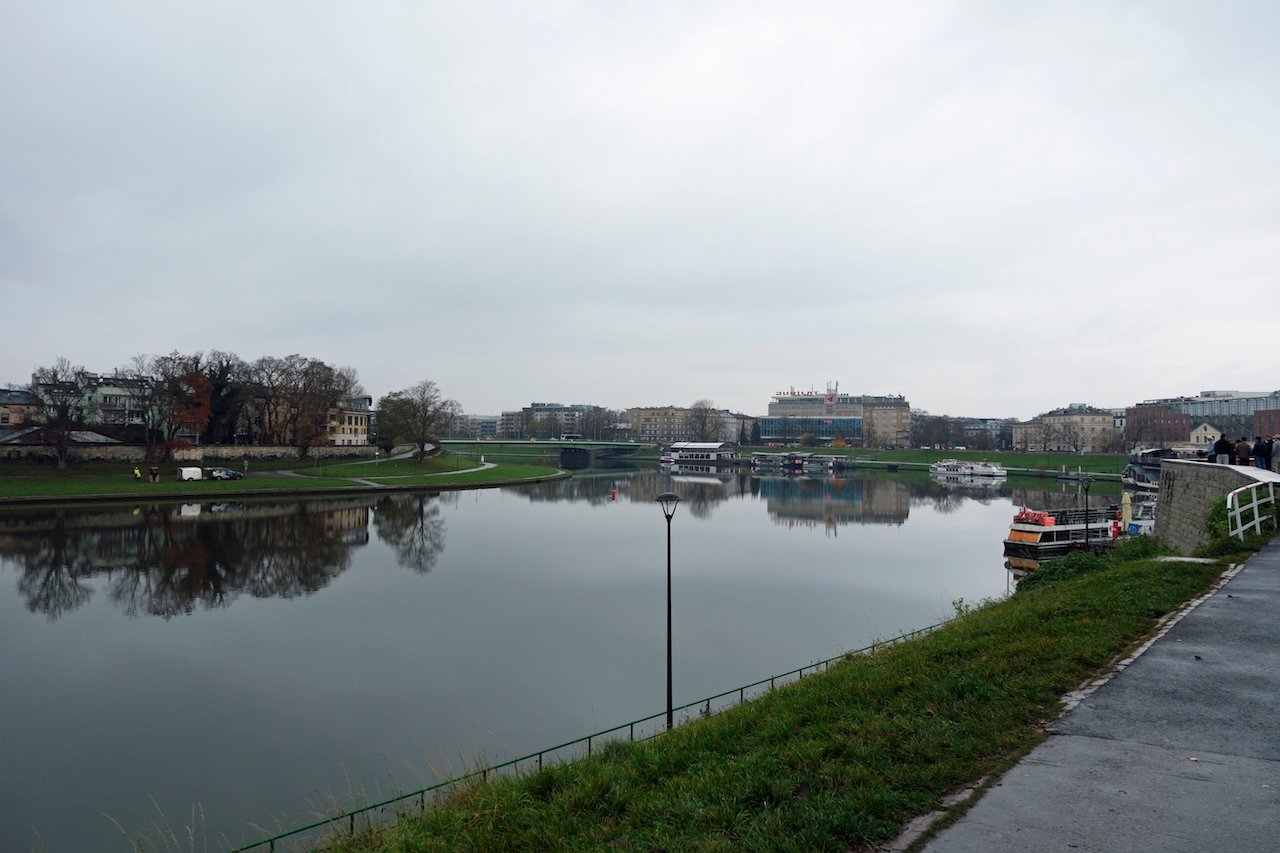
- Vistula River: The Vistula River has shaped Krakow’s development for centuries, serving as a vital trade route and natural boundary. Today, its riverbanks are popular for walking, cycling, and relaxing, with views of Wawel Castle.
Churches in Krakow & Other Significant Places of Worship
Krakow is home to some of the most historically and architecturally significant churches in Poland, reflecting the city's long-standing religious importance. As you plan your trip to Krakow, here is a curated listing of some of the most popular churches in Krakow and other places of worship, not already mentioned in the Top Things to Do in Krakow.
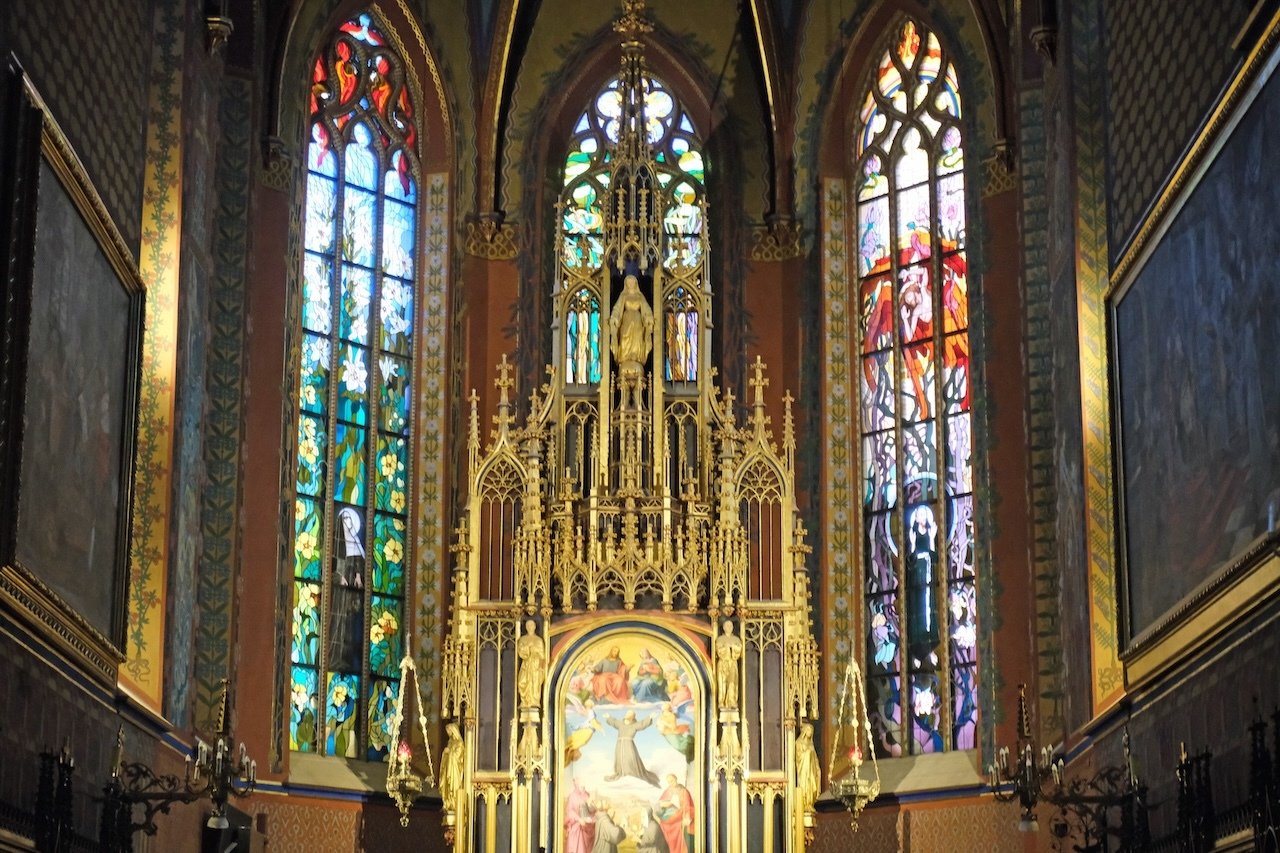
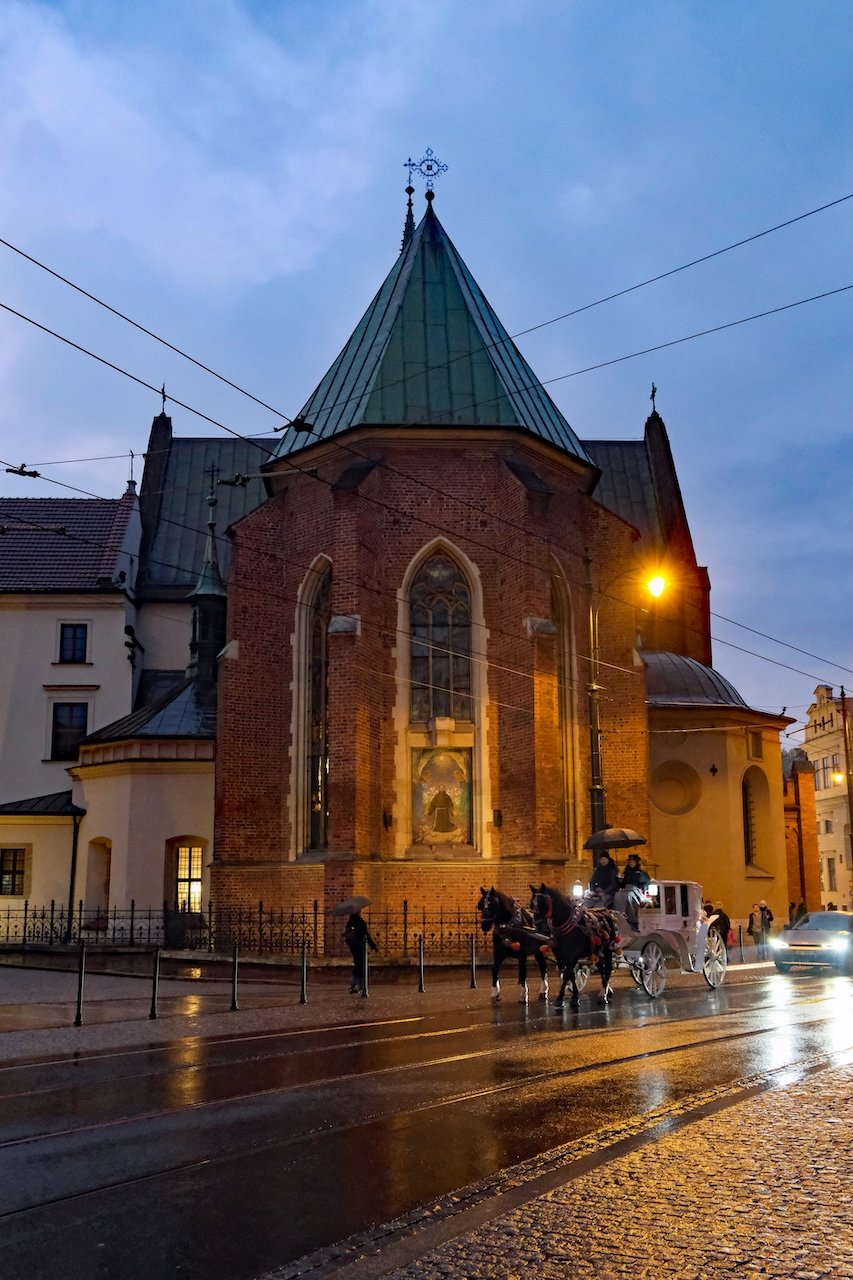
- Basilica of St. Francis of Assisi: ♡ The Basilica of St. Francis of Assisi is best known for its stunning Art Nouveau stained glass and murals, including vibrant designs by Polish artist Stanisław Wyspiański. Originally constructed in the 13th century, the church blends its medieval origins and Gothic architecture with later artistic additions. Its colorful interior offers a striking contrast to Krakow’s more traditional Gothic churches. Pope John Paul II was a frequent visitor to the Basilica of St. Francis of Assisi, where, as a cardinal, he came to pray, celebrate private Masses, and hear confessions.
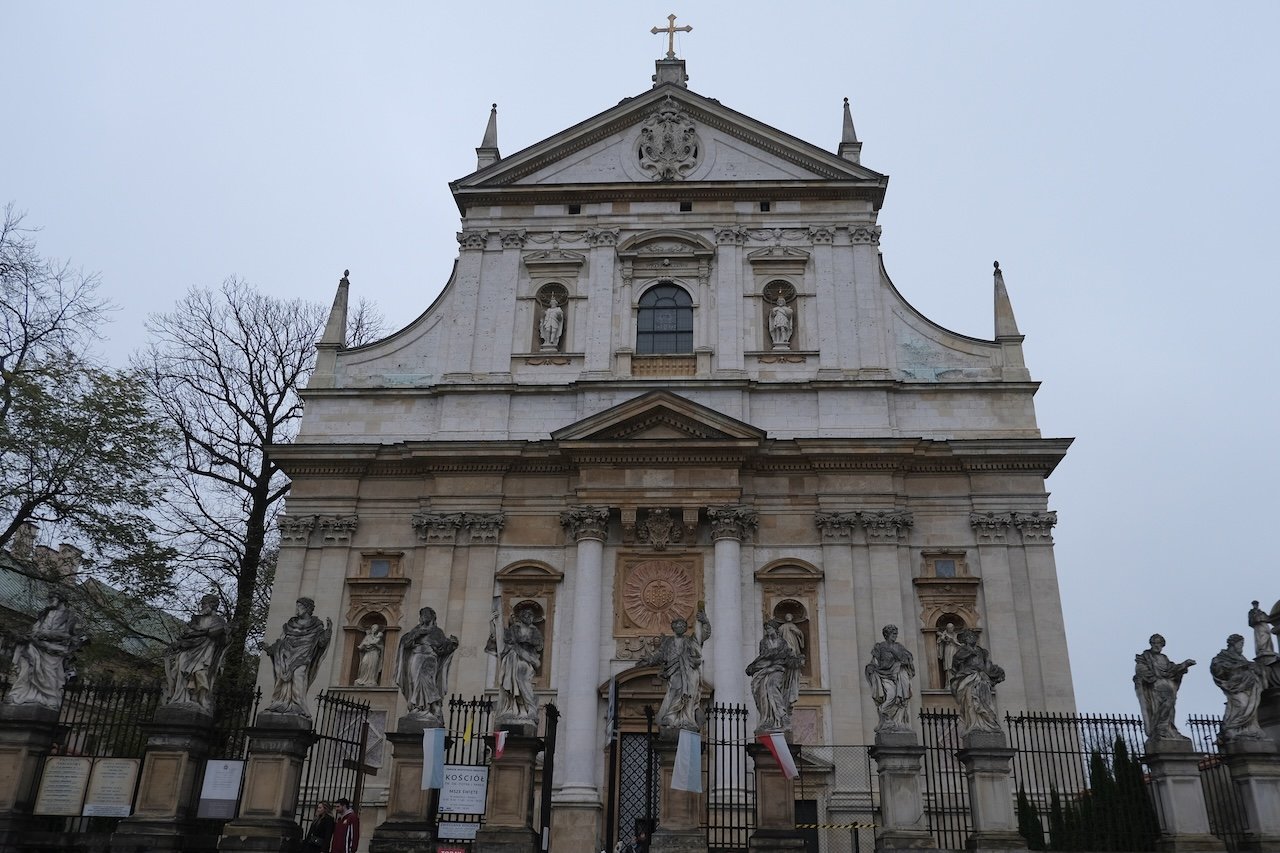
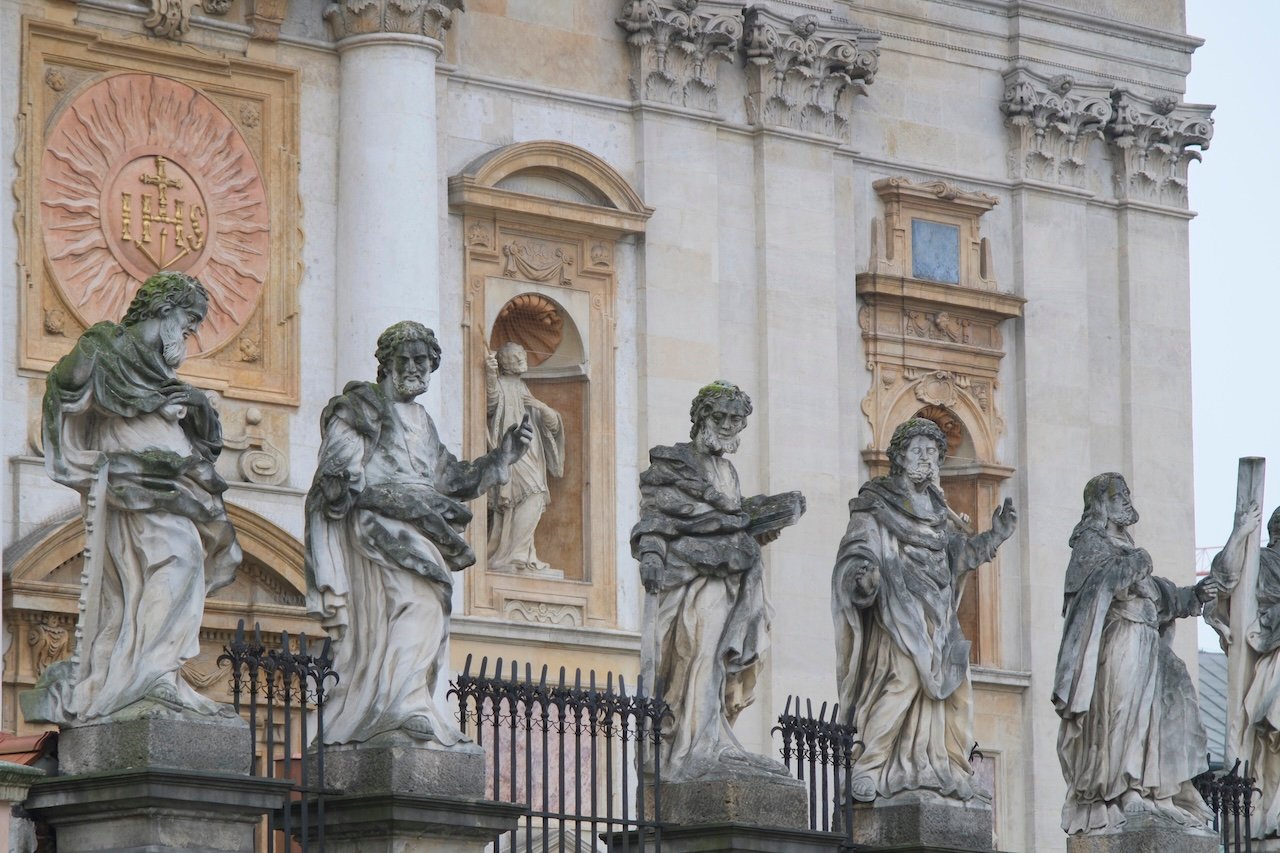
- Church of St. Peter & St. Paul: The Church of St. Peter & St. Paul is Krakow's most prominent Baroque church, instantly recognizable by the statues of apostles lining its front gate. Inside, the grand scale and acoustics make it a notable stop, especially for visitors interested in Baroque architecture. The church hosts classical music concerts daily at 8:00 PM. Concert tickets can be purchased at the door.
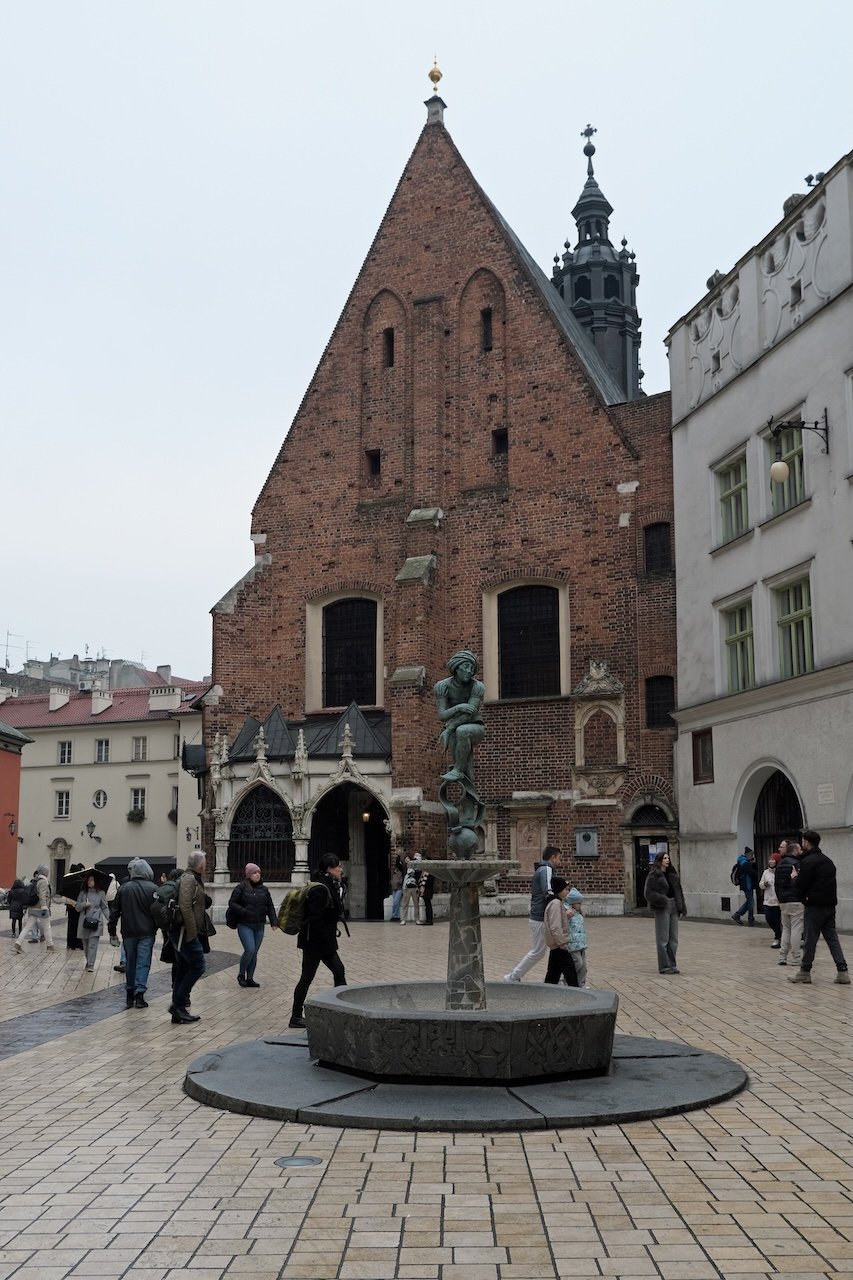
- Church of St. Barbara: Tucked behind St. Mary's Basilica, the Church of St. Barbara dates back to the 14th century and was historically a cemetery chapel. Its modest exterior contrasts with a beautiful, yet peaceful interior, making it an easy and worthwhile stop while exploring the Rynek Główny area.
- Church of St. Wojciech (Church of St. Adalbert): One of the oldest churches in Krakow, the Church of St. Wojciech sits directly on Rynek Główny and dates back to the 11th century. Its small size and location amidst the busy square make it easy to spot.
- Basilica of the Holy Trinity (Dominican Church): Also known as the Dominican Church, Holy Trinity Church is one of the largest Gothic churches in Krakow. Founded in the 13th century, it has long been an important center for religious life. It also houses a monastery, still in use today. Saint Hyacinth is buried in a chapel inside the basilica.
- Church of St. Bernardine of Siena: Located at the foot of Wawel Hill on Bernardynska Street, the Church of St. Bernardine of Siena is a Baroque church. It is often considered one of the most beautiful churches in Krakow and its elaborate nativity scene makes it a popular place to visit each Christmas season.
- Corpus Christi Basilica: Corpus Christi Basilica is one of the most important churches in the Kazimierz neighborhood. Built in the 14th century and founded by King Casimir III the Great, the basilica is known for its soaring Gothic interior and ornate Baroque altars. It offers a quieter, more contemplative experience away from the Old Town crowds.
- St. Andrew's Church: St. Andrew’s Church is one of Krakow’s best-preserved Romanesque buildings, dating back to the late 11th century. Designed to serve as both a church and a fortress, its thick walls and two octagonal towers once provided a safe refuge during the Mongol attack of 1241. The Baroque decoration that now fills the interior was added during renovation work in the early 18th century.
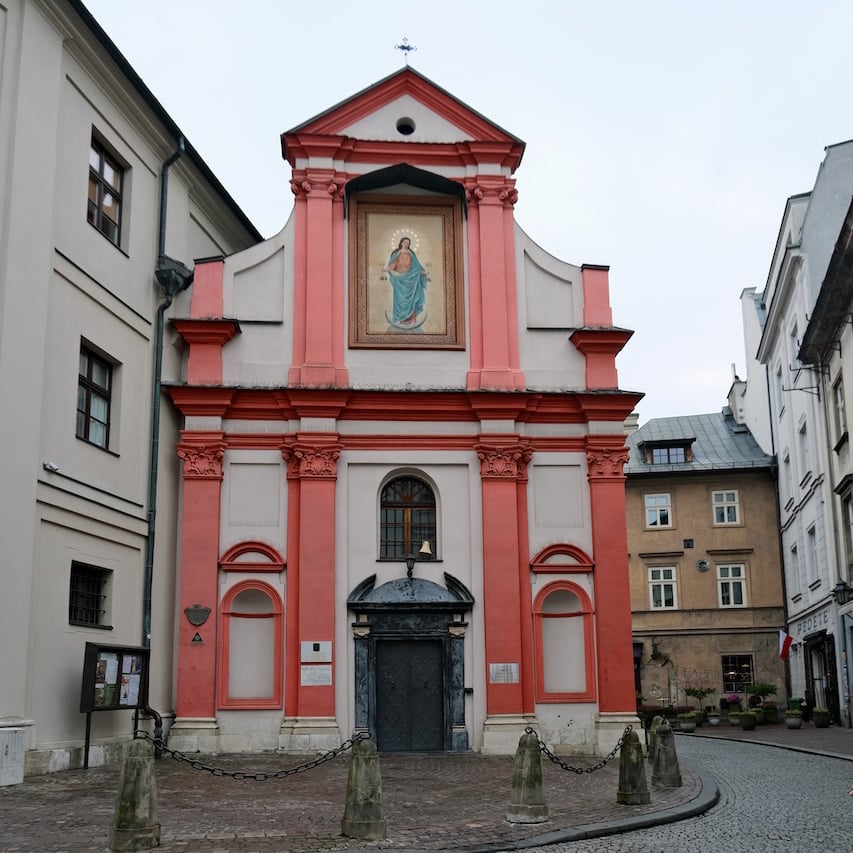
- Church of the Transfiguration: Often overlooked by visitors in the Old Town, steps from the Czartoryski Museum, the Church of the Transfiguration is associated with the Piarist order. The Piarists are a religious order of the Catholic Church dedicated to providing free education to poor children. The Baroque interior and calm atmosphere make it a worthwhile stop for travelers interested in exploring lesser-known religious sites in Krakow.
- Church of Saints John the Baptist & John the Evangelist (Presentation Sisters Church): This small church near the Main Market Square is one of Krakow’s oldest parish churches. Dating back to the 12th century, its late Baroque interior offers a beautiful, quiet refuge from the nearby Rynek Główny.
Visitor Notes for Churches in Krakow
Opening hours for these churches in Krakow are not always consistently published online, but most are open to visitors daily. Entry is typically free, though leaving a small donation is customary and appreciated. Keep in mind that these buildings are active places of worship and not museums. As such, visitors should dress modestly, speak softly, and be respectful while inside. If a mass or religious service is in progress, please pause your visit and return at a different time rather than continue sightseeing inside the church.
Synagogues in Krakow
While Krakow's pre-World War II Jewish population was substantially smaller than that of cities like Warsaw or Budapest, it was still vibrant and deeply rooted in the city's cultural life. Centered largely in the historic district of Kazimierz, Krakow's Jewish community contributed significantly to the city's intellectual, religious, and artistic traditions.
Today, only a small Jewish population remains in Krakow, but the legacy of that community is carefully preserved. Visiting the Jewish Quarter in Krakow is one of the most meaningful experiences in the city, offering insight into Krakow's layered history through its synagogues, memorials, and cultural institutions. A visit to one of the synagogues listed below is well worth including in any Krakow itinerary.
Please keep in mind that both Remuh Synagogue and Tempel Synagogue are closed to the public on Saturdays and Jewish holidays.
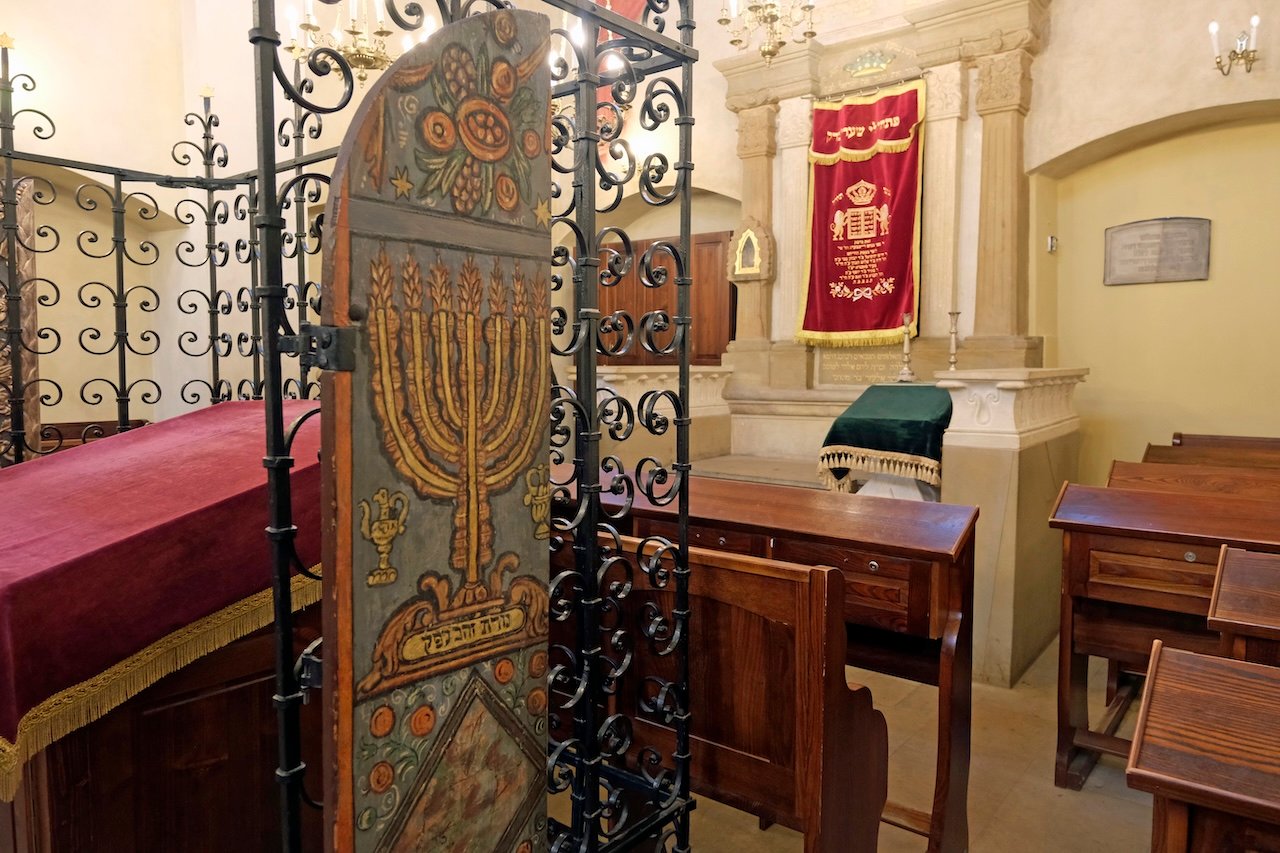
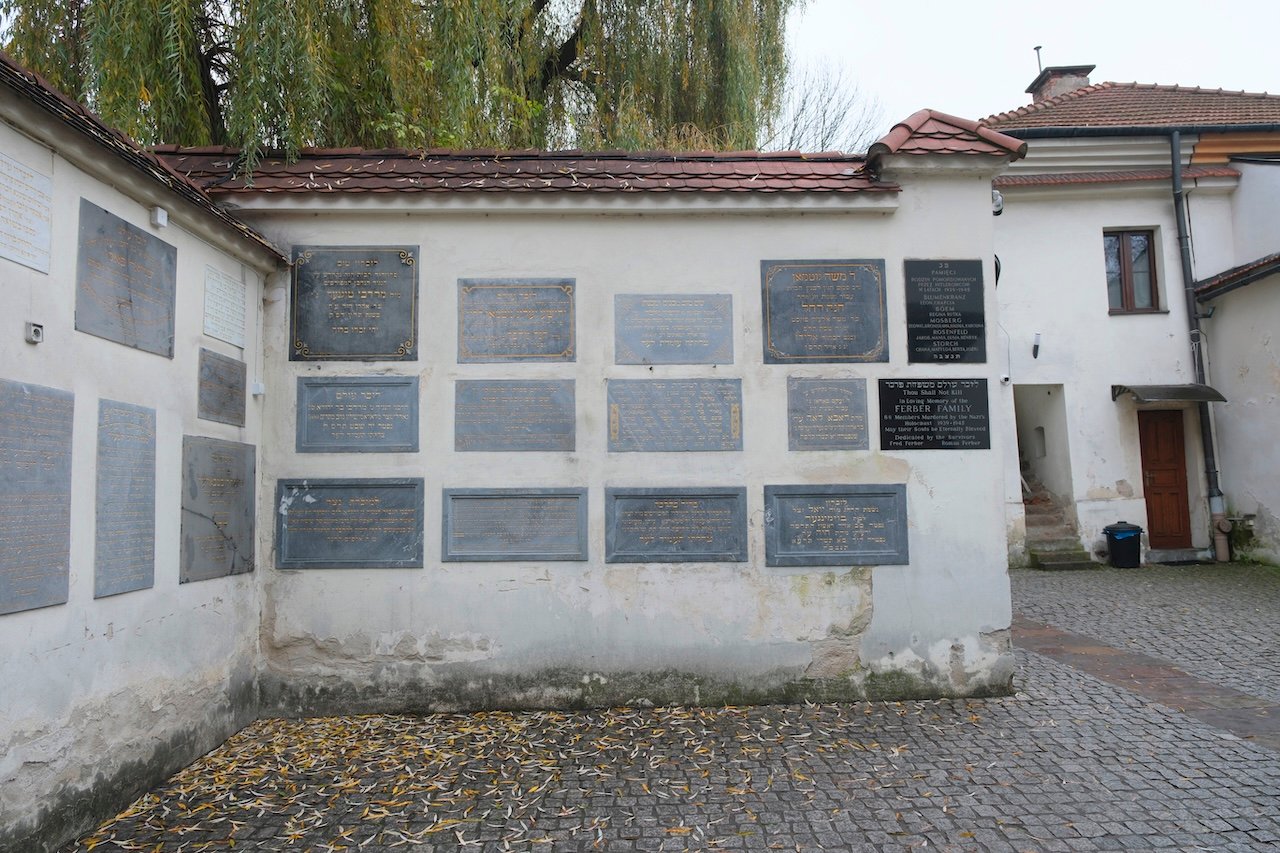
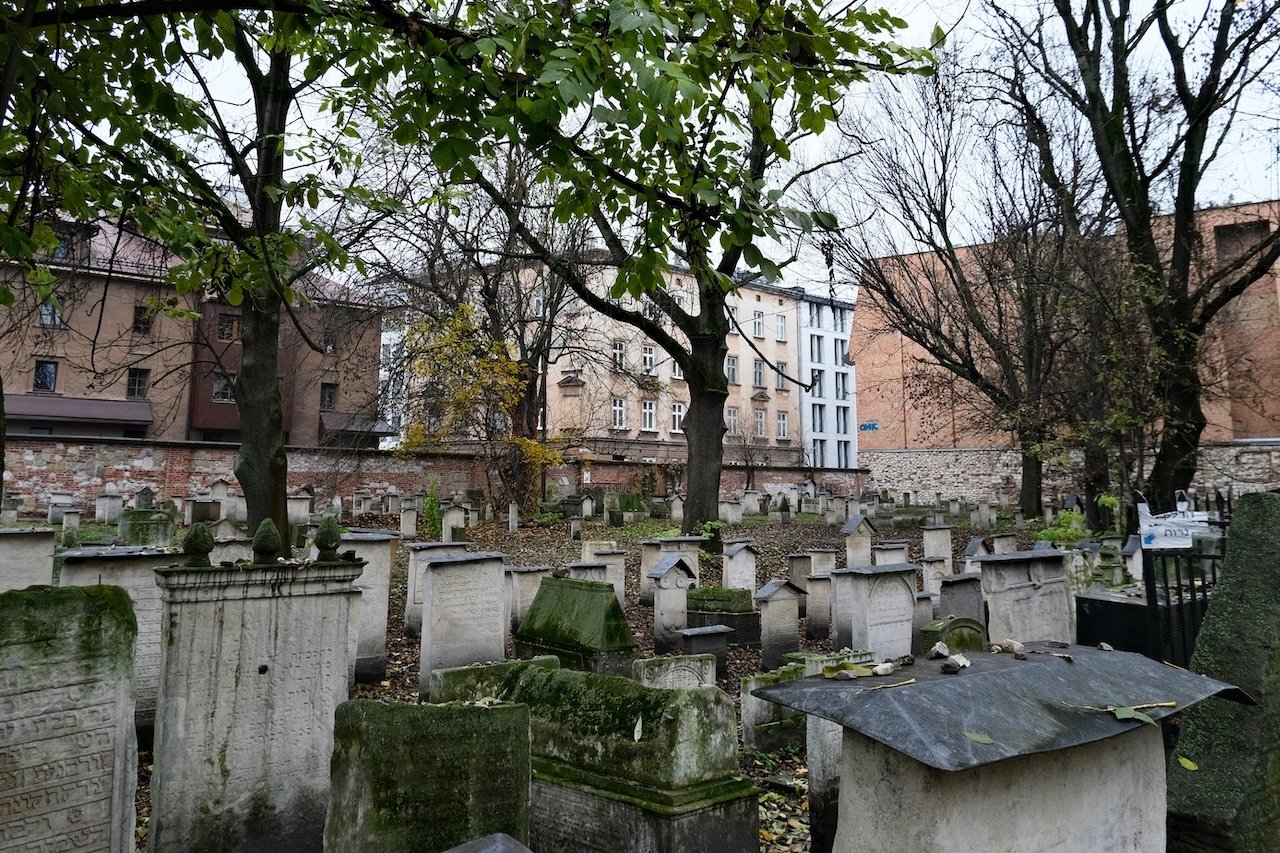
- Remuh Synagogue & Cemetery: ♡ The Remuh Synagogue is one of the most historically significant Jewish sites in Krakow and one of the few synagogues still used for daily religious services today. Built in the 16th century, it is closely associated with Rabbi Moses Isserles (known as the Remuh), a leading Jewish scholar whose teachings shaped Ashkenazi Jewish law. Behind the synagogue, the Remuh Cemetery is one of the oldest Jewish cemeteries in Poland, which dates back to the mid‑16th century. Admission is paid in cash at the entrance, with payment accepted in Polish zloty or euros. As this is an active place of worship, men are required to wear a yarmulke (kippah) while inside—head coverings are typically available to borrow, if needed.
- Tempel Synagogue: Built in the 19th century, Tempel Synagogue reflects the Reform Jewish movement that once played an important role in Krakow’s Jewish community. Designed in the Moorish Revival style, the synagogue features an ornate interior with decorative arches, vibrant colors, and stained glass that set it apart architecturally from older synagogues in Kazimierz. During World War II, the synagogue was desecrated by the German Nazis and used as an ammunition storage facility, causing significant damage to the building. After the war, Tempel Synagogue was restored and returned to religious use. Today, it remains active, though formal prayers are held only a few times a year, and it also serves as a cultural venue for concerts and events celebrating Jewish heritage. Tempel Synagogue admission is by donation, which you can make in cash at the entrance.
- Old Synagogue (Stara Synagoga): The Old Synagogue, or Stara Synagoga, is the oldest surviving synagogue building in Poland and one of the most important Jewish landmarks in Krakow. Dating back to the 15th century, it once served as the religious, social, and administrative center of Jewish life in Kazimierz. Now operating as a museum, the building offers valuable historical context through exhibitions that explore Jewish traditions, daily life, and the long history of the Jewish community in Krakow. Admission to the Old Synagogue is free on Mondays.
For more information about these synagogues in Krakow, please visit the Jewish Religious Community in Krakow website.
Krakow Travel Guide Quick Links
Best Museums in Krakow
As you plan your visit, here are more of the best museums in Krakow, not already mentioned in the Top Things to Do in Krakow. As always, we recommend double-checking the opening hours for any museum(s) that you wish to explore during your time in Krakow before your visit.
History Museums in Krakow
- Seweryn Udziela Ethnographic Museum: Housed in the former Town Hall building in Kazimierz, the Ethnographic Museum explores traditional Polish life through folk art, costumes, household objects, and regional crafts. The collection offers insight into rural customs, religious traditions, and everyday life across Poland. It is a quiet, thoughtful museum that provides valuable context for Poland's social history beyond royal and wartime narratives.
- Rynek Underground Museum: Located beneath Krakow's Main Market Square, Rynek Główny, the Rynek Underground Museum reveals the city's medieval past through archaeological discoveries uncovered during excavations. Visitors can walk along original streets, foundations, and trade routes while interactive displays explain how Krakow functioned as a major commercial center in the Middle Ages. Admission to the museum is free on Tuesdays.
- Archaeological Museum: The Archaeological Museum in Krakow offers a broad look at human history, with collections that extend well beyond Poland. Its permanent exhibitions include artifacts from ancient Egypt and Peru, alongside medieval objects excavated in Krakow and the surrounding region. Particularly notable is the museum's collection of Palaeolithic artifacts discovered in Poland, which sheds light on some of the earliest humans inhabiting the area. The museum operates three branches across Krakow, including the Church of St. Wojciech.
- Home Army Museum: The Home Army Museum is dedicated to Poland's underground resistance movement during World War II. Through documents, photographs, personal accounts, and artifacts, the museum explains the role of the clandestine Home Army (Armia Krajowa) in opposing Nazi occupation.
- Eagle Pharmacy: Located on Ghetto Heroes Square, the Eagle Pharmacy was the only pharmacy permitted to operate inside the Krakow Ghetto during World War II. Run by Tadeusz Pankiewicz, a Catholic pharmacist who aided Jewish residents at great personal risk, the site now functions as a small museum as part of the Historical Museum of Krakow, documenting daily life in the ghetto.
- Pomorska Street: The Pomorska Street Museum is housed inside the former Gestapo headquarters and prison used during the Nazi, and later Soviet-imposed communist rule of Krakow. Through preserved cells, documents, and testimonies, the museum examines the repression and experiences of political prisoners between 1939 and 1956. A visit is sobering but essential for understanding the realities of occupation and resistance in totalitarian Krakow. Admission to the Pomorska Street Museum is free on Wednesdays.
Art Museums in Krakow
- MNK The Sukiennice - Museum Gallery of 19th Century Polish Art: Located on the upper floor of the Cloth Hall in Rynek Główny, the Gallery of 19th-Century Polish Art showcases some of Poland’s most important national paintings and sculptures. The collection focuses on Romanticism, Realism, and historical themes tied to Polish identity during a period when the country was partitioned and absent from the map of Europe. It is an excellent introduction to Polish art and history in a compact, centrally located setting. Admission to the permanent collection is free on Tuesdays.
- MOCAK Museum of Contemporary Art in Krakow: MOCAK is Krakow’s leading contemporary art museum, housed on the site of a former production facility part of (and next to) Oskar Schindler’s Enamel Factory. Its exhibitions focus on art from the second half of the 20th century to the present, with an emphasis on socially engaged works, identity, and political themes. The museum offers a sharp contrast to Krakow’s historic core and is ideal for travelers interested in modern and thought-provoking art. Admission to the permanent collection is free on Thursdays.
- muWi Stained Glass Museum: The muWi Stained Glass Museum offers a behind-the-scenes look at one of Krakow’s most distinctive art forms. Located in an active stained glass workshop dating back to 1902, the museum highlights the city’s stained glass tradition. Visitors can see both historic pieces and contemporary creations, making this a unique blend of museum-meets-working studio. Visits to the museum are by guided tour only. Stained glass workshops are also regularly held at the museum in both English and Polish. Guided tours and workshops can be booked on the muWi Stained Glass Museum website.
- MNK The Ciołek - The Bishop Erazm Ciołek Palace: The Bishop Erazm Ciołek Palace is a Renaissance-era residence that now houses a branch of the National Museum of Krakow. Its exhibitions focus on Old Polish art, including medieval sculpture, religious painting, and decorative arts. Admission to the permanent collection is free on Tuesdays.
- National Museum of Krakow (MNK The Main Building): MNK The Main Building is the flagship branch of the National Museum of Krakow. Permanent galleries include the Gallery of Decorative Arts, featuring textiles, glass, furniture, metalwork, and Judaica dating from the early Middle Ages to Art Nouveau; the European Art Gallery, displaying European paintings and sculpture from the 13th to 20th centuries; and the 20th & 21st Century Polish Art Gallery, which presents modern and contemporary works that trace key artistic movements through the ages. Admission to the permanent collection is free on Tuesdays.
Other Museums in Krakow
- Polish Aviation Museum: The Polish Aviation Museum is home to one of Europe's largest aircraft collections. The museum displays more than 200 aircraft, ranging from early aviation pioneers to World War I and World War II planes, and Cold War-era jets. With a mix of indoor hangars and outdoor exhibits, it offers an impressive overview of the history of aircraft and is especially engaging for those traveling to Krakow with children.
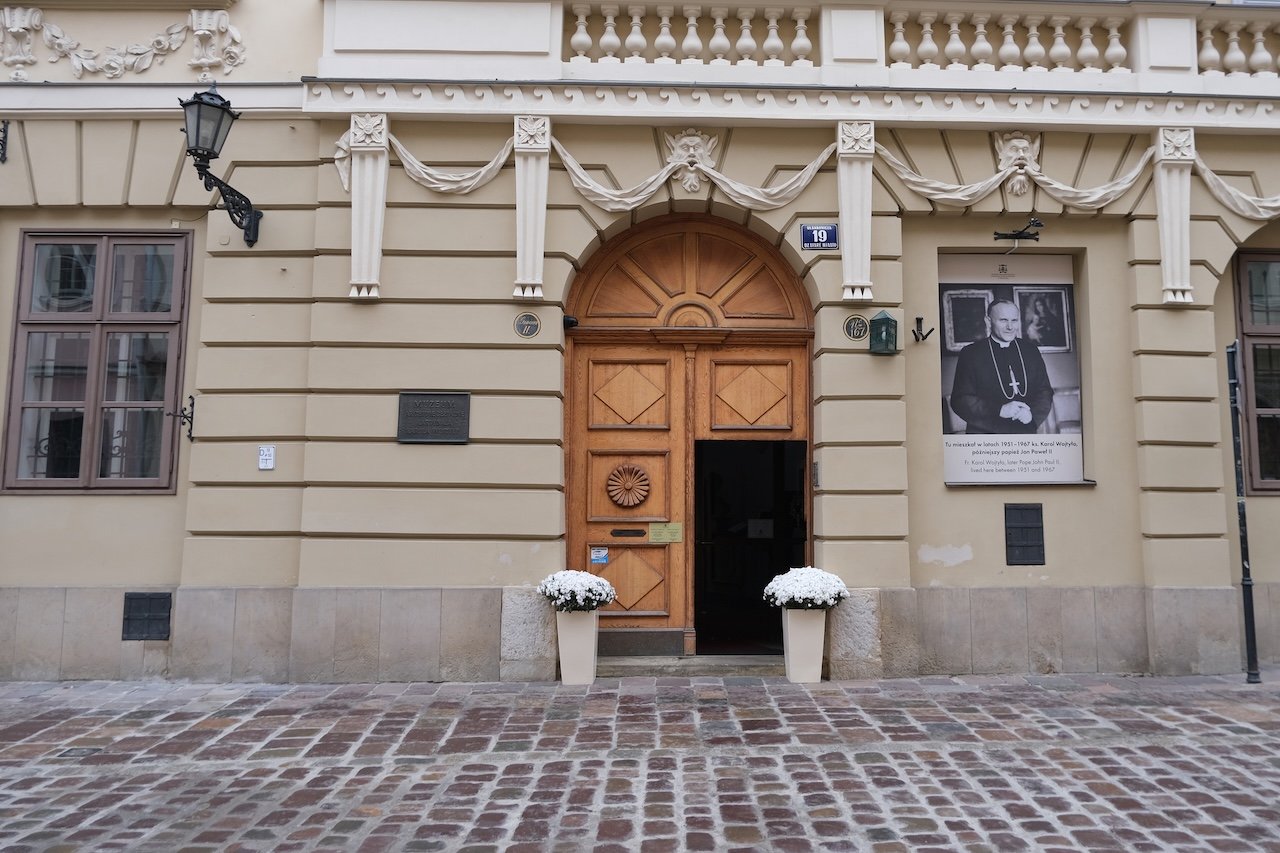
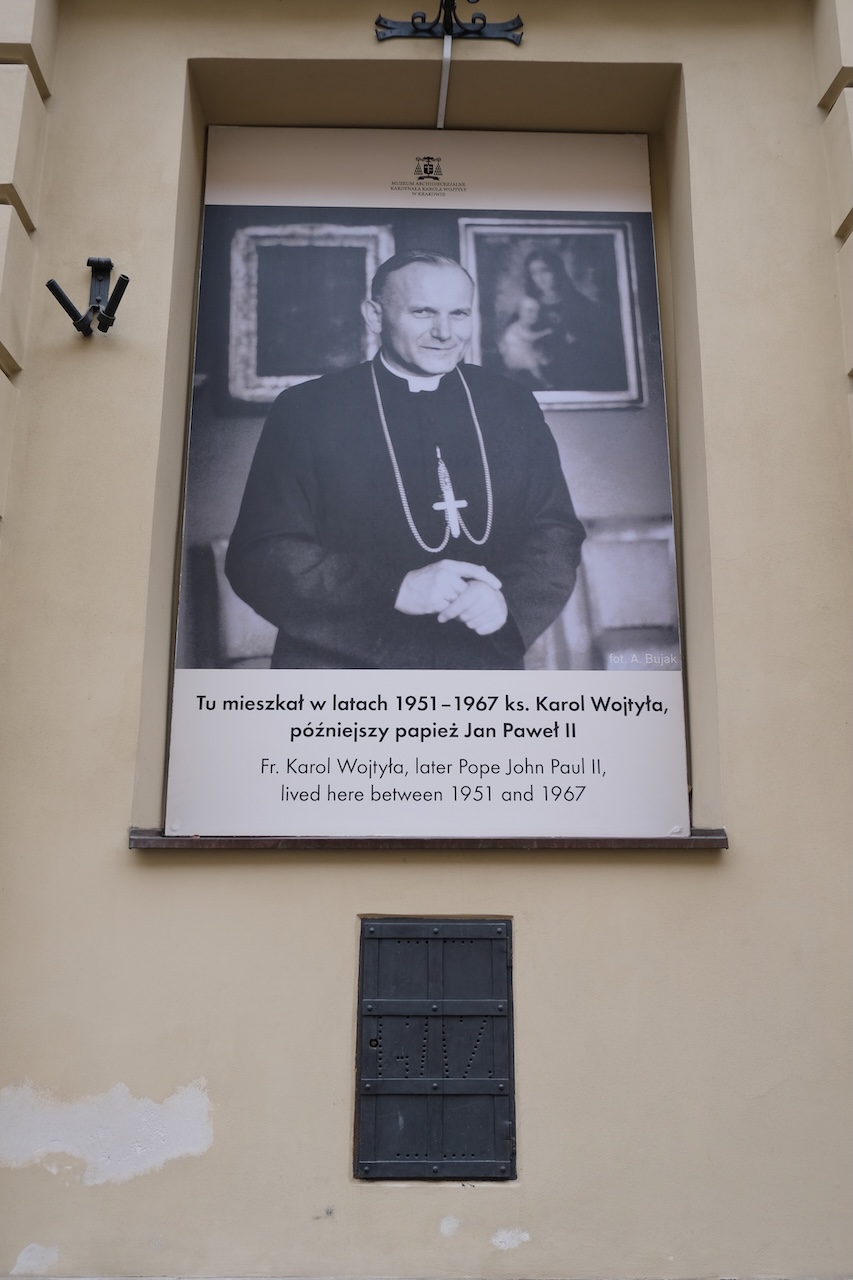
- Archdiocesan Museum: The Archdiocesan Museum of Krakow focuses on religious art and sacred objects connected to the city’s long Catholic history, independent of the Wawel Cathedral complex. Its collection includes medieval sculpture, Gothic and Baroque painting, liturgical objects, and devotional works that illustrate the role of the Church in shaping Krakow’s cultural life. The museum is also closely associated with Pope John Paul II, who lived in the building during his time as the Archbishop of Krakow, adding an additional layer of historical significance.
World War II Museums & Memorial Sites Near Krakow
While Krakow is home to several excellent museums covering Polish history and culture, many visitors also use the city as a base to visit important World War II memorial sites nearby, including the Auschwitz-Birkenau Memorial & Museum and the Plaszow Memorial Museum.
These sites represent a difficult and dark chapter in history. As such, they can be emotionally overwhelming for many visitors, including adults and families with children. Visiting is a deeply personal choice, and there is no shame in deciding not to include them in your Krakow itinerary.
Auschwitz-Birkenau Memorial & Museum
The Auschwitz-Birkenau Memorial & Museum, located 43 miles (70 kilometers) west of Krakow, is the largest former Nazi concentration and extermination camp. Today, it serves as a place of education, remembrance, and reflection.
Most visitors experience the Auschwitz-Birkenau Memorial & Museum as a day trip from Krakow, either independently using public transportation or as part of a guided tour that includes transportation from Krakow. Entry is free, but advance reservations are required. For more information and to make a reservation, head to the Visit Auschwitz website.
If you are an educator or are planning a visit to the Auschwitz-Birkenau Memorial & Museum with school-aged children, there are resources available to help you prepare in advance. MrShuttle, a Krakow-based tour operator, has created a free Auschwitz-Birkenau preparation resource with historical context, practical visitor information, and discussion prompts designed specifically with educators and students in mind.
Plaszow Concentration Camp
Closer to the city center, the Plaszow Labor and Concentration Camp (known today as the KL Plaszow Memorial Museum) is located about 3 miles (5 kilometers) south of Krakow's Old Town, in what is now a quiet residential area. Unlike Auschwitz-Birkenau, Plaszow today is largely preserved as an open greenspace, with few remaining structures or formal exhibits, providing a reflective place to understand this dark period of history.
Admission to the site is free and tickets are not required. Visiting Plaszow is typically self-guided, although guided walking tours are available. For more information, please visit the KL Plaszow Memorial Museum website.
Best Places to Eat in Krakow
We believe that one of the best ways to experience a new city is through its food, and Krakow is no exception. While the city may not be top of mind when people think of Europe's great food destinations, Krakow's food scene is surprisingly diverse, affordable, and deeply rooted in tradition. From classic Polish dishes to modern takes on regional cuisine, incredible food can be found throughout the city.
Must-Try Specialities in Krakow
Wondering what to eat in Krakow? No trip to Krakow would be complete without tasting at least one of the city's specialities, including:
-
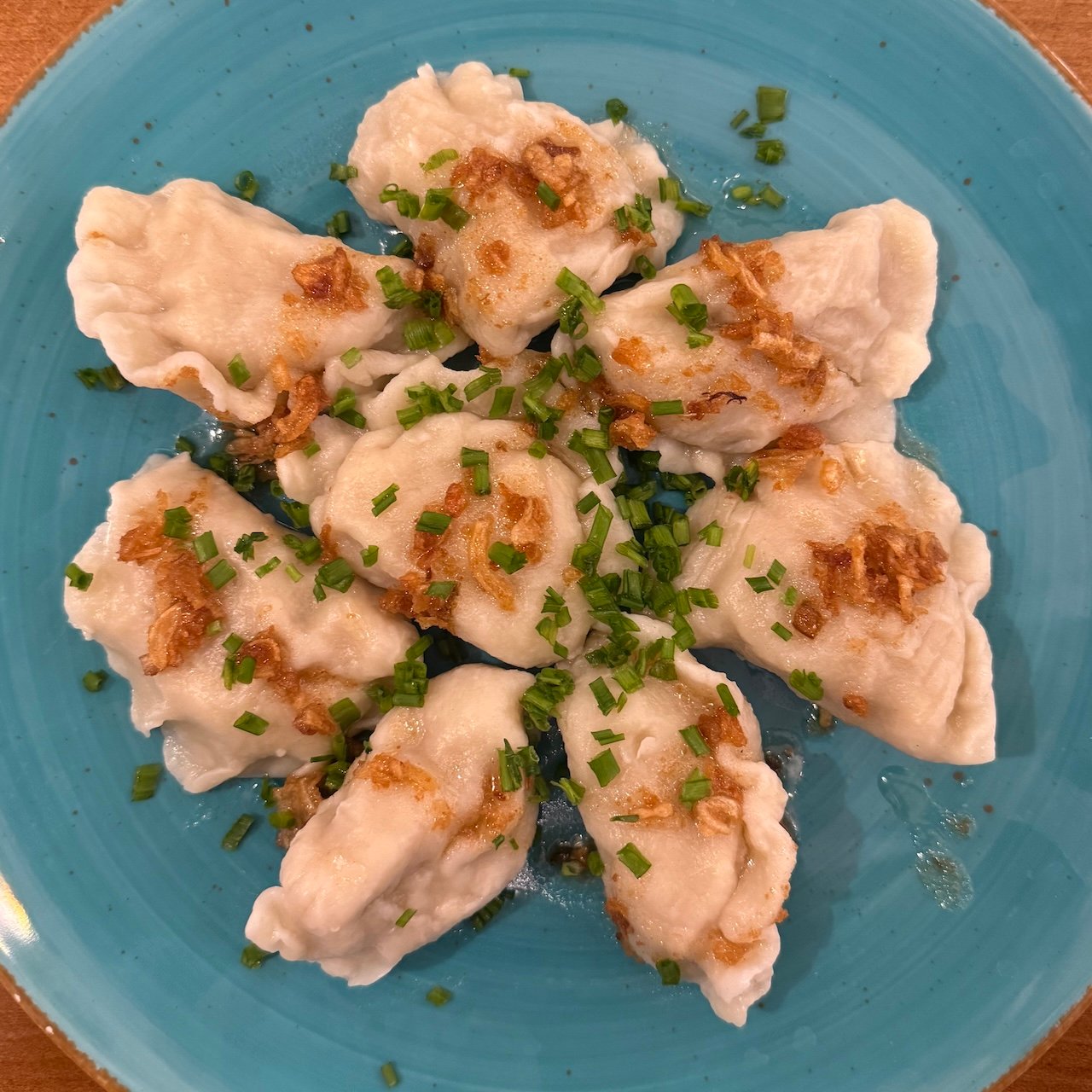
Pierogi: Poland's most famous comfort food, these dumplings are traditionally filled with potato and cheese (pierogi ruskie), meat, or sauerkraut, and served boiled or lightly pan-fried.
-
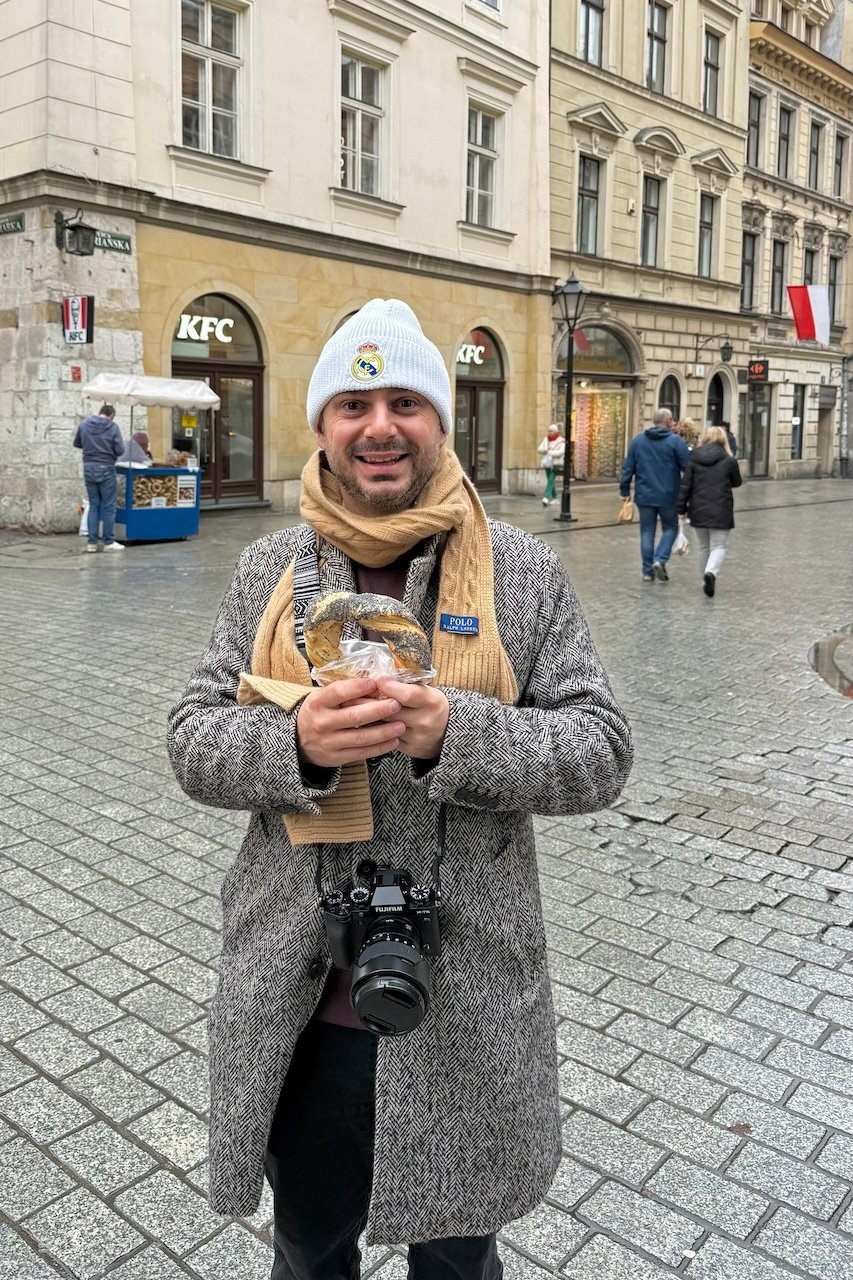
Obwarzanek Krakowski: A beloved Krakow street snack, this bagel-like bread ring is boiled and baked, then topped with sesame seeds, poppy seeds, or salt.
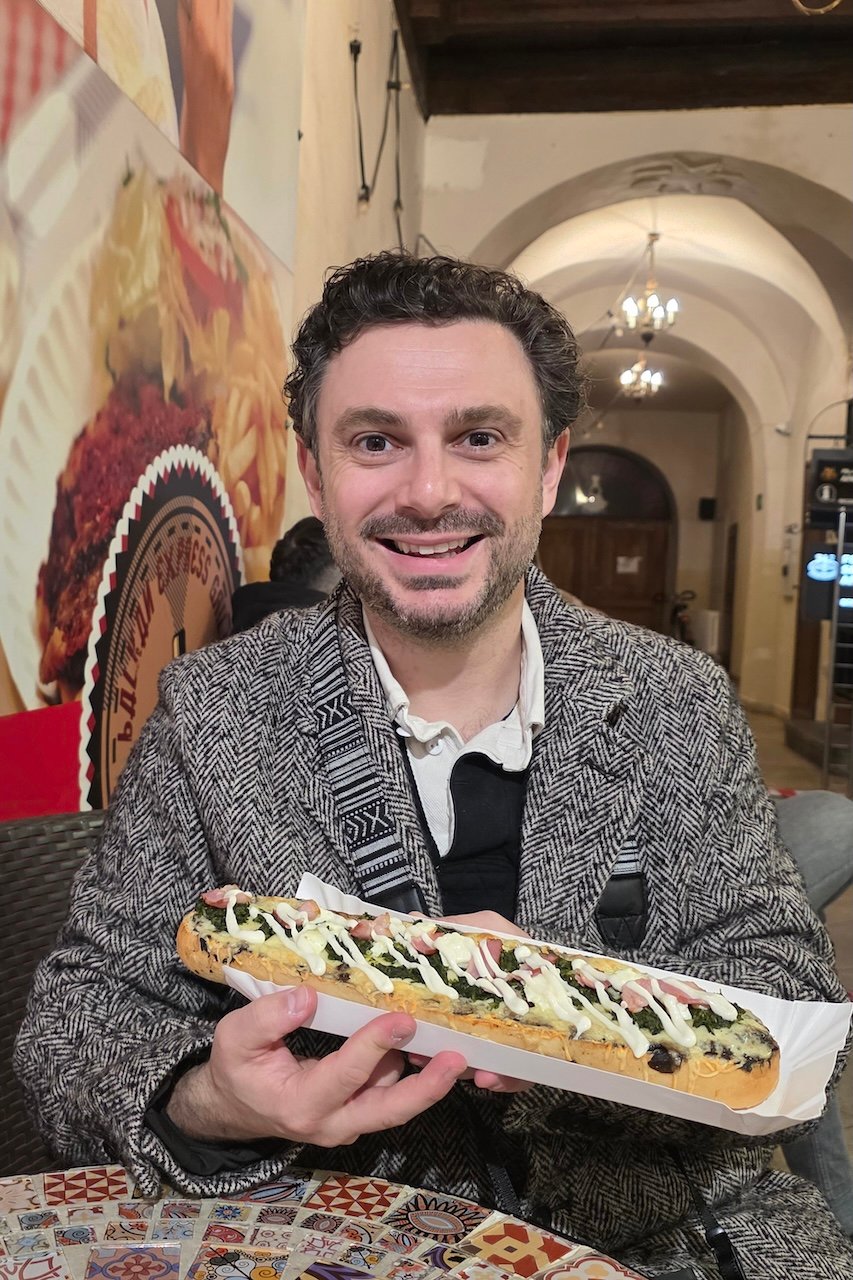
- Zapiekanka: Often described as Polish street food pizza, zapiekanka is a toasted baguette topped with mushrooms, cheese, and a variety of other savory additions.
- Kielbasa: Polish sausage comes in many varieties and is commonly grilled and served with mustard.
- Oscypek: A smoked sheep's milk cheese from the Tatra Mountains, oscypek is often grilled and served with cranberry sauce.
- Bigos: Known as hunter's stew, bigos is a hearty mix of sauerkraut, fresh cabbage, meats, and spices, slow-cooked for a rich flavor.
- Pączki: These Polish doughnuts are deep-fried and filled with jam or custard. Traditional fillings include plum jam, poppy seed (our favorite!), or rose hip jam.
- Placki Ziemniaczane (Potato Pancakes): Crispy potato pancakes, similar to latkes but made with flour instead of matzo meal, and served with sour cream or goulash.
- Gulasz (Goulash): A hearty meat stew often served with bread or potato pancakes.
- Vodka: Poland is one of the world's leading vodka producers, and tasting locally made vodka, often flavored with fruit, is a must-try experience in Krakow!
Krakow Restaurants
Dining in Krakow is far more diverse than many travelers expect, offering everything from traditional Polish cuisine to modern restaurants with international influences. While the city's food scene is underrated, many of Krakow's best restaurants deliver excellent quality at surprisingly approachable prices. The restaurants below are places we have personally eaten at and would confidently recommend as part of any Krakow itinerary.
- Kluska na Placu (plac Szczepański 7): Kluska na Placu is a great introduction to authentic Polish cuisine and food from the surrounding region, with a menu focused on traditional dishes. It is the kind of place that feels local rather than touristy, making it a solid choice for a relaxed lunch or dinner in the Old Town.
- Milkbar Tomasza (Św. Tomasza 24): Milkbar Tomasza is one of Krakow's most popular spots for breakfast and brunch, known especially for their traditional Polish pancakes (naleśniki), which genuinely live up to the hype. The food is affordable, filling, and deeply satisfying, but be prepared to wait. Lines here are common, especially on weekends.
- Gossip Cafe (Świętego Jana 30): Gossip Cafe is another excellent option for breakfast or brunch, not far from the Czartoryski Museum. Gossip Cafe offers large portions, good coffee, and a cozy atmosphere.
- Goscinna Chata Restaurant (Sławkowska 10): Goscinna Chata is a classic choice for traditional Polish cuisine, served in a rustic, folksy setting. It is especially well known for its pierogi, which are generously portioned and packed with flavor.
- Filthy Burgers (Bracka 6): Filthy Burgers is a popular smash-style burger joint in Krakow's Old Town, perfect for when you are in the mood for something casual and familiar. The burgers are indulgent and delicious, making it a great option after a long day of sightseeing.
If you are looking for even more restaurant recommendations in Krakow, be sure to check out the links below.
Bars & Nightlife in Krakow
Krakow's nightlife is energetic and approachable, with a wide range of bars, pubs, and clubs throughout the Old Town and Kazimierz. The legal drinking age in Poland is 18, and whether you are after an innovative cocktail, a beer, or a vibrant late-night scene, the city has something for everyone. Here are our top picks for bars in Krakow that are perfect for enjoying a drink:
- Rumour Cocktail Bar (Pijarska 9): Rumour Cocktail Bar is a refined cocktail bar in the Old Town, known for innovative cocktails and a relaxed, intimate atmosphere.
- Mercy Brown (Floriana Straszewskiego 28): Mercy Brown is a moody, speakeasy-style cocktail bar with inventive drinks. Mercy Brown also regularly offers live music. Reservations can be made online via the Mercy Brown website.
- TAG (Podwale 7): TAG is a stylish cocktail bar focused on high-quality ingredients and thoughtful presentation. The sleek interior and expertly mixed drinks make it a solid option for cocktail enthusiasts.
- Trzcina Cocktail Bar (Beera Meiselsa 22): Located in Kazimierz, Trzcina Cocktail Bar offers a cozy setting with a creative cocktail menu. It is a great stop while exploring the neighborhood’s nightlife and pairs well with a relaxed evening out.
- BaniaLuka (Multiple Locations): BaniaLuka is a lively, no-frills bar popular for its late hours, casual vibe, and very affordable drinks. It is a fun, energetic spot if you are looking for something informal in the heart of the Old Town. We spent an evening at their location at Floriańska 3, a short walk to St. Mary's Basilica.
-
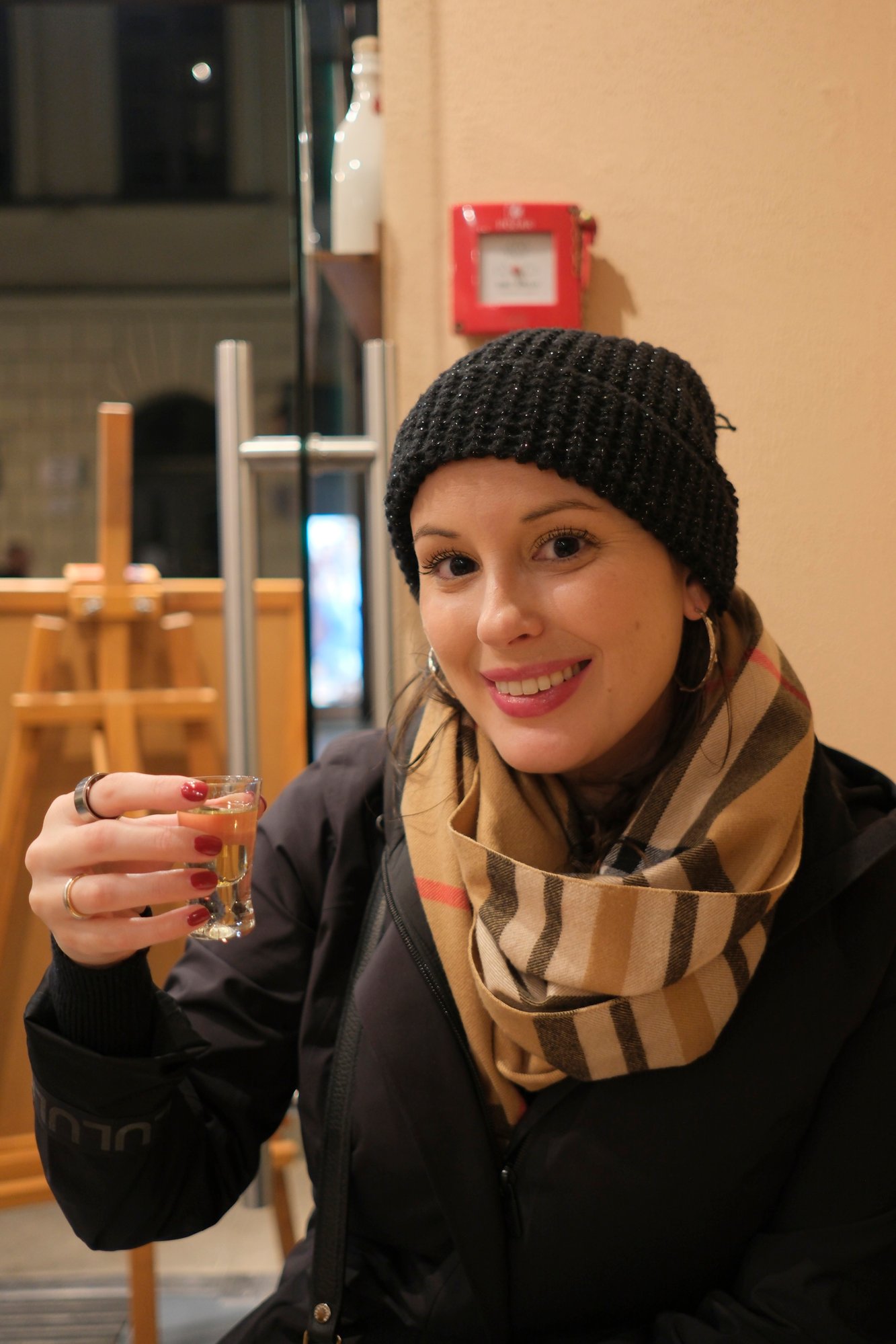
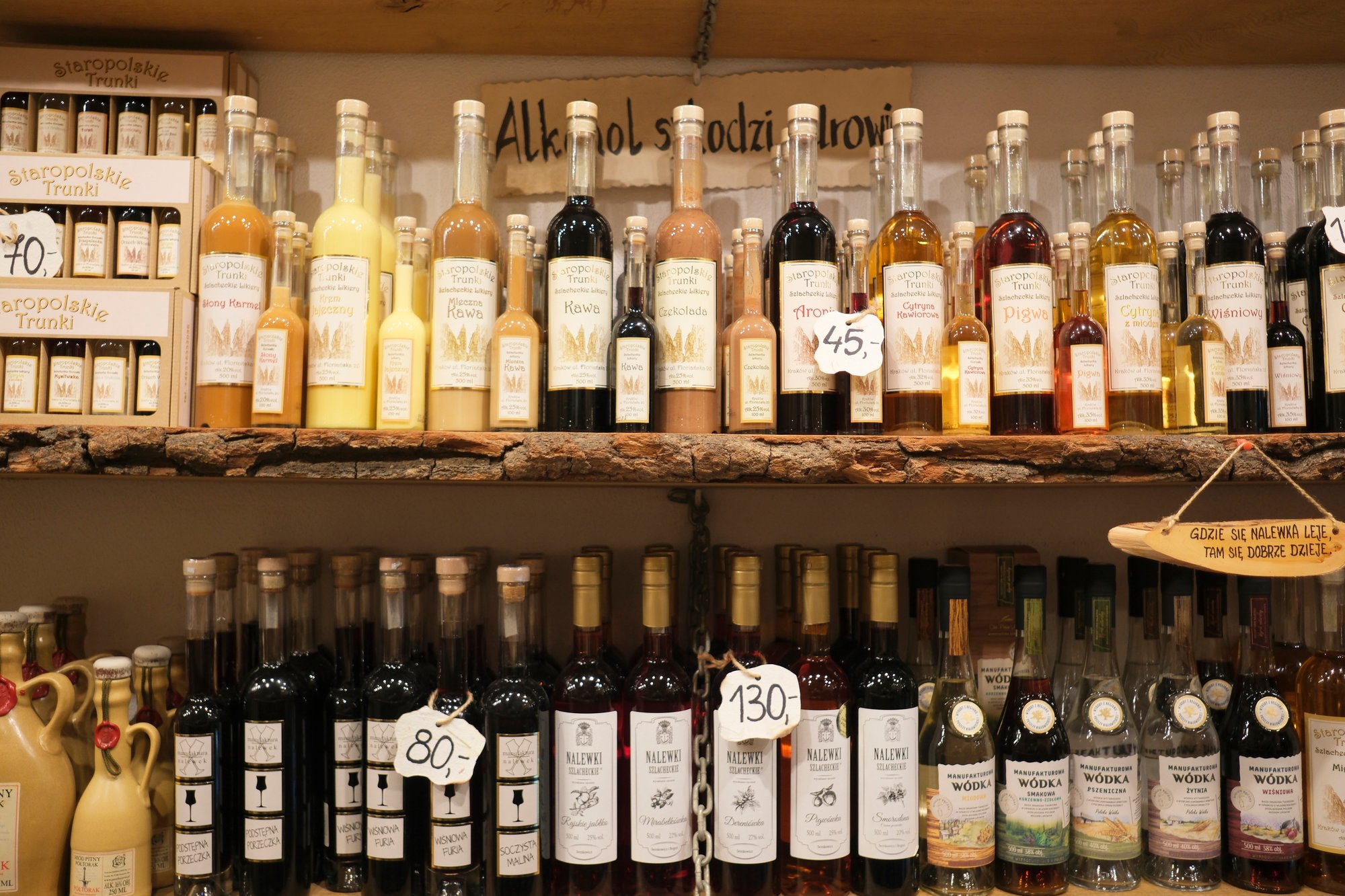
Staropolskie Trunki (Floriańska 20): Staropolskie Trunki specializes in traditional Polish vodkas and liqueurs, offering a chance to sample classic flavors in a historic setting. It is a great place to try local spirits and learn more about Poland’s vodka culture.
Food Tours & Cooking Classes in Krakow
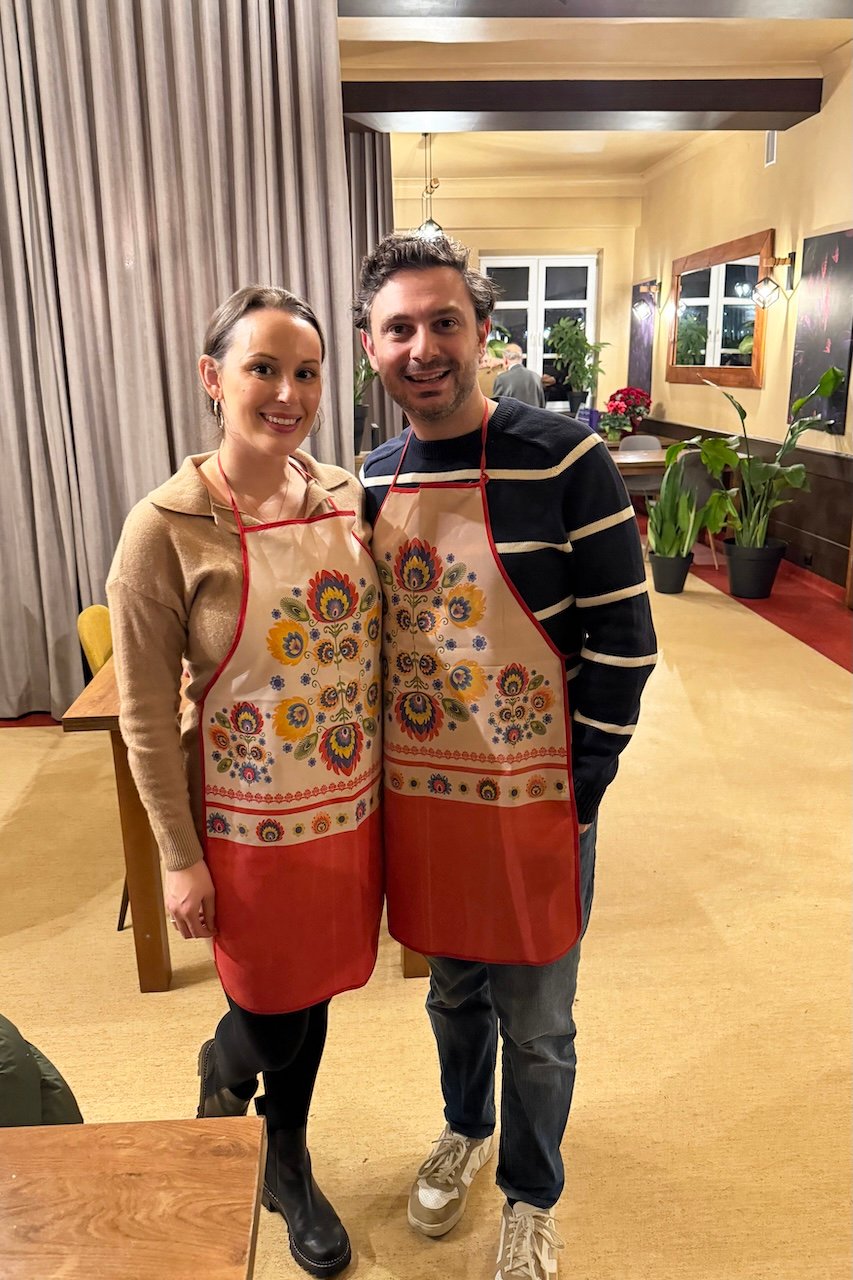
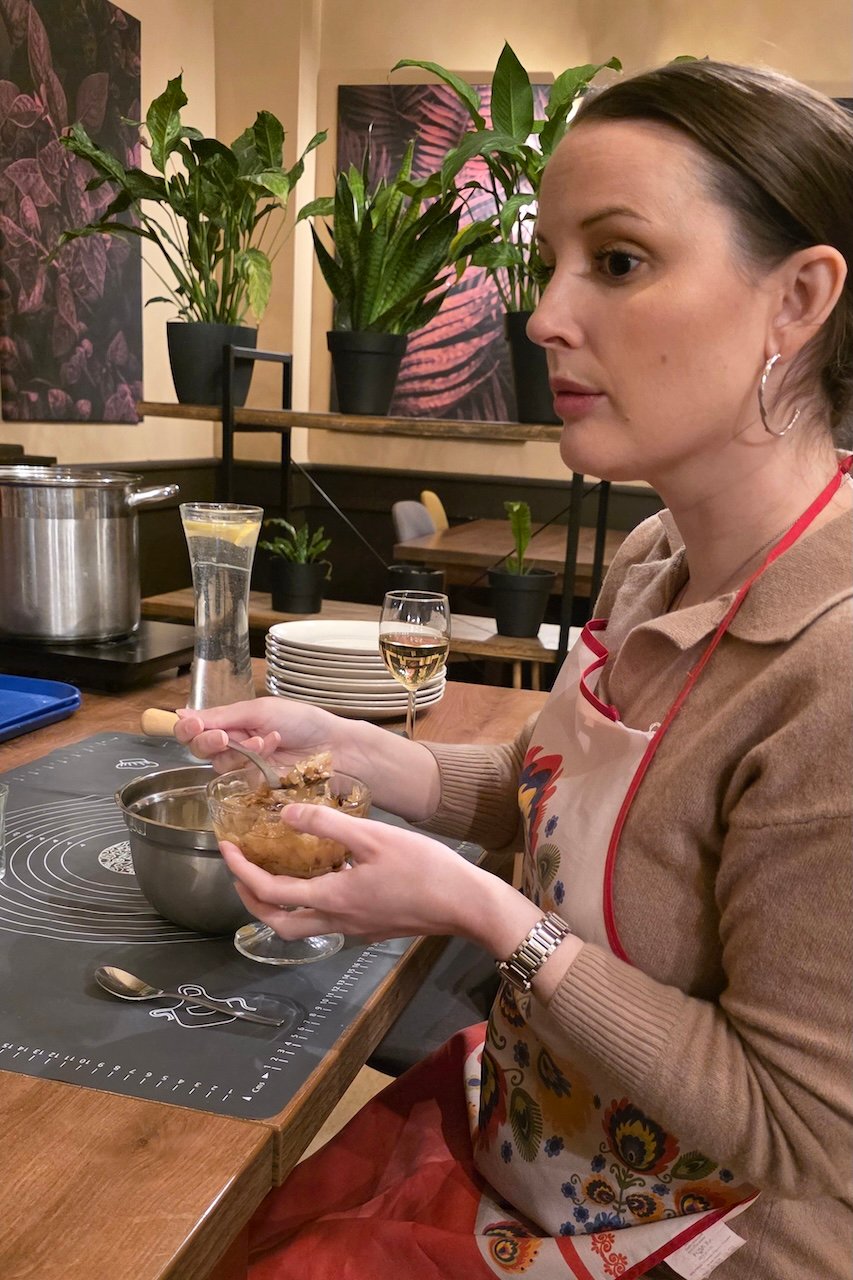
Some of our most memorable travel experiences have been food tours and cooking classes, which let us savor authentic dishes while connecting with locals. These experiences offer insight into a region's culinary traditions, local ingredients, and cooking techniques, making our travels even more enriching and unforgettable. On our recent trip to Krakow, we thoroughly enjoyed learning to make pierogi with Delicious Poland. It was truly one of the highlights of our trip!
Some of the highest rated food tours and cooking classes in Krakow available to book through our affiliate partner, GetYourGuide, are listed below.




Shopping in Krakow
Krakow offers a thoughtful mix of souvenir shops, artisan crafts, and local markets, making it an easy city to shop without feeling overwhelmed. While you will not find the same concentration of luxury department stores as in cities like Paris, Krakow excels when it comes to meaningful, locally-made souvenirs.
Popular Souvenirs to Buy in Krakow
Many of Krakow's most popular souvenirs are deeply connected to Polish craftsmanship, folklore, and culture. Some of the best things to look for include:
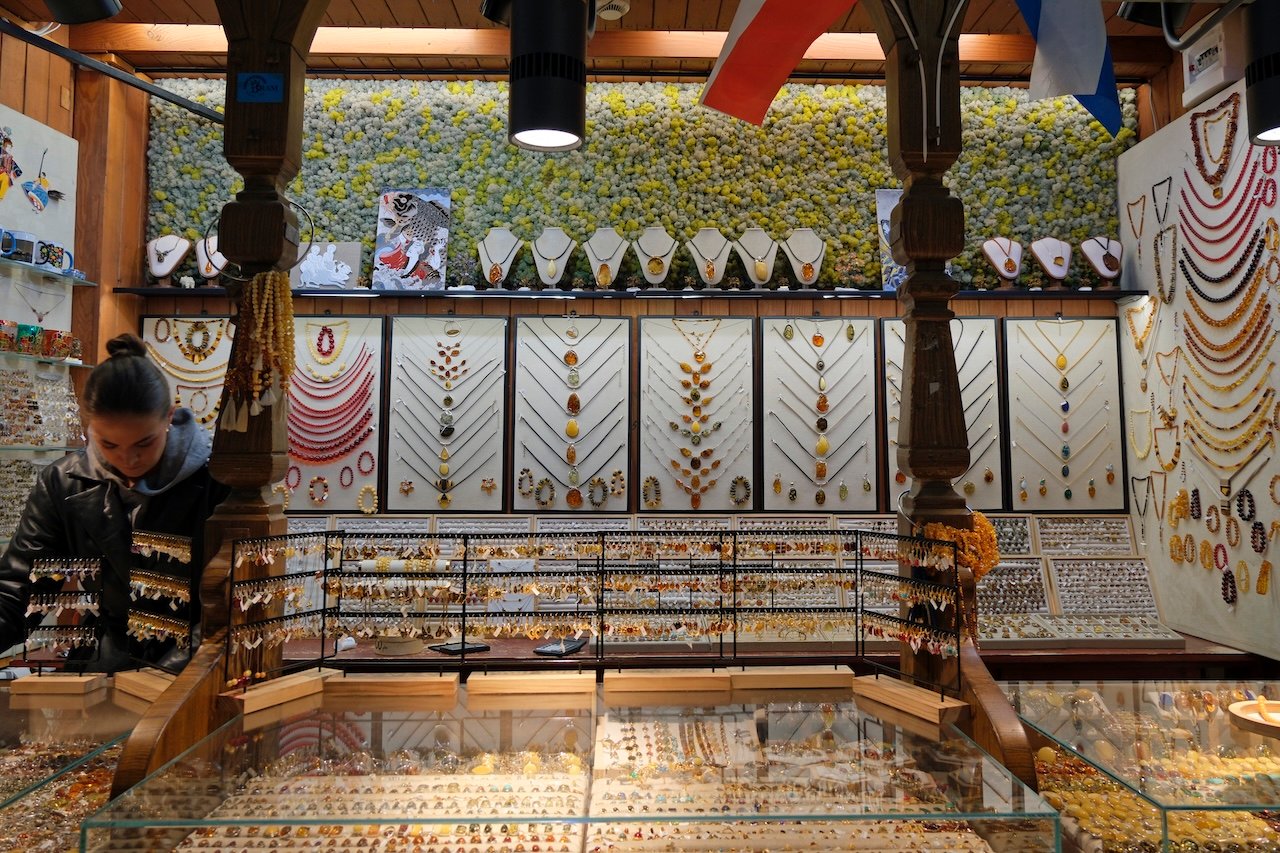
- Amber Jewelry: Often referred to as “Baltic gold,” amber has been traded in Poland for centuries. You will find everything from simple pendants to more ornate jewelry designs, amber-carved trinkets, and more throughout Krakow.
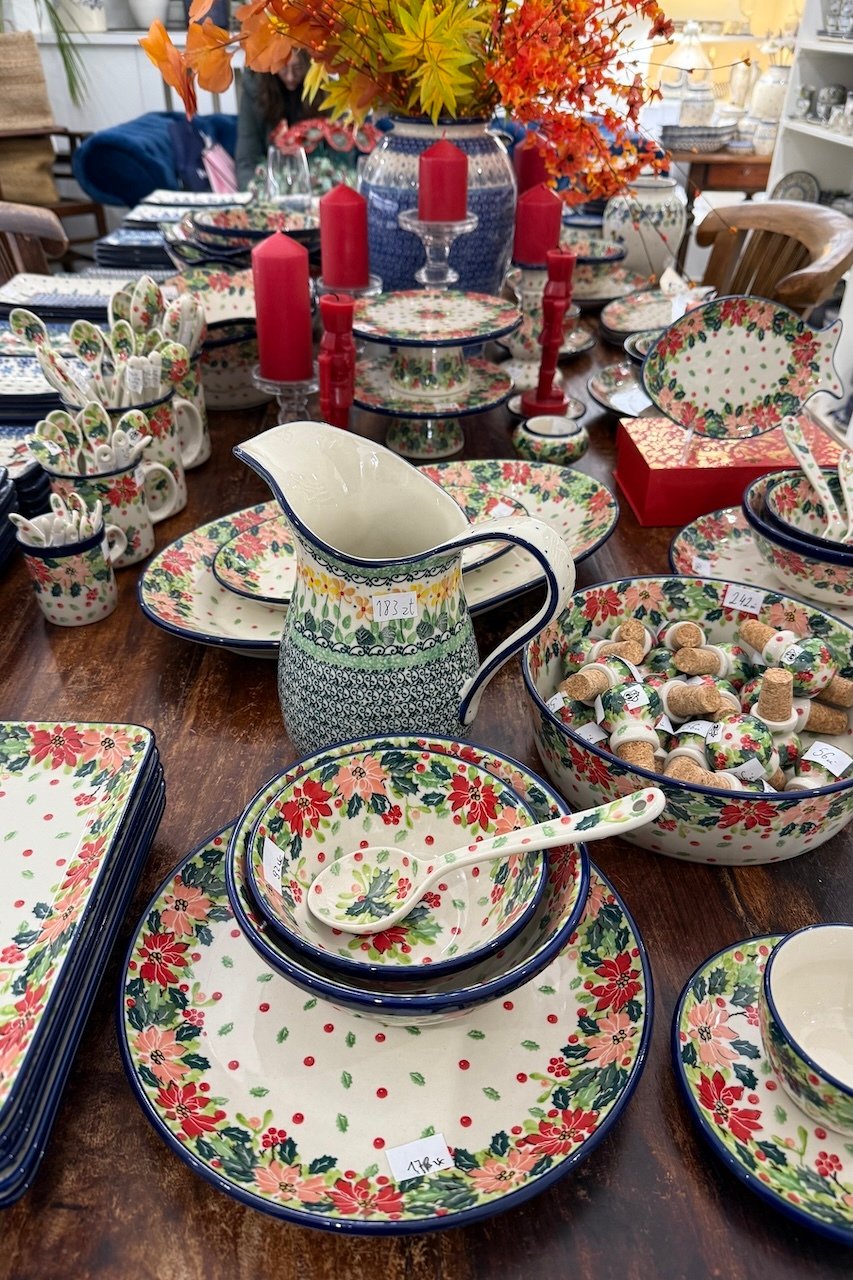
- Polish Ceramics (Bolesławiec Pottery): Known for its distinctive blue-and-white patterns, Polish ceramics are both decorative and practical, with pieces ranging from mugs to serving dishes.
- Folk Art & Handicrafts: Look for wooden carvings, painted boxes, and traditional embroidery.
- Vodka & Liqueurs: Polish vodka is world-renowned, and many shops sell beautifully packaged bottles or smaller gift-sized options which make great souvenirs.
- Salt-Themed Gifts: Thanks to the nearby Wieliczka Salt Mine, you will find salt lamps, carved sculptures, salt scrubs, soaps, and even bags of cooking salt—unique, local souvenirs you can actually use at home.
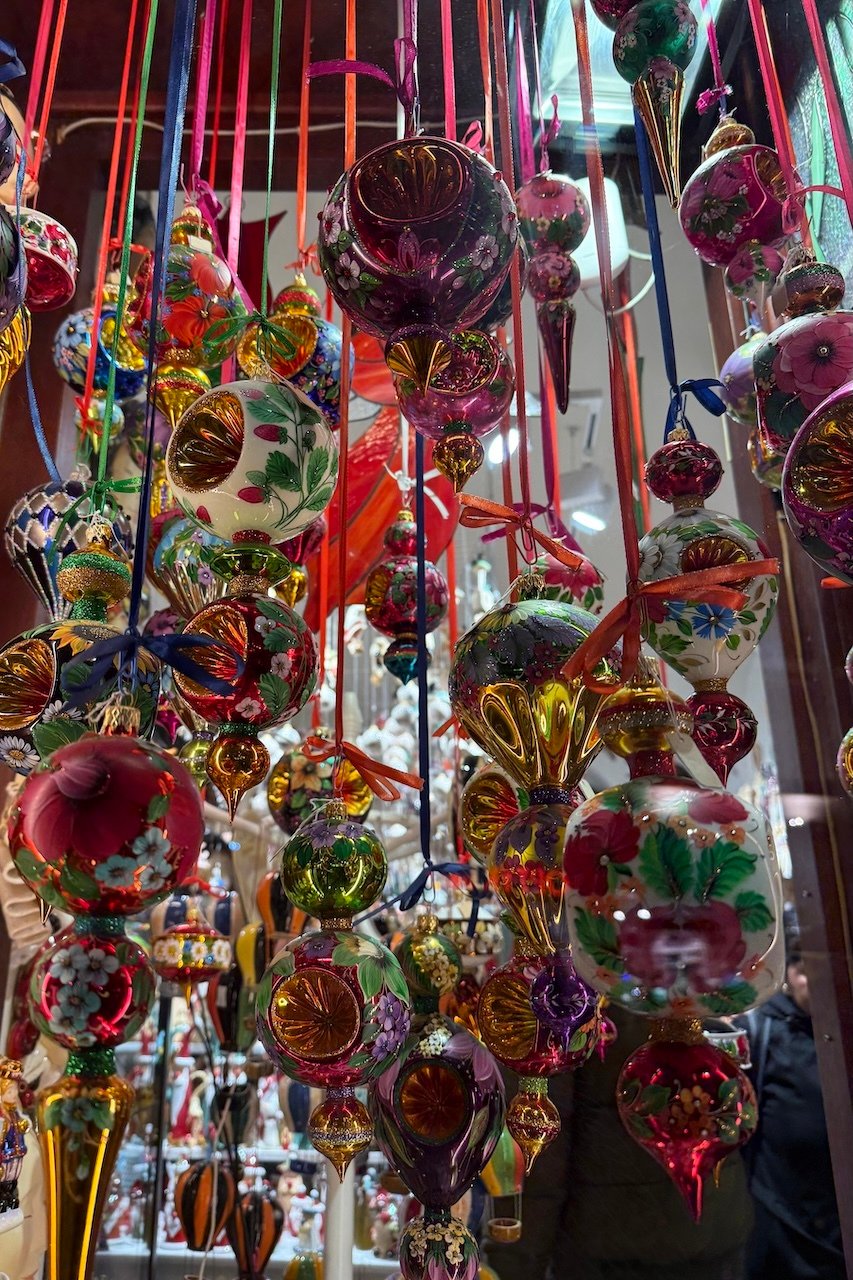
- Hand-Blown Glass Christmas Ornaments: Poland has a long tradition of glass making, and beautifully crafted, hand-painted Christmas ornaments are widely sold in Krakow year-round. They make beautiful souvenirs, regardless of the season.
Best Shopping Areas & Stores in Krakow
- Sukiennice (Cloth Hall): Located in the center of Rynek Główny, the Cloth Hall is the most iconic place to shop for souvenirs in Krakow. Inside, you will find rows of stalls selling amber jewelry, handicrafts, folk art, and traditional gifts. While some stalls are more tourist-oriented, it is still one of the best one-stop spots for classic Krakow souvenirs.
- Old Town: Streets radiating out from the Main Market Square, such as Floriańska, Grodzka, and Szewska, are lined with souvenir shops, specialty stores, and small boutiques. This area is convenient for shopping between sightseeing stops and offers a wide range of gift options at different price points. In particular, we recommend the following two shops:
- DekorArt Polish Pottery (Floriańska 42): A great stop for authentic Bolesławiec Polish ceramics, offering a wide selection of hand-painted pottery that are both beautiful and practical souvenirs.
- Sklep Hello Handmade (Floriańska 20): This charming shop specializes in locally made, handcrafted goods, from small gifts to design-forward souvenirs that feel thoughtful rather than touristy.
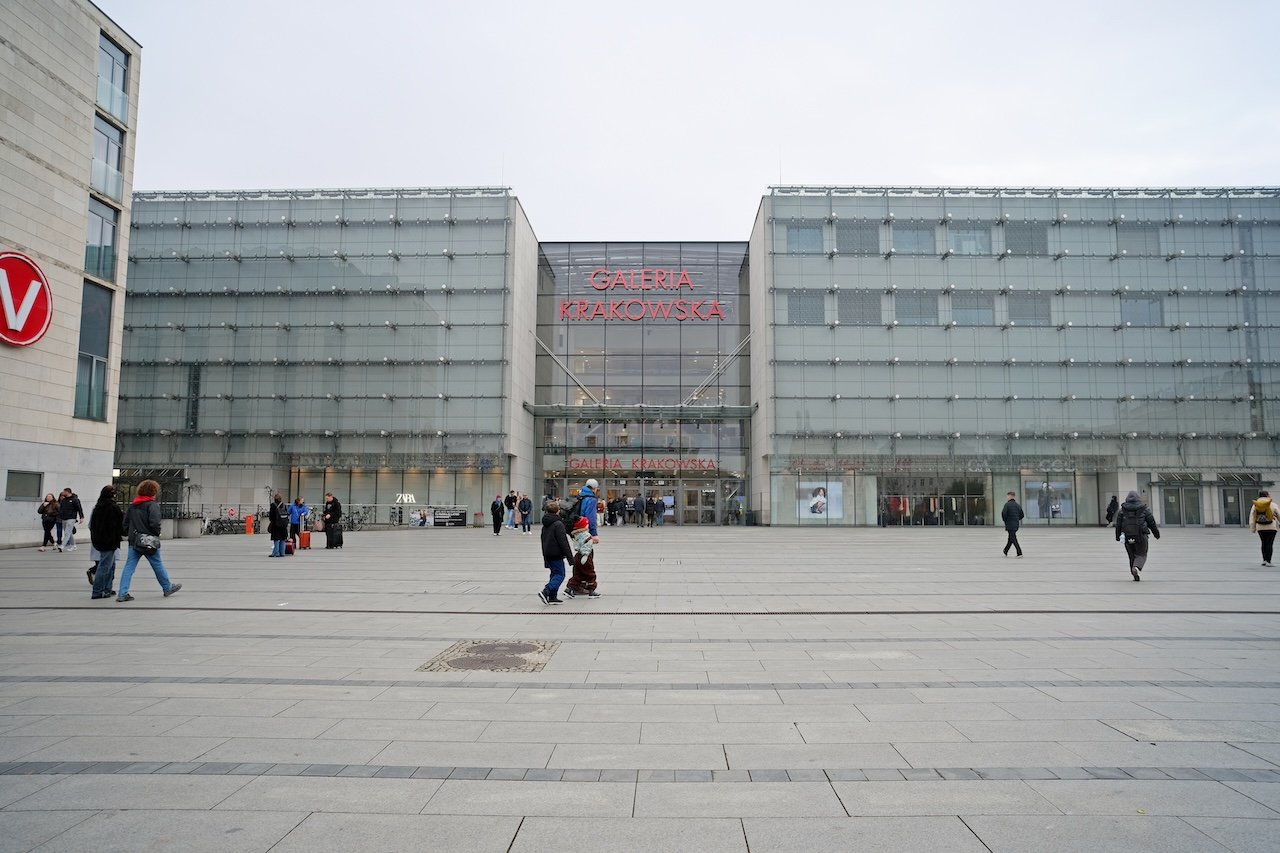
- Galeria Krakowska: Located directly next to Kraków Główny train station, Galeria Krakowska is the city’s largest shopping mall and a convenient stop for travelers arriving or departing by train. The mall houses a wide range of international fashion brands, cafés, restaurants, and everyday essentials. While it is not the place to shop for traditional Polish souvenirs, it is useful for practical needs and last-minute purchases.
Transportation in Krakow
Getting around Krakow is straightforward, thanks to the city's compact layout, efficient public transportation system, and excellent rail connections. Whether you are arriving by plane, train, or planning day trips from the city, Krakow is easy to navigate.
Krakow Airport (John Paul II International Airport)
Krakow's main airport is John Paul II International Airport Krakow-Balice (KRK), located 7 miles (11 kilometers) west of the city center. It is one of Poland's busiest airports and serves both domestic routes and a wide range of international destinations.
Public Transportation To & From Krakow Airport
- Train: The train from Krakow Airport (SKA1 Wieliczka Salt Mine - Krakow Główny - Krakow Airport) to the city center is one of the easiest and most reliable transit options. Trains run frequently throughout the day, with the journey to Krakow Główny taking approximately 20 minutes. The Krakow Airport Train Station is connected to the terminal by a pedestrian walkway. The same train also runs to the Wieliczka Salt Mine. Tickets are affordable and can be purchased at ticket machines at the airport or directly from the train conductor on board. There is no additional charge for luggage. For more information, please visit the Krakow Airport website.
- Buses: Three city buses, lines 209, 300, and 902 (night bus), run from Krakow Airport to the city center. Bus rides typically take around 45 minutes. Bus tickets can be purchased at the ticket machine in the arrivals hall, or at the bus stop. Your ticket will need to be validated once you board the bus. For more information, please visit the Krakow Airport website.
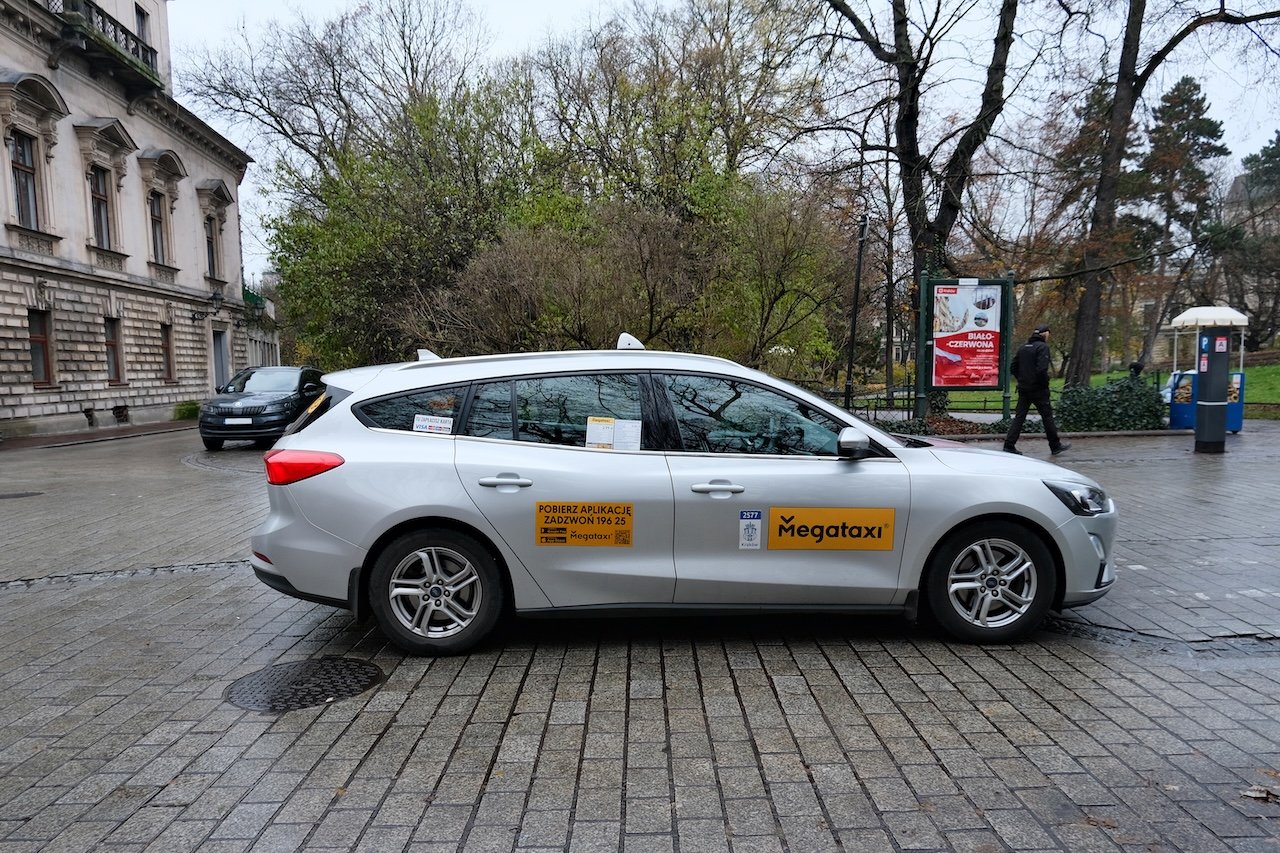
- Taxis: Taxis are readily available at the airport and provide door-to-door service to your hotel or accommodation. Make sure to get an official, licensed taxi from the airport taxi stand. A typical ride to the city center takes 25 to 30 minutes, depending on traffic. Taxi fares are fixed and depend on the distance from Krakow Airport. All official taxis in Poland accept credit cards.
Public Transportation in Krakow
Krakow is a very walkable city, especially within the Old Town. However, public transportation makes it easy to cover long distances or reach neighborhoods outside of Old Town.
Trams & Buses
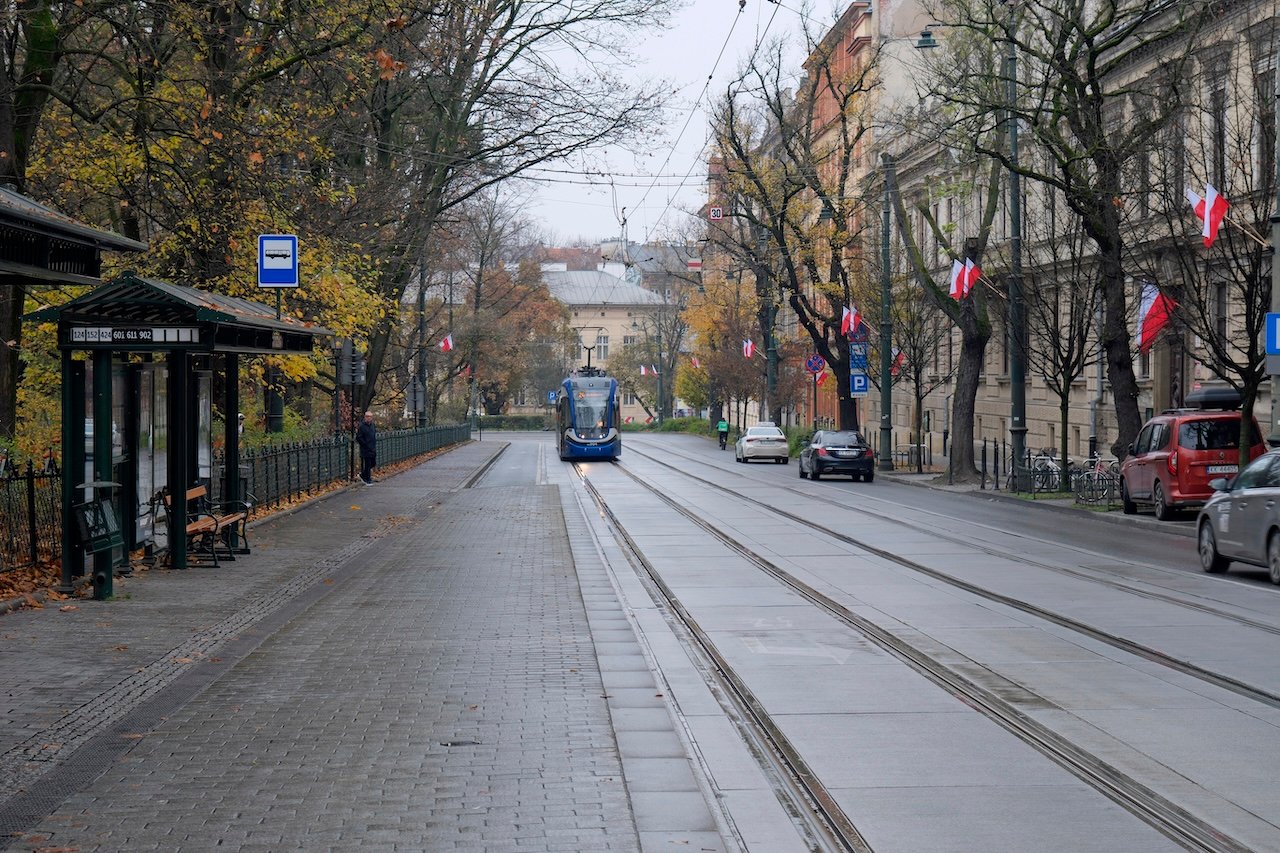
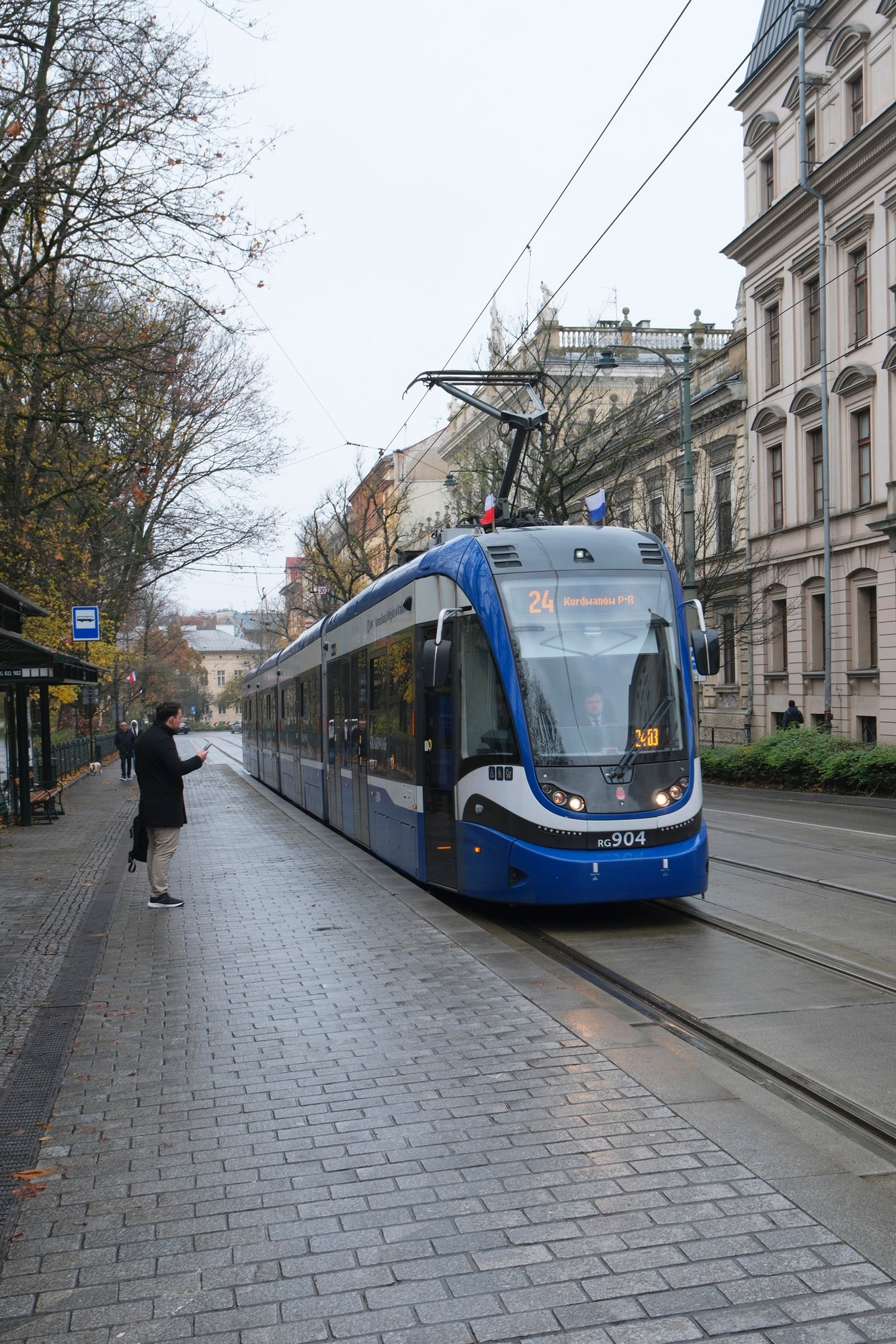
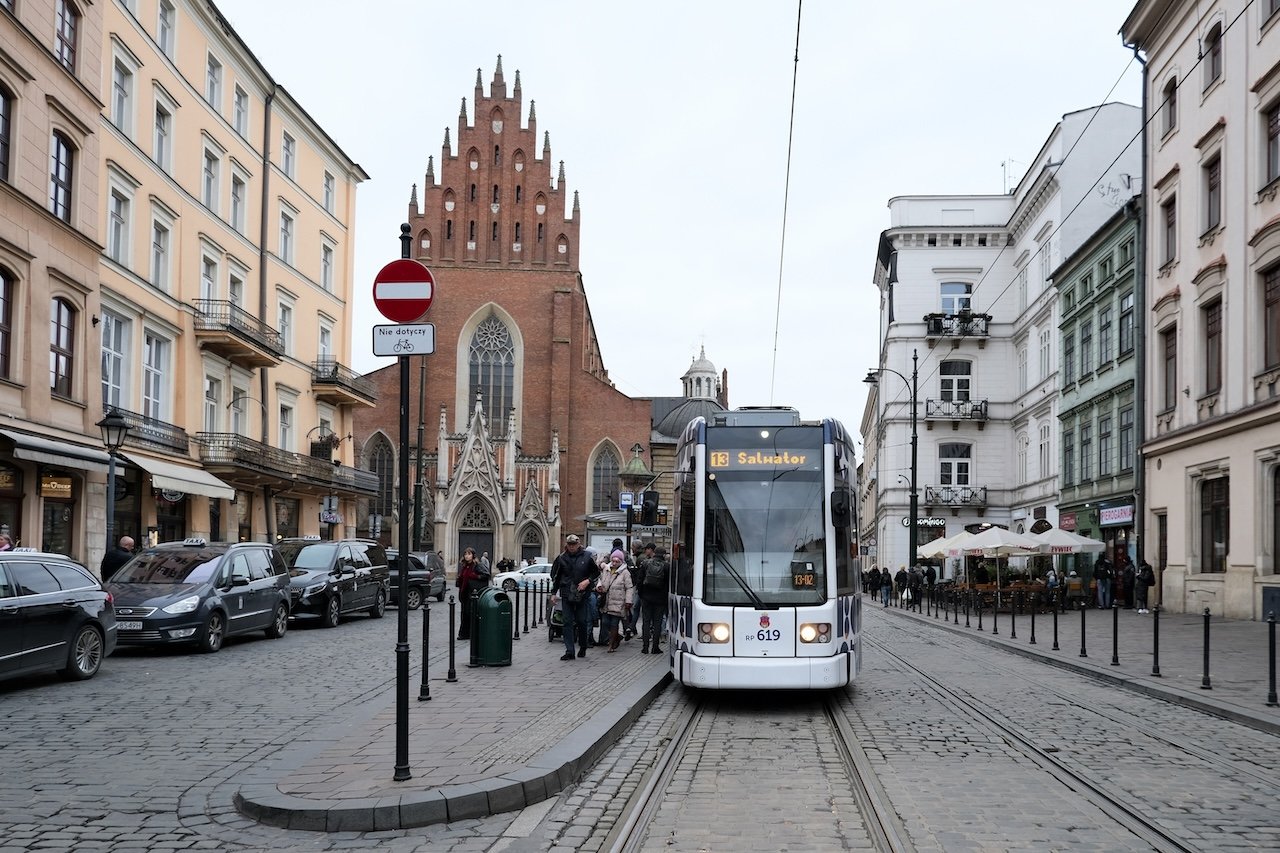
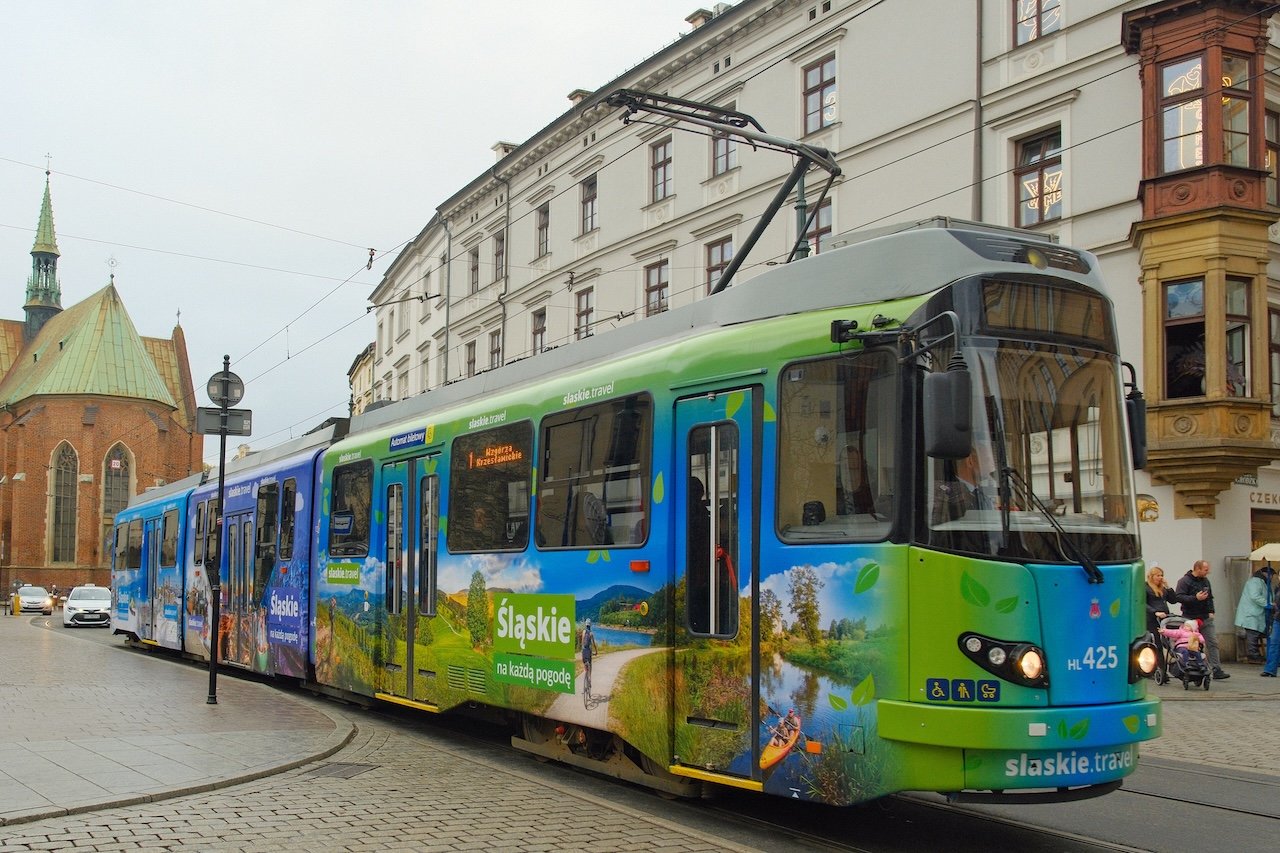
Krakow's public transportation network consists primarily of trams and buses, which are clean, efficient, and easy to use. Trams are especially helpful for moving quickly across the city and connecting neighborhoods like Old Town, Kazimierz, Podgórze, and Nowa Huta.
Tickets are time-based and can be purchased from kiosks at stops, the Jakdojade app, and on some trams and buses. Be sure to validate your ticket when boarding. Both Jakdojade and Google Maps work great for route planning and real-time schedules.
Taxis & Rideshares
Taxis and rideshare services are widely available and generally affordable throughout Krakow. While not always necessary within the city center, they can be useful late at night, when traveling with luggage, or when heading to less central locations. Bolt, Uber, and FreeNow are commonly used in the city.
Trains in Krakow
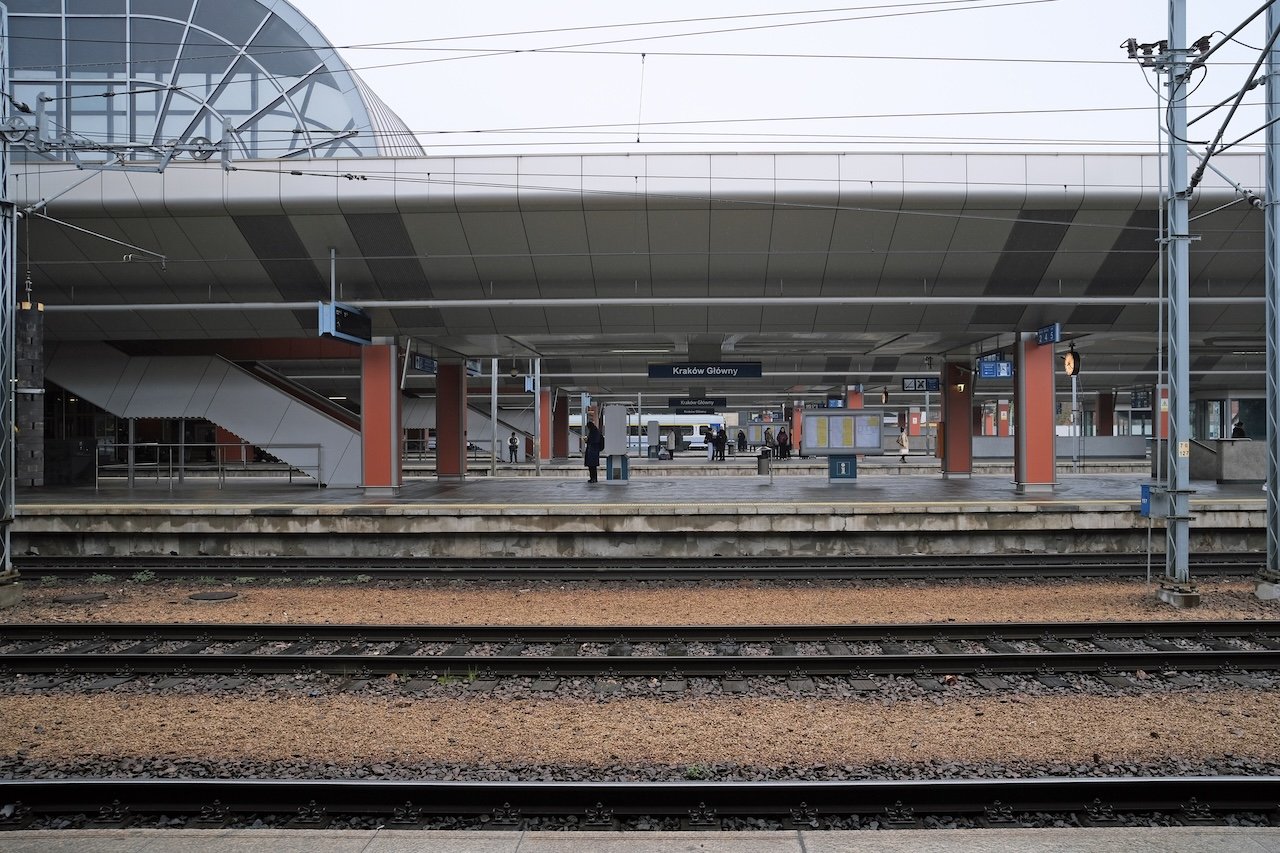
Whether you arrive in Krakow by train, depart by rail (as we did), or plan to take day trips to places like Auschwitz-Birkenau or the Wieliczka Salt Mine, train travel is often faster, more comfortable, and less stressful than driving in Poland. With frequent departures, well-connected routes, and a centrally located main train station, trains are one of the easiest ways to get to Krakow and explore beyond the city.
Krakow Główny Station
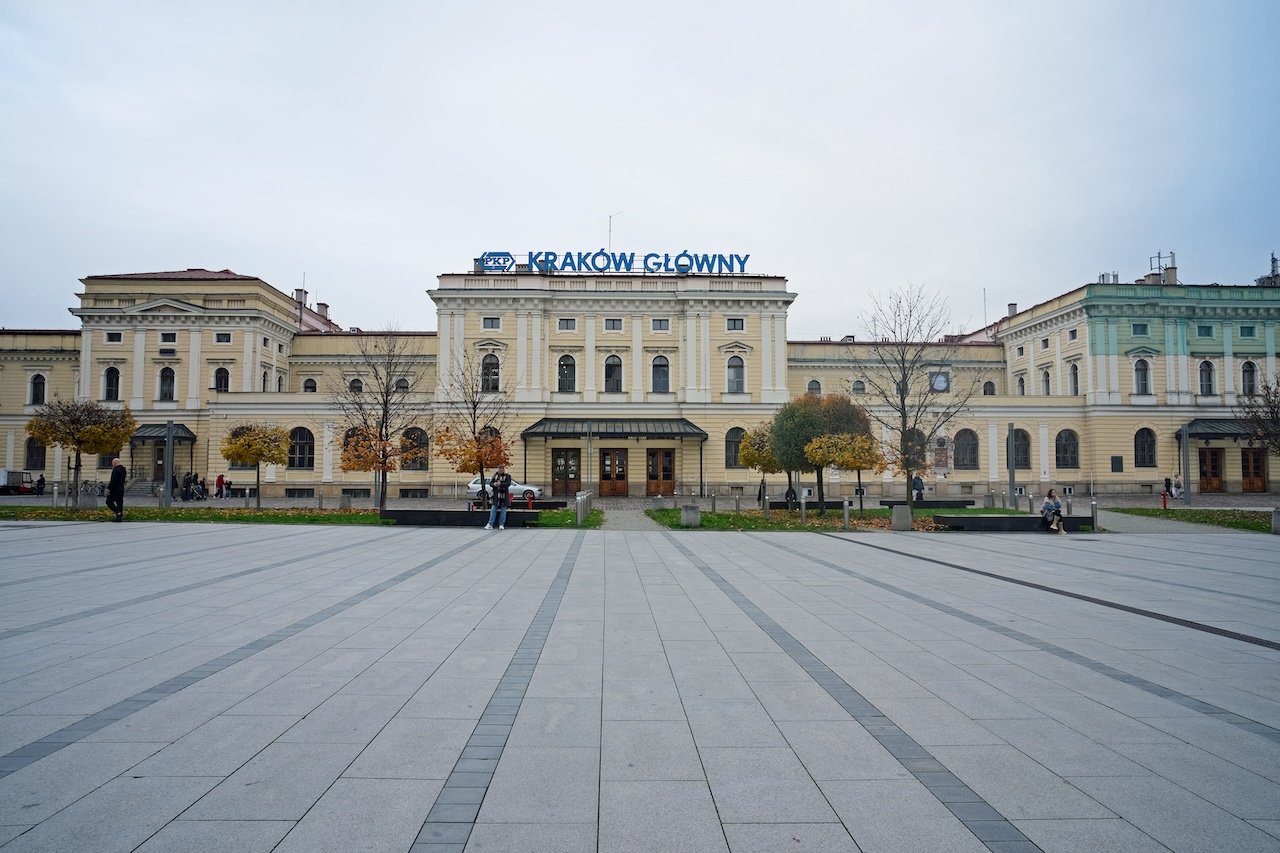
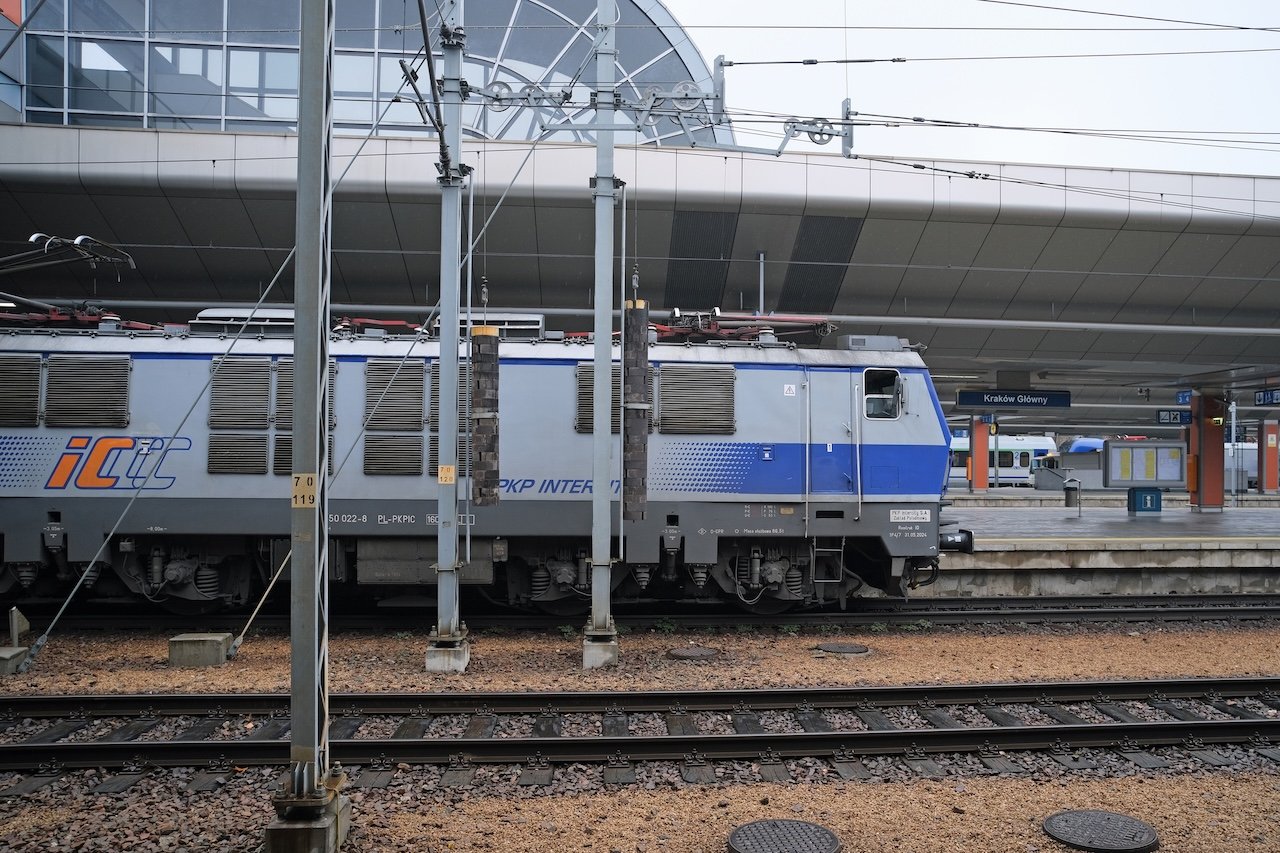
Krakow Główny is the city's main train station and the station that most visitors will use. Located next to the Old Town and directly connected to Galeria Krakowska, the station offers easy access to hotels, trams, and buses.
Regional & International Train Connections from Krakow
Krakow is very well connected by rail, making the city an excellent base for exploring Poland and beyond. Popular domestic routes include:
- Zakopane (2 hours)
- Warsaw (2.5 hours)
- Wrocław (3 hours)
- Gdańsk (5 hours)
Many international trains stop in Krakow, making it easy to continue your trip into Central and Eastern Europe by train. Popular routes include:
- Vienna, Austria (5.5 hours)
- Prague, Czech Republic (6 hours)
- Berlin, Germany (7 hours)
All international trains depart from Krakow Główny and offer a comfortable alternative to flying, especially for travelers planning a multi-city European itinerary.
Buying Train Tickets in Poland
Train tickets in Poland can be purchased online using PKP Intercity website, or Leo Express for the direct train between Krakow and Prague. Tickets can also be booked at the train station directly. For longer routes or international travel, it is best to book in advance, especially on weekends and around holidays. Digital tickets are accepted and easy to use on your phone.
Krakow Travel Blog Quick Links
Why We Love Krakow
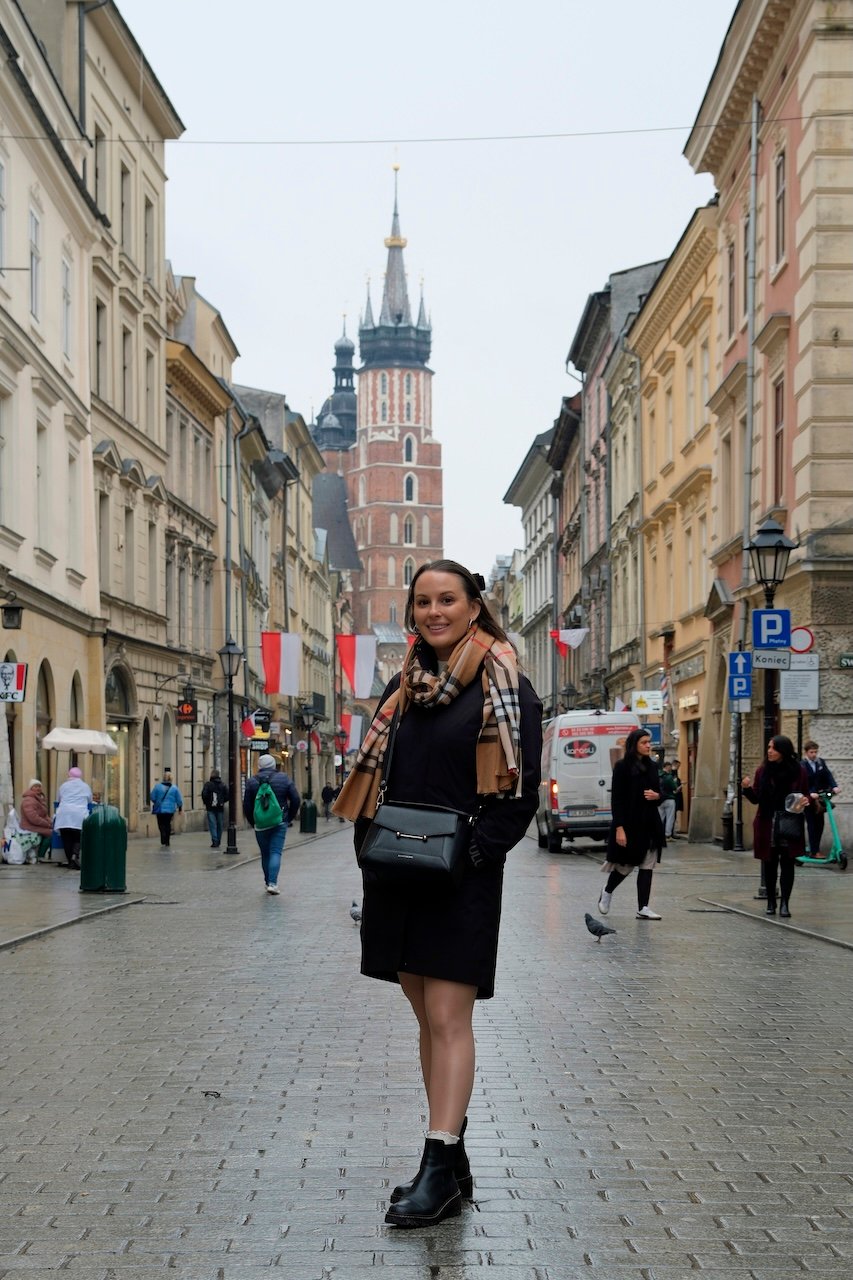
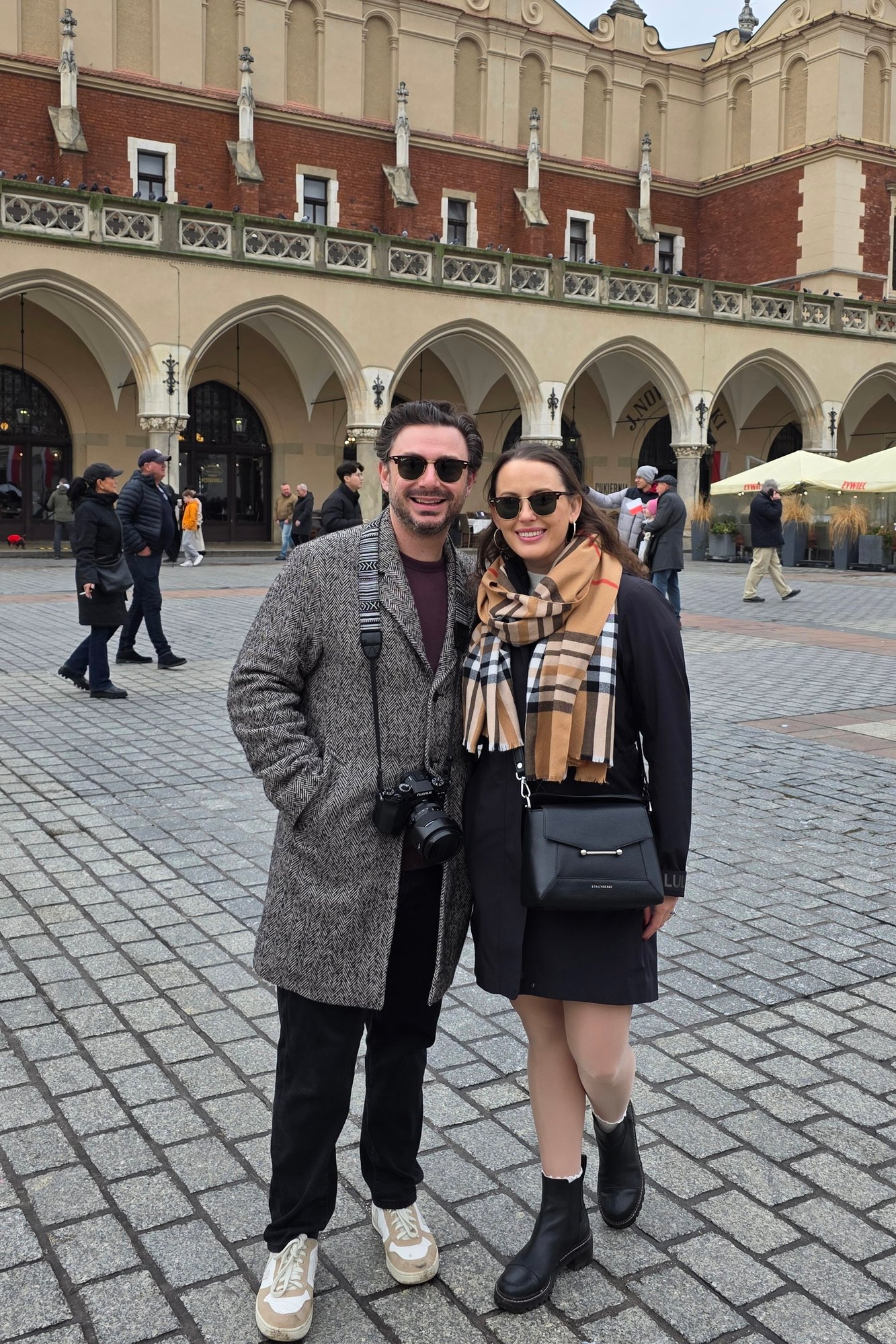
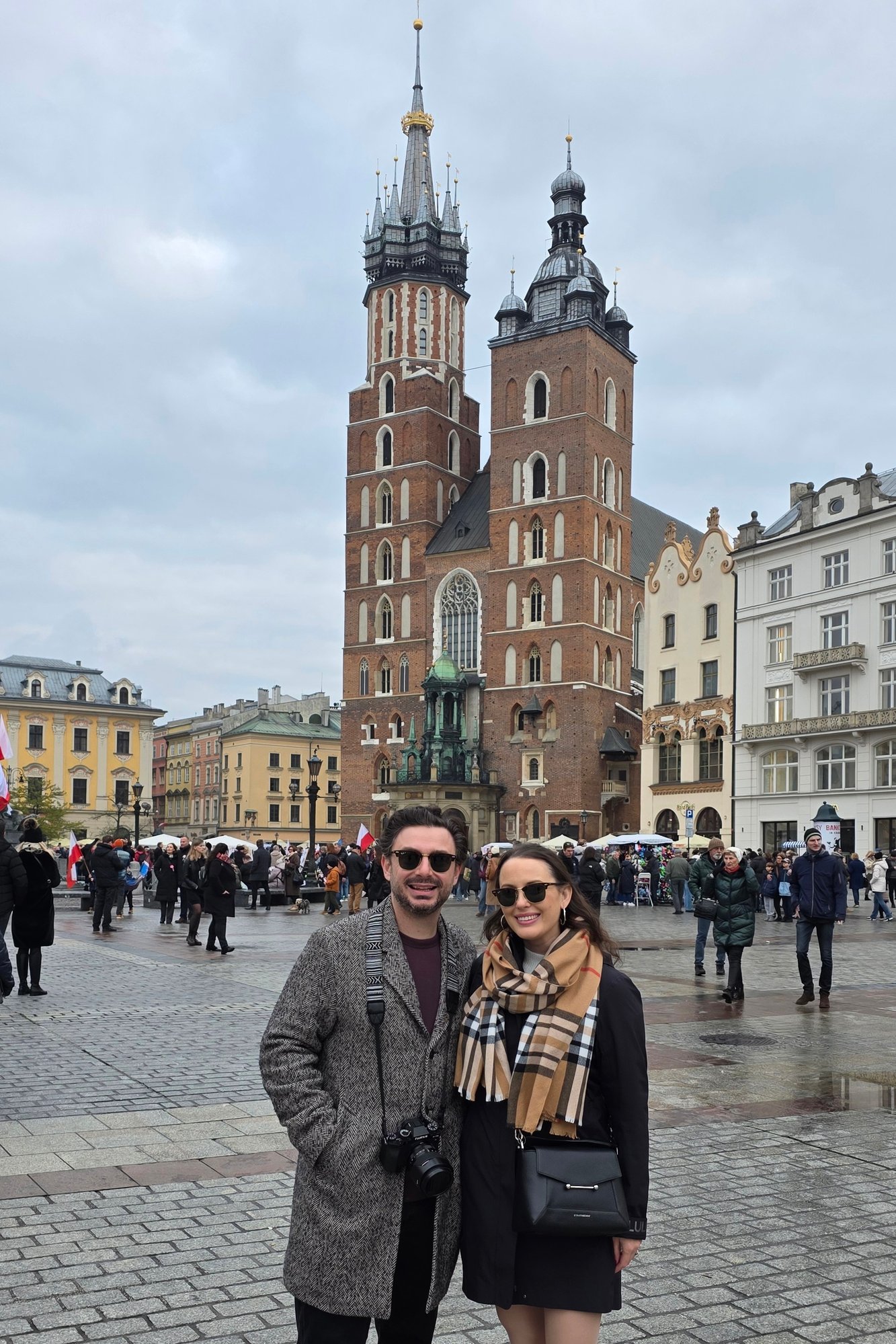
Krakow has been on Lauren's bucket list long before we ever booked our trip in November 2025. Lauren's grandfather was from Poland, and growing up, the country always felt like a part of her story that she had yet to fully explore. For Lauren, visiting Krakow was a meaningful way to connect with those roots while simultaneously discovering a city that has shaped so much of Poland's history and identity. For anyone planning a first trip to Poland, Krakow offers an incredibly well-rounded introduction to the country.
What struck us almost immediately was the warmth and hospitality we encountered throughout the city. From hotel staff to waiters in bars and restaurants, and locals that we crossed paths with along the way, there was a genuine kindness that made Krakow feel incredibly welcoming. It is also a beautiful city and surprisingly affordable compared to many other European destinations.
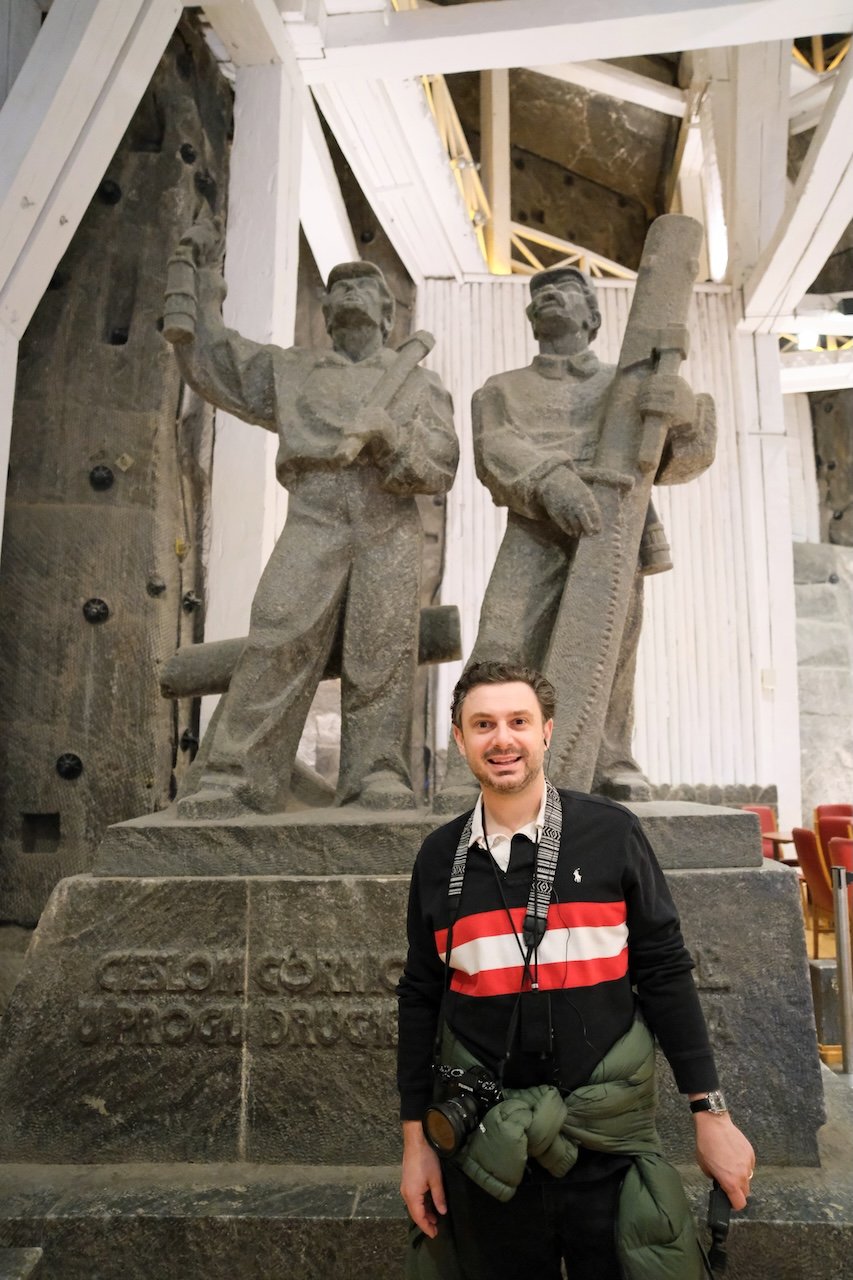
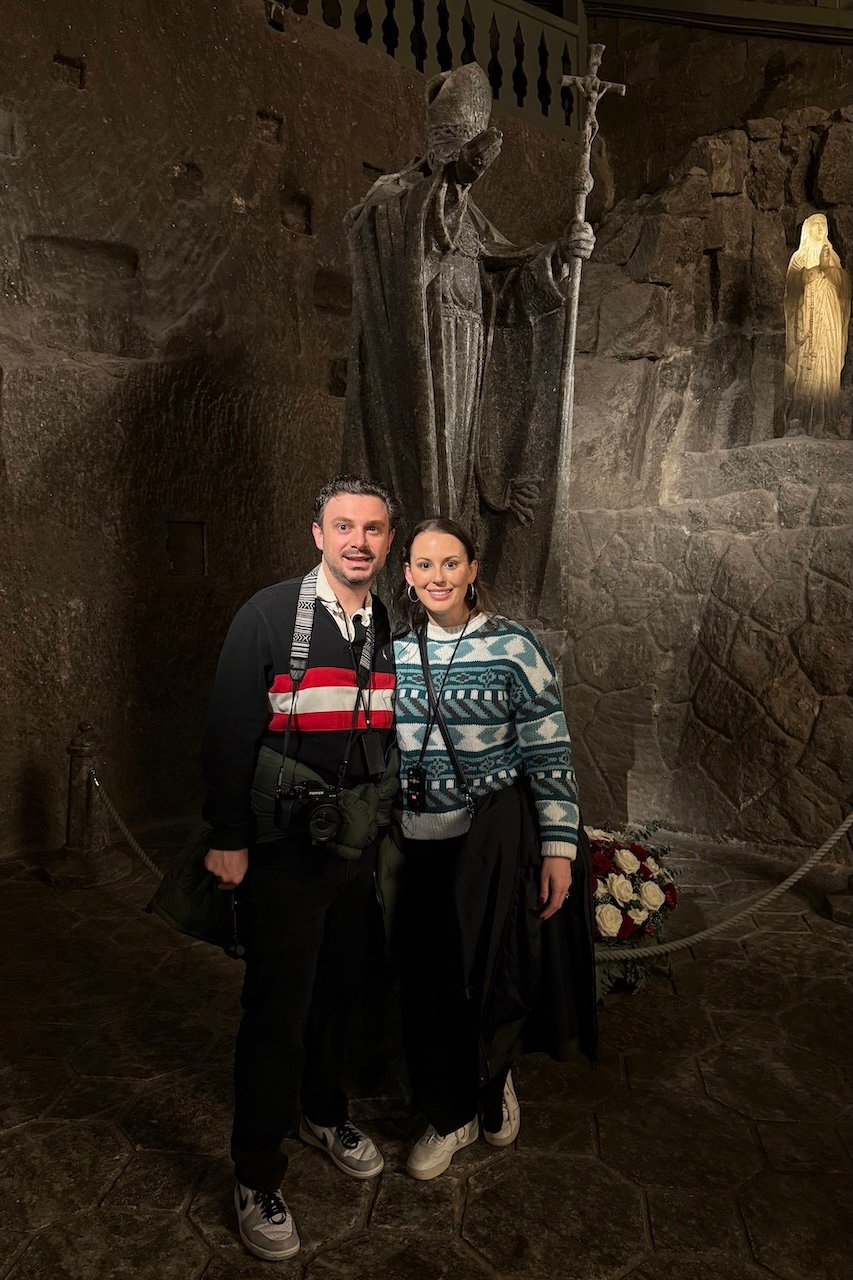
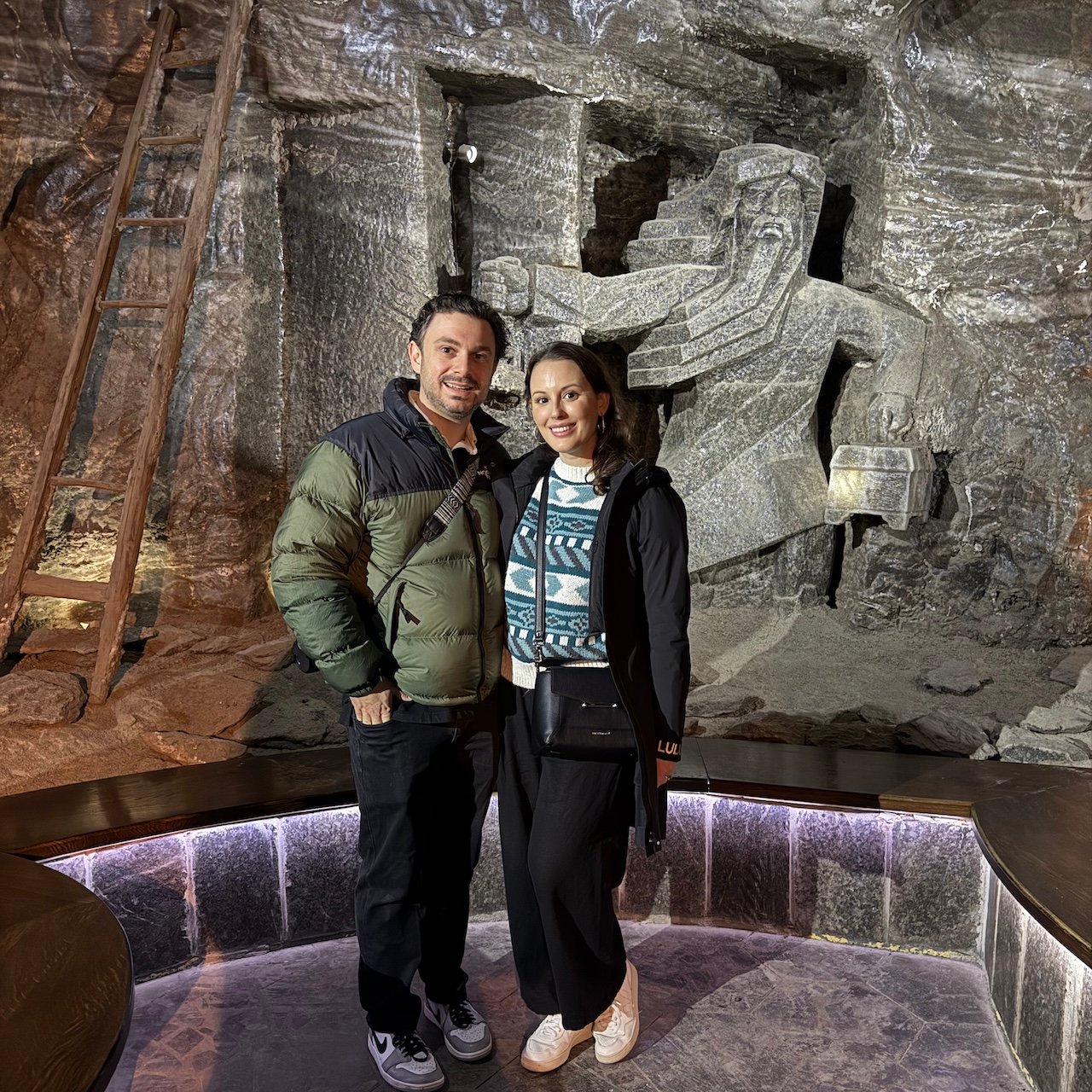
Krakow's history is everywhere. We loved wandering through some of the city's remarkable churches and spending time on Wawel Hill exploring Wawel Castle, one of the most important sites in Poland. The real highlight for us, however, was visiting the Wieliczka Salt Mine. The Wieliczka Salt Mine is truly one of the most unique attractions and best day trips from Krakow! Lauren grew up hearing stories about the salt mine since she was a little girl, and finally seeing it in person was incredible. Descending deep underground and walking through chambers carved entirely from salt is an experience we will never forget.
The food was another standout. Krakow's cuisine is comforting, flavorful, and deeply rooted in tradition. Between hearty Polish classics, excellent bakeries, incredible street food, and relaxed cafes, every meal felt like a part of the experience rather than just a break between sightseeing.
The food experience did not end at restaurants, either. We also took a pierogi-making class, which ended up being one of the most memorable parts of the trip. Learning how to make pierogi by hand, and then bringing that tradition home, meant a lot to us. After returning, we made pierogi for Lauren's family, something that had not happened since before her grandfather passed away in 2013. It was a small, but meaningful way to carry a piece of Krakow, and its traditions, back home with us.
Ultimately, what we love most about Krakow is how much it offers without ever feeling exhausting. It is a destination that we would happily return to and one we wholeheartedly recommend to anyone interested in visiting Central and Eastern Europe.
Krakow Travel Guide: Neighborhoods & Where to Stay
Choosing where to stay in Krakow can have a big impact on your experience, especially if it is your first visit. The city is easy to navigate and well connected, with distinct neighborhoods that offer different atmospheres, from historic and central to lively and local. Below, we break down the best areas to stay in Krakow and share hotel recommendations to help you find the right fit for your trip.
Stare Miasto (Old Town)
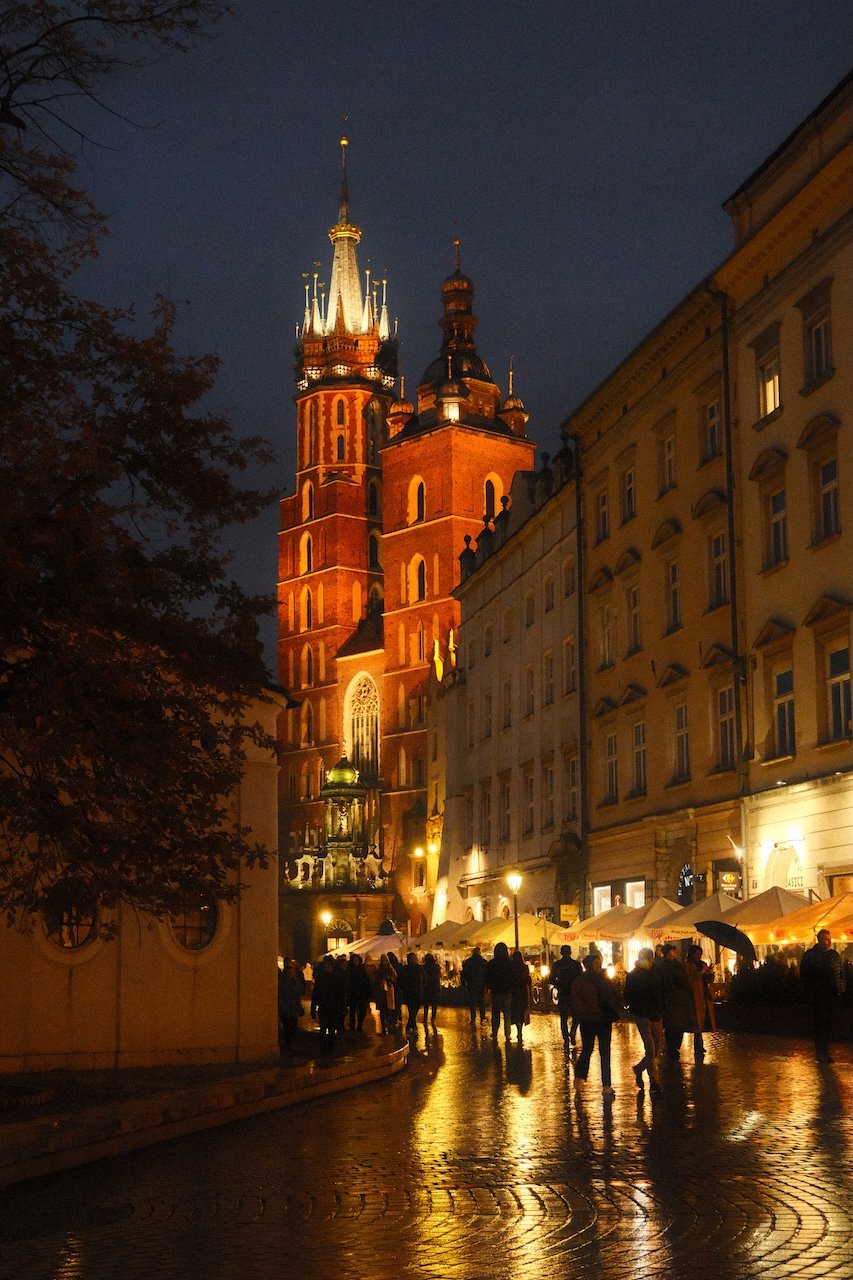
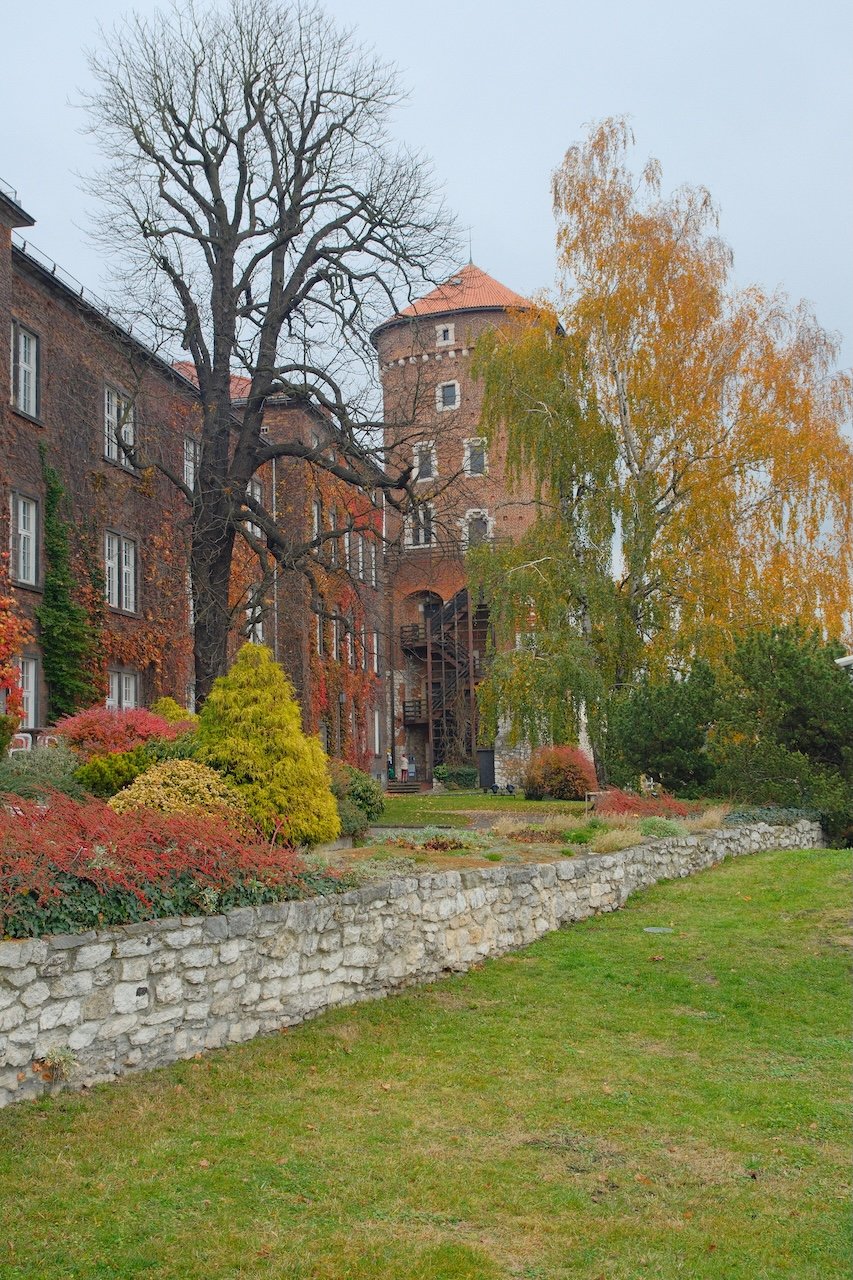
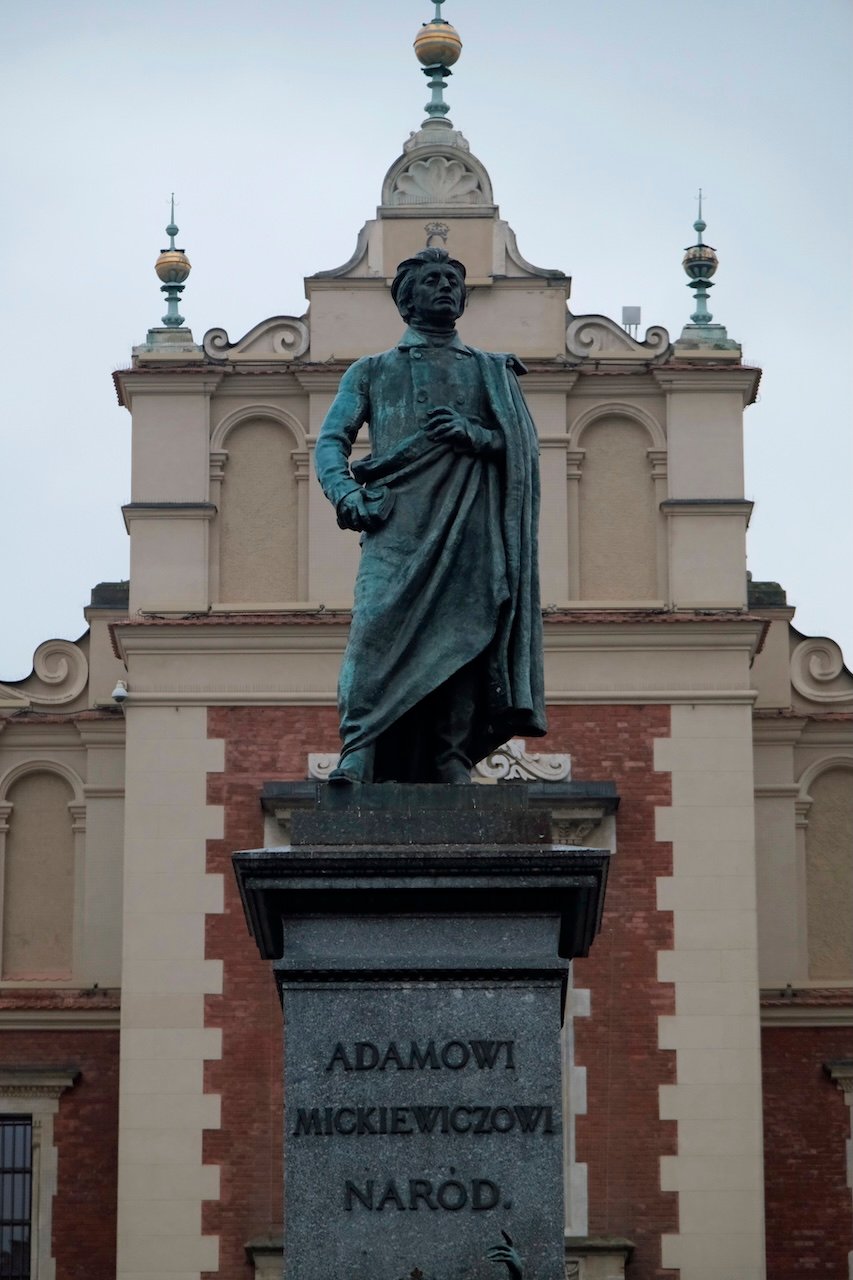
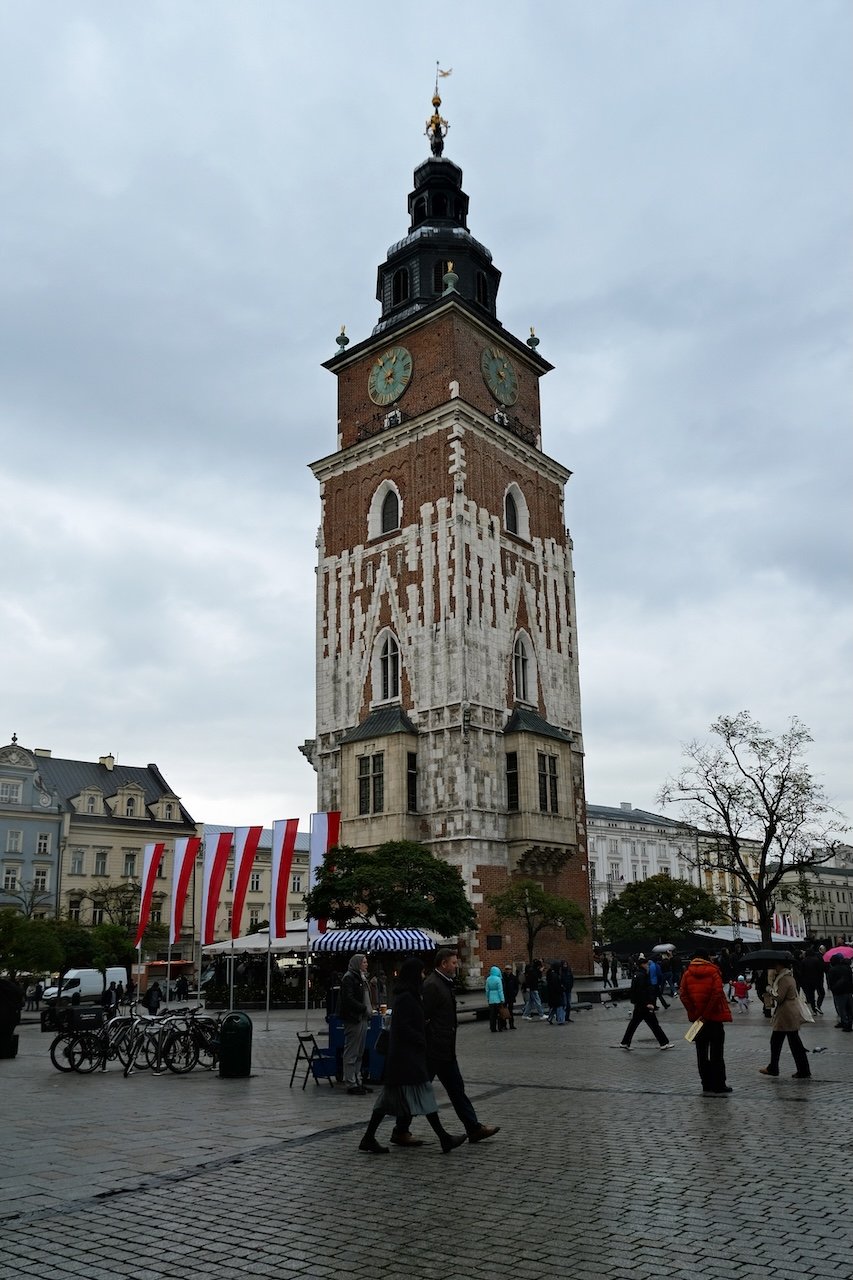
Stare Miasto is the historic heart of Krakow and the most popular neighborhood to stay for first-time visitors. Centered around Rynek Główny, the city's main market square, the Old Town is home to many of Krakow's most iconic landmarks, including St. Mary's Basilica, the Cloth Hall, and the Royal Route leading towards Wawel Hill. Incredible museums, churches, restaurants, cafés, and bars are all within walking distance, making it possible to explore a large part of the city without the need to rely on public transportation.
We chose to stay in the Old Town during our visit and found it to be an ideal base for sightseeing. Our stay at H15 Palace, a Luxury Collection Hotel was excellent across the board. The rooms were spacious and comfortable, and having an on-site spa was a welcome bonus after long (cold) days of exploring. Staying centrally allowed us to step out each morning and immediately be surrounded by Krakow's history, while still having a quiet, relaxing place to return at night.
Overall, Stare Miasto is a great choice if you want maximum walkability, easy access to Krakow's top attractions, and convenient public transportation connections for day trips. While hotels here can be slightly more expensive than in outer neighborhoods, the convenience and atmosphere make it well worth it for many travelers.
Where to Stay in Stare Miasto
In addition to our stay at H15 Palace, these are a few other well-located hotels in Krakow’s Old Town that we would confidently recommend for first-time visitors.
Kazimierz
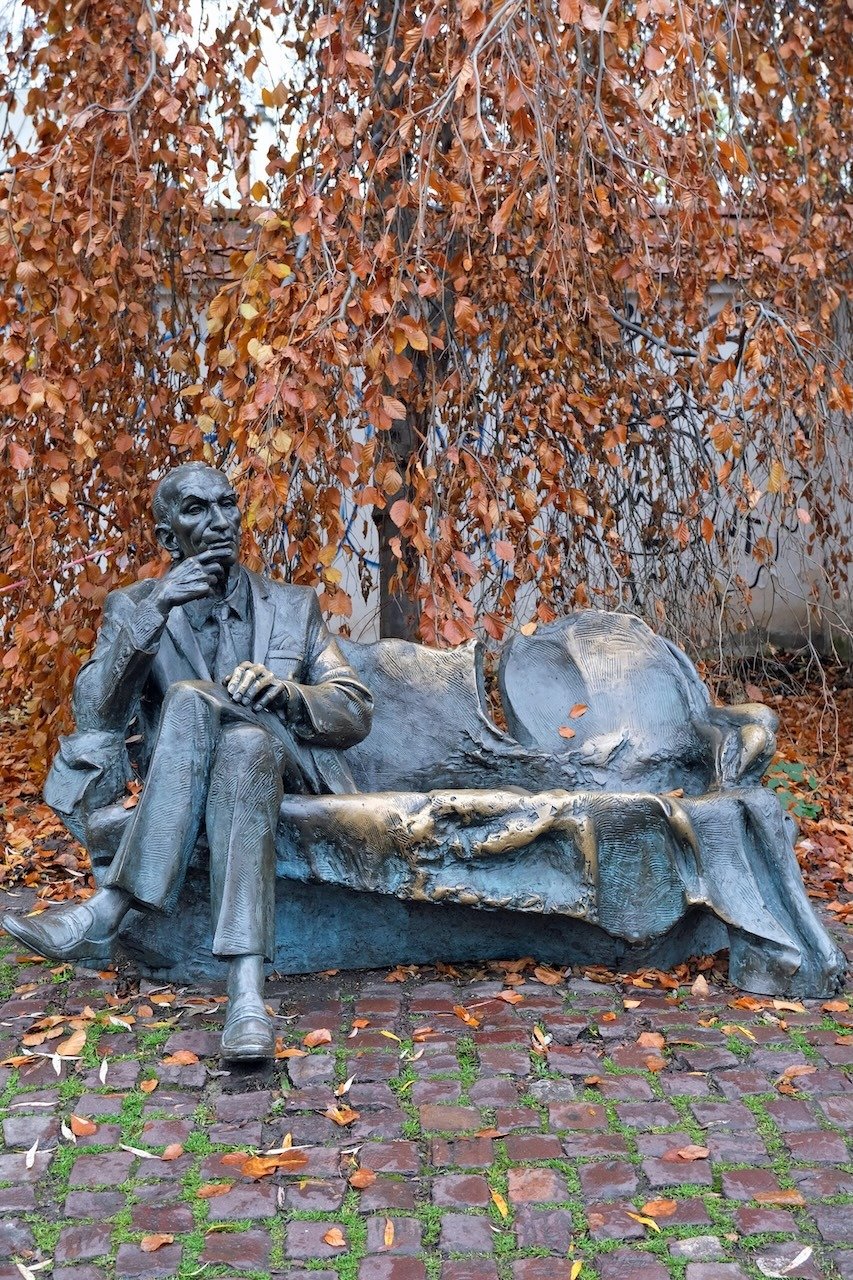
Kazimierz is one of Krakow’s most historic and character-filled neighborhoods, known for its Jewish heritage. Once an independent city, Kazimierz was the center of Jewish life in Krakow for centuries, and today its synagogues, cemeteries, and museums offer important insight into the community that once thrived here. Walking through the neighborhood, you will find a mix of historic sites, quiet courtyards, and streets that still reflect its medieval layout.
In recent decades, Kazimierz has also become one of Krakow’s most vibrant areas, home to great restaurants, cafés, bars, and cultural venues. It is a great place to stay if you are interested in history, but also want a more relaxed, local-feeling atmosphere than the Old Town. While slightly less central, Kazimierz is still easily walkable to Stare Miasto and well connected by tram, making it an excellent base for travelers who want both cultural depth and lively evenings.
Where to Stay in Kazimierz
These are a few hotels in Kazimierz that we would confidently recommend for travelers who want to be close to restaurants, nightlife, and cultural sites.
Podgórze
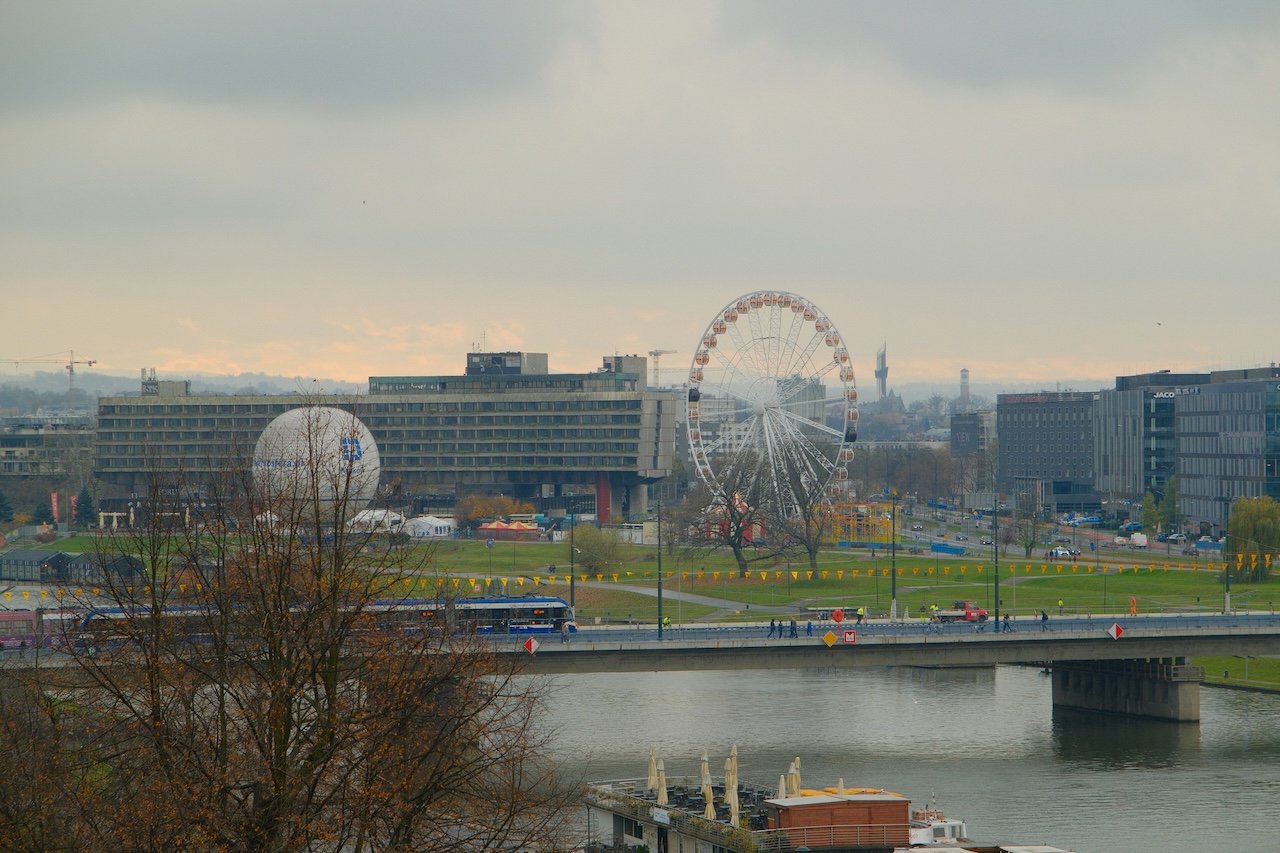
Podgórze is located just south of the Vistula River, offering a quieter side of Krakow. During World War II, the neighborhood was the site of the Krakow Ghetto, and today landmarks such as Ghetto Heroes Square, the Eagle Pharmacy, and nearby Plaszow serve as important places of remembrance.
In addition to its wartime history, Podgórze offers green spaces, riverfront walking paths, and viewpoints that provide a different perspective on the city.
Staying in Podgórze is a good option for travelers who prefer a quieter base while still being near Krakow's main sights. The neighborhood is easily reached by tram, making access to the Old Town and Kazimierz easy and quick. With generally more affordable accomodations and a less tourist-heavy atmosphere, Podgórze appeals to visitors interested in history, a local neighborhood, and a slower pace without sacrificing convenience.
Where to Stay in Podgórze
These are a few well-reviewed hotels in Podgórze that we would recommend for travelers looking for a quieter base with easy tram access.Kleparz
Kleparz is located just north of Krakow's Old Town, offering a more residential feel while remaining extremely convenient for sightseeing. Historically, Kleparz was a separate medieval settlement and is still home to landmarks such as St. Florian's Gate, the Barbican, and St. Florian's Church, all within a short walk of the Main Market Square. The area also borders Planty Park, making it a great place for travelers who enjoy quieter streets without being far from major attractions.
Kleparz is a good option for visitors looking to be close to the Old Town at slightly lower price points than Stare Miasto. With Krakow Główny nearby, it is especially convenient for travelers arriving by rail or planning day trips. Trams and buses run frequently through the area, making it simple to get around the city while staying just outside the tourist core.
Where to Stay in Kleparz
These are a few hotels in Kleparz that we would confidently recommend for travelers who want convenient access to the Old Town, public transportation, and Krakow Główny train station.
Grzegórzki
Grzegórzki is a largely residential neighborhood located east of Krakow’s Old Town, offering a practical and less touristy place to stay. While it does not have the same concentration of headline landmarks as Stare Miasto or Kazimierz, it sits close to the Vistula River and provides easy access to the city center via frequent trams and buses.
Staying in Grzegórzki is a good choice for travelers looking for more space, modern accommodations, and often better value compared to more central neighborhoods. The area has a local feel, with cafés, bakeries, and shops, and tends to be quieter at night. It is especially appealing for longer stays, repeat visitors to Krakow, or travelers who prefer a quieter atmosphere while remaining just a short ride from the city’s main attractions.
Where to Stay in Grzegórzki
These are a few hotels in Grzegórzki that we would recommend for travelers looking for modern accommodations, a quieter atmosphere, and easy tram access to the Old Town and Kazimierz.
Looking for more Krakow travel inspiration? Check out the Jetset Seeker blog!

Krakow Travel Guide Quick Links
Our Krakow Travel Blog & Trip Planning Resources
Curious about the resources that shaped our trip to Krakow? Dive into the links below for additional insights and valuable information we used to plan our own trip.
- Rick Steves Eastern Europe (9th Edition, July 2017)
- Tripadvisor: Things to Do in Krakow