%20(1).png?width=3690&height=2079&name=Jetset%20Seeker%20Logo%20(Banner)%20(1).png)

If you are visiting Rome for the first time, chances are a visit to St. Peter's Basilica is already...
According to legend, Rome was founded by the twin brothers Romulus and Remus, raised by a she-wolf and destined to shape the course of history. Whether myth or metaphor, the story sets the tone for a city that has always existed somewhere between legend and reality. From its earliest days on the Seven Hills of Rome, the city grew into the heart of an empire that would influence law, language, architecture, and governance across much of the Western world.
At its height, the Roman Empire stretched across Europe, North Africa, and the Middle East, leaving behind roads, aqueducts, forums, and monuments that still define Rome’s physical landscape today. Even after the empire’s fall, Rome remained a center of power, reinventing itself as the seat of the Catholic Church. For nearly 1,100 years, popes, artists, and architects reshaped the city through ongoing religious and cultural influence, until Italy unified in 1870 and Rome became the nation’s capital. This layered past is why Rome feels less like a city frozen in time and more like a living record of Western civilization.
Rome’s influence extends far beyond what you read in history books. Its imagery has been incorporated in art, film, literature, and popular culture for generations, creating an idea of the city that feels familiar long before you ever arrive. Grand ruins, dramatic piazzas, and cobblestone streets have helped define what many people imagine when they think of romance, beauty, and timelessness.
This Rome travel blog is written as a blend of historical context, practical planning, and honest firsthand experience, shaped by multiple visits to Rome across different seasons. Rather than attempting to catalog every attraction, we are sharing how Rome actually feels to explore, how to prioritize your time, and what we have learned after returning again and again. If a friend asked us how to plan a trip to Rome after our most recent trip, this is exactly where we would start. So, as they say in Italy, buon viaggio!
Rome does not make a polished first impression, and that is important to understand going in. This is not a city of clean, modern streets or quiet, orderly neighborhoods. It is gritty, worn, and unapologetically old, with cracked pavement, graffiti, gridlock traffic, and constant movement. For some travelers, that can be jarring. For others, it is exactly what makes Rome feel alive.
The city is also busy, always busy. After visiting Rome in multiple seasons, one thing became very clear to us: timing changes the experience far more than we ever expected. Summer is intense. Visiting in late June means crowds everywhere, long lines starting early in the day, and heat that made even short walks feel exhausting. (In June, a sunburn is almost always a guarantee, too.)
What surprised us most is that spring is not meaningfully quieter. Visiting in late April and early May brought more comfortable temperatures, but the crowds felt just as constant as they did in summer. Rome is firmly on the global travel radar by then, and the idea that spring is a calm alternative to the peak summer months just did not match our experience. It is still extremely busy, just not as hot.
Winter, though, completely changed how the city felt. Visiting Rome in January turned out to be the sweet spot. The city is still lively and very much open, but far more manageable. Tickets for major attractions are easier to secure, lines are shorter, and moving through the city feels noticeably less stressful. The weather is mild enough for full days of walking, without the fatigue that comes with summer heat.
January was also when we realized how much our relationship with Rome had shifted. On earlier trips, Rome sometimes felt like a place we tolerated, somewhere we visited to see the historic sites before moving on to other parts of Italy. Without the overwhelming tour groups, Rome in January felt completely different. Slower. More livable. More magical. Wandering quieter streets, lingering longer in churches, and sitting down for unhurried meals made us appreciate the city in a way we had not before. January is when Rome stopped feeling like a stopover and started feeling like a place we genuinely loved.
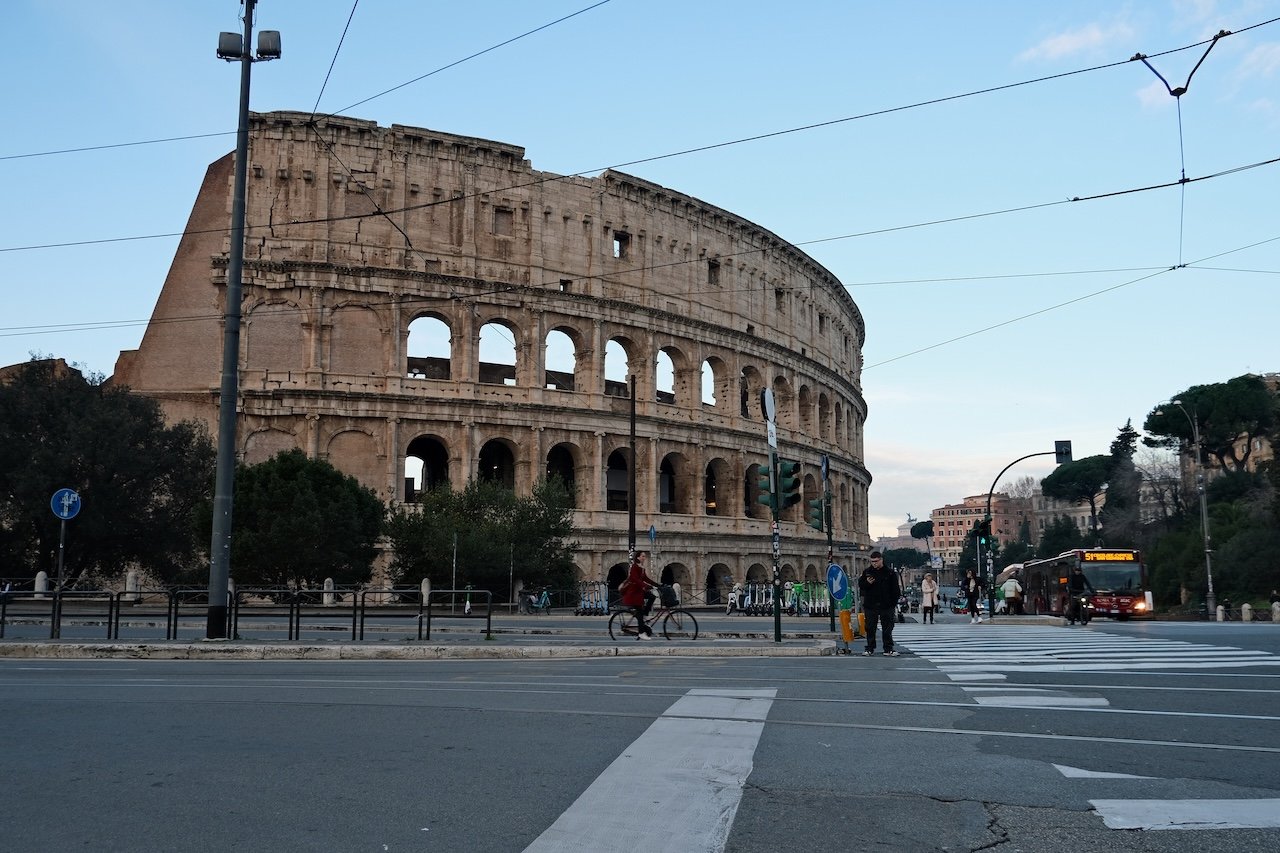
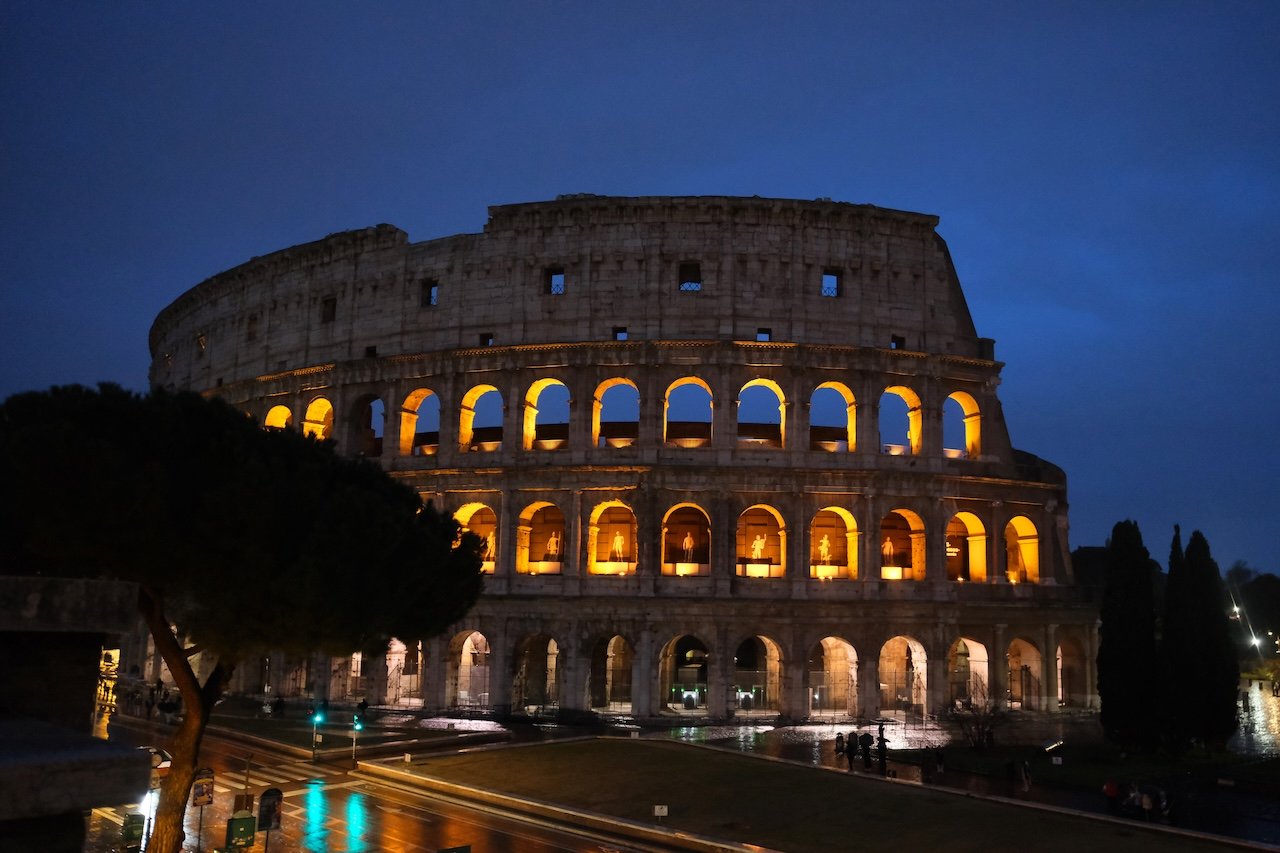
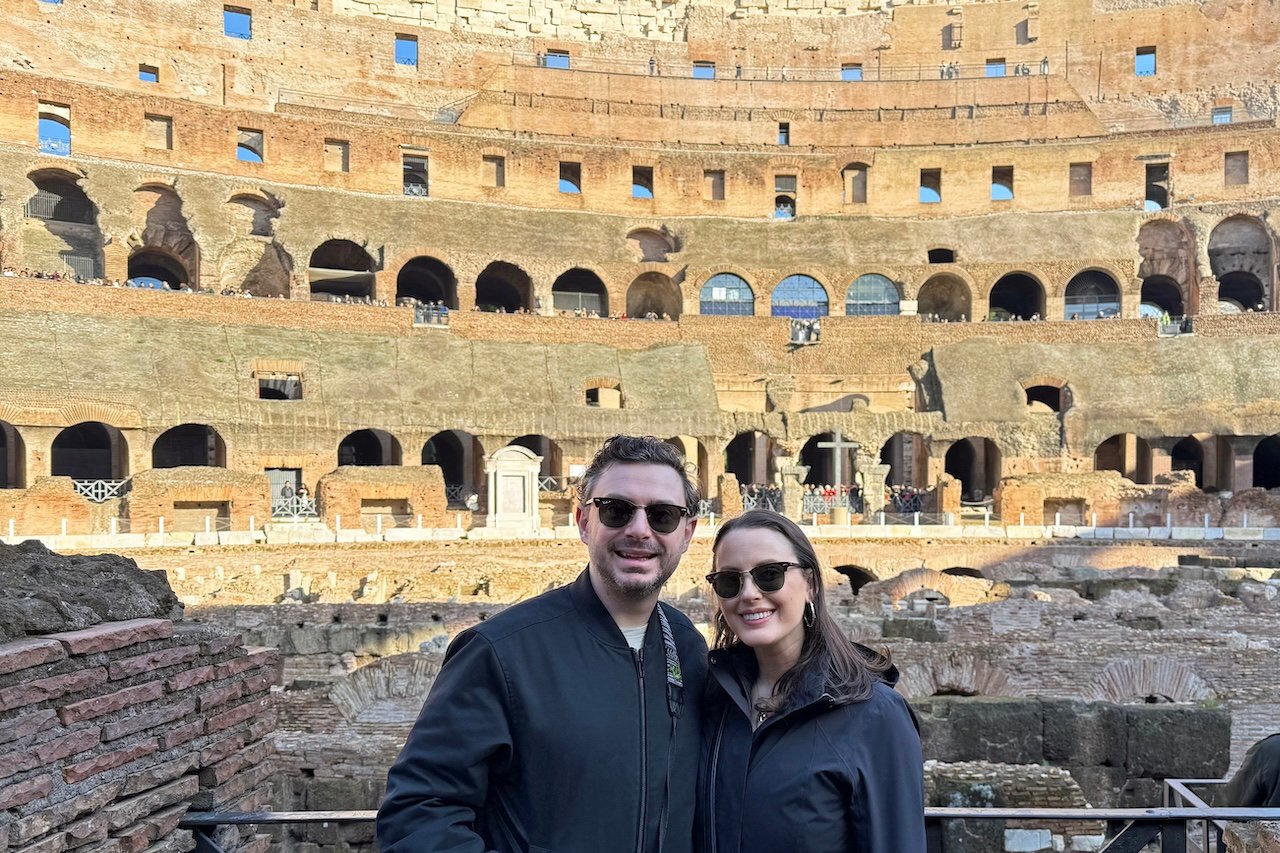
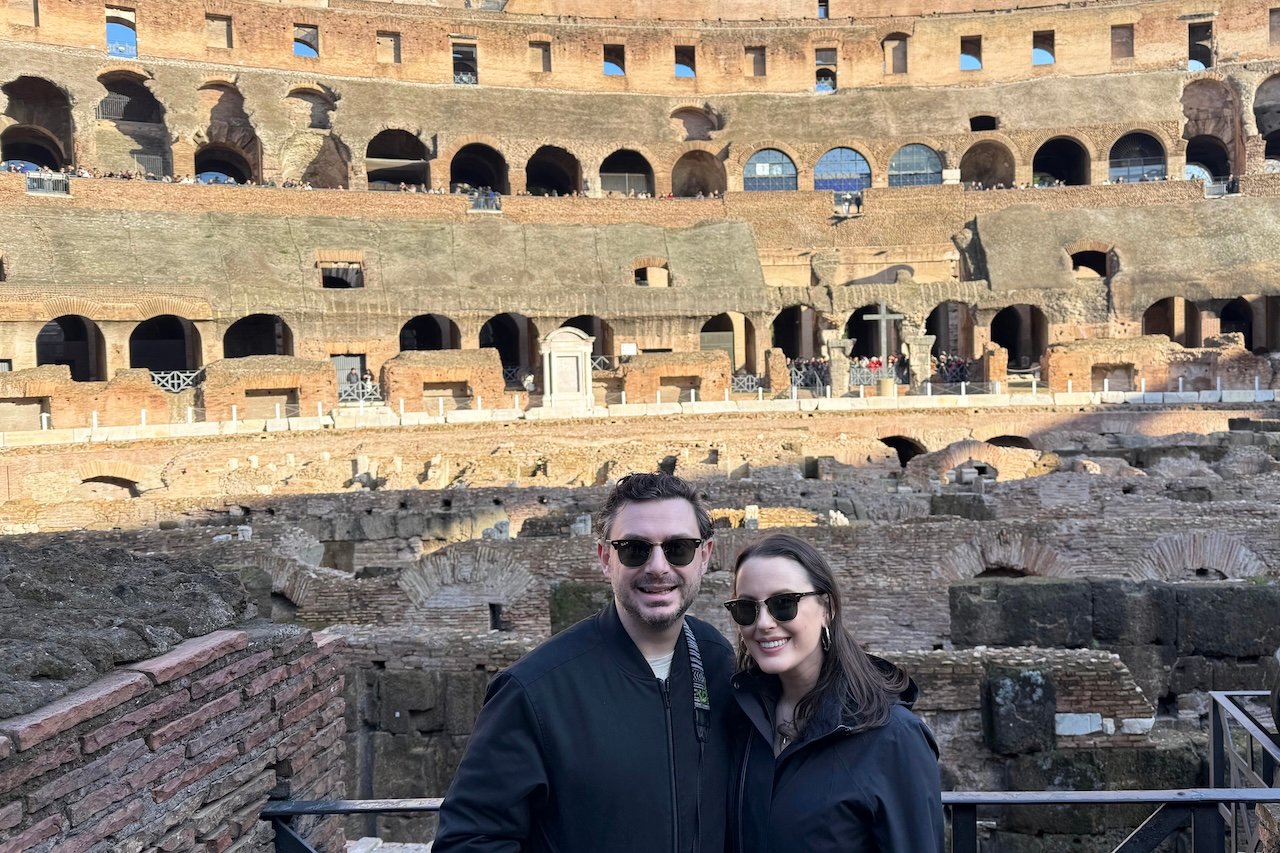
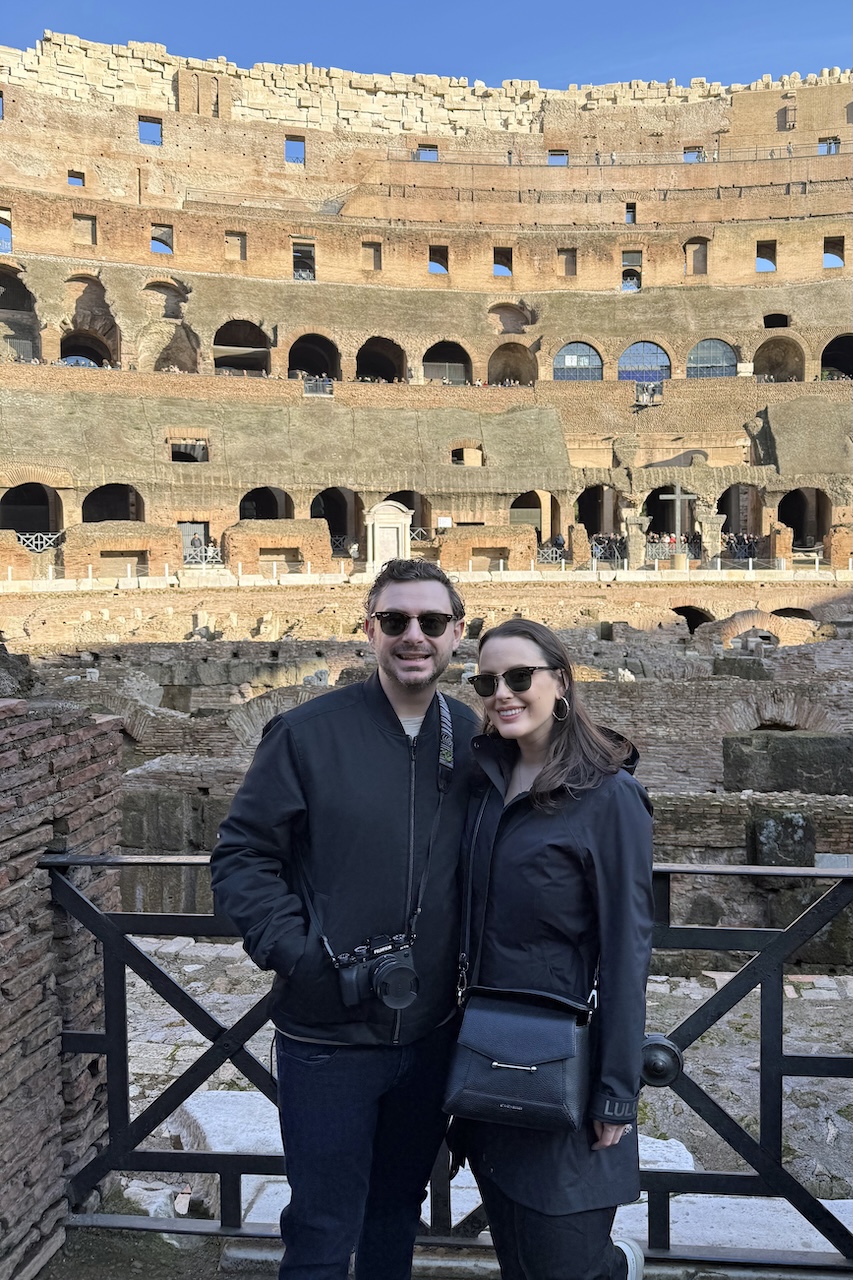
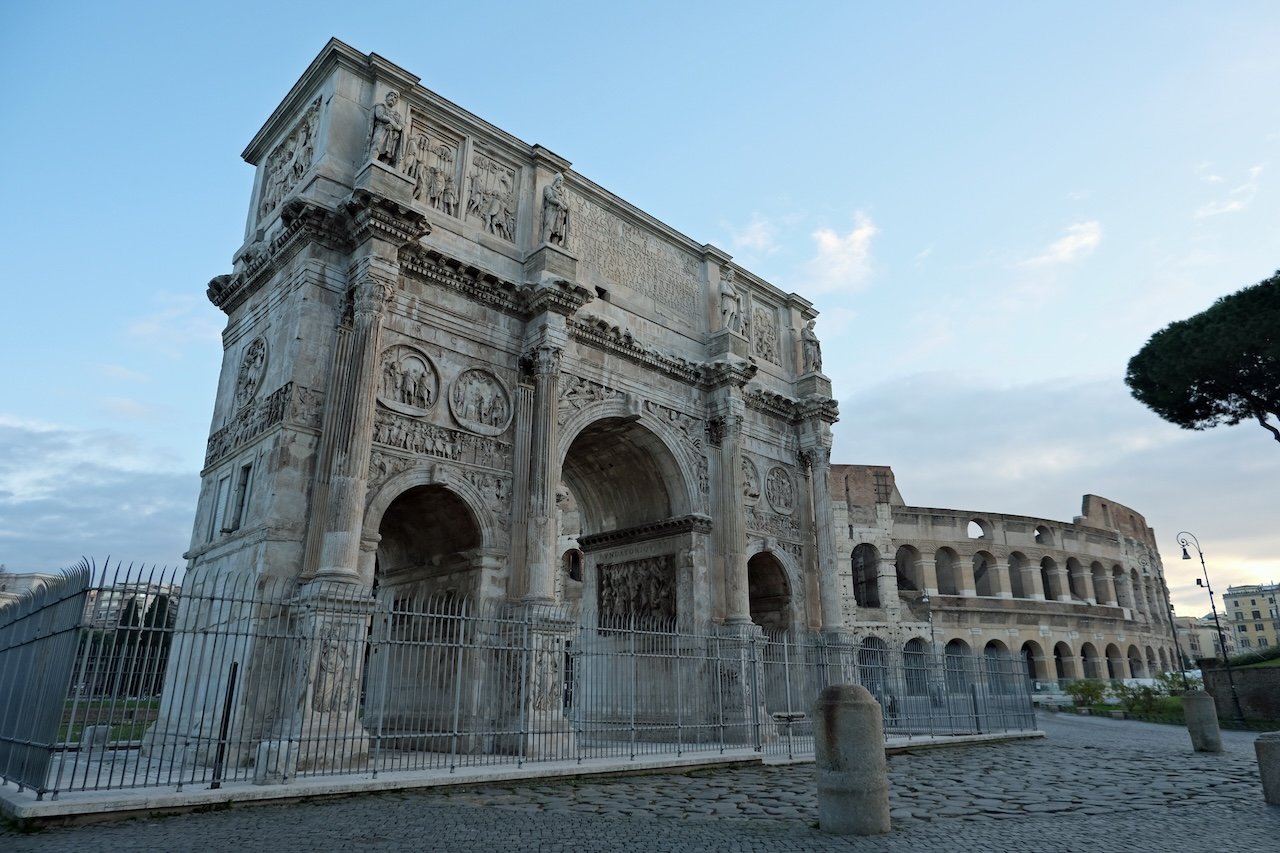
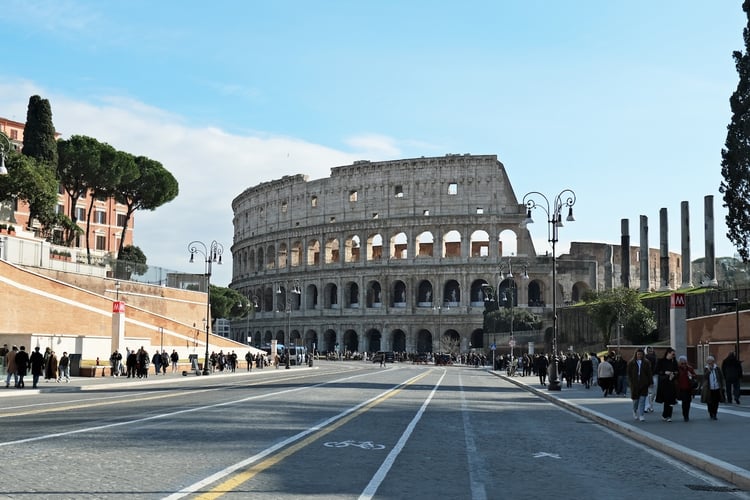
That calmer pace of Rome in January makes the city’s landmarks hit even harder. Standing in front of the Colosseum, with its impossibly thick stone walls still standing nearly 2,000 years later, never stops being impressive. Seeing something so massive and so old woven directly into everyday city life is a reminder that Rome is not just historic. It is enduring.
Rome is also a place where art and history constantly overlap. Ancient ruins sit beside Baroque fountains. Classical statues and centuries-old palazzos line streets you use just to get from place to place. There really is a church on nearly every corner, many of them are more beautiful than the last, and often holding Renaissance masterpieces that would be headline attractions anywhere else in the world.
The Vatican takes that sense of abundance to another level. You could easily spend an entire day inside the Vatican Museums and still not see everything. Beyond the sheer scale, it is also worth remembering that the Vatican is a major reason so much of ancient Rome still exists today. Through centuries of preservation, adaptation, and reuse, the Church protected countless works of art, architecture, and artifacts that might otherwise have been lost to time. The result is a collection that reinforces just how far Rome’s influence extends beyond the city itself.
Then, there is the food. Roman cuisine is simple, comforting, and consistently good. Think cacio e pepe, pasta carbonara, and Roman pizza ordered by the weight and cut into squares. Casual, affordable, and perfect after a long day of sightseeing. It is food that does not try too hard, and that is exactly why it is so delicious!
Rome can feel overwhelming at first. However, once you accept the grittiness, understand the crowds, and choose your timing carefully, the city becomes far more enjoyable.
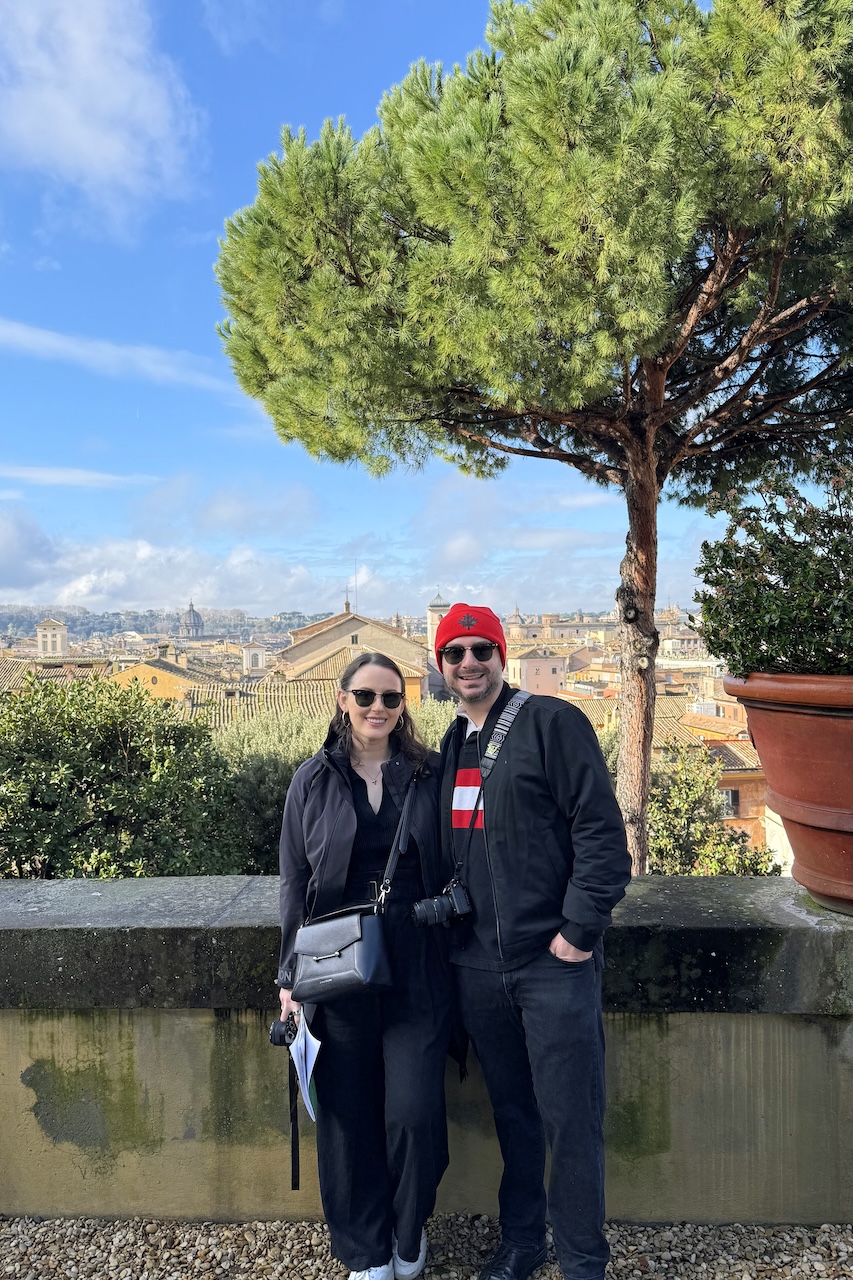
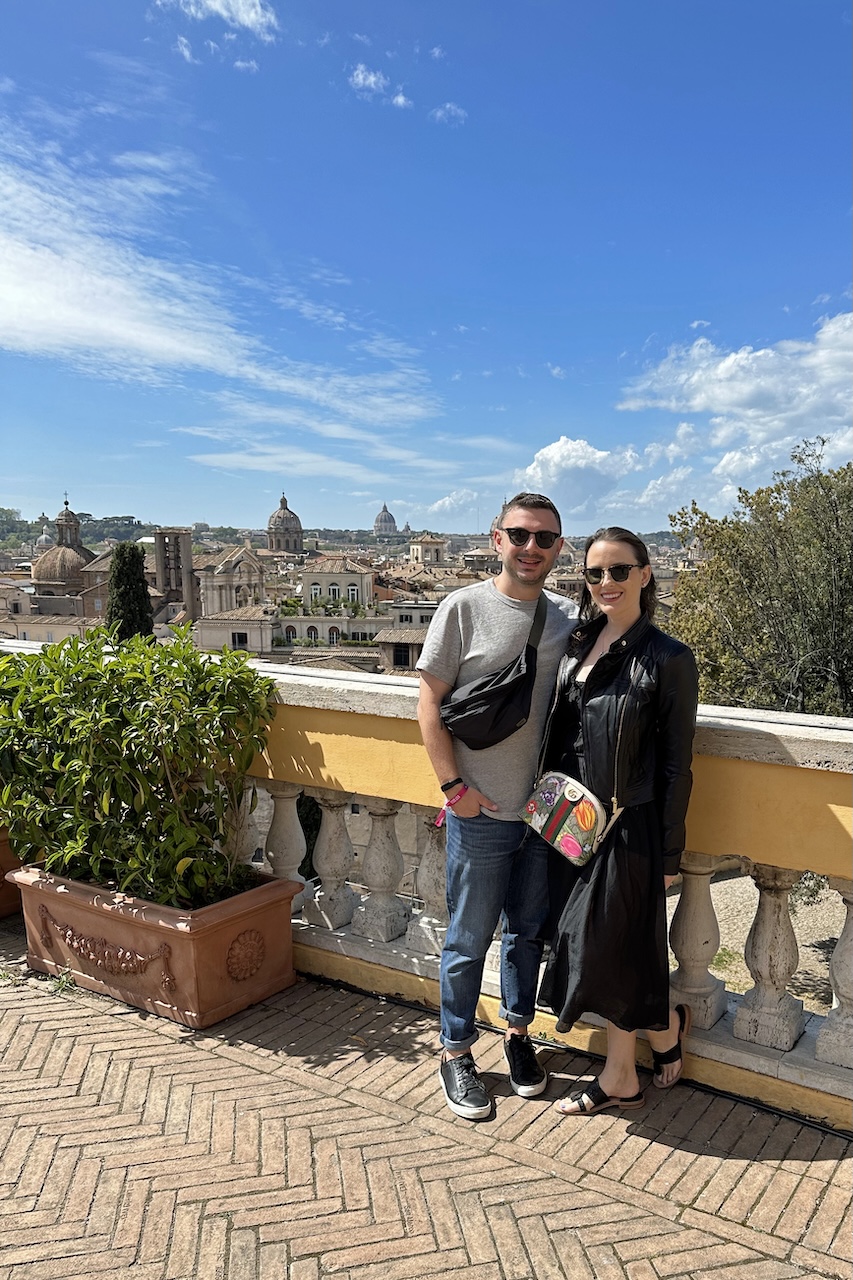
Rome is a sprawling city, and choosing where to stay has a bigger impact on your experience than you might expect. Neighborhoods here are not just about location. They shape how busy your days feel, how late your nights go, and whether Rome feels overwhelming or manageable. After visiting multiple times and staying in various locations, these are the areas that make the most sense for travelers, depending on what you value most.
If your mental image of Rome includes being able to walk out the door and reach major landmarks in minutes, Centro Storico is likely what you are picturing. This is the heart of historic Rome, where many first-time visitors naturally gravitate towards.
Staying in Centro Storico puts you within easy walking distance of iconic sights like the Pantheon, Piazza Navona, and the Trevi Fountain. It is an ideal base if you want to spend your days wandering between landmarks, popping into churches, and stopping for an espresso without worrying about using public transportation.
The tradeoff is the crowds. Centro Storico is busy from morning until late at night, especially during the height of travel season, March through early-to-mid-November. The Centro Storico is lively, energetic, and convenient, but it rarely feels quiet.
If walkability and proximity to Rome’s most famous sights matter more than quiet evenings, this is one of the easiest places to stay. Below are several hotel recommendations in Centro Storico that balance both location and comfort.
While Vatican City is technically its own country, it is still very much part of the Rome experience, especially for visitors. If time at the Vatican is a priority, staying nearby can make a noticeable difference. This is where the Prati and Borgo Pio neighborhoods really shine.
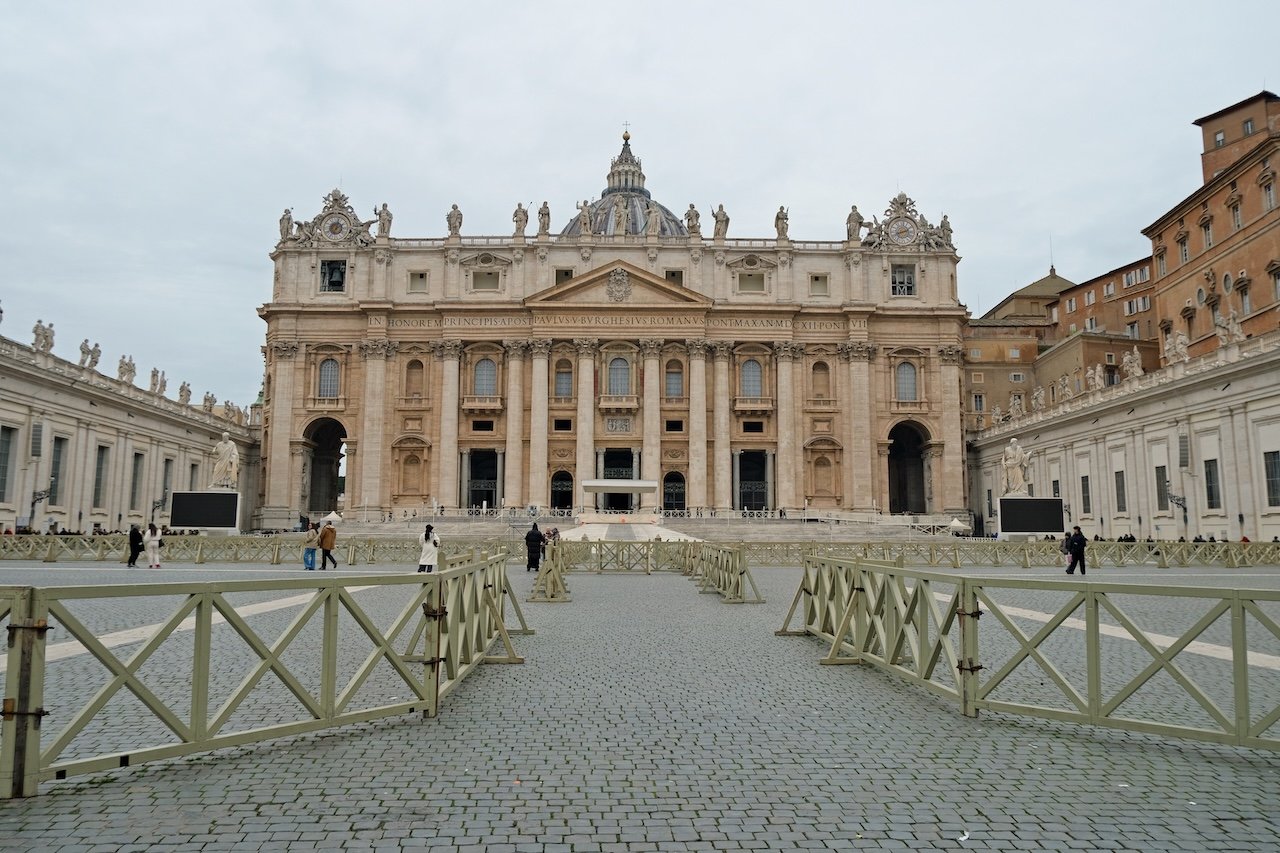
Prati and Borgo Pio sit just outside the Vatican walls and offers some of the easiest access to the Vatican Museums and St. Peter’s Basilica. If you have early entry tickets, plan to spend a full day at the museums, or simply want to avoid crossing the city to reach the Vatican, staying in Prati or Borgo Pio makes the logistics far easier and far less stressful.
What we like about Prati and Borgo Pio, though, is that they do not feel like Vatican-only neighborhoods. They have their own landmarks, anchored by Castel Sant’Angelo, which sits between the Vatican and the historic center. Even if you do not go inside, walking along the river toward the castle and crossing Ponte Sant’Angelo is one of the most scenic ways to approach central Rome and makes the area feel closely connected to the rest of the city.
Compared to Centro Storico, Prati and Borgo Pio feel more residential and polished. Streets are wider, evenings are noticeably quieter, and restaurants tend to cater less to tour groups and more to locals.
For travelers planning time to spend a lot of time at the Vatican, we recommended a few hotels in the Prati and Borgo Pio areas that make walks to the Vatican much easier.
Monti is one of the best neighborhoods in Rome and consistently one of our favorite areas to stay. It sits just uphill from the Colosseum and the Roman Forum, making it incredibly central without feeling as busy as Centro Storico.
Monti is also home to several lesser-discussed but genuinely worthwhile historic sites. The Domus Aurea, Emperor Nero’s vast underground palace, is located right at the edge of the neighborhood and offers one of the most unique archaeological experiences in Rome. Visiting requires advance tickets and feels very different from the city’s more open-air ruins.
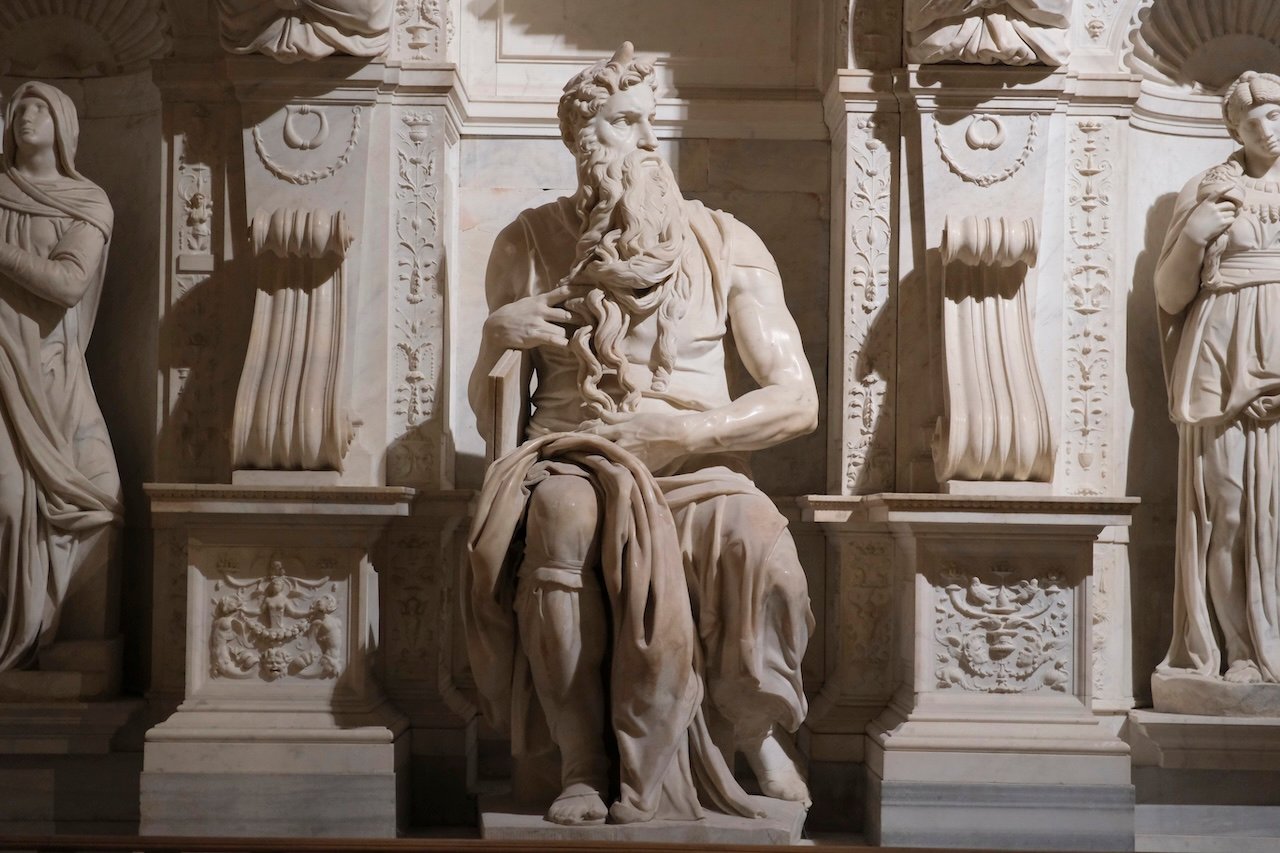
Just a short walk away is the Basilica of San Pietro in Vincoli (Basilica of St. Peter in Chains), best known for housing Michelangelo’s Moses. It is one of those places that often surprises people. From the outside the basilica feels unassuming, but inside it holds one of the most significant sculptures in the city and is well worth a stop if you are staying nearby.
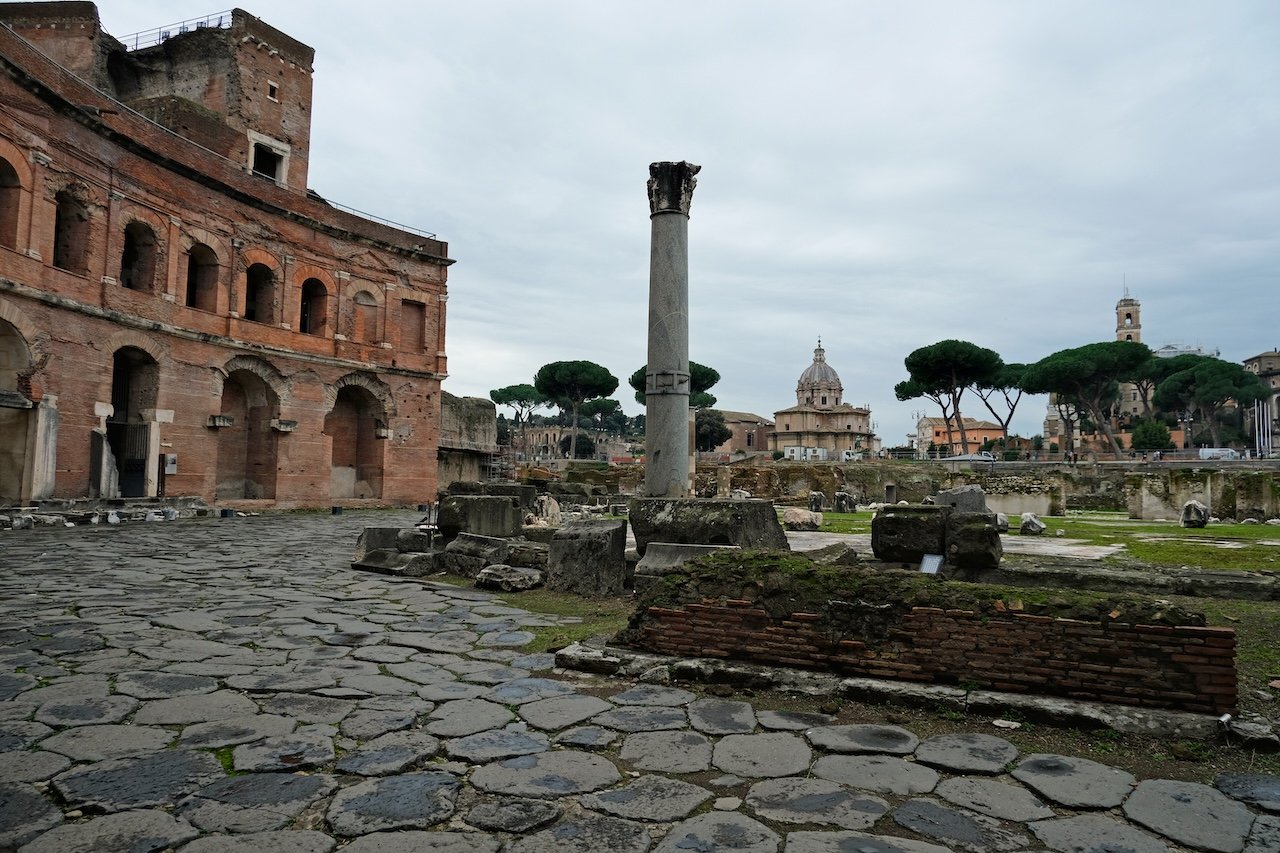
Monti also places you within easy reach of sites like Trajan’s Market and Via dei Fori Imperiali, while still feeling more residential once you step off the main streets. In the evenings, the neighborhood quiets down, with small wine bars, boutiques, and restaurants that feel geared toward locals as much as visitors.
Monti works especially well if you want to be close to Rome’s most iconic sights without feeling surrounded by tour groups at all hours of the day. It is a great option for travelers who value walkability, atmosphere, and a neighborhood that feels genuinely lived-in.
We previously stayed in Monti in great a vacation rental since we were in town for over a week, but we can also recommended a handful of hotels in Monti that strike a balance between location and comfort. These are all hotels we would seriously consider staying in on our next trip to Rome!
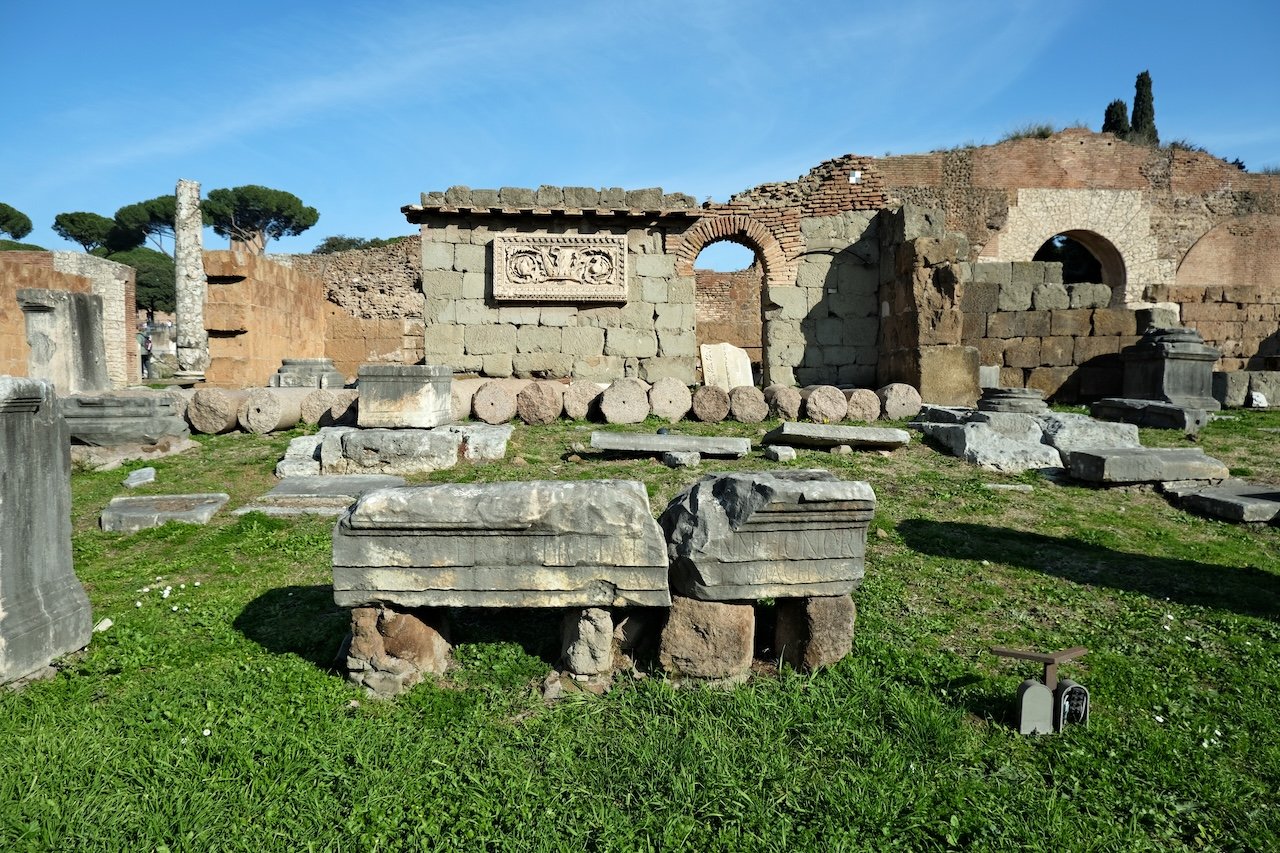
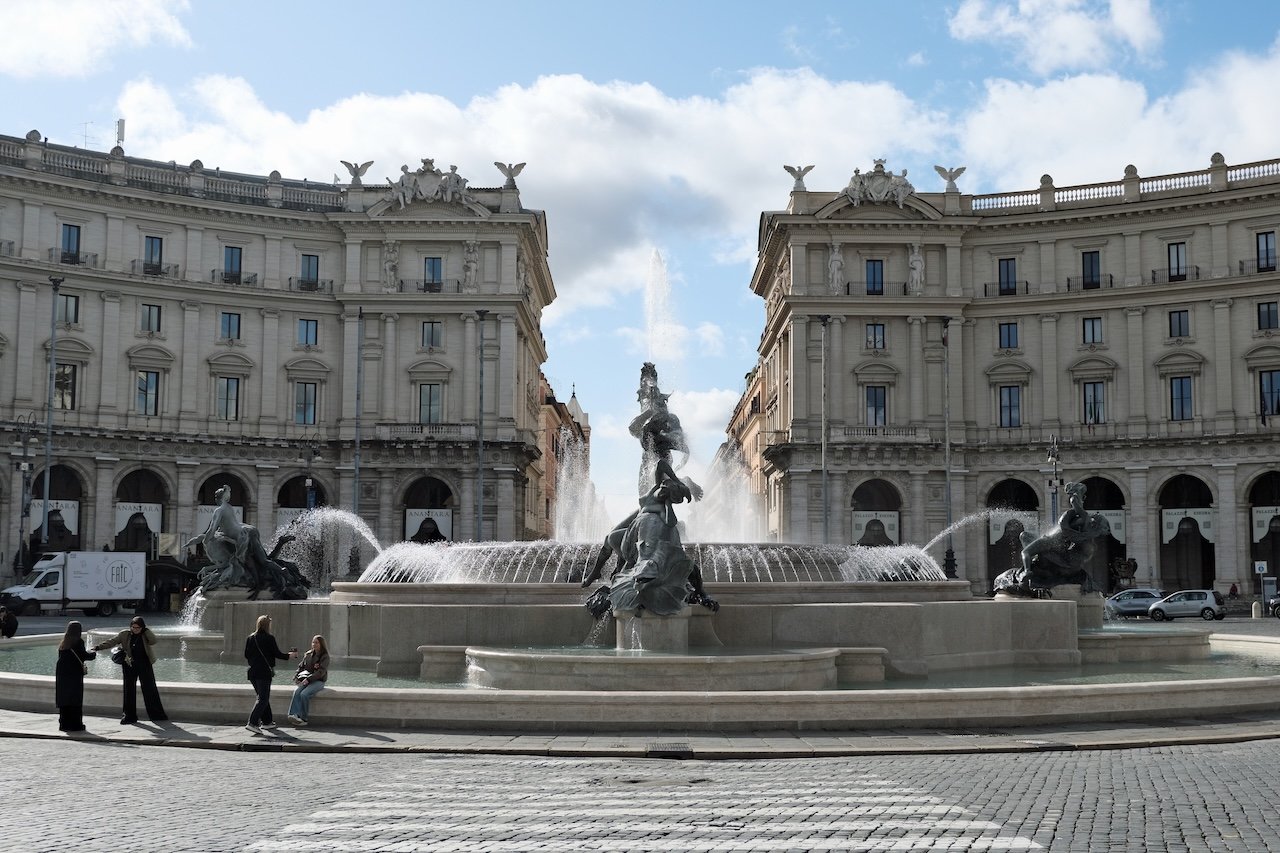
The Termini neighborhood, and area immediately surrounding Roma Termini Station (also Rome Termini Station), is not the prettiest part of Rome. You will not find charming buildings or postcard-perfect streets. However, what it lacks in atmosphere, it more than makes up for in convenience. For travelers who value easy logistics, strong transit connections, and good hotel value, Termini is one of the most practical bases in the city.
One of the biggest advantages is location. From Termini, you can walk to major sights like the Colosseum, or hop on one of Rome’s metro lines at the Termini Metro Station to reach just about anywhere else quickly. It is especially convenient if you are arriving late, departing early, or planning day trips from Rome by train.
We have stayed near Termini several times now, most often at UNA Hotels Decò Roma, simply because the convenience is hard to beat. Being steps from the station makes getting in and out of Rome easy, and after long days of sightseeing, we have appreciated having reliable transportation right outside the door.
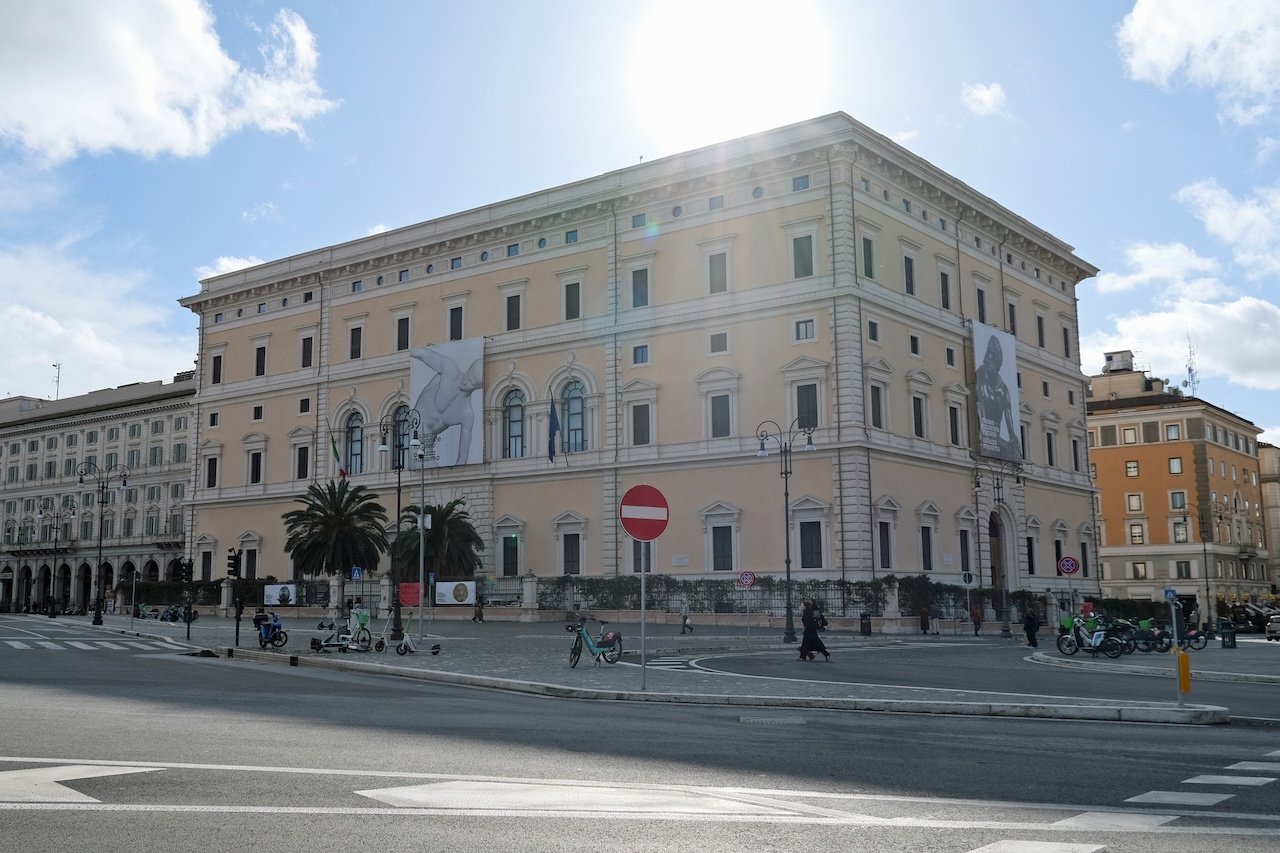
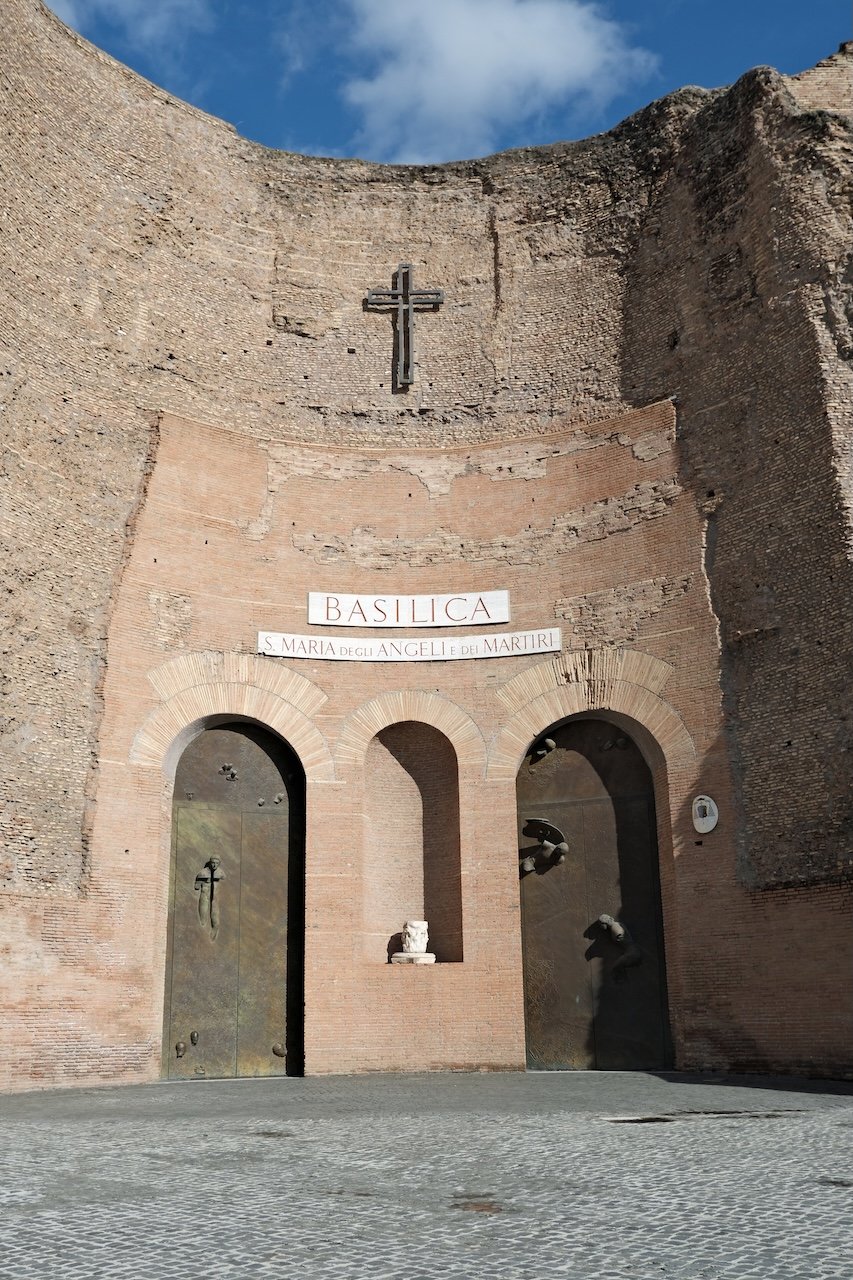
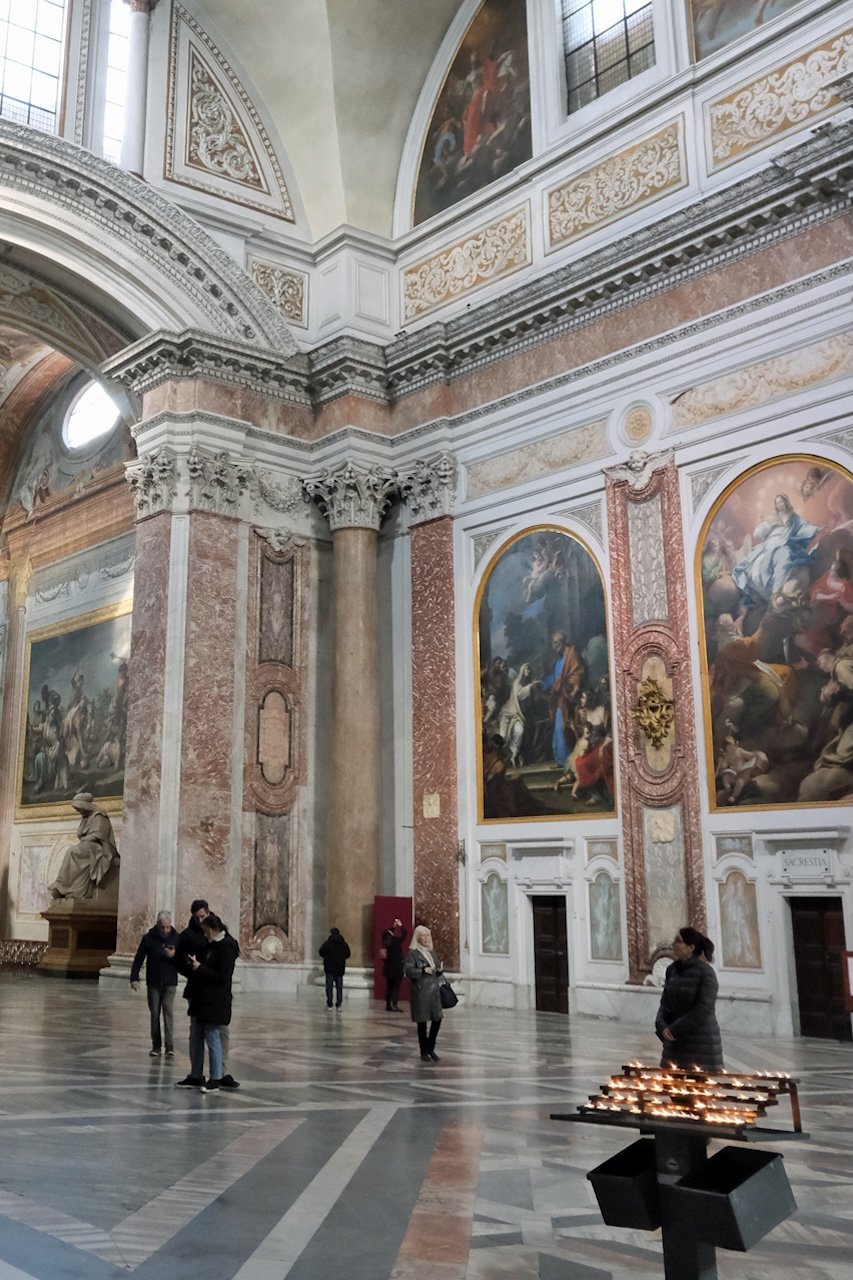
Termini also tends to surprise people when it comes to what is hiding nearby. The Museo Nazionale Romano is spread across a couple of buildings in the area and offers an excellent look at ancient Roman art and archaeology, without the crowds of larger museums in the city. Just around the corner, the Basilica of St. Mary of the Angels and the Martyrs, designed in part by Michelangelo, is well worth stepping into and often overlooked by most tourists. (If the name of this church rings any bells, it is because it hosted fashion designer Valentino Garavani's funeral in January 2026.)
Add in a handful of genuinely good restaurants tucked into the surrounding streets, and Termini becomes more than just a transit hub. It may not be the most charming neighborhood in Rome, but as a home base, it is efficient, well-connected, and consistently good value.
Near Termini, we recommend several budget-friendly hotel options that prioritize convenience and transit access.
If you are drawn to the romantic, lived-in side of Rome, Trastevere is hard to beat. Cobblestone streets, lively piazzas, and a strong local feel makes this one of the most atmospheric neighborhoods in the city, especially in the evenings. Trastevere is where Rome slows down just enough to enjoy a long dinner or a late-night stroll.
The tradeoff is convenience. Trastevere sits just across the Tiber River from many of the major tourist attractions in Rome, which means a bit more walking or reliance on public transportation than if you were to stay in the Centro Storico or the other neighborhoods listed in our Rome Travel Blog. For travelers who value charm and character over being steps from landmarks, however, it is absolutely worth it.
For travelers drawn to Trastevere’s atmosphere, we have included a small selection of hotels here that are well-situated with great reviews.
After visiting Rome multiple times, we have found ourselves gravitating toward neighborhoods like Monti or Termini rather than staying right in the Centro Storico. While the area around the Pantheon and Trevi Fountain is undeniably iconic, these streets are narrow and overwhelmingly crowded from early morning through late at night. It is not uncommon, even in January, for streets in Centro Storico to be packed shoulder-to-shoulder, which can make even short walks feel exhausting, let alone impossible if you are walking with luggage.
Staying just slightly outside the busiest areas gives us more breathing room. Neighborhoods like Monti still offer easy walkability to major sights, while Termini provides excellent transit connections that make getting around Rome straightforward. For us, being able to step away from the densest crowds at the end of the day, and move efficiently across the city when needed, has made Rome feel far more enjoyable and livable.
Rome has an endless list of things you could see. After multiple visits, we have learned that trying to do everything is the fastest way to feel overwhelmed. Instead, we have found that Rome is best approached with clear priorities, realistic pacing, and the understanding that you will never see it all, and that is okay.
Rather than organizing our days by category or chasing every “must-see,” we think in terms of what consistently feels worth our time, what is great if you have extra time in your itinerary, and what we would personally skip or approach differently on a future trip.
These are the experiences we think belong at the core of a Rome itinerary, especially on a first visit. Think of them as the best things to do in Rome!
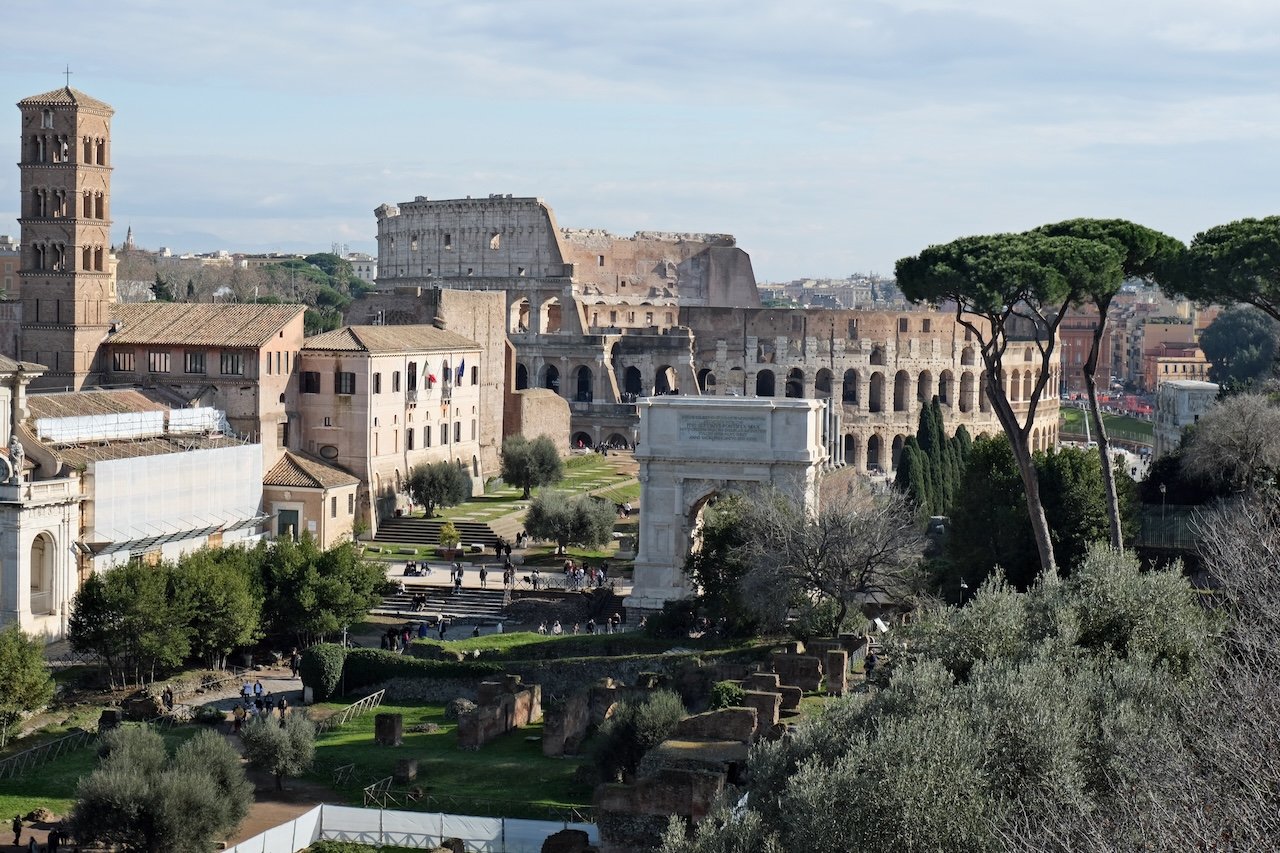
The Colosseum is one of those landmarks that truly lives up to its reputation. Construction began in 72 AD under Emperor Vespasian, and nearly two thousand years later, much of the structure is still standing. It remains the largest Roman amphitheater ever built, a feat of engineering that once held upwards of eighty thousand spectators for gladiatorial contests, public spectacles, and civic events. Standing inside it, the scale is hard to fully process, especially when you consider its age and how much of it has survived earthquakes, stone removal, and centuries of use.
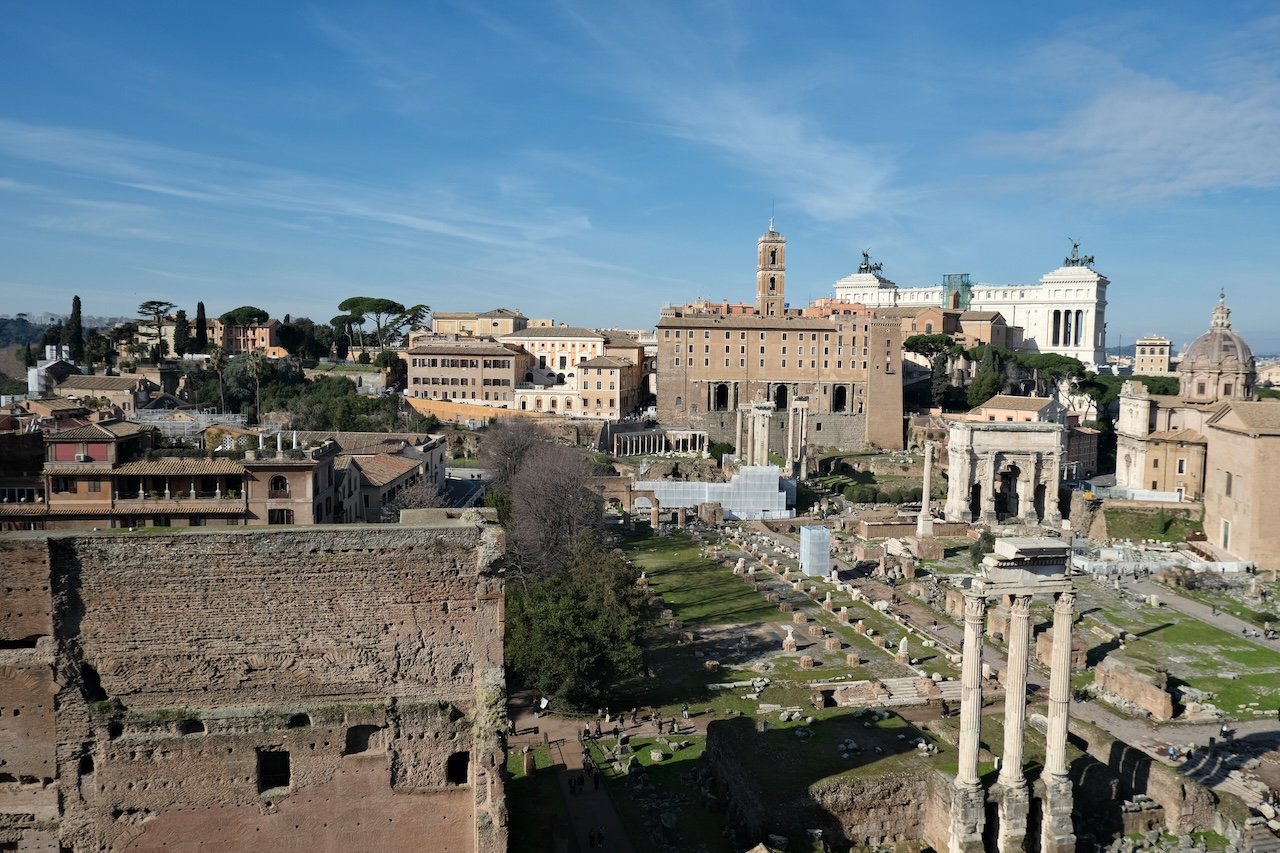
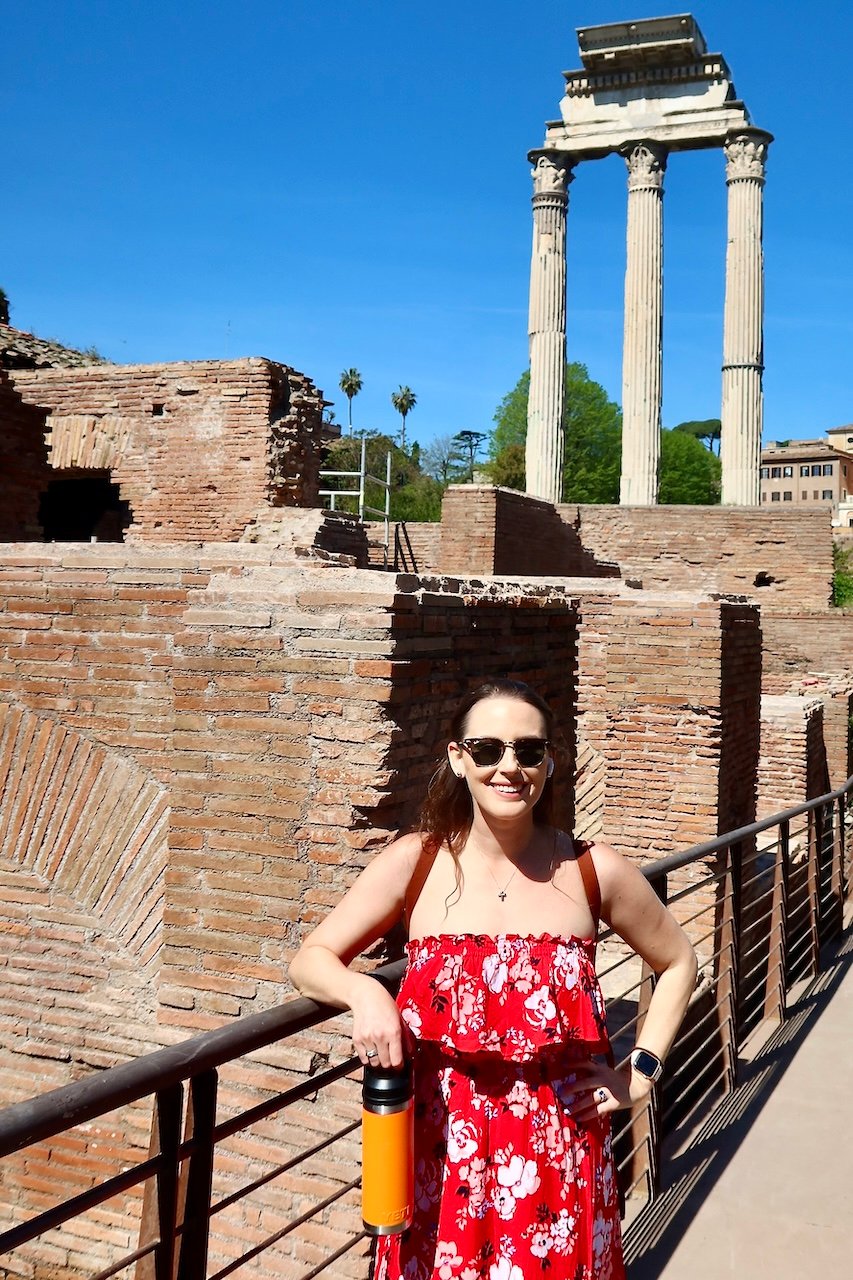
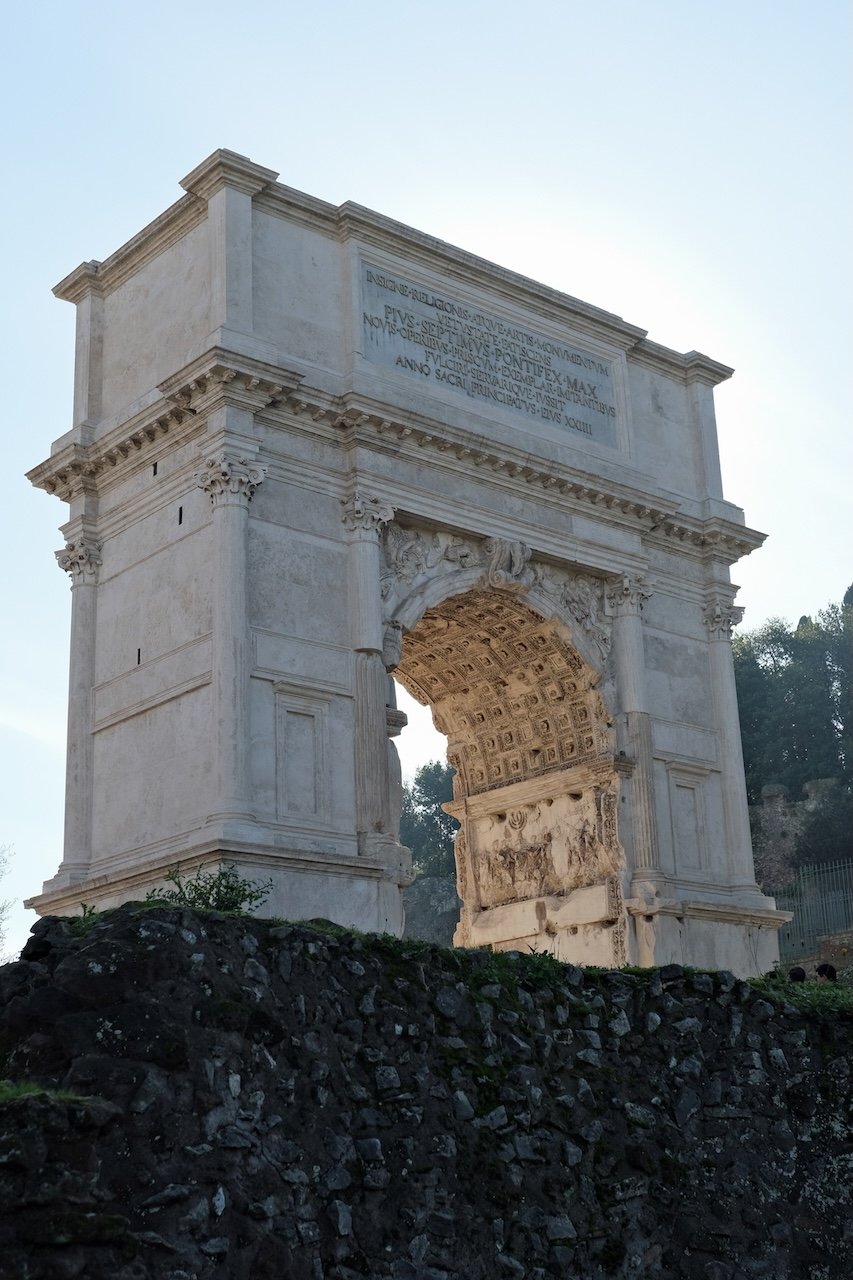
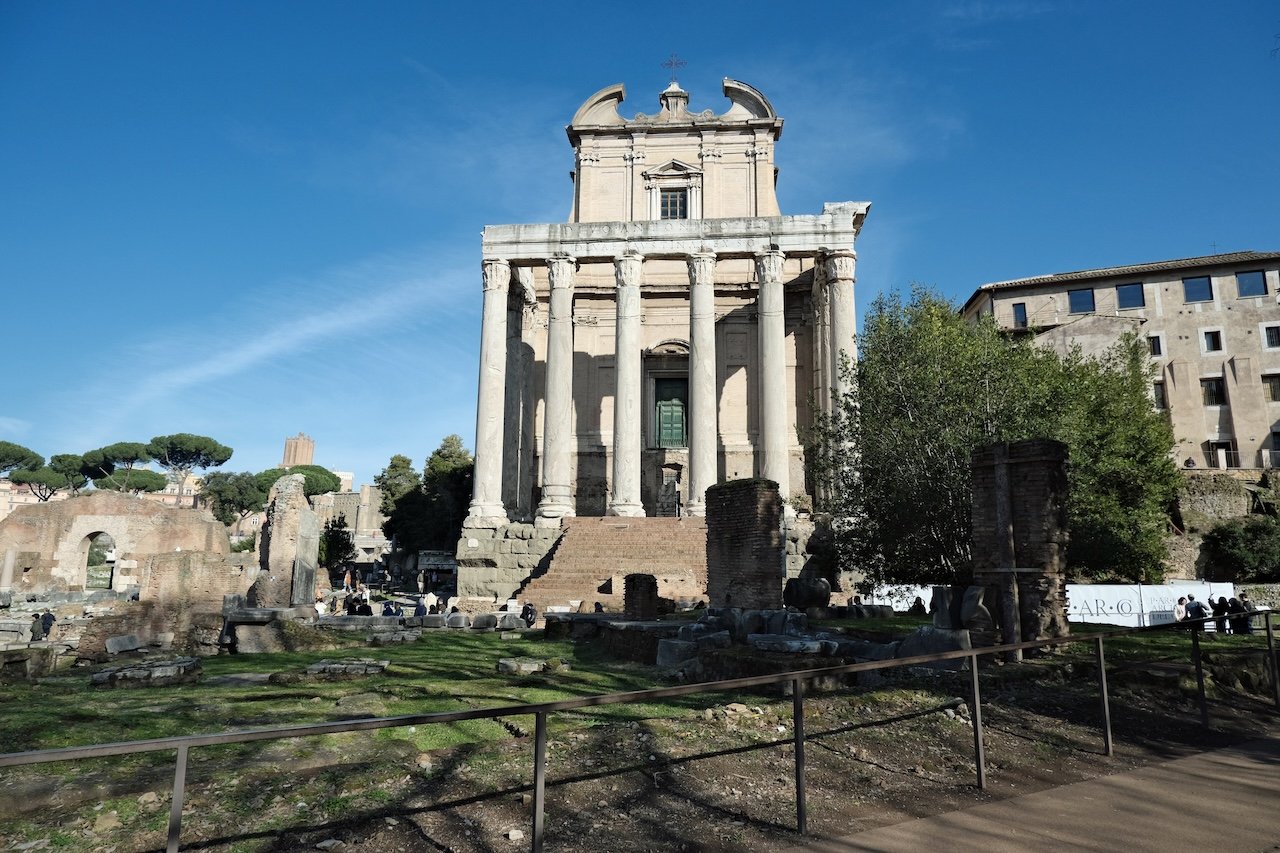
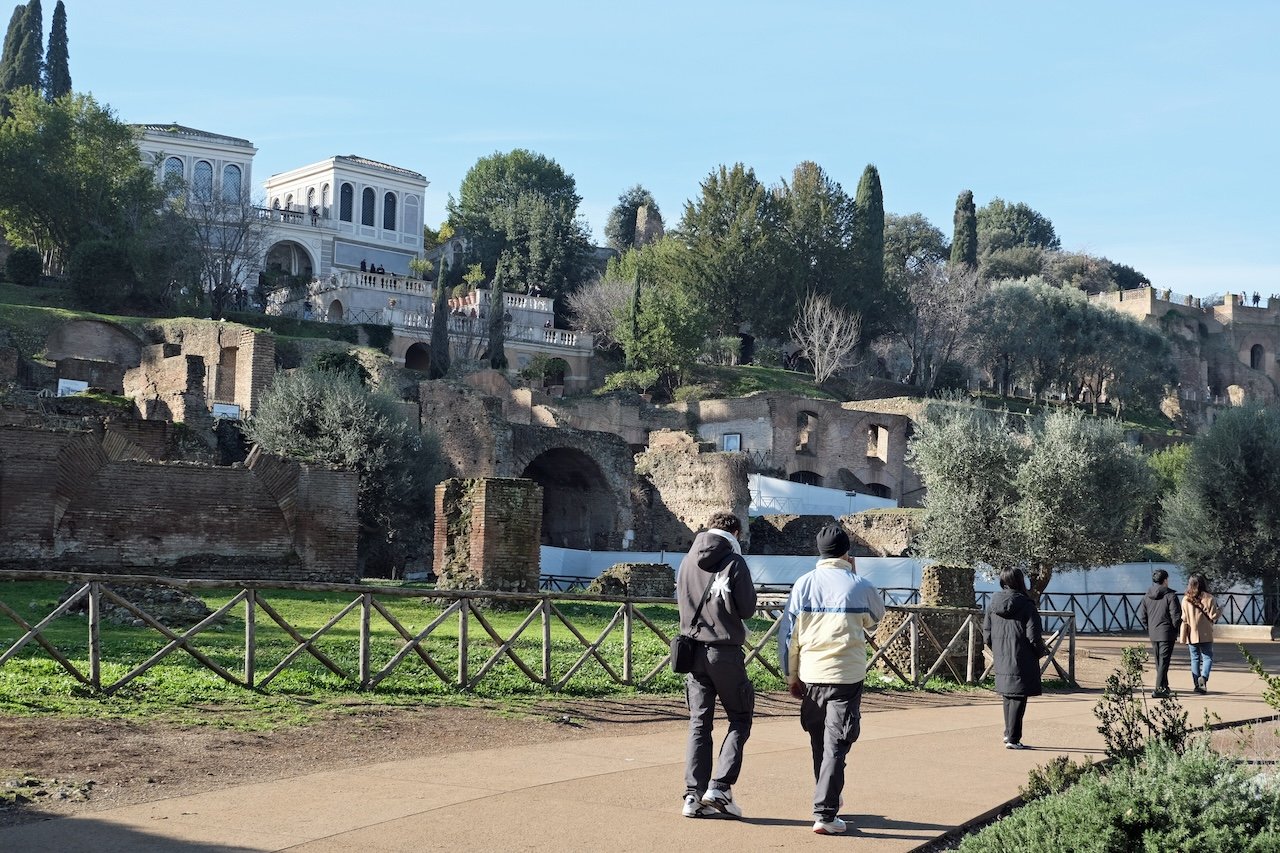
A visit to the Colosseum is typically paired with the Roman Forum and Palatine Hill, and we strongly recommend treating these three sites as a single experience. The Forum was once the political, religious, and social heart of ancient Rome, where temples, basilicas, and public buildings shaped daily life. Palatine Hill, overlooking it all, adds crucial context. It is traditionally considered the birthplace of Rome, later became home to imperial palaces, and offers the best views of the Forum.
The Colosseum, Roman Forum, and Palatine Hill is one area of Rome where context really matters. The ruins are vast and signage is limited, which is why we highly recommend visiting with a guide on your first trip. If you choose not to book a tour, using a high-quality audio guide can make a big difference in understanding what you are seeing and why it matters.
Tickets for the Colosseum, which includes access to the Roman Forum and Palatine Hill, must be purchased online via the Parco Arcologicol del Colosseo website in advance of your visit. Same-day tickets are available in limited quantities for the Roman Forum and Palatine Hill.
We keep returning to this trio of ancient sites because it is where Ancient Rome feels the most tangible. More than any museum or monument, this area shows how the ancient city functioned at scale, and it never stops being impressive, even on repeat visits.
Jetset Seeker Pro Tip: If you decide not to book a guided tour, consider using the free audio guides from Rick Steves' Europe for the Colosseum and Roman Forum. They are thoughtfully paced, easy to follow, and add much-needed context without the cost of a private tour guide.
If it is extremely hot or the crowds feel overwhelming, consider a smaller alternative to the Roman Forum like Trajan's Market, which is easier to navigate and still incredibly informative.
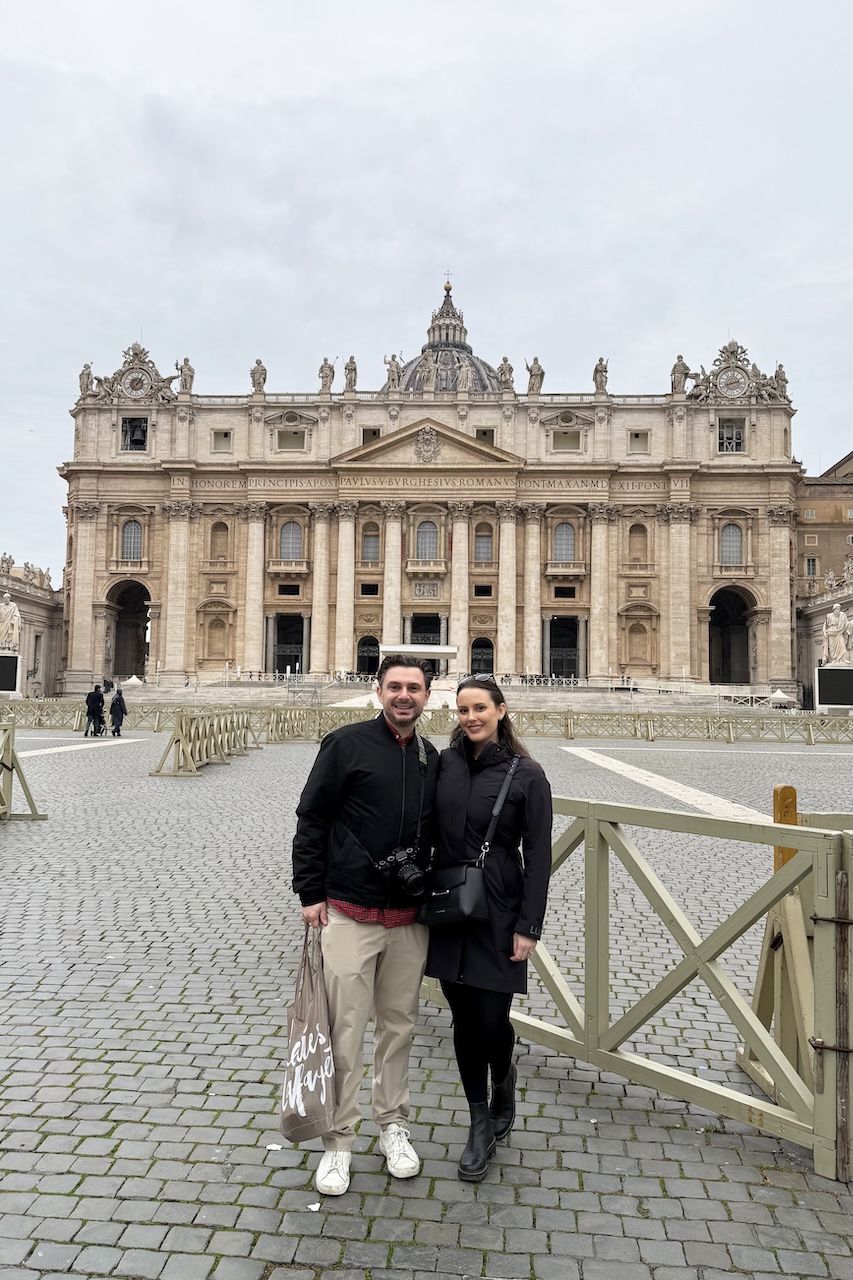
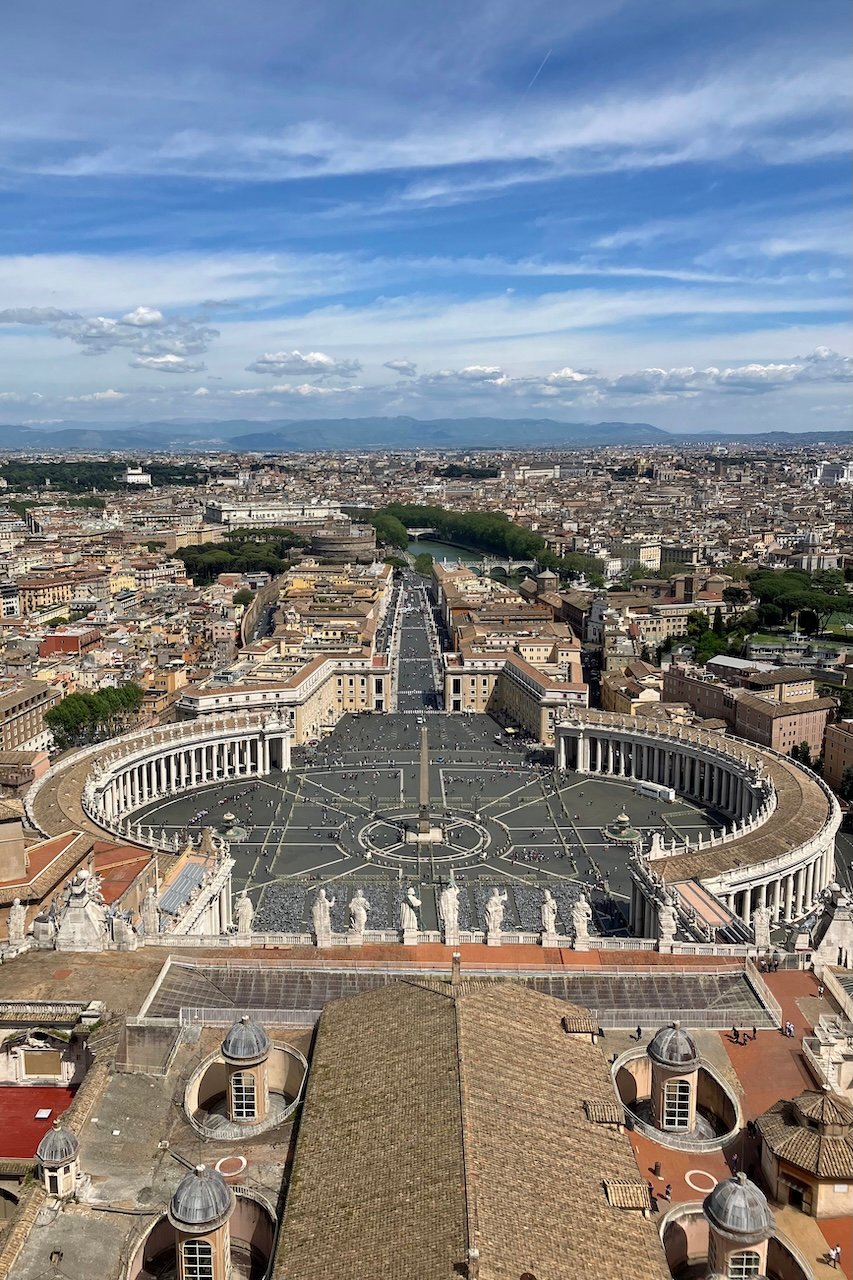
St. Peter’s Basilica is the most important church in Catholicism, built on the site where Catholics believe Saint Peter, the first pope, was crucified and buried. According to tradition, Peter was executed during the reign of Nero at the Circus of Nero, in what is now St. Peter’s Square in the 1st century AD. The Vatican Obelisk, brought from Egypt by Emperor Caligula, still stands as a reminder of how much history has taken shape at this site in Rome.
Long before the current basilica was built, this was the location of Old St. Peter’s Basilica, commissioned by Emperor Constantine in the 4th century AD. For more than 1,200 years, it served as the spiritual center of Christianity, hosting major events including the coronation of Charlemagne in 800 AD. By the 16th century, the original basilica was in decline and ultimately demolished to make way for the Renaissance and Baroque masterpiece that stands here today.
Even if you are not Catholic or particularly religious, St. Peter’s Basilica is absolutely worth visiting. Its significance extends far beyond faith and is truly an architectural masterpiece.
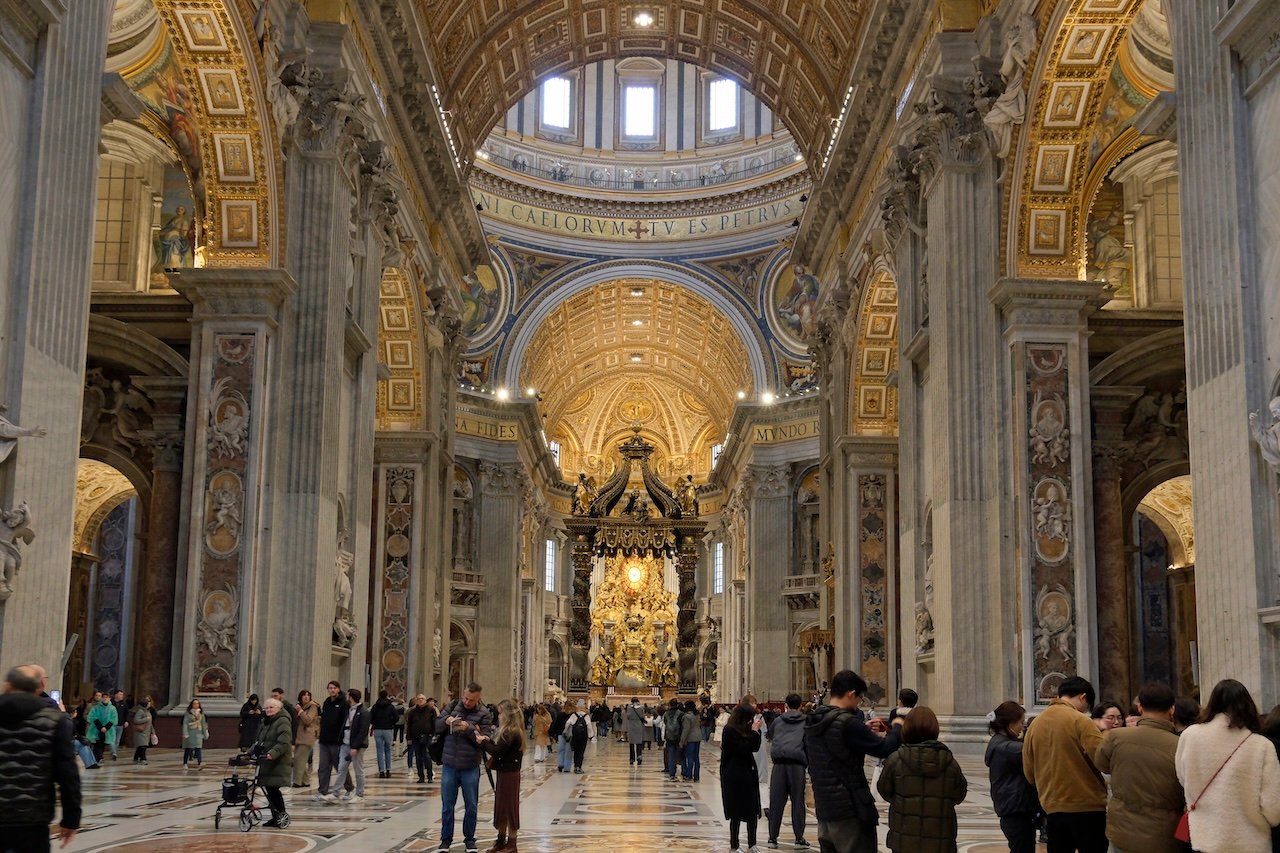
The interior of St. Peter’s Basilica is vast and carefully composed, designed to impress through scale as much as detail. (In fact, the interior of St. Peter's Basilica is approximately the size of two American football fields!) Many of the church’s most iconic elements are tied to two artists who shaped Rome itself: Michelangelo Buonarroti and Gian Lorenzo Bernini.
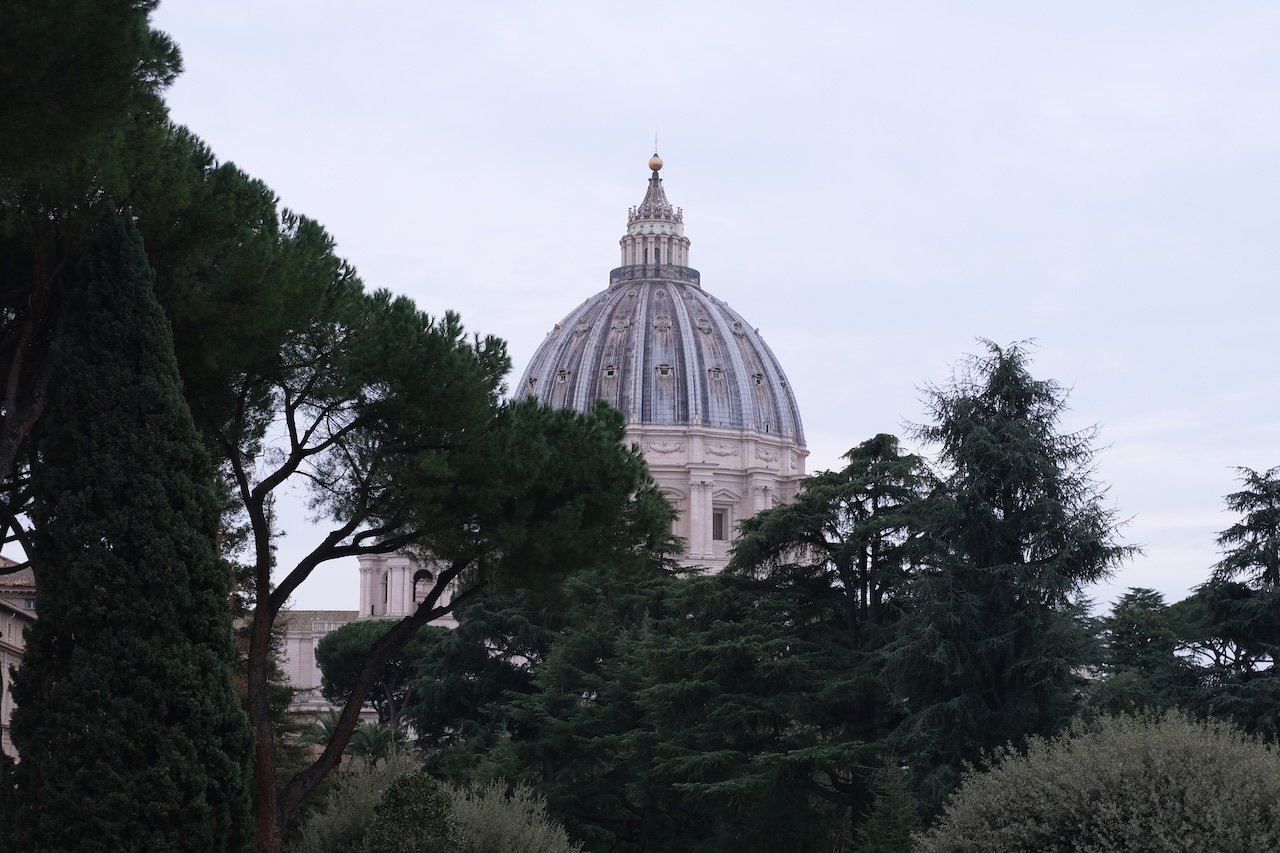
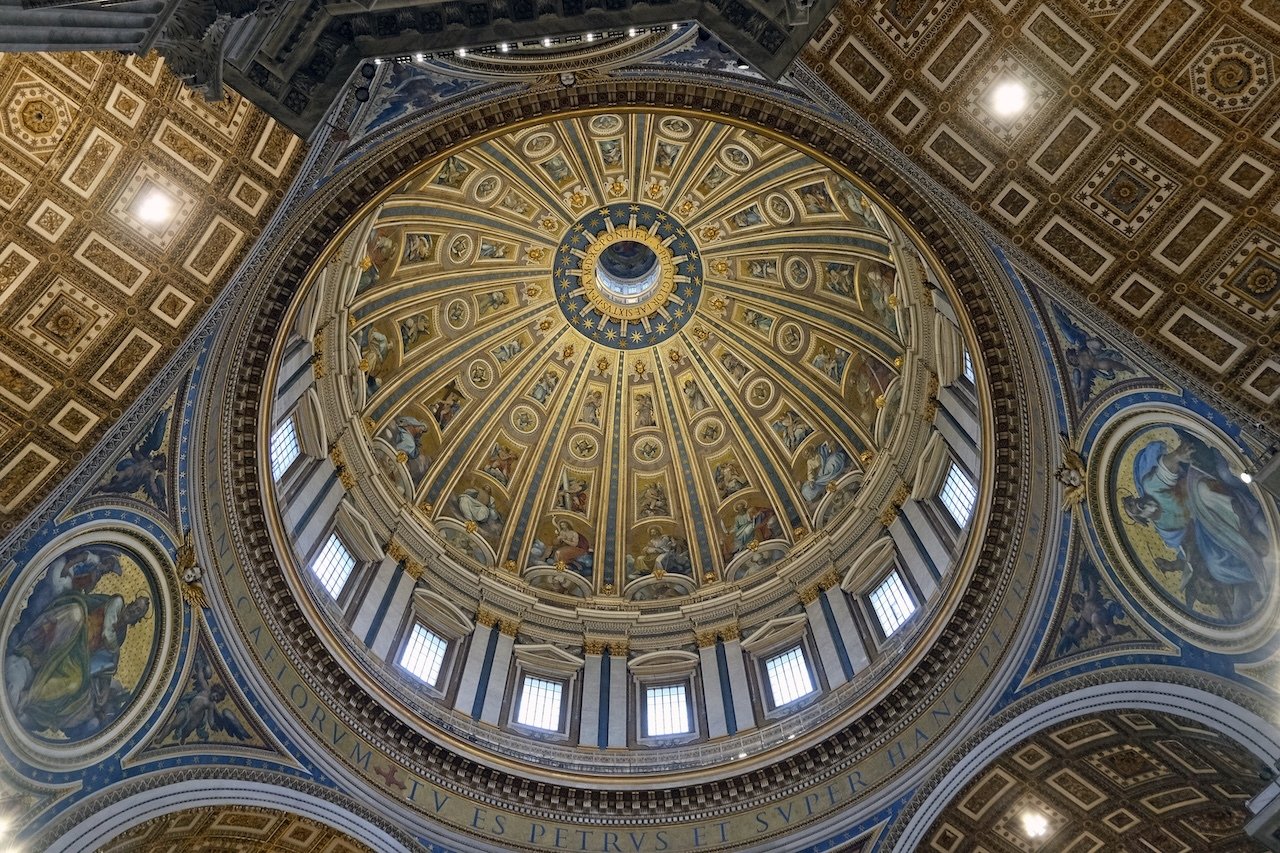
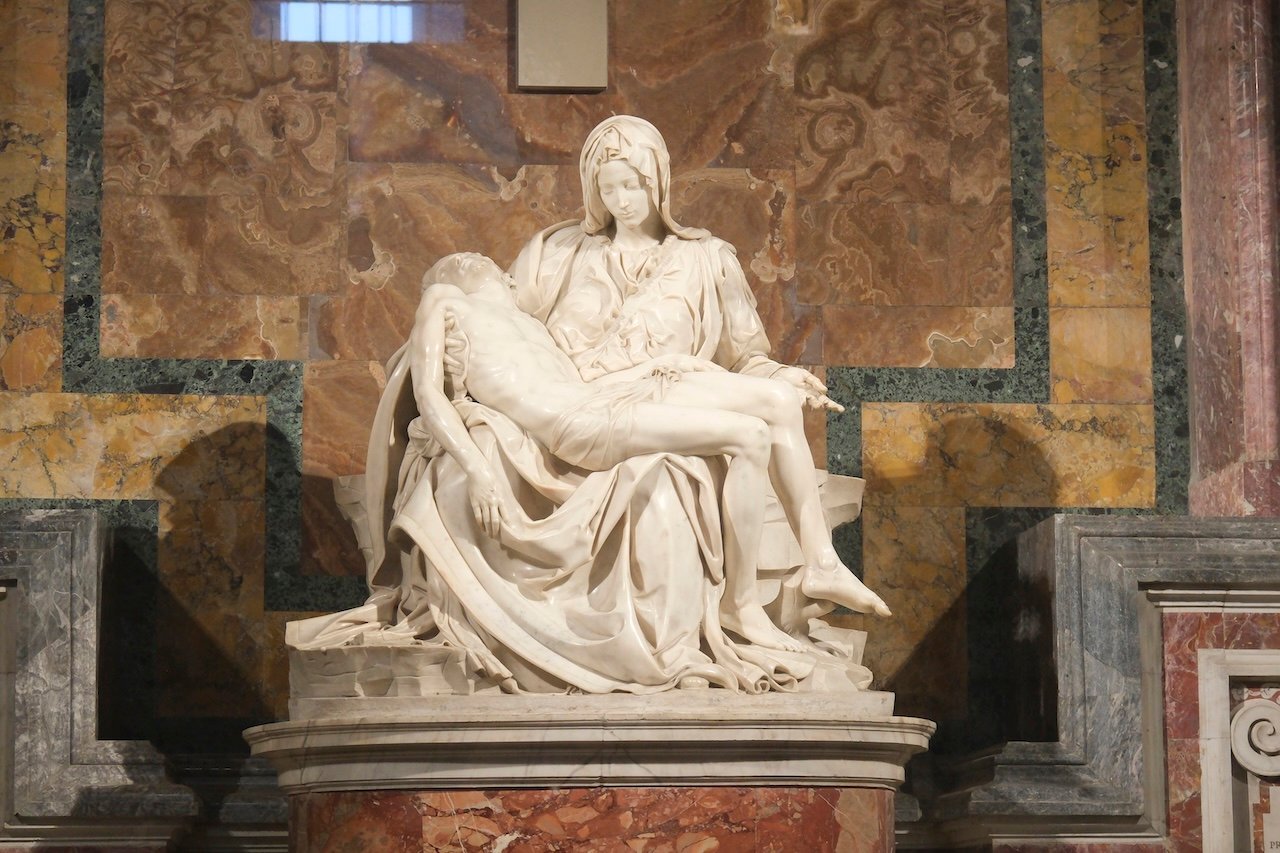
Michelangelo’s dome dominates the space, both structurally and emotionally, drawing your eye upward and shaping the skyline of Vatican City. Inside, one of the most moving works is Michelangelo’s Pietà, his sculpture of Mary holding a dead Christ, which is surprisingly emotional despite the scale of the basilica around it.
Bernini’s influence is equally striking, most notably in the massive bronze baldachin over the high altar. Together, their work creates a space that feels both monumental and deeply human, which is part of what makes St. Peter’s so memorable.
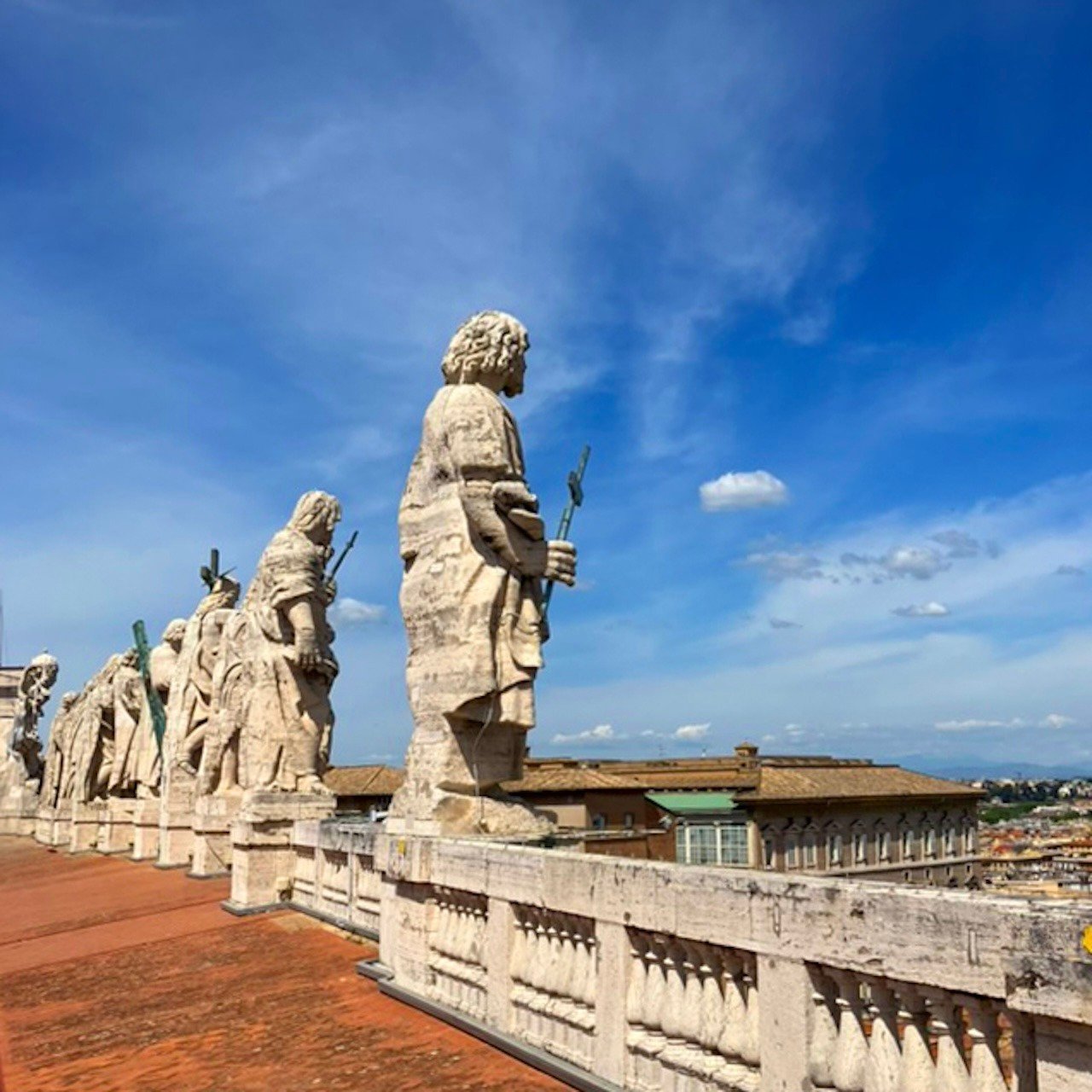
No matter how many times we visit, St. Peter’s Basilica never really loses its impact. Standing inside such an immense space, then climbing the dome and looking out over the city, puts Rome into perspective in a way few places can.
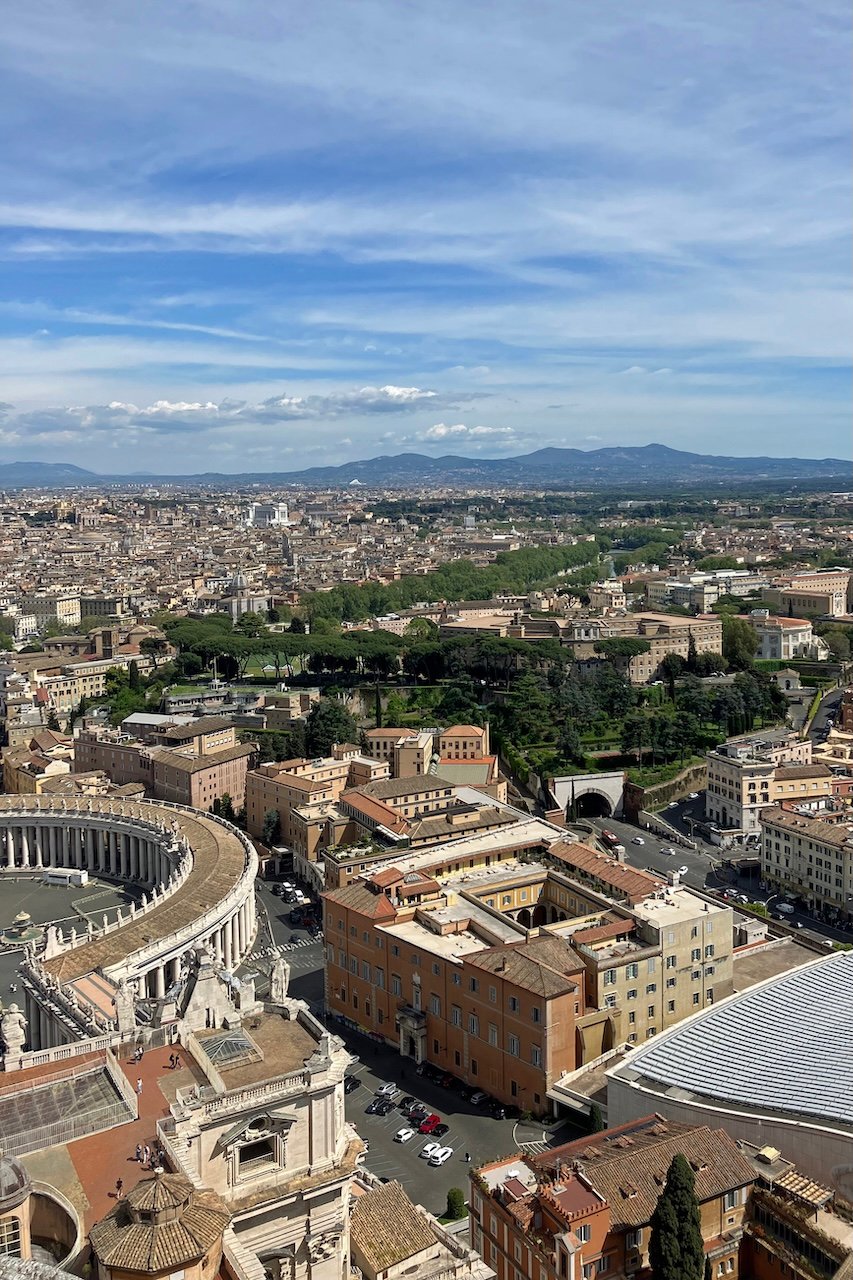
If you are able, we highly recommend climbing the dome. The views over St. Peter’s Square and across Rome are the best in the city, and it is one of the main reasons we keep coming back. It is physically demanding with 551 steps to the top, but the payoff is worth it every time.
St. Peter’s Basilica is free to enter, but you should allow extra time for airport-style security. A strict dress code is enforced. For both men and women, knees and shoulders must be covered, or you will not be allowed inside. In summer, lightweight layers or opaque leggings under a shorter dress or skirt make it much easier for women to follow the dress code.
Sundays are the busiest day to visit St. Peter's Basilica, particularly when the Pope is in residence and saying the Regina Coeli or Angelus at noon, so we recommend avoiding them if possible. If you plan to climb the dome, tickets can be purchased online from the St. Peter's Basilica website in advance. These advance purchase tickets let you skip the regular security line outside the basilica.
Jetset Seeker Pro Tip: A free audio tour of St. Peter's Basilica is also available from Rick Steves' Europe if you are looking for some added context as you step into one of the world's largest churches.
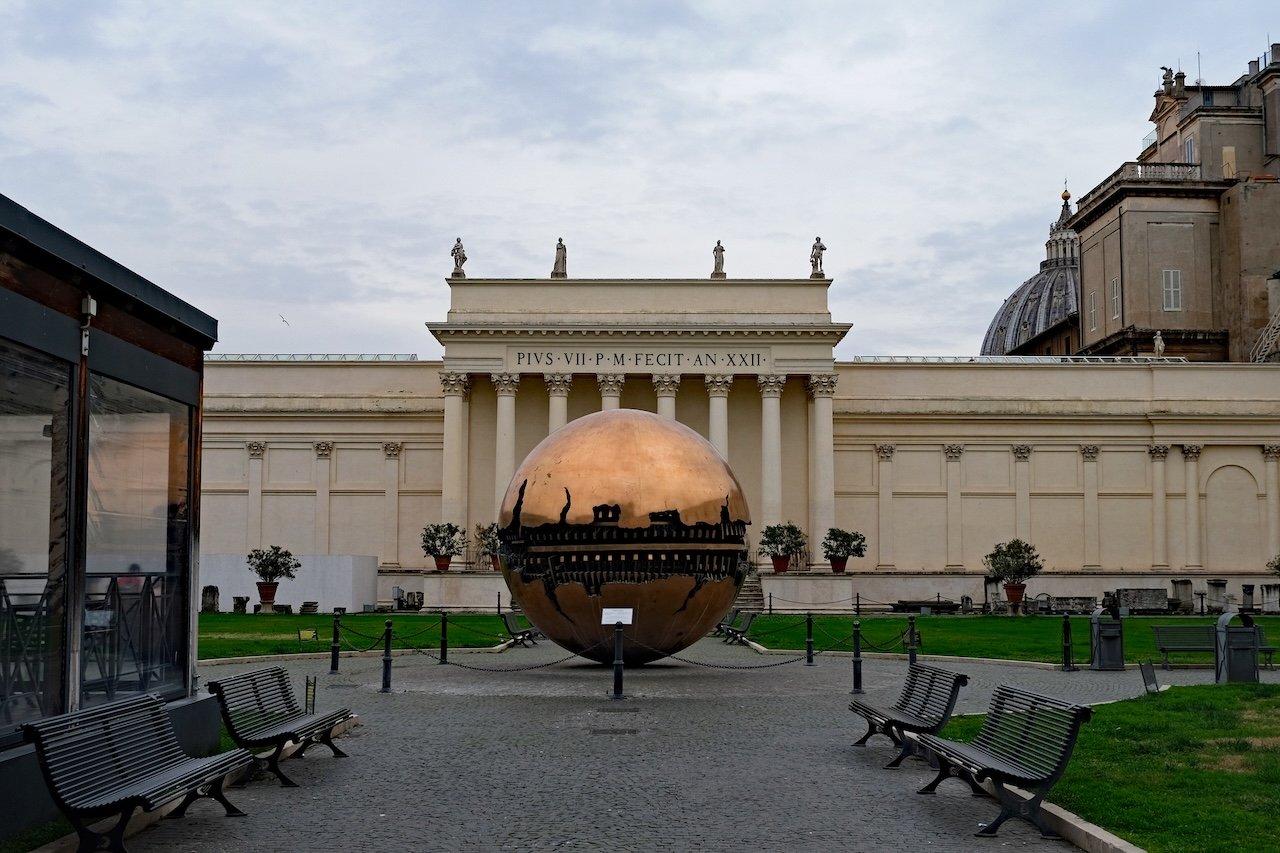
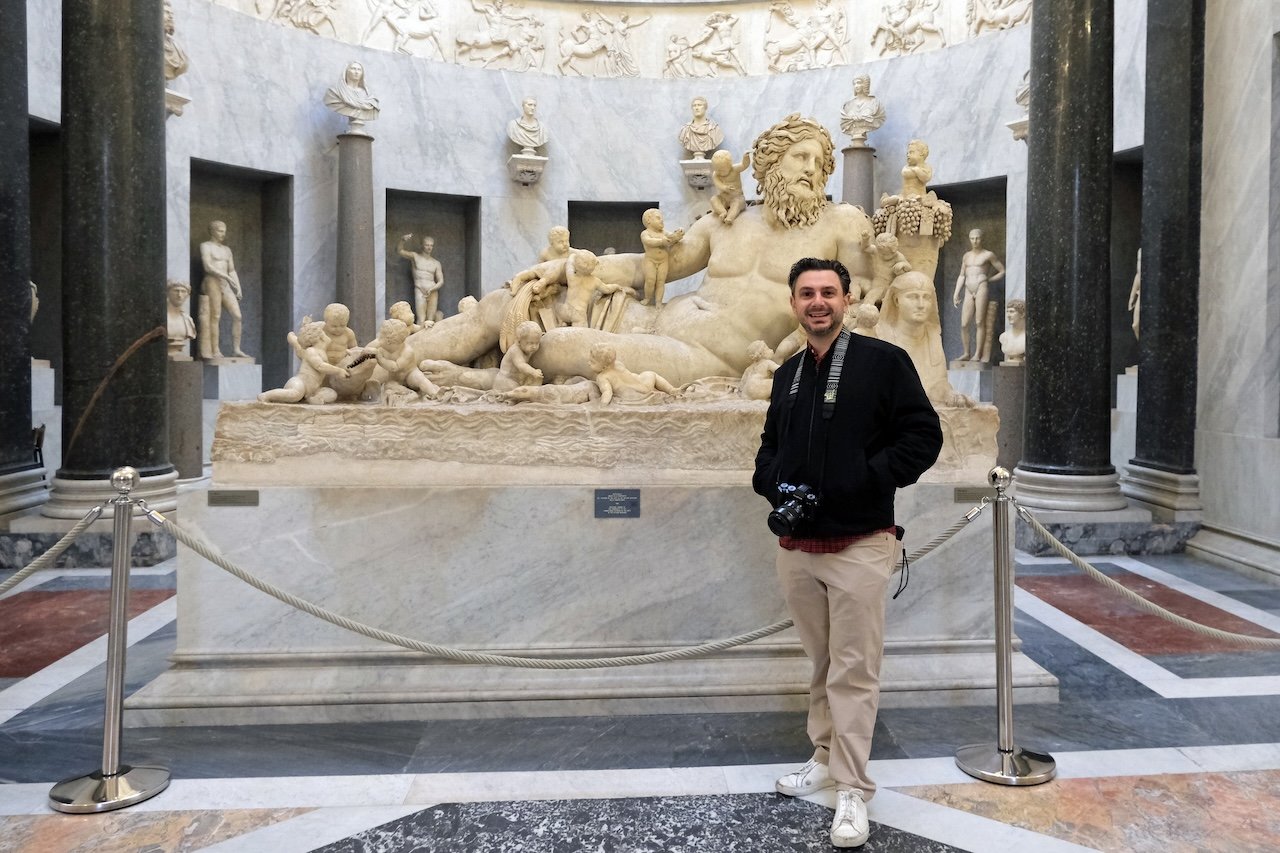
The Vatican Museums house one of the most important art collections in the world, built up over centuries by the popes. What makes the museums especially striking is not just the quality of individual works, but the sheer density of history, art, and power concentrated into a single complex.
For many visitors, the ultimate destination is the Sistine Chapel, which remains one of the most significant artistic achievements of the Renaissance. Painted by Michelangelo, the ceiling (with the iconic Creation of Adam) and altar wall, known as the Last Judgement, represent years of work and an extraordinary level of ambition. Standing within the Sistine Chapel, it is easy to understand why this space continues to define how many people think about Renaissance art.
Even beyond the Sistine Chapel, the Vatican Museums matter because they show how deeply art, religion, and political power have been intertwined in Rome for centuries.
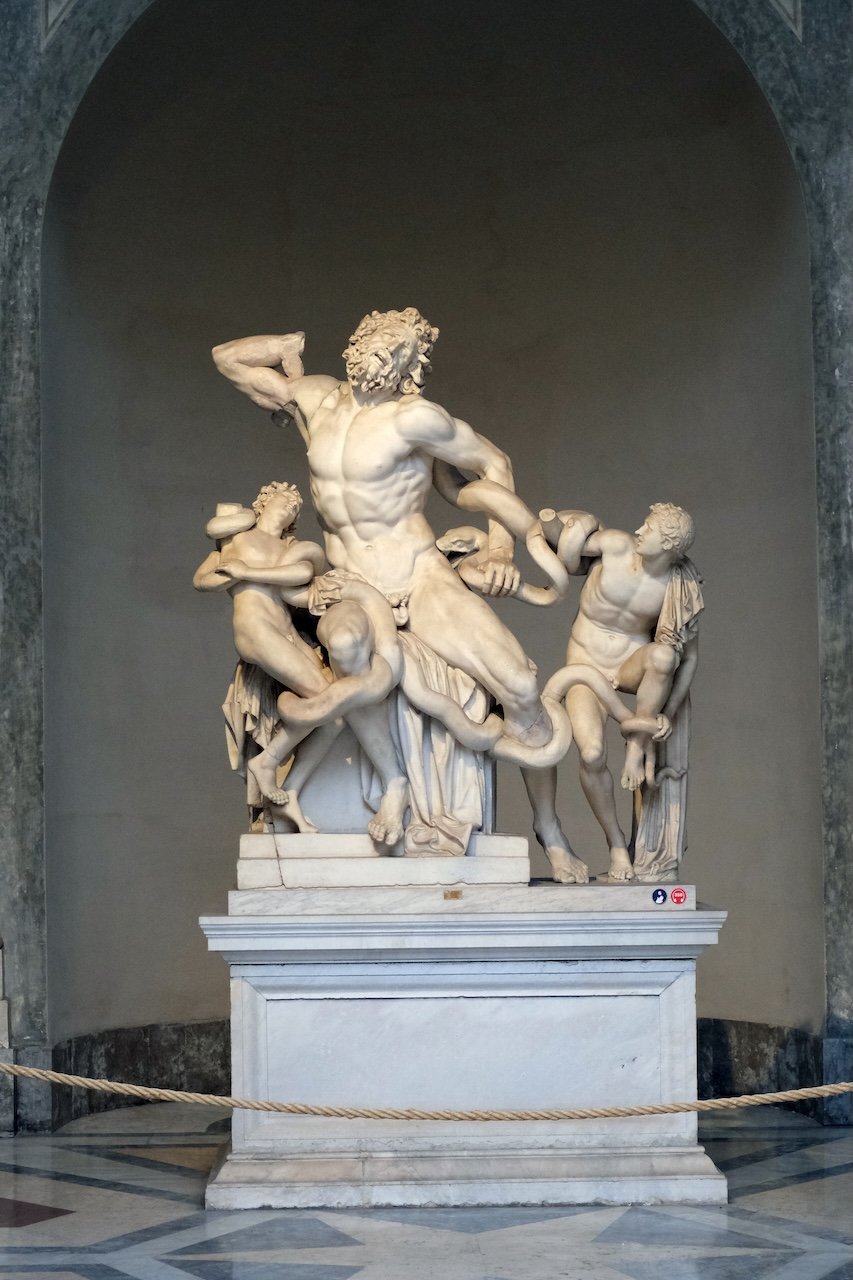
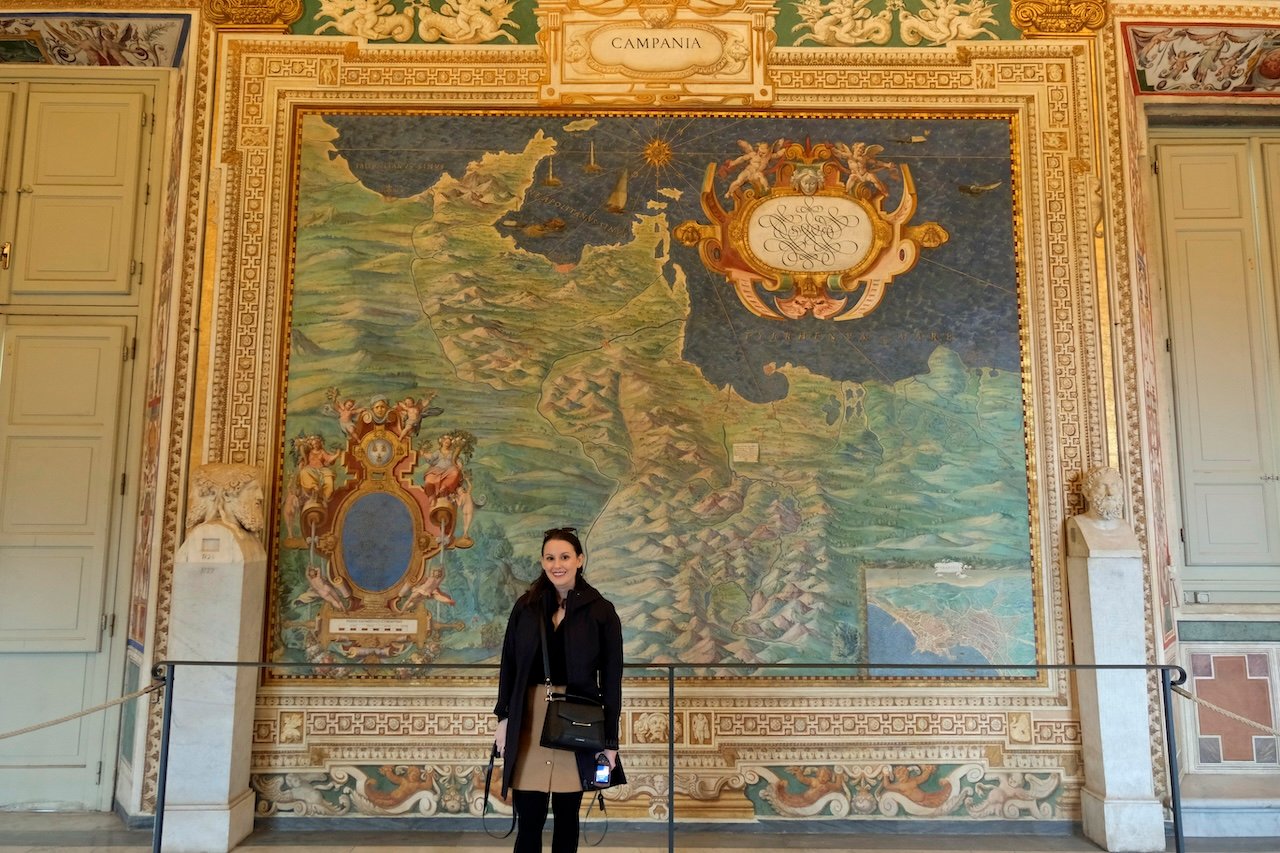
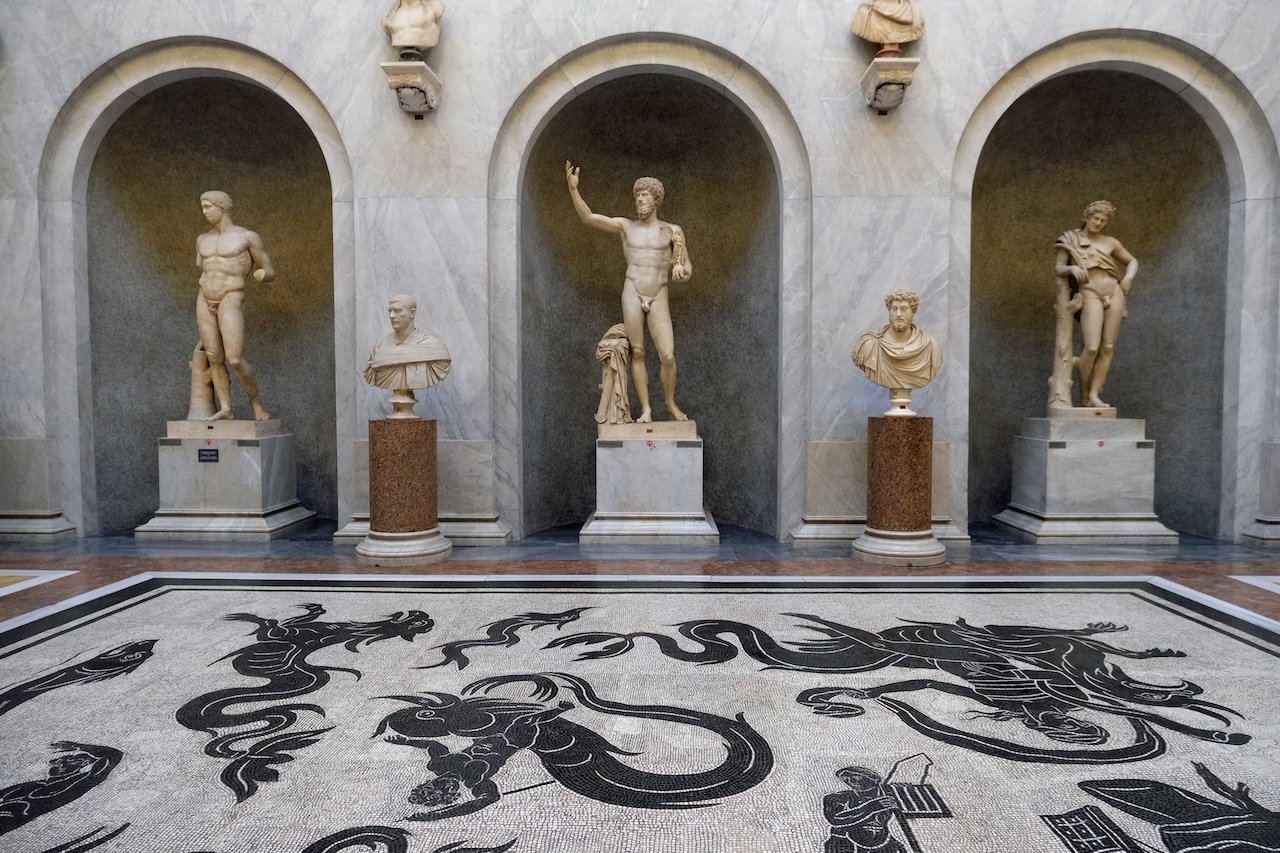
The Vatican Museums are vast. Galleries unfold one after another, filled with ancient sculptures, tapestries, frescoes, maps, and paintings. However, one of the most impressive aspects of the Vatican Museums is the strength of their sculpture collection. Works like the Laocoön and His Sons, discovered in Rome in 1506, help ground everything you see later in Renaissance art. Seeing pieces like this makes it easier to understand how ancient ideals of form and movement influenced artists centuries later.
The Raphael Rooms are another major highlight and, for many people, a favorite part of the visit to the Vatican Museums. Raphael’s frescoes, especially The School of Athens, offer a very different experience from the Sistine Chapel.
The Vatican’s painting collection, housed in the Pinacoteca Vaticana, is also worth a stop if you have the time. It provides a more traditional museum experience, with works by artists like Caravaggio, Tiziano Vecellio (Titian), and Leonardo da Vinci displayed in a quieter, more traditional setting.
The challenge is that the experience of the Vatican Museums can quickly become overwhelming. The museums are large, crowds are constant, and the volume of art makes it difficult to absorb everything in one visit. These are not galleries you want to rush through or try to “see everything” in, especially on your first visit.
This is one place where guidance truly matters. On a first visit, a guided tour, booked through the official Vatican Museums website, can be incredibly helpful for navigating the galleries efficiently and understanding what you are seeing without being too overwhelmed. If you would prefer to explore independently, we strongly recommend using the official audio guide rather than going in blind.
Tickets should be purchased online, and in advance, via the official Vatican Museums website, especially during the summer months. Entry is timed, and same-day availability is limited. As with St. Peter’s Basilica, a strict dress code is enforced throughout the Vatican Museums. Knees and shoulders must be covered, including inside the Sistine Chapel.
We also recommend visiting earlier in the day, if possible. Crowds tend to build steadily, and by late morning the museums can already feel extremely congested.
Despite the crowds, we still return to the Vatican Museums because there is nothing else quite like them in the world. Even on repeat visits, certain rooms and works continue to stand out, and the Sistine Chapel never fully loses its impact.
That said, we are more selective now. We do not try to see everything, and we are comfortable moving through certain areas more quickly so we can slow down where it matters most. Approached with intention, the Vatican Museums remain one of Rome’s most rewarding experiences rather than its most exhausting.
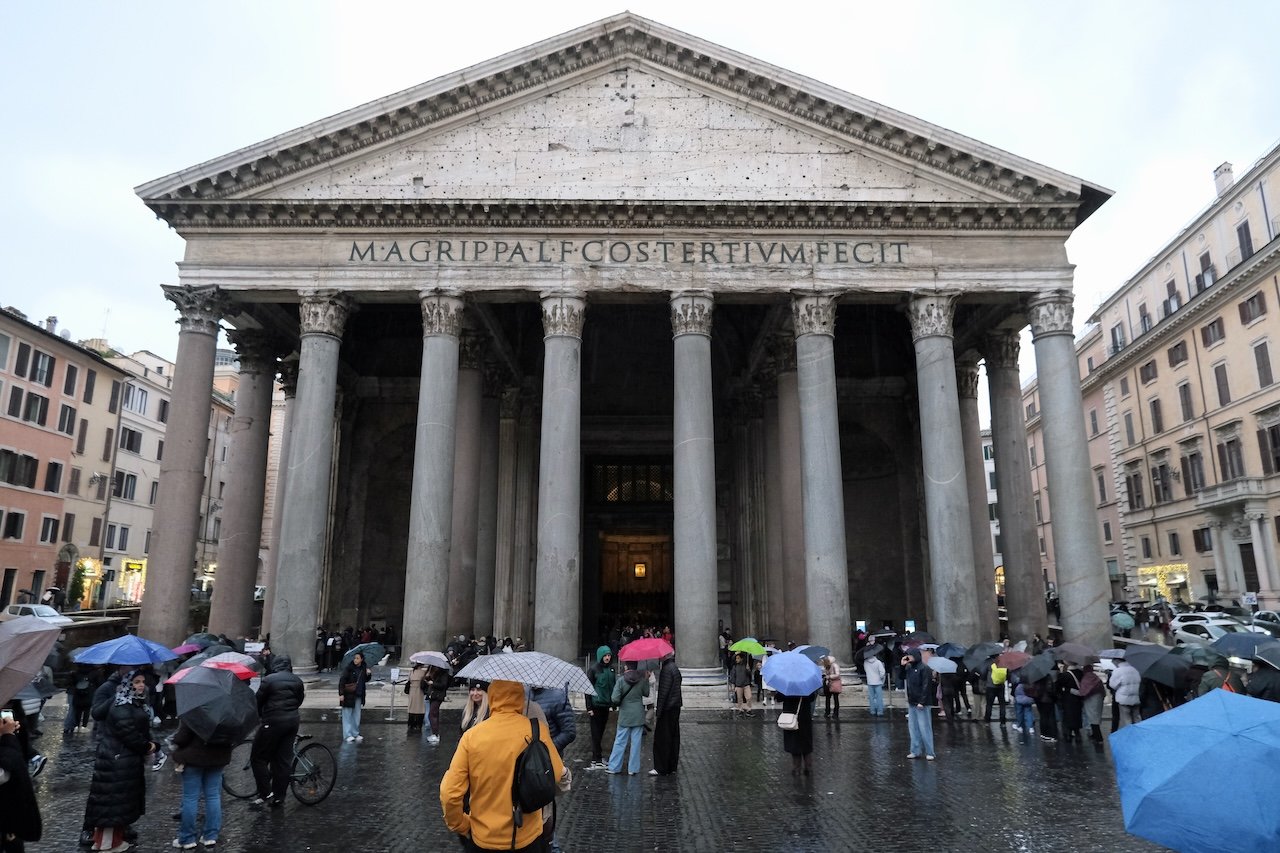
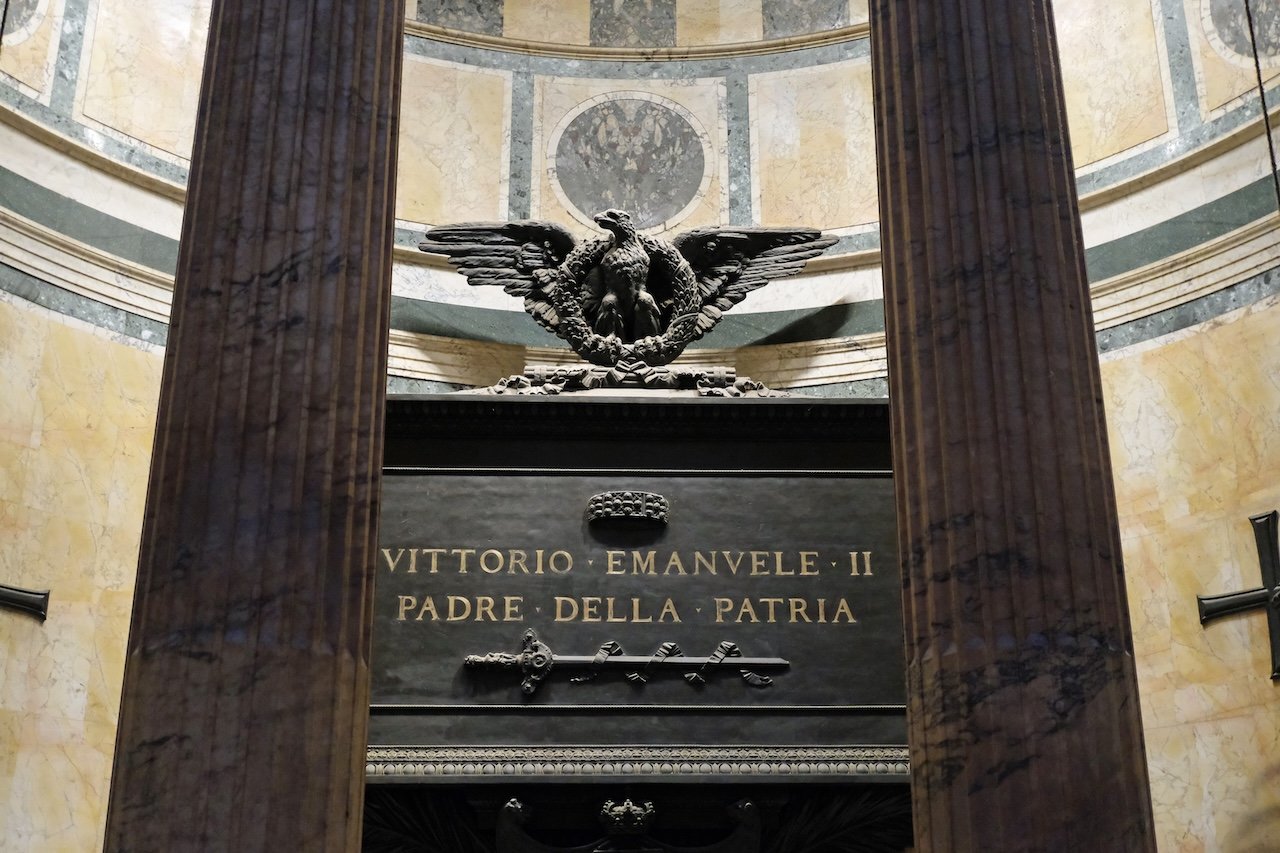
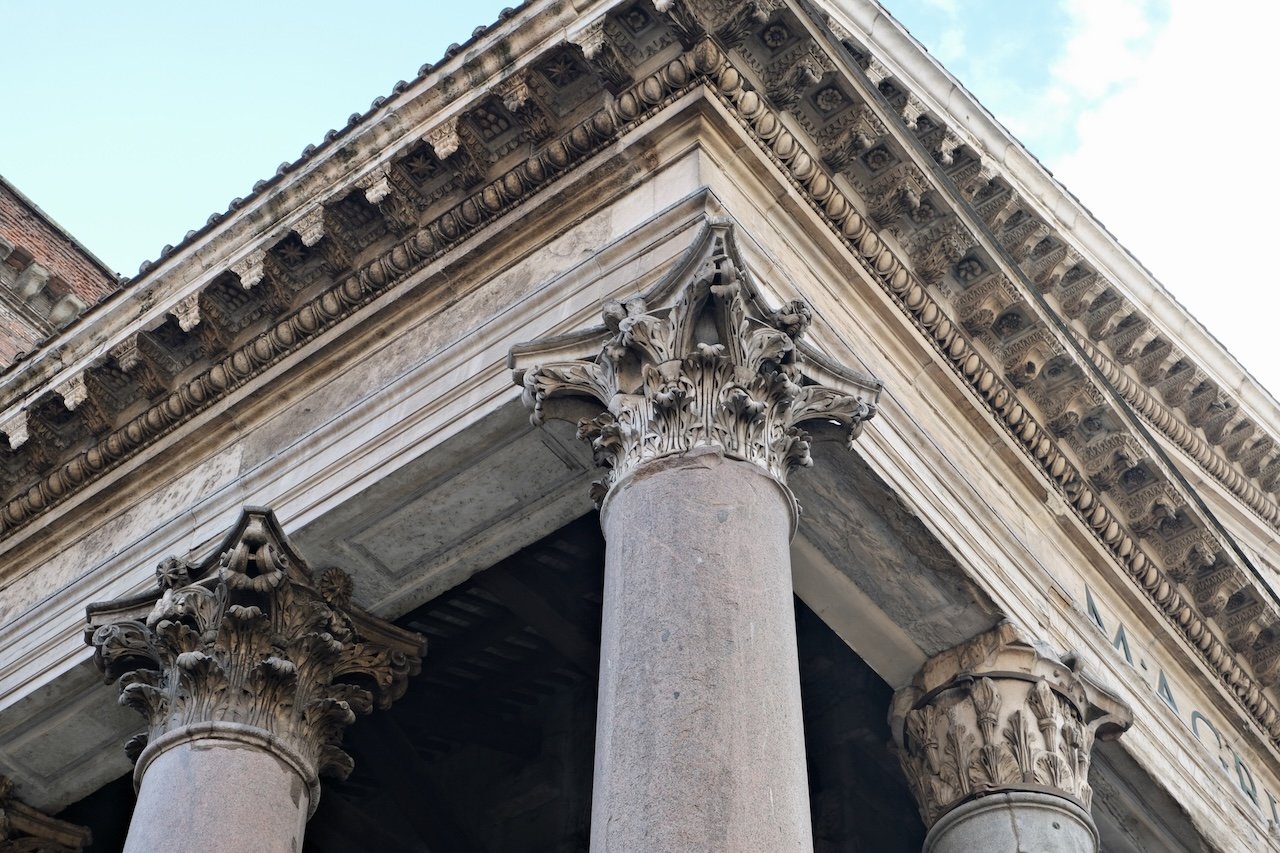
The Pantheon is one of the best-preserved ancient Roman buildings, built between approximately 118 and 125 AD during the reign of Emperor Hadrian. Originally constructed as a Roman temple, it has survived nearly two thousand years in large part because of its transformation in the early 7th century into a church.
Formally known as the Basilica of St. Mary and the Martyrs, the Pantheon stands as one of the clearest examples of how Rome repurposed its ancient structures rather than abandoning them. Few places in the city show that continuity more clearly than the Pantheon.
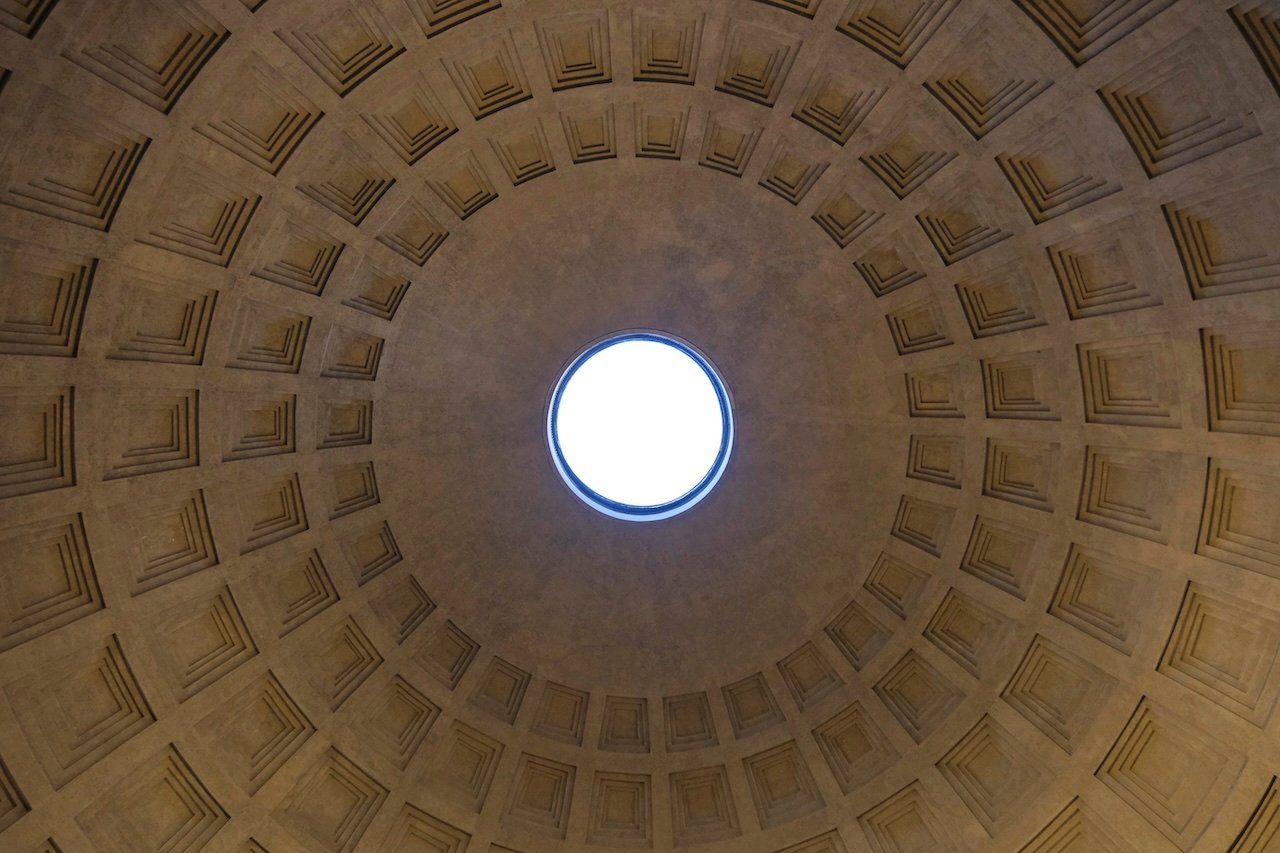
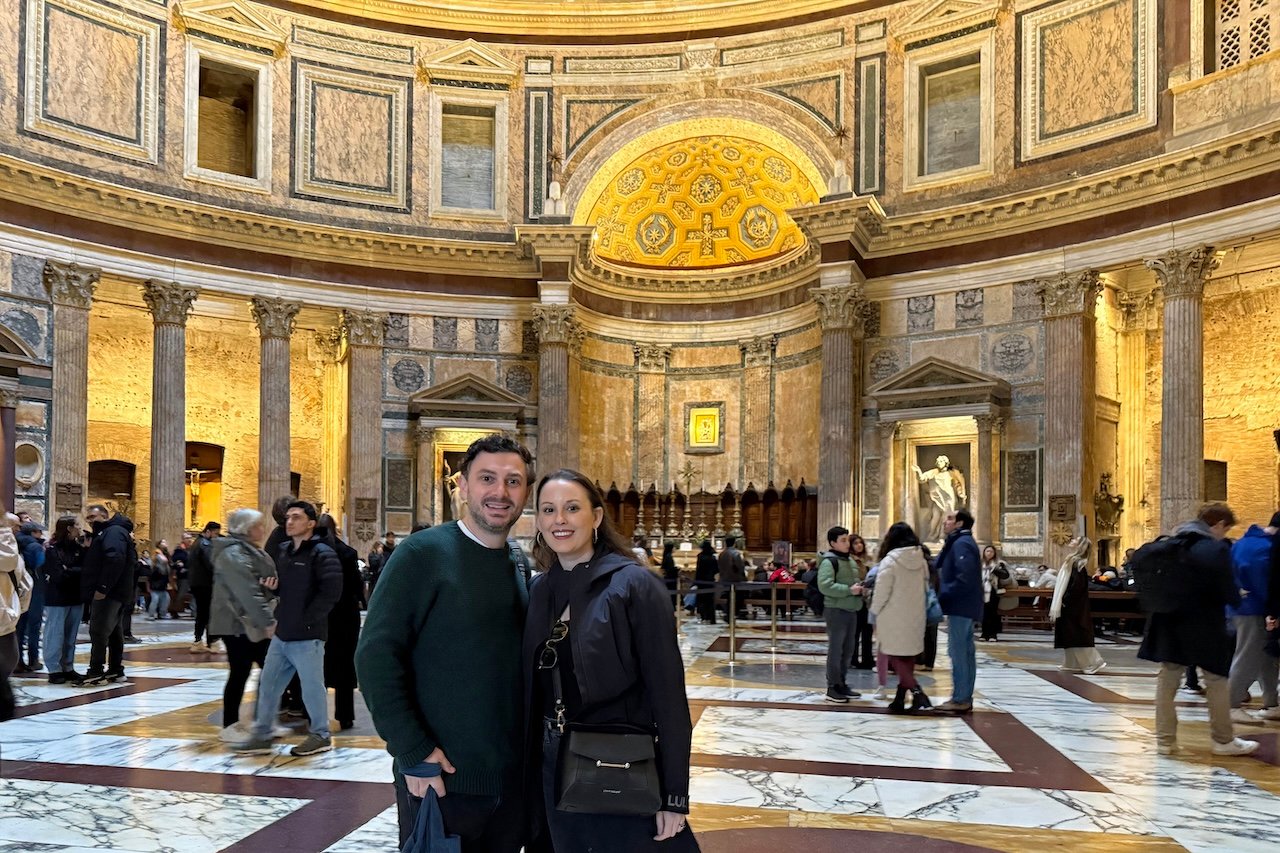
What sets the Pantheon apart, however, is its dome. The massive concrete dome remains the largest unreinforced concrete dome ever built, and the oculus at its center is still the building’s main source of natural light.
One of the most unforgettable experiences at the Pantheon happens when it rains in Rome. Since the oculus is open to the sky, rain falls directly into the Pantheon, pooling briefly on the marble floor before draining away. Standing inside during a storm, watching rain fall through the opening above, is one of those quietly magical Rome moments that is nearly impossible to plan for and hard to forget.
We love the Pantheon because it does not rely on spectacle or scale alone. It rewards attention, patience, and repeat visits, and it never feels rushed, even when it is busy.
A visit to the Pantheon requires a paid ticket. While tickets can be purchased online via the official Ministero della Cultura website, we have had mixed success getting payments to process with an American credit card. What has worked more reliably for us is buying tickets on-site.
Jetset Seeker Pro Tip: If you need to purchase tickets on-site for the Pantheon, bring cash. The ticket office line for cash payments almost always has a shorter line than the credit card line, and it can save you a surprising amount of time waiting in line.
Timing matters here, too. If you arrive right at opening, the Pantheon is rarely crowded, and you can experience the space at its calmest, especially if you need to purchase tickets. Later in the day, especially mid-morning through the afternoon, the surrounding streets become much more congested.
It is also worth remembering that the Pantheon is still a functioning church, so a dress codes applies, just like at the Vatican. Knees and shoulders must be covered to enter.
The Pantheon is one of those places we return to every time we are in Rome. It does not demand much time or effort, but it consistently delivers one of the city’s most powerful moments.
This is not one specific must-do or a single attraction in Rome, but something we encourage everyone to build into their itinerary: time to walk without a plan. Some of our favorite moments in Rome have come from simply walking, without a plan and without a ticket in hand. Once you have checked off the major sights, the city opens up in more surprising ways.
It is how you end up stumbling across places like Largo di Torre Argentina, where ancient temple ruins sit casually below street level and everyday life moves on around them. These ruins are not a place most people plan to visit, but it is one of those spots that reminds you of the ruins that lie below street level that are still being discovered to this day.
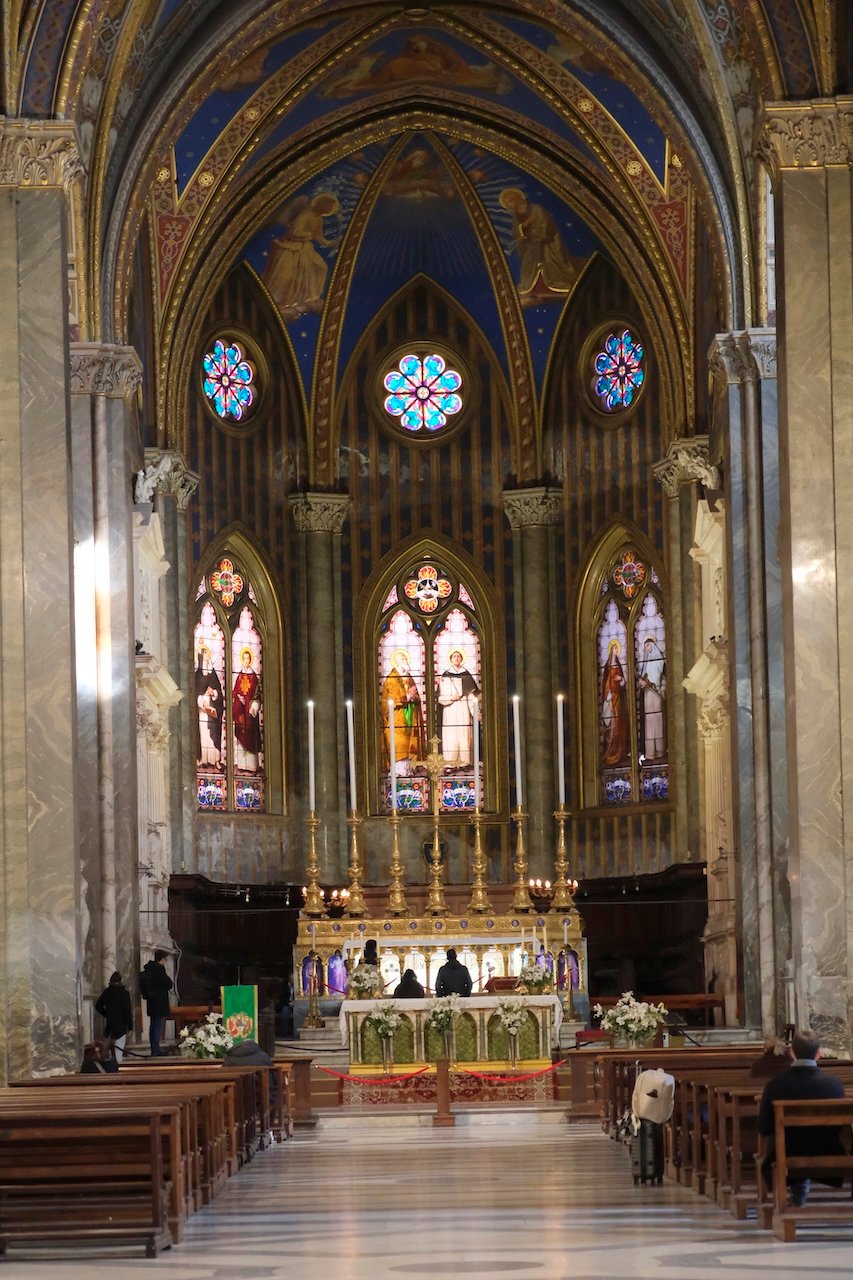
Walking also leads you into churches you did not know to look to even add to your Rome itinerary. The Basilica of Saint Mary above Minerva (Santa Maria sopra Minerva), tucked just behind the Pantheon, is easy to miss from the street. Step inside, though, and you will find one of the only remaining Gothic church interiors in Rome and the tomb of St. Catherine of Siena. The Basilica of St. Peter in Chains (San Pietro in Vincoli), home to Michelangelo’s Moses, is another example. It rarely draws the same crowds as larger basilicas, yet it holds one of the most powerful sculptures in the city.
We now always leave free time in our Rome itinerary. Wandering without a set plan often leads to the small streets, local spots, and unexpected moments you could never schedule—and that is exactly where Rome shines.
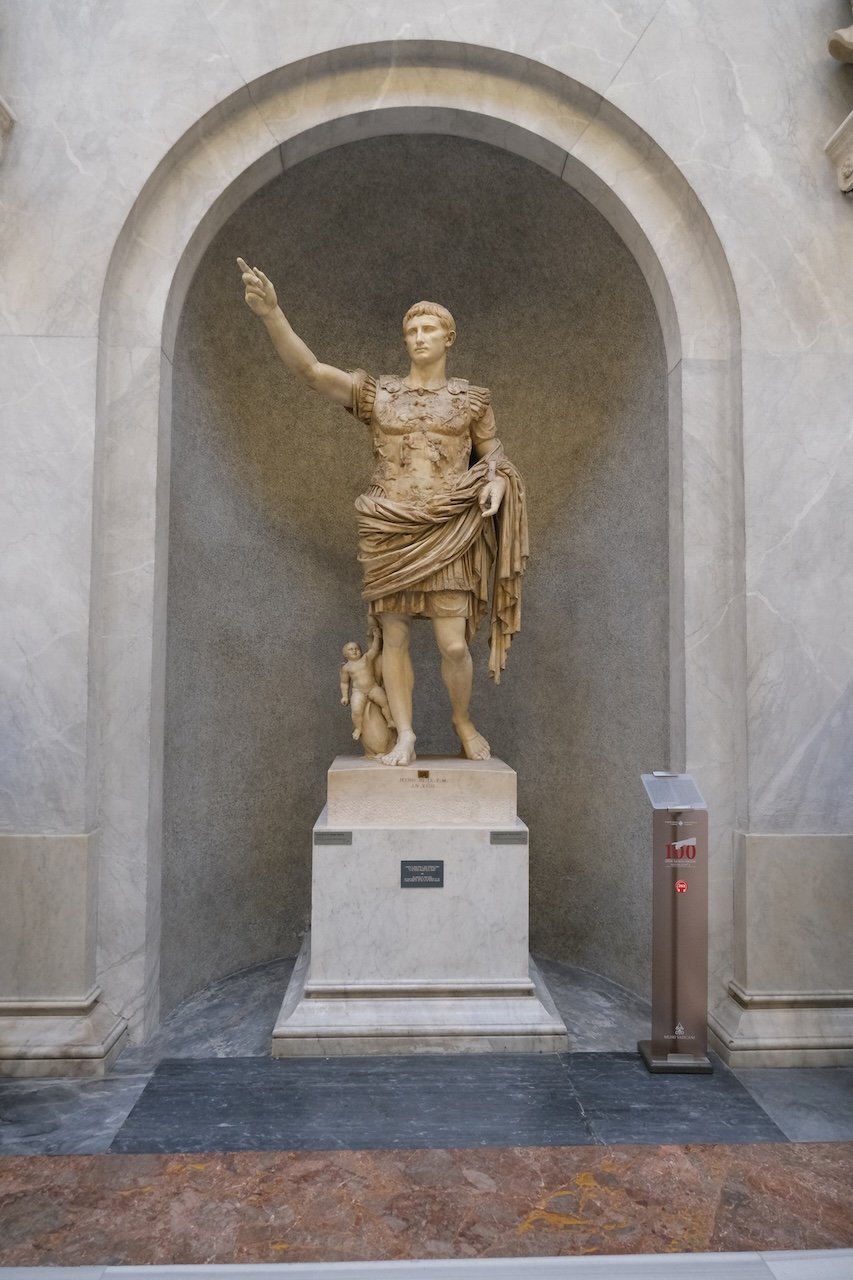
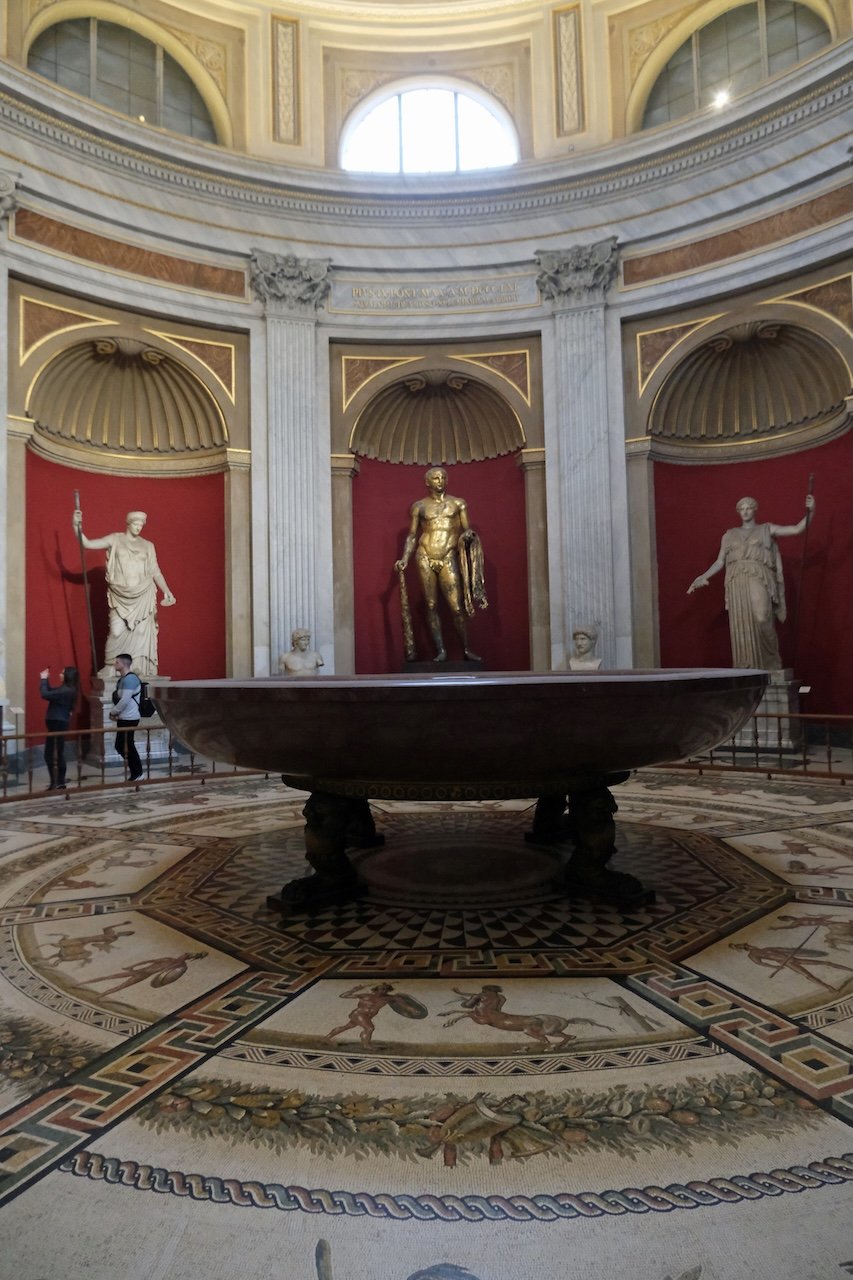
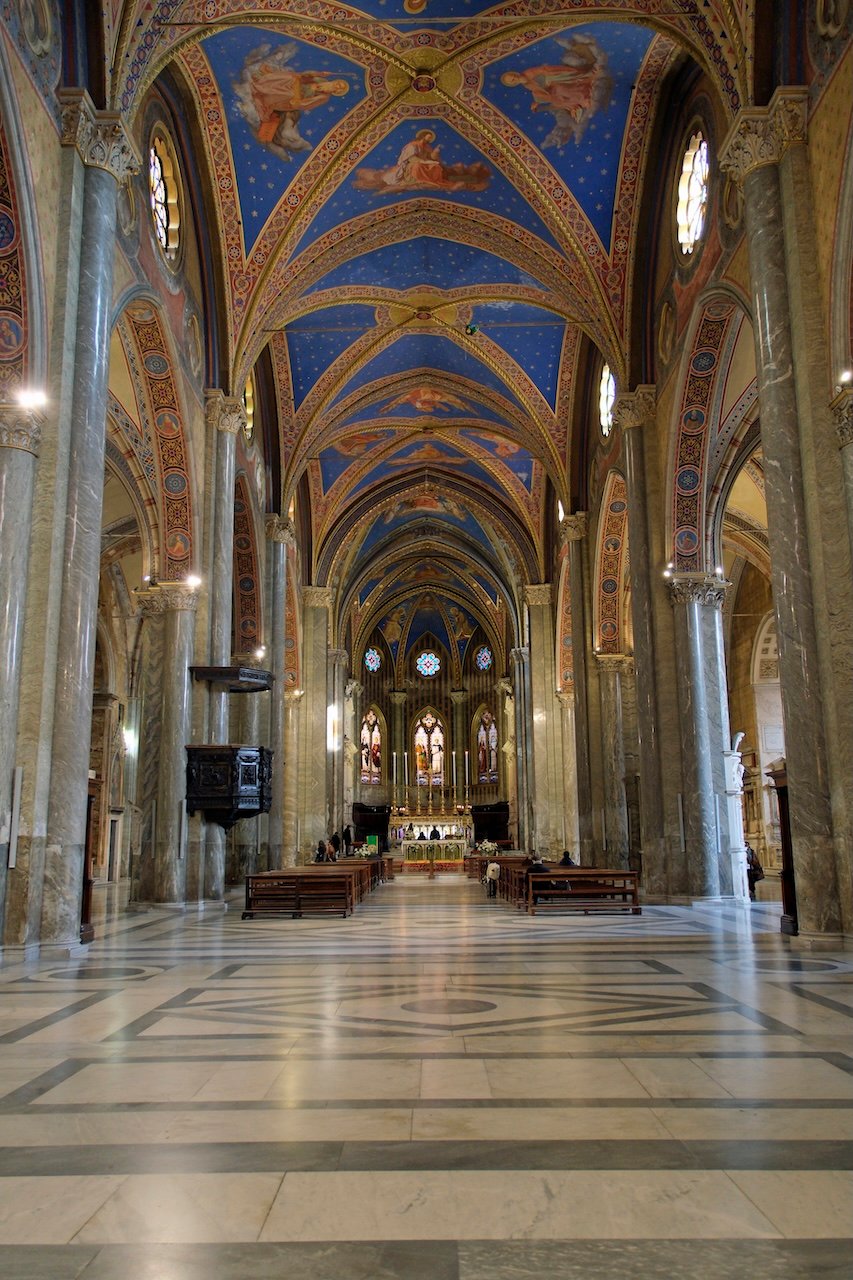
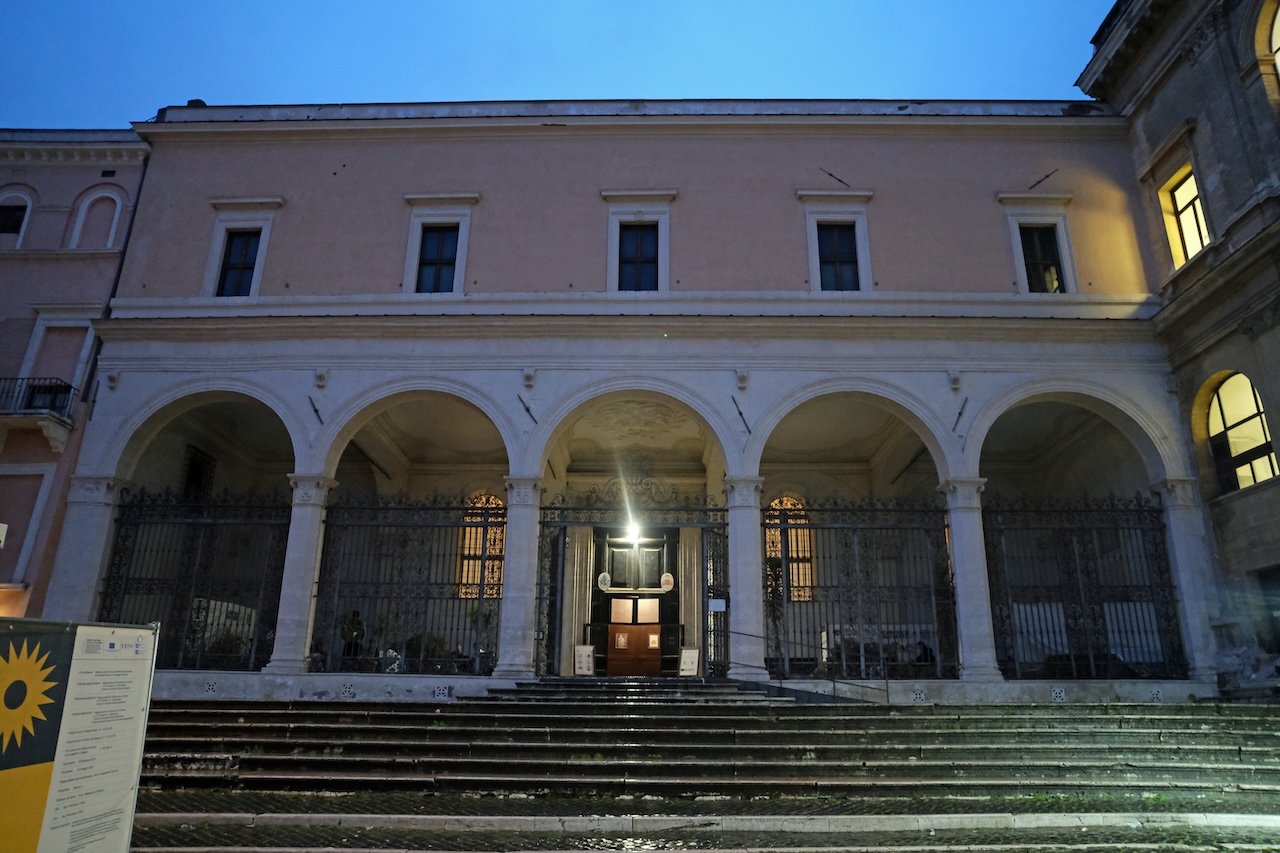
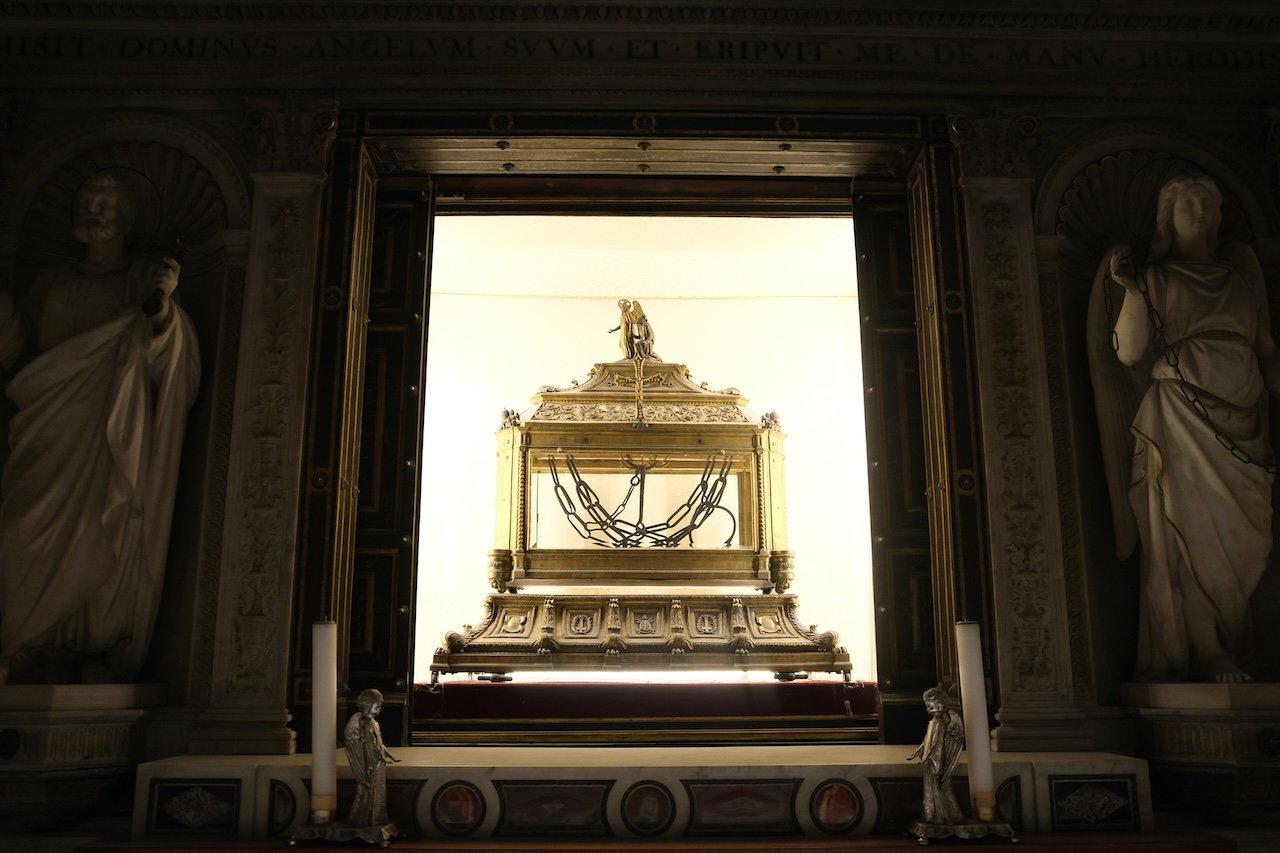
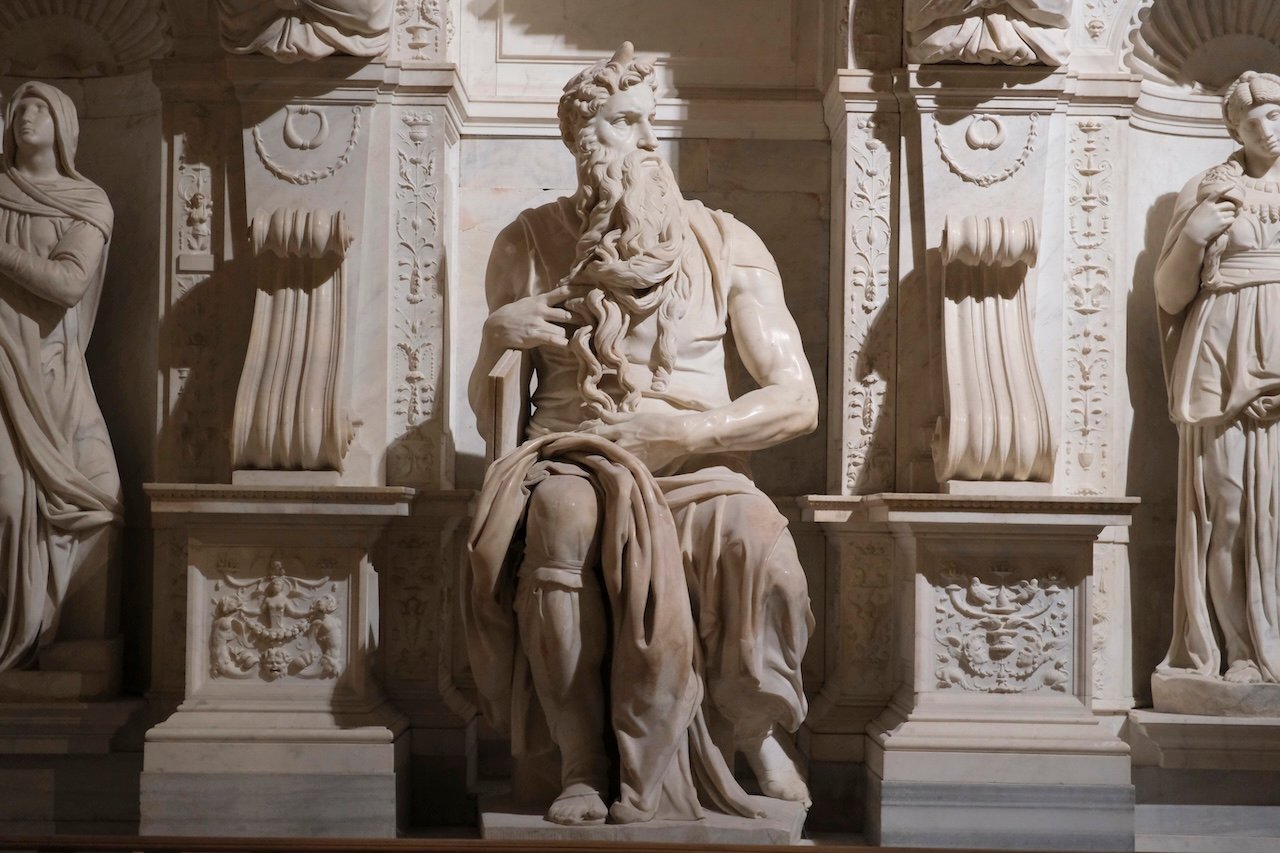
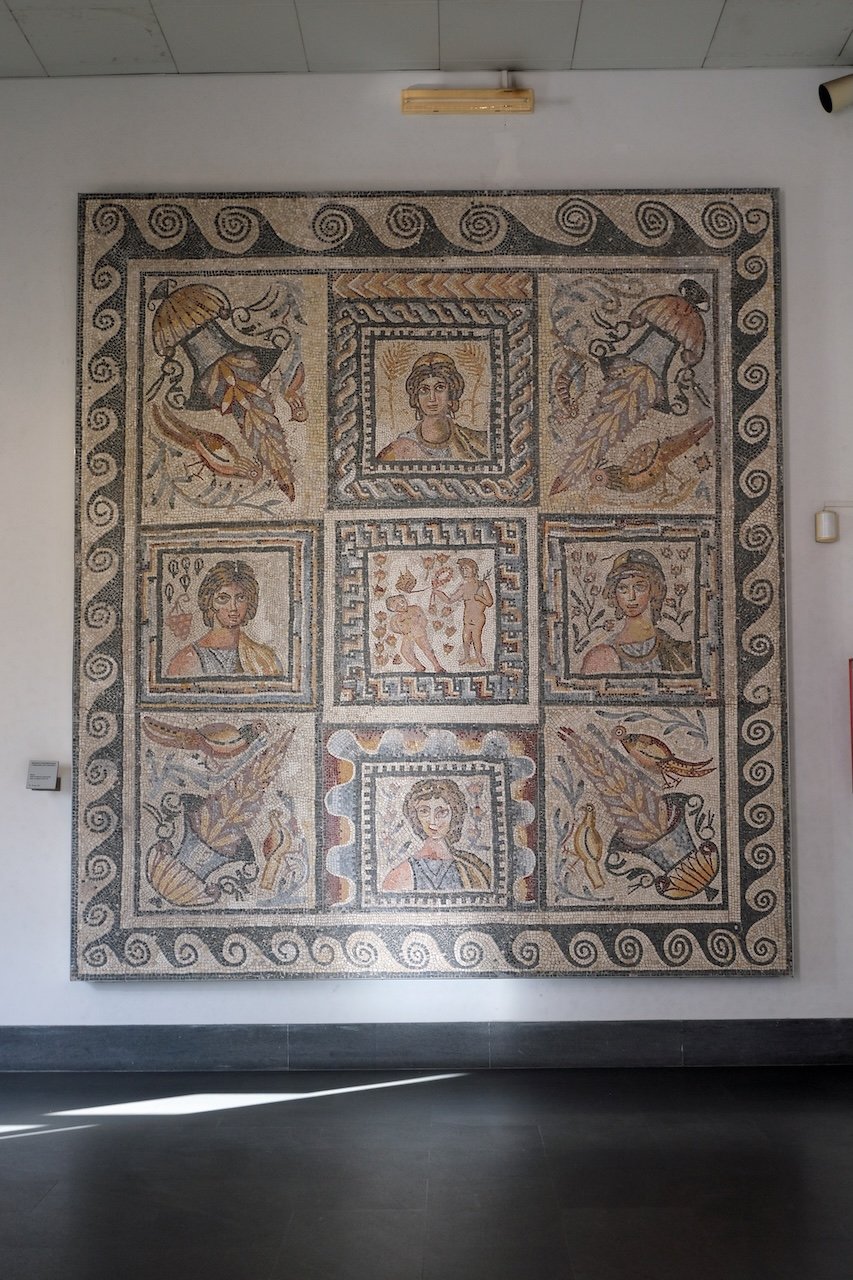
These are not essential stops for a first visit to Rome, but they add depth and variety if your itinerary allows.
A Quick Planning Note: Many museums in Rome are closed on Mondays. The main exception is the Vatican Museums, which are closed on Sundays, except for the last Sunday of the month, when admission is free and crowds are especially heavy.
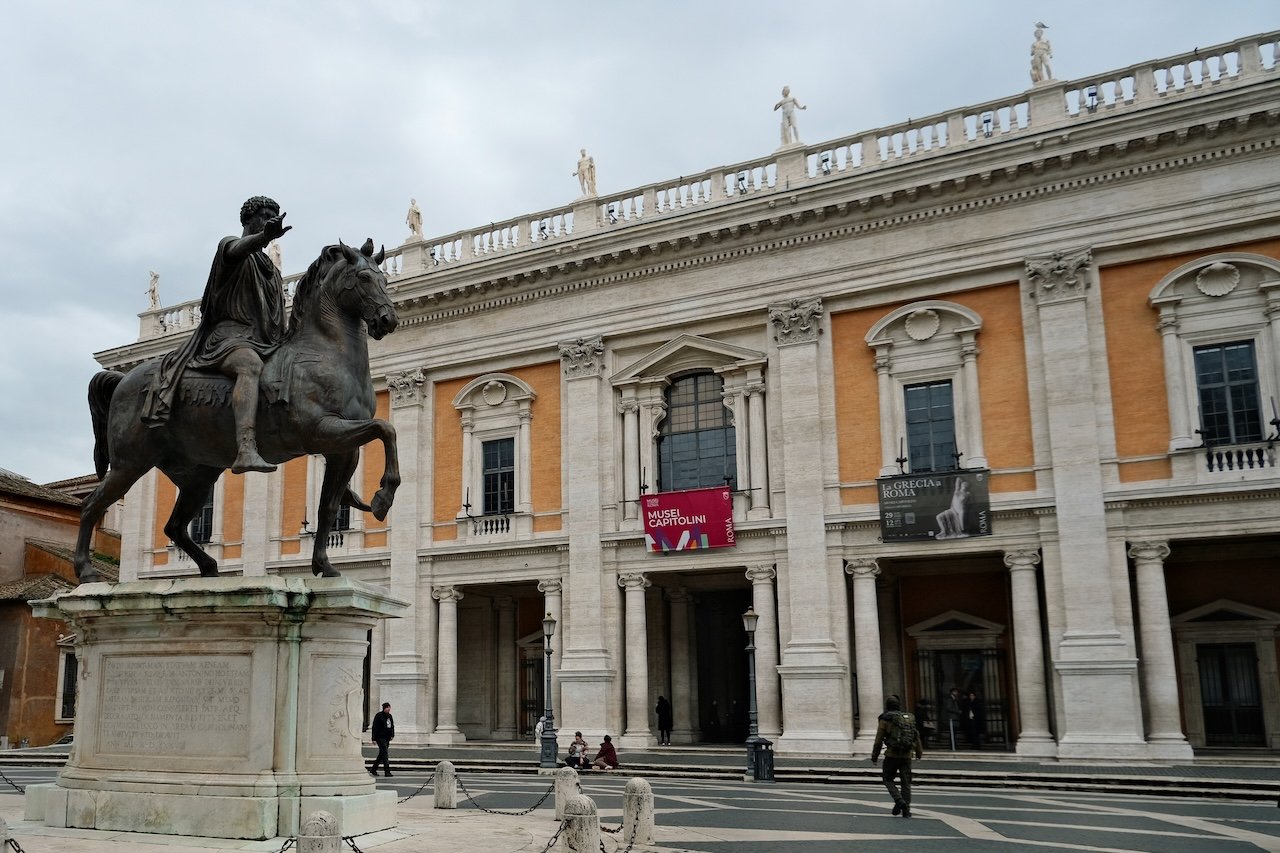
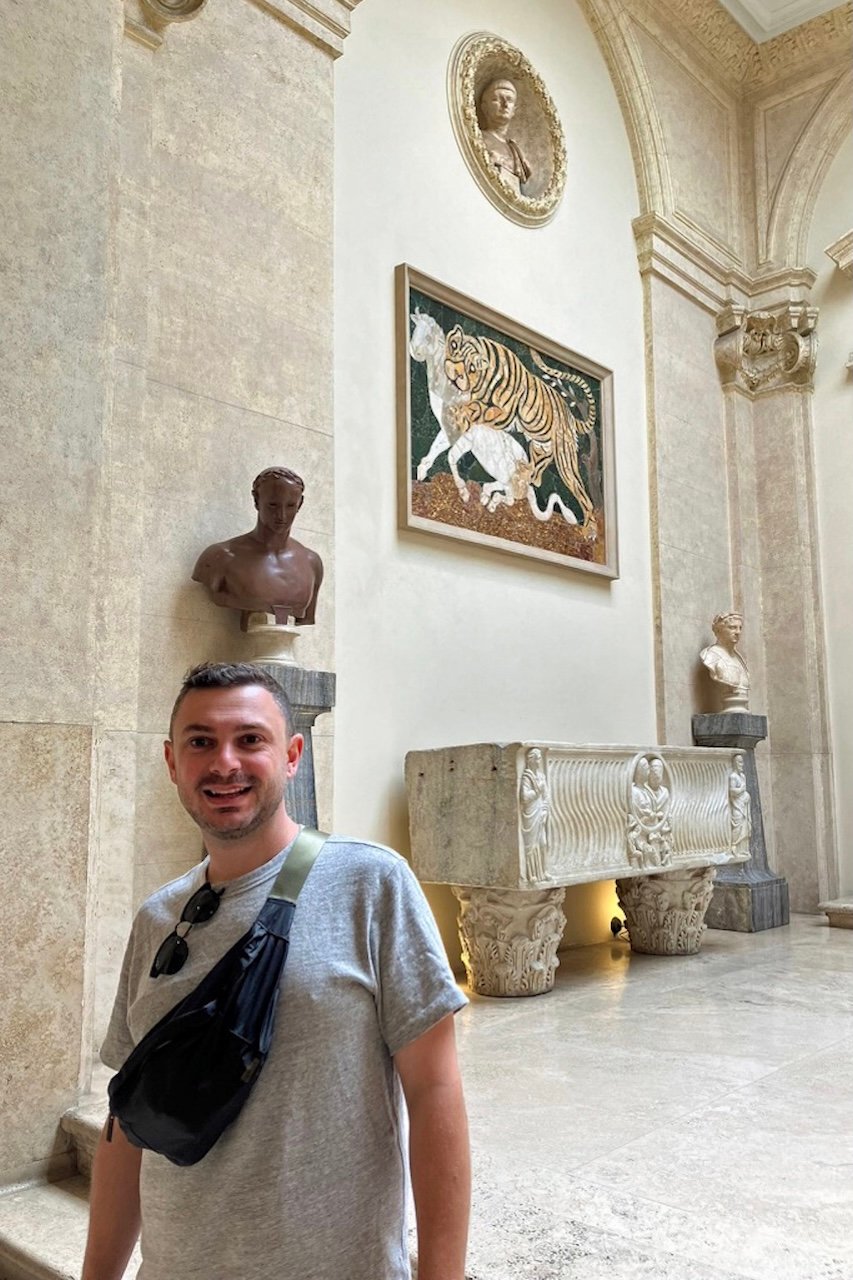
If you are looking to better understand ancient Rome, the Capitoline Museums are hard to beat. Spread across several palaces atop Capitoline Hill, this is easily Rome’s best museum for classical sculpture, inscriptions, and artifacts that put the ruins you have already seen into context.
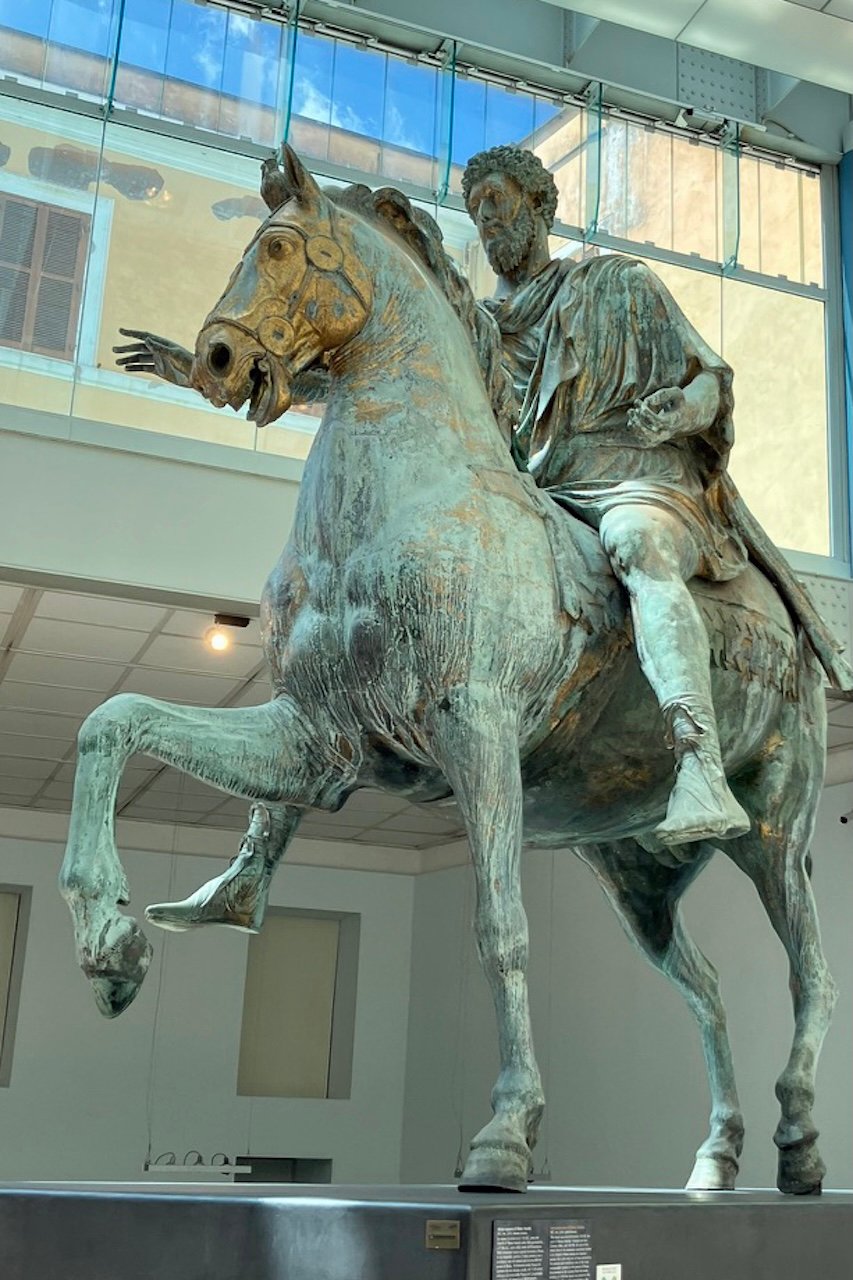
One of the highlights in the collection is the Equestrian Statue of Marcus Aurelius, a rare surviving bronze from antiquity and one of the most iconic representations of a Roman emperor. Even if you do not spend hours inside, this piece alone makes the visit worthwhile.
Another reason to add the Capitoline Museums is the setting. The museum complex opens onto a terrace with excellent views over Rome. It is a quieter, more contemplative experience than many of the city’s larger museums, and a great addition if you want more historical depth without the intensity of the Vatican.
Tickets for the Capitoline Museums can be purchased both online via the Capitoline Museums website and in-person at the ticket office. If you have time for just one additional museum beyond the Vatican Museums, we would make it the Capitoline!
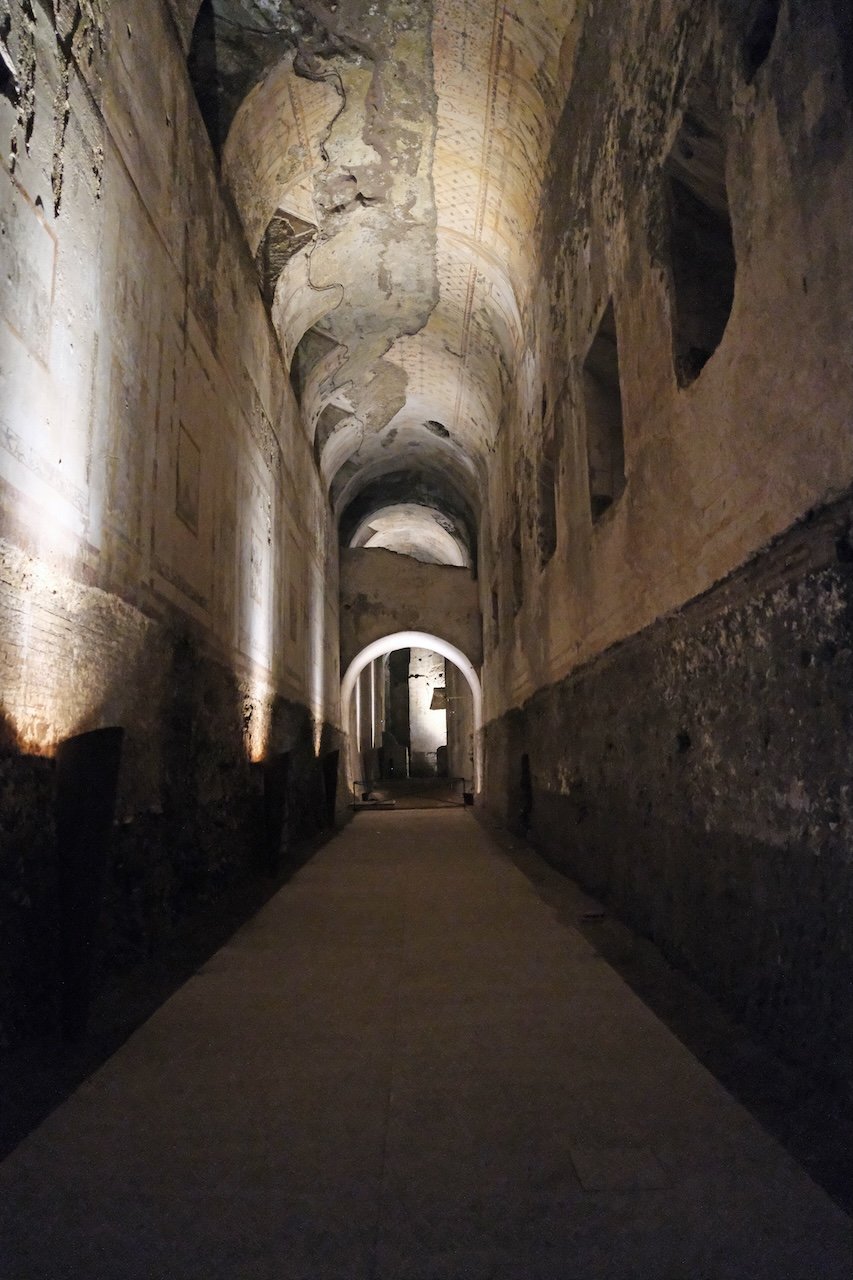
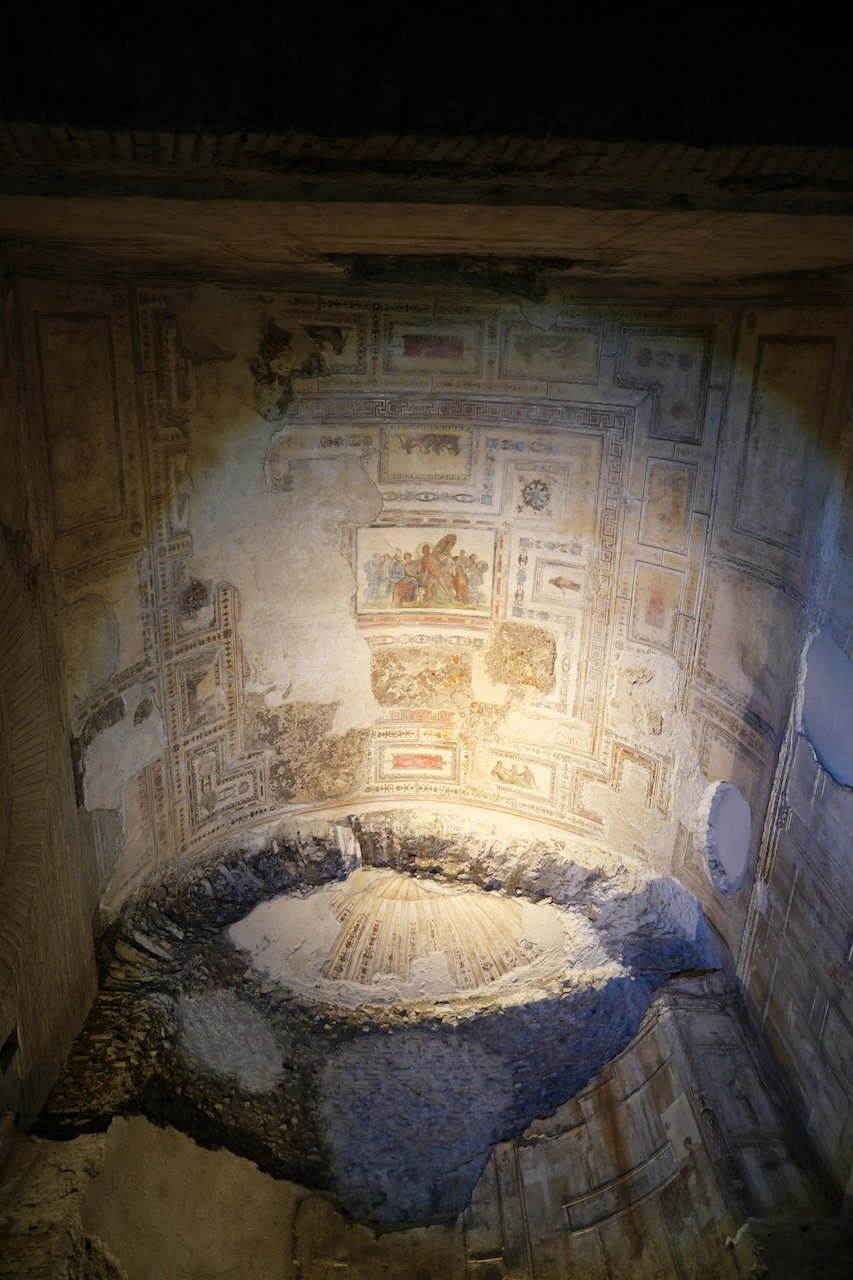
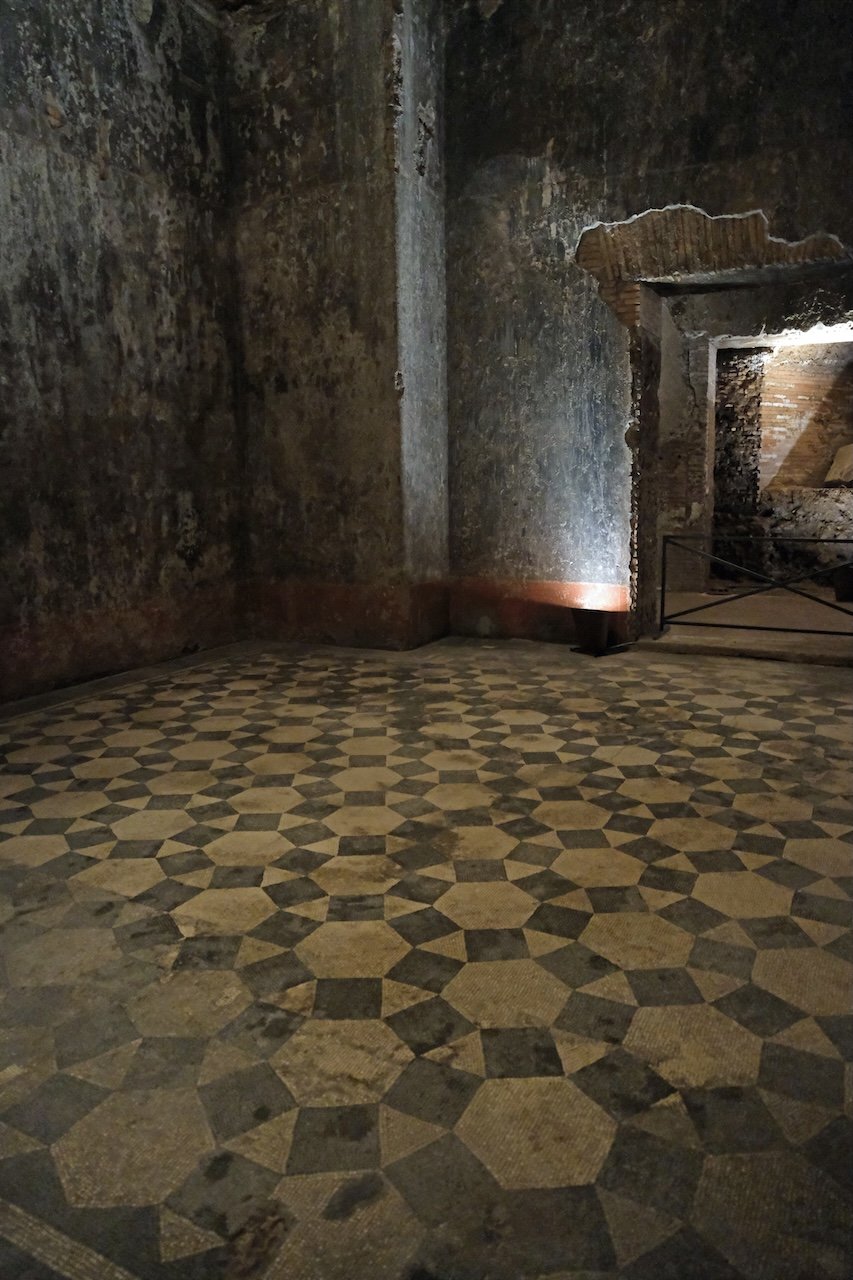
Visiting the Domus Aurea feels a bit like stepping into a National Geographic documentary. Built to be Emperor Nero’s lavish palace after the Great Fire of Rome in 64-68 AD, the site is still an active archaeological site, and that is part of what makes it so compelling to see in person.
The Domus Aurea is only open to the public Friday through Sunday, and visits are by guided tour only. Tours are led by knowledgeable archaeologists who explain both what you are seeing and recent discoveries, which gives the experience a very different feel from Rome’s more polished museums.
Only a portion of the Domus Aurea is open to visitors, but even that small section is enough to convey just how ambitious the palace once was in Nero's time. Walking through the site, you are met with soaring ceilings, vast rooms, and fragments of frescoed walls that hint at the scale and extravagance Nero envisioned.
The virtual reality component builds on that experience, layering reconstructions over the raw remains and helping you visualize how extraordinary the palace would have been in its prime. Seeing the preserved architecture alongside these reconstructions makes it much easier to grasp both the original grandeur of the complex and the scope of what archaeologists are still uncovering today.
A tour of the Domus Aurea is not essential for a first trip to Rome, but if you have already seen the major sights, this is a fascinating and memorable addition to any Rome itinerary. Tours of the Domus Aurea must be booked online, in advance of your visit via the Parco Archeologico del Colosseo website.
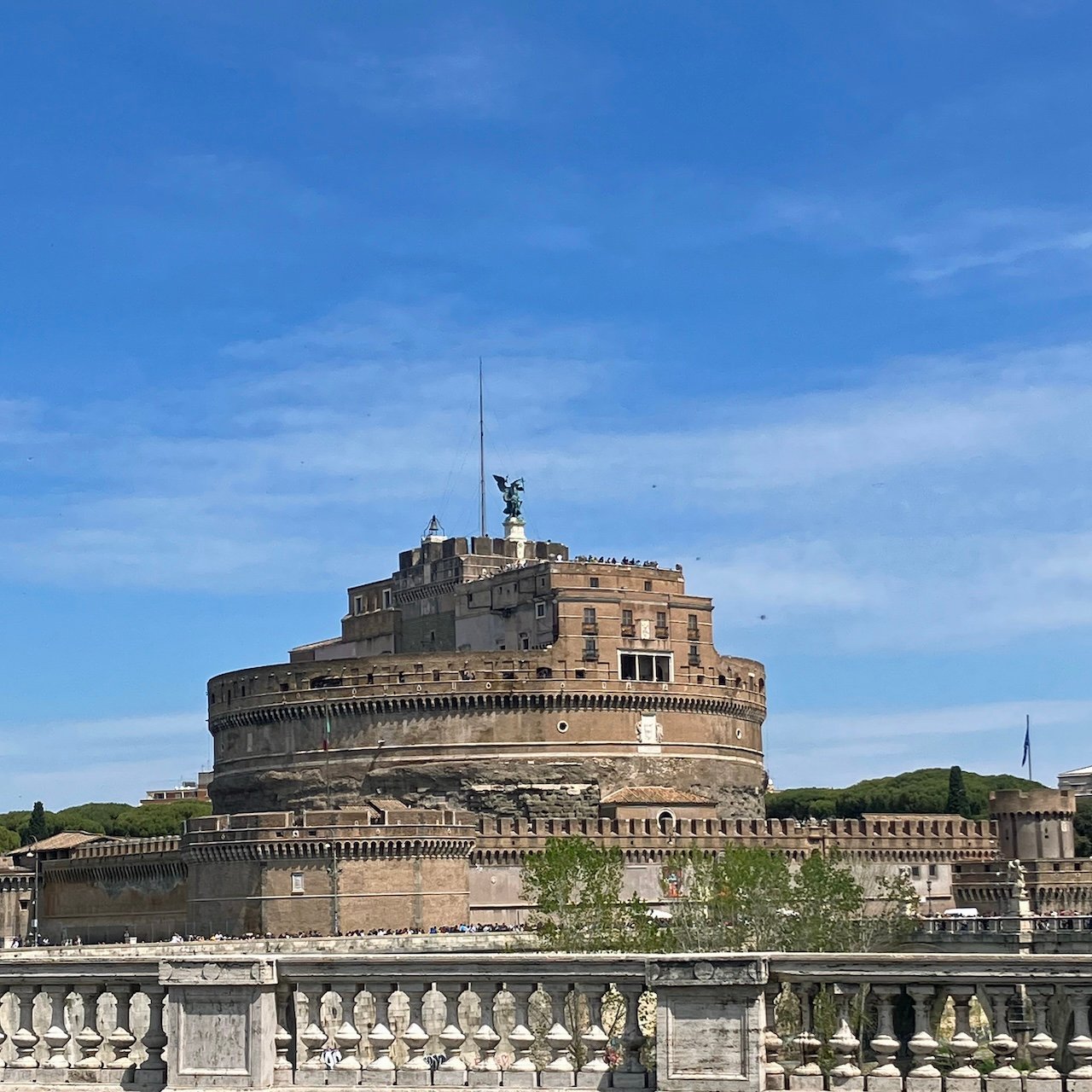
The Castel Sant’Angelo began its life in 135 AD, built by Emperor Hadrian as a mausoleum for himself and his family. Over the centuries, it evolved from an imperial tomb to a military fortress, eventually becoming a refuge for popes during periods of unrest.
What makes Castel Sant’Angelo especially interesting is how clearly you can see those layers as you move through the building. Ancient Roman foundations give way to medieval fortifications, Renaissance apartments, and papal corridors, including the secret passageway that connects the castle directly to the Vatican.
The upper levels open onto terraces with excellent views over the Tiber River and St. Peter’s Basilica, making it a rewarding stop even if you do not spend hours inside. It is not essential on a first visit to Rome, but if you are looking to add one more historically rich site that feels distinct from Rome’s churches and museums, Castel Sant’Angelo is a solid choice.
Tickets can sell out in advance, so make sure you book your tickets online via the Ministero della Cultura website.
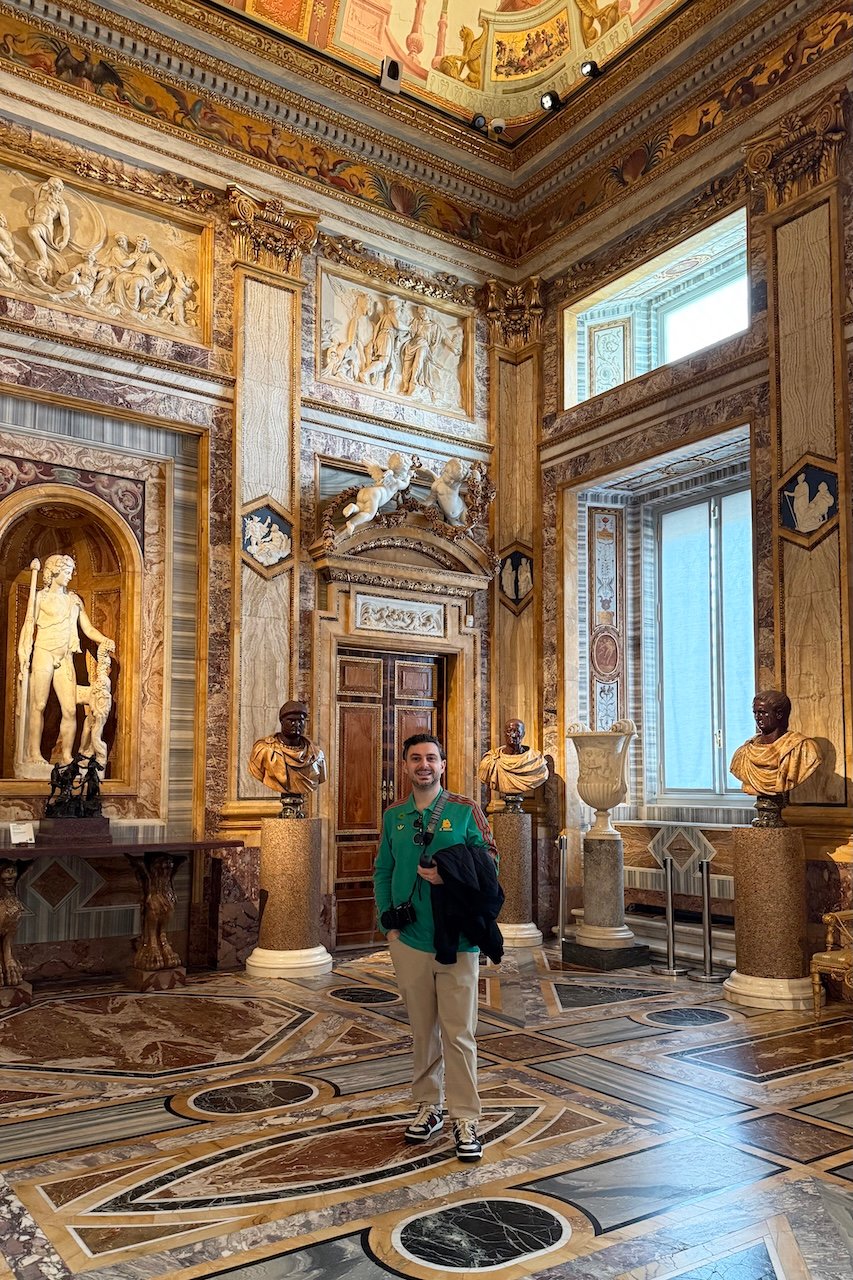
The Galleria Borghese is housed within Villa Borghese, set inside one of Rome’s largest and best public parks. The museum was once the private home of the noble Borghese family, and the collection inside reflects their tastes and ambition.
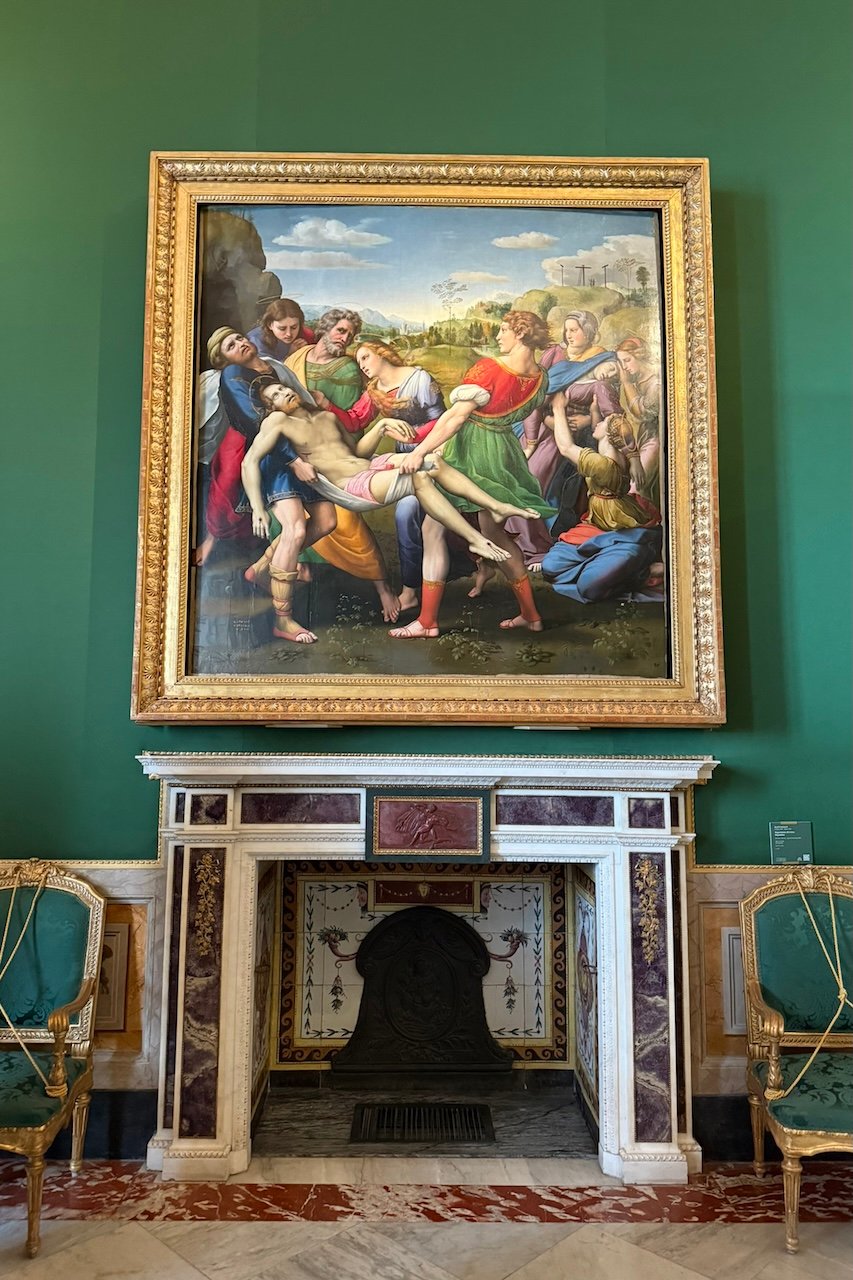
Highlights of the collection includes Raphael's The Deposition and his Portrait of a Young Woman with a Unicorn, a work often believed to be inspired by Leonardo da Vinci’s Lady with an Ermine, on display at the Czartoryski Museum in Krakow.
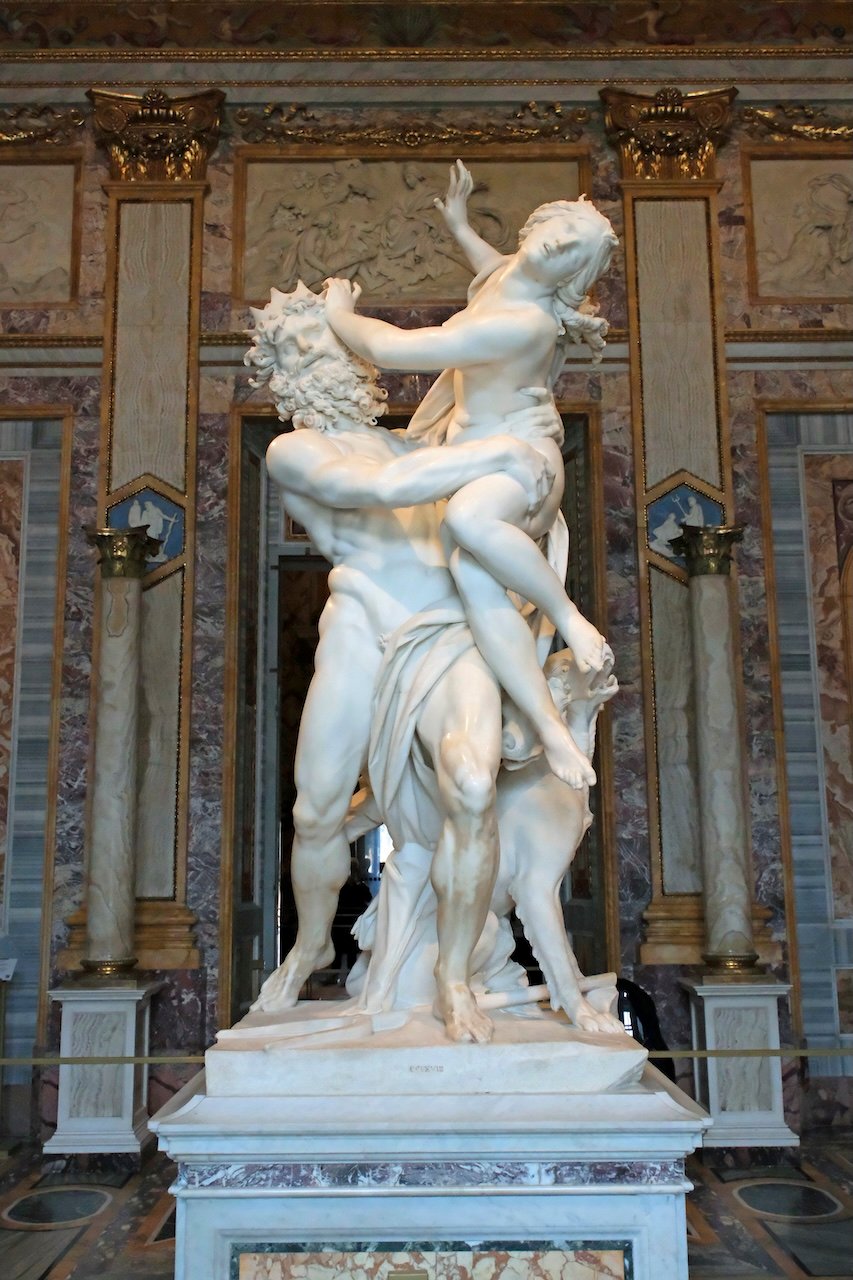
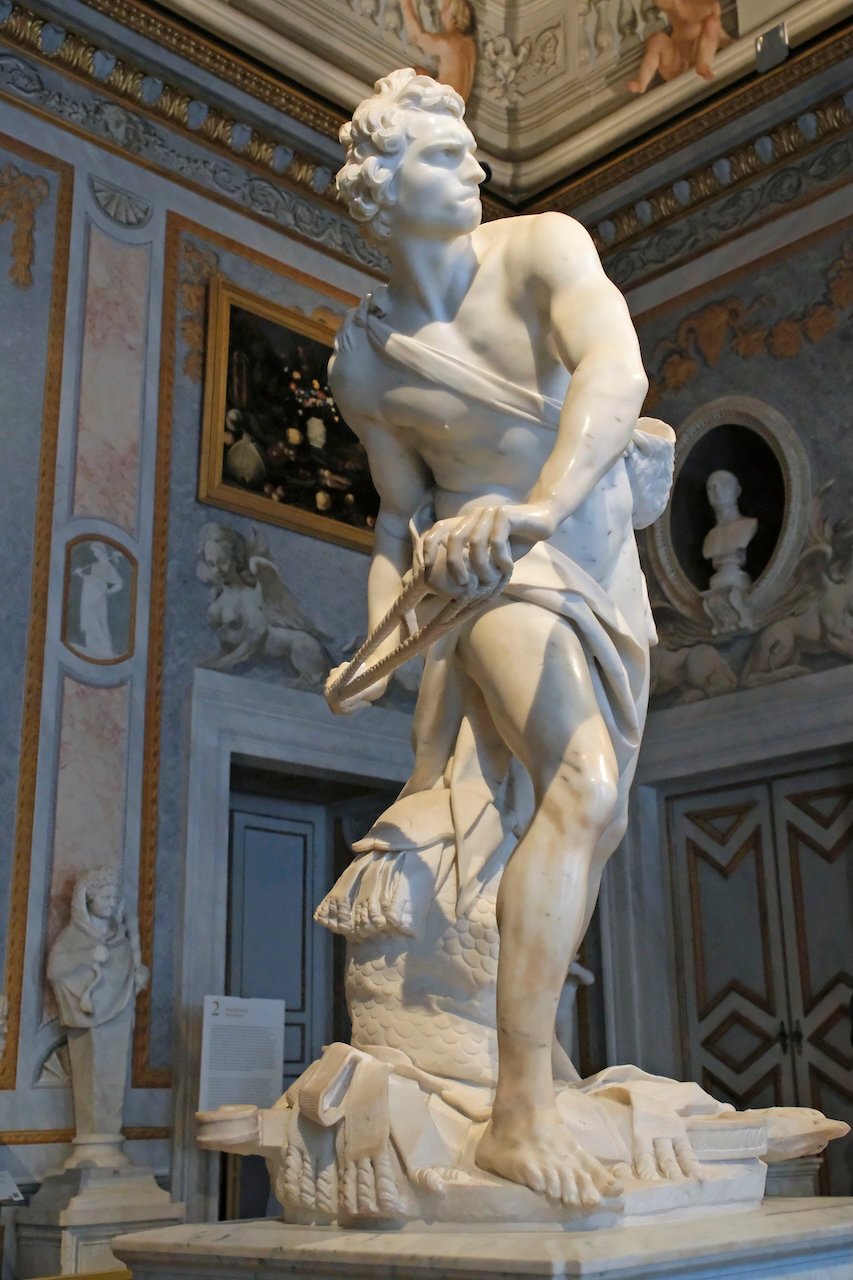
Where the Borghese truly shines, though, is its sculpture collection. The museum houses some of the most extraordinary works by Gian Lorenzo Bernini (including his masterpieces The Abduction of Proserpina and David), whose sculptures feel almost impossibly alive, as well as pieces by Antonio Canova.
Tickets for the Galleria Borghese must be purchased online and in advance, and have strict time slots. You will have exactly two hours in the museum before you are asked to leave. While this limits your time in seeing the collection, it does keep the museum free of overwhelming crowds. Tickets can sell out months in advance during the peak tourist season, so it is worth locking this in early if it is on your must-see in Rome list. Tickets for the Galleria Borghese can be purchased via the TOSC website.
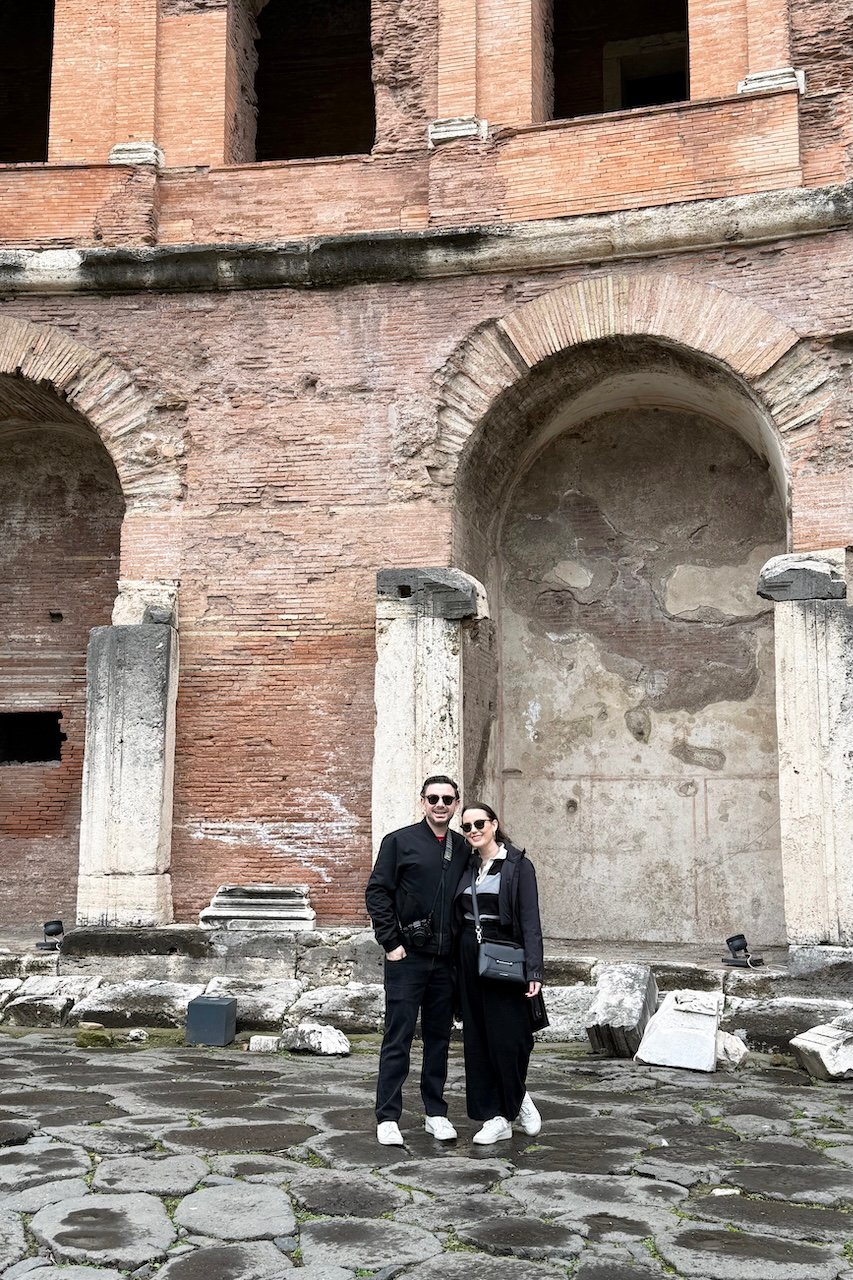
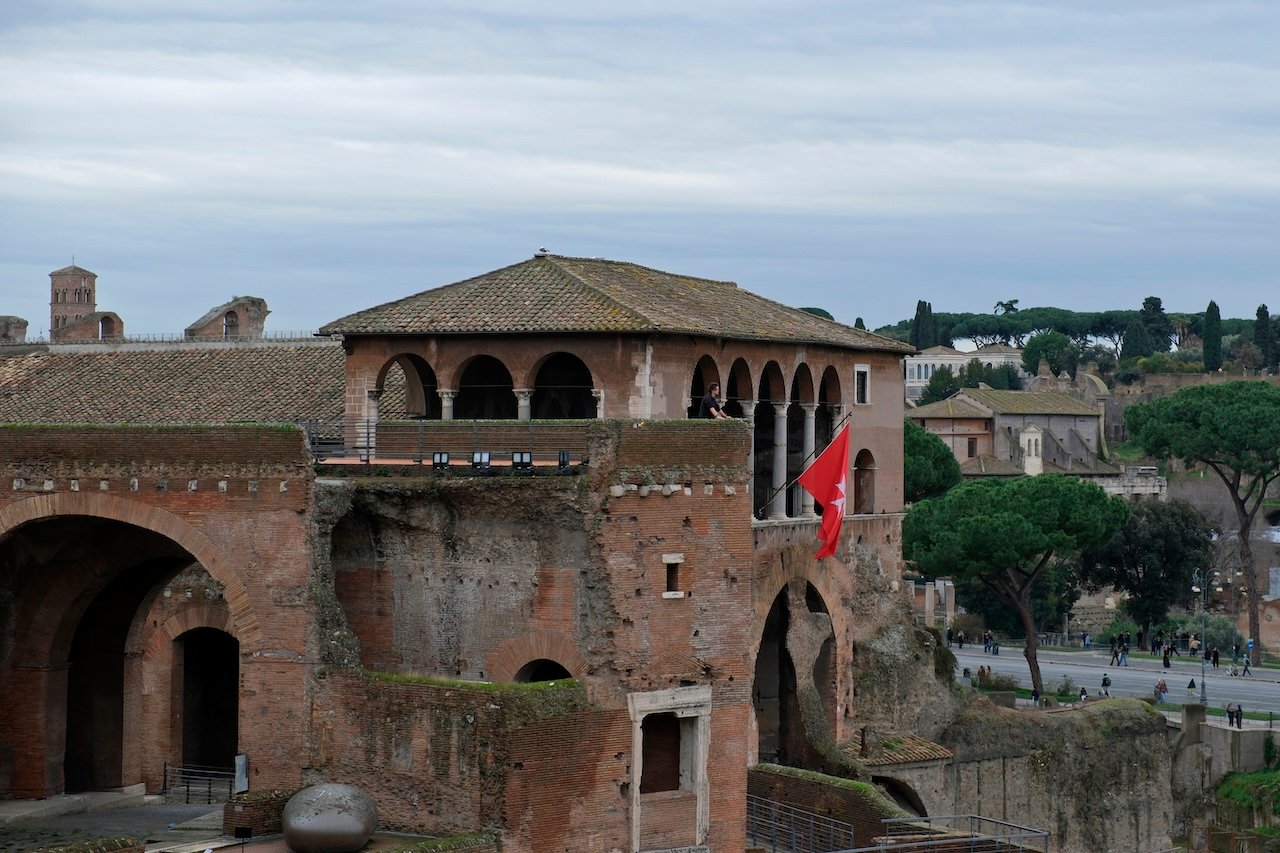
Trajan’s Market is often described as the world’s first shopping mall, but what makes it appealing today is how manageable it feels. Built in the early 2nd century AD during the reign of Trajan, the multi-level complex once housed shops, offices, and public spaces on the slopes of Quirinal Hill.
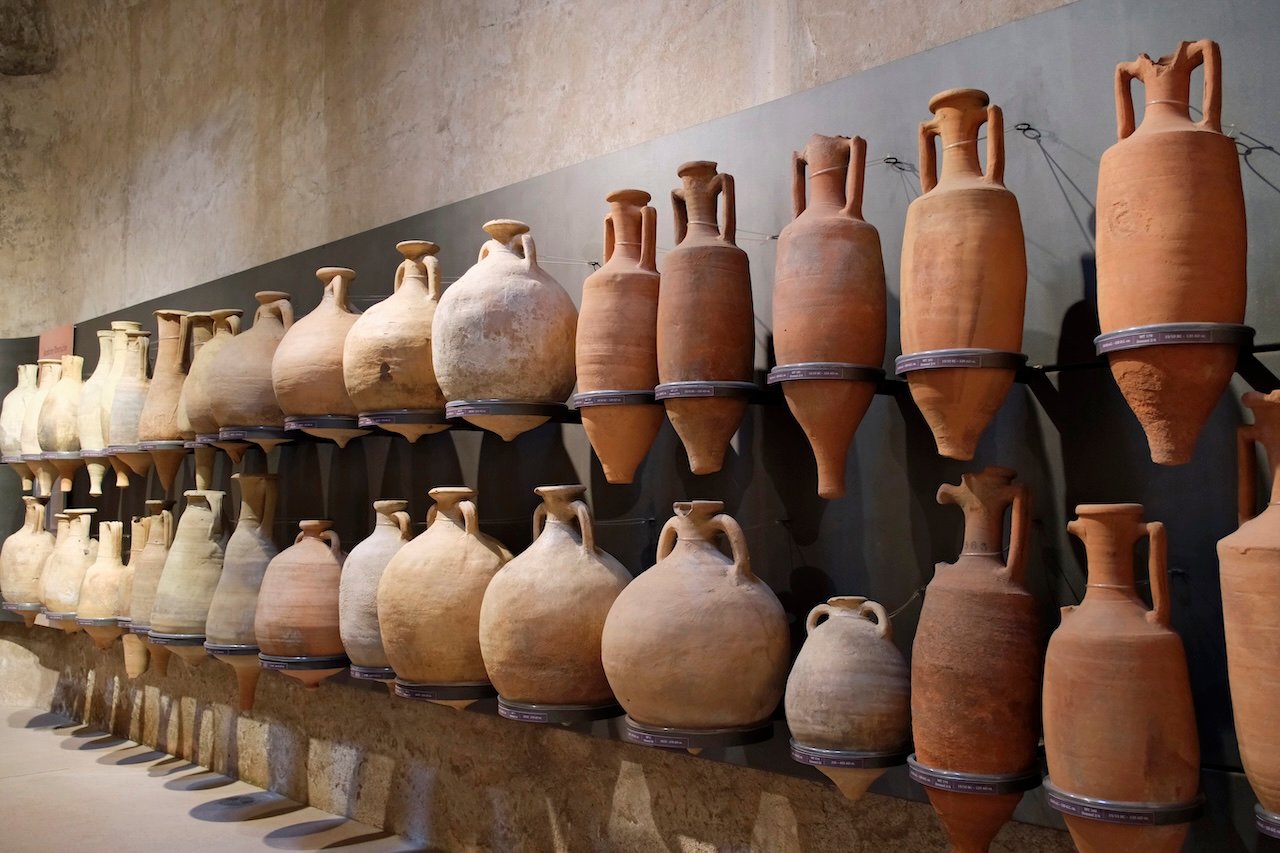
We like Trajan’s Market as either a complement to the Roman Forum or a lighter alternative if you do not want to tackle the Forum in full. The site is easier to navigate and generally less crowded than the Roman Forum. Plus, the onsite museum (Museum of the Imperial Fora) showcases a number of artifacts found at Trajan's Market and the other ancient forums in Rome indoors and out of the sun.
Tickets can be purchased both online and in-person at Trajan's Market. To purchase tickets online, please visit the Mercati di Traiano Museo dei Fori Imperiali website.
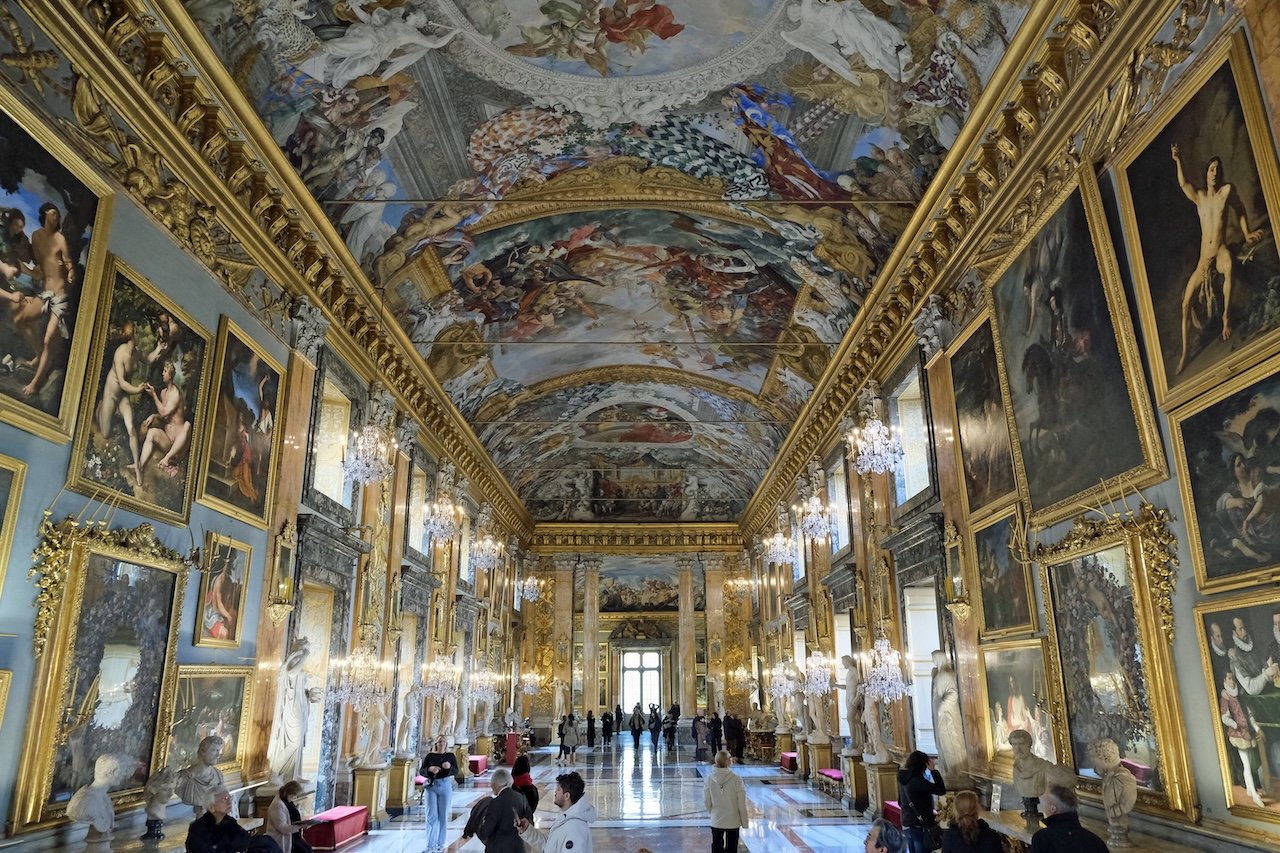
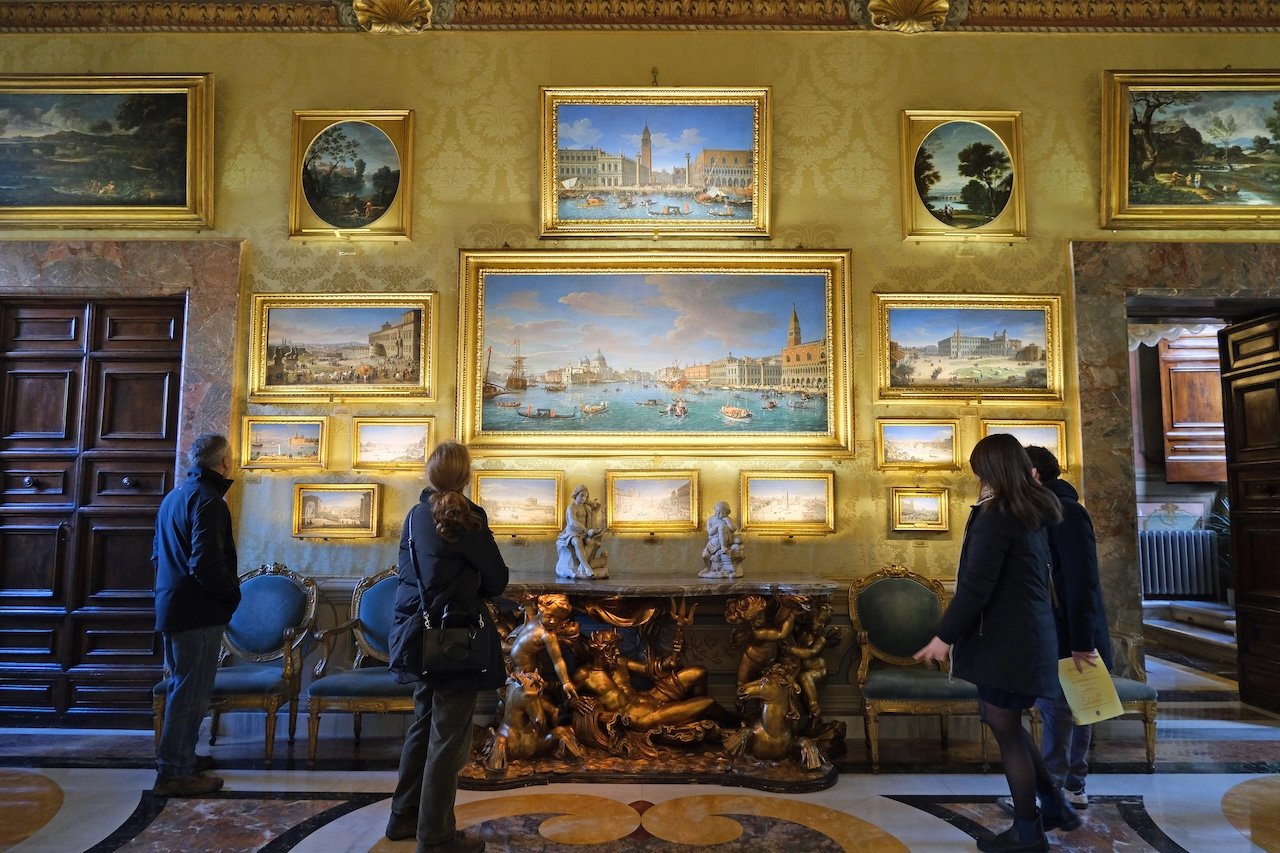
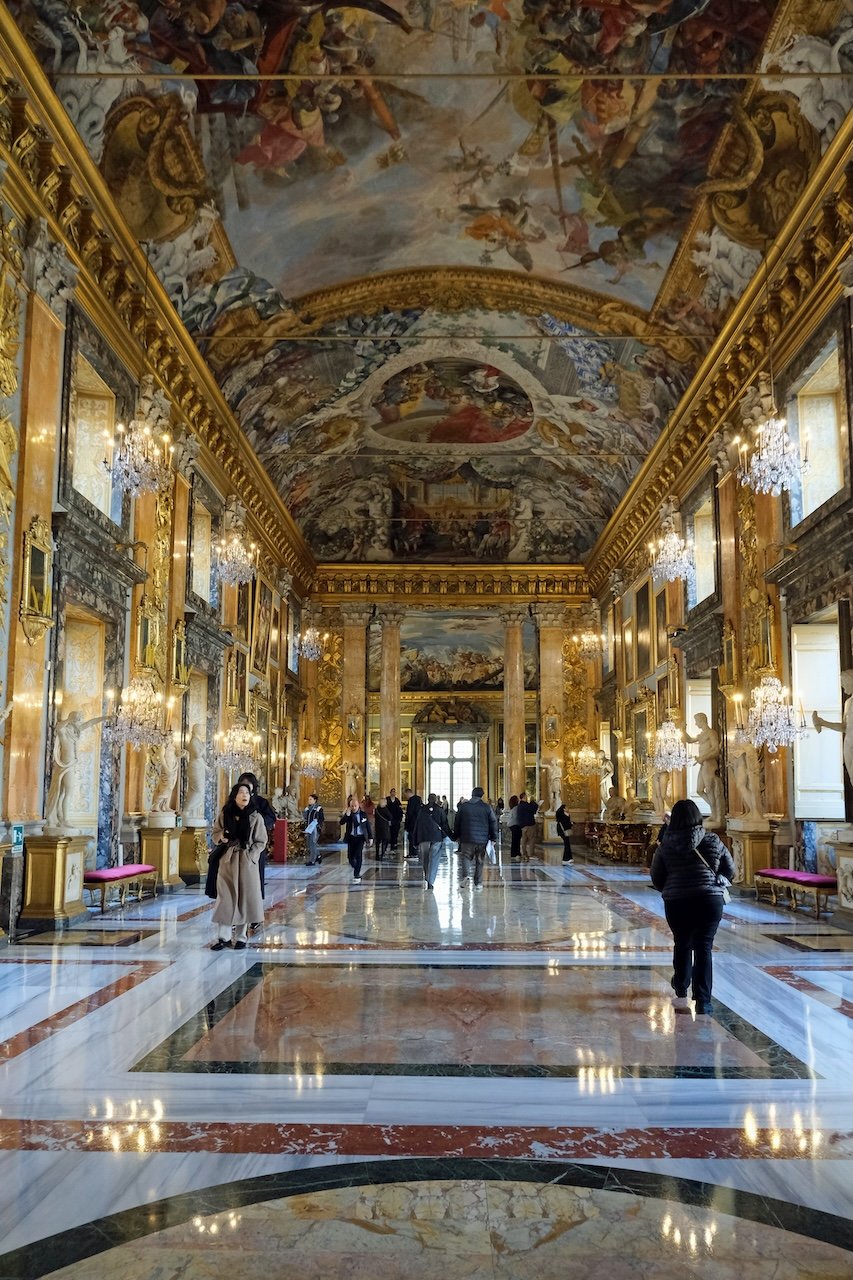
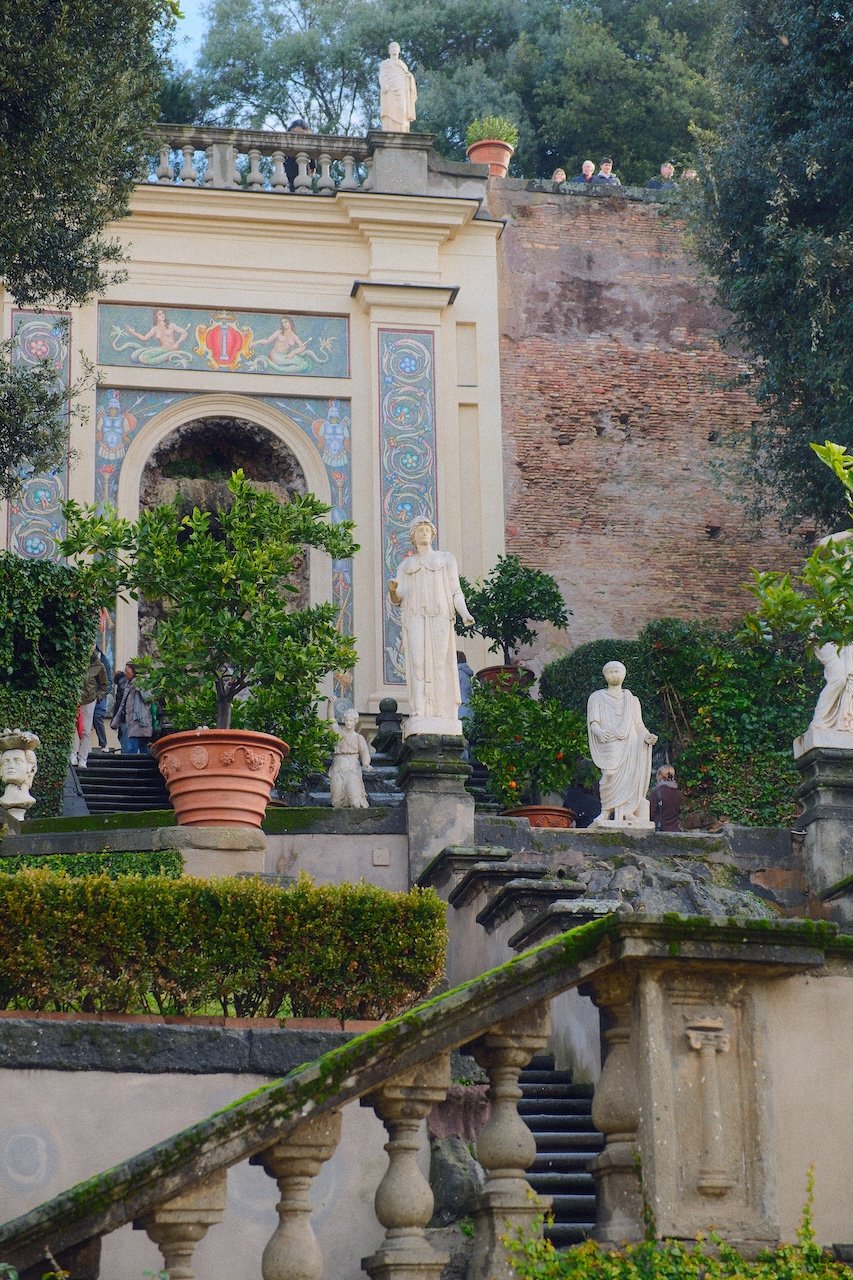
The Palazzo Colonna is one of the most rewarding hidden gems in Rome, especially if you are curious about the city beyond ancient ruins and major museums. Still owned by the Colonna family, the palace offers a rare look inside aristocratic Rome, with generations of wealth, power, and influence layered into its interiors.
Palazzo Colonna is only open to the public twice a week, on Fridays and Saturdays. If you visit, we strongly recommend purchasing the ticket that includes access to Princess Isabelle's Apartment. These rooms are unapologetically grand, filled with more ornate ceilings and incredible artwork.
The palace also has a strong historical connection to the papacy. Pope Martin V, elected in 1417, was a member of the Colonna family and lived here during his papacy, underscoring how closely Rome’s noble families and the Catholic Church were intertwined.
One of the most surprising parts of the visit is the terraced gardens, which offer a calmer counterpoint to the opulence inside. Palazzo Colonna is not essential for a first visit to Rome, but if you are looking to add one of the true hidden gems in Rome to your itinerary, this is an excellent choice.
Tickets for Palazzo Colonna can be purchased in person, but to avoid waiting in line, you can also buy them in advance for Saturdays through our affiliate partner, GetYourGuide. Visits on Saturdays are self-guided, although audio guides are available to rent after you arrive at the palace. Visits on Fridays are by guided tour only which can be booked via the TOSC website.
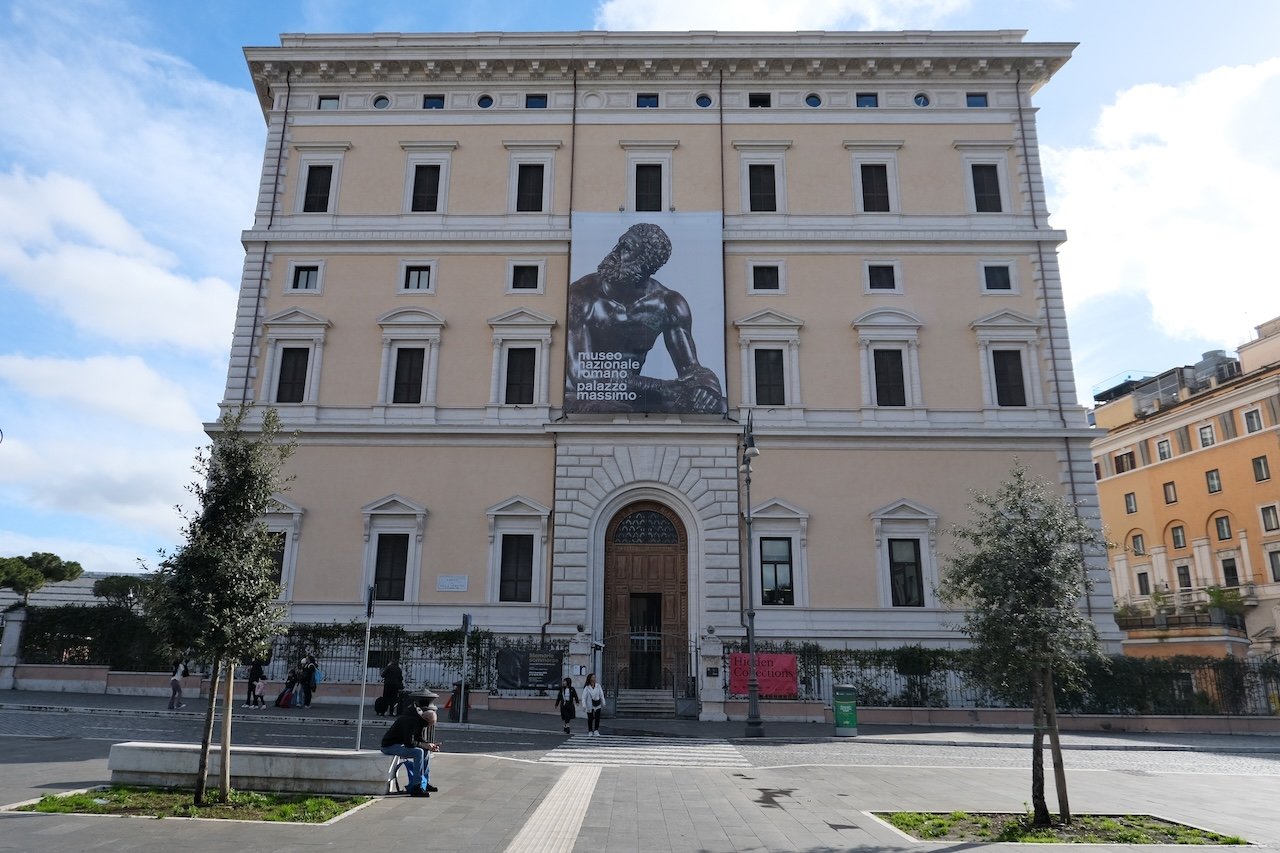
The Museo Nazionale Romano - Palazzo Massimo functions much like an archaeological museum, akin to the National Archaeological Museum in Athens.
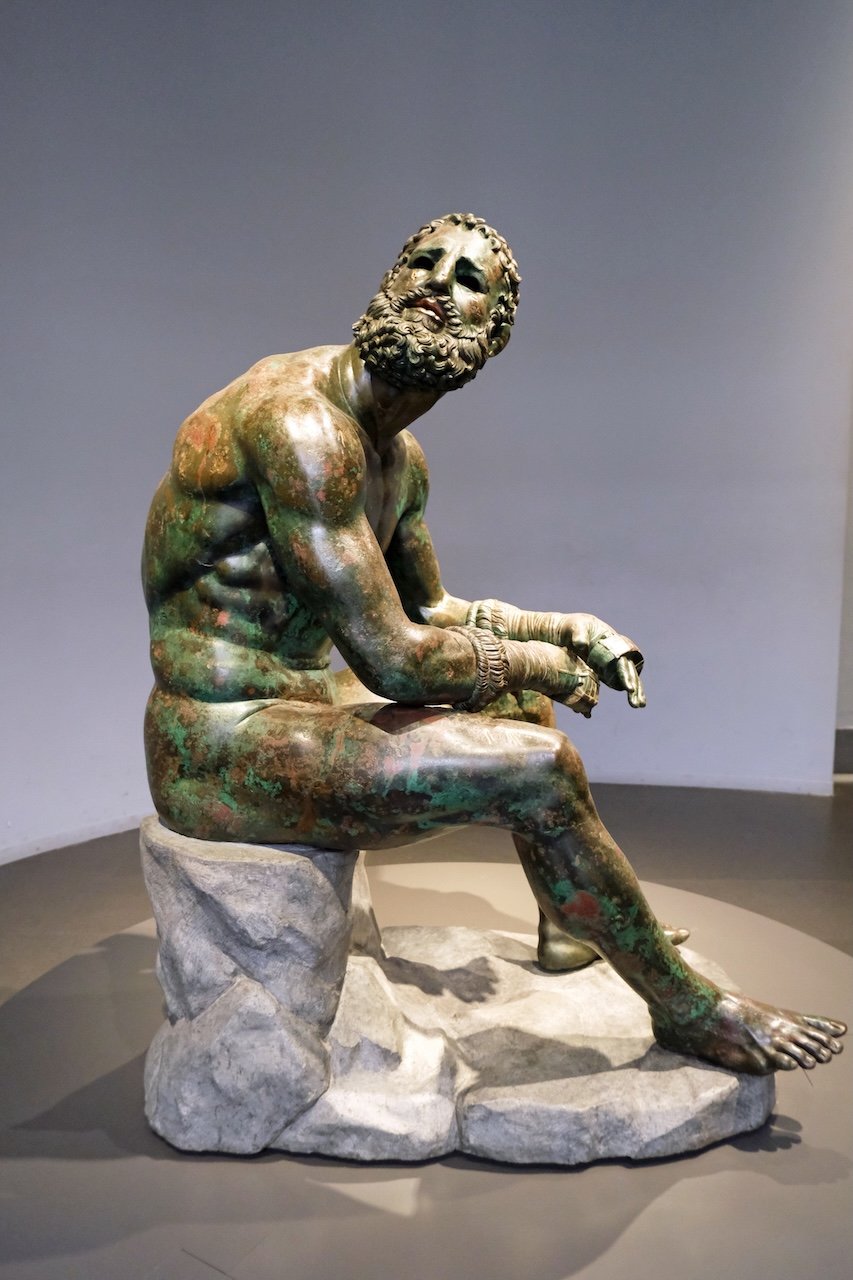
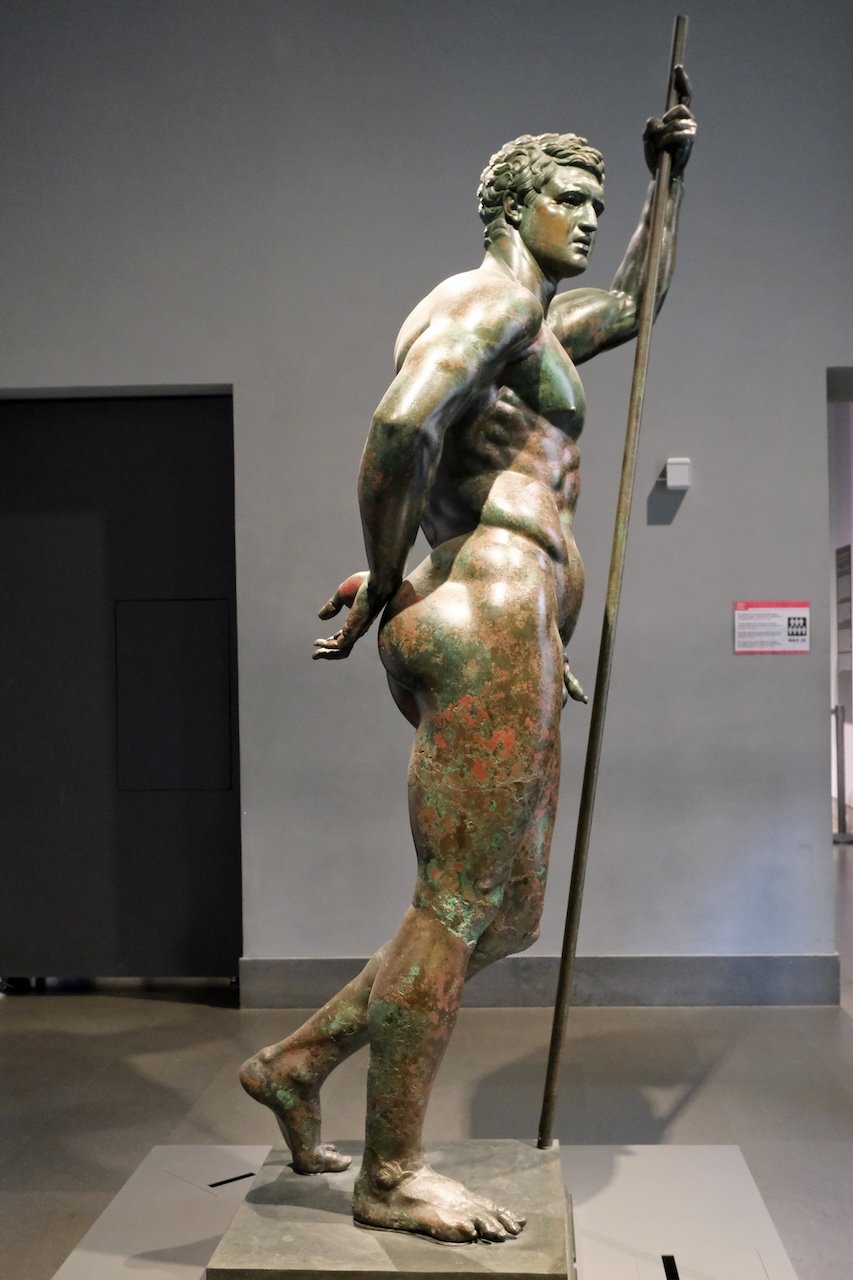
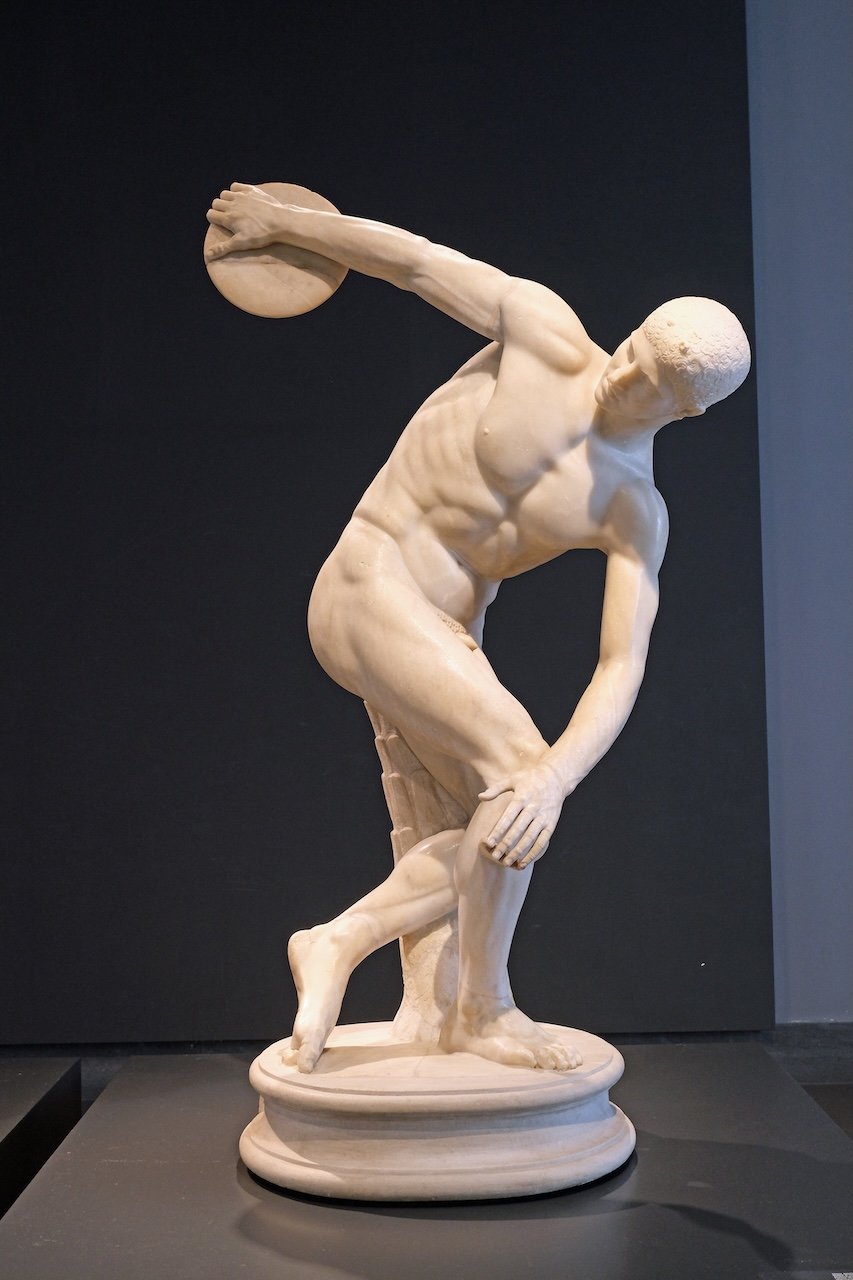
The highlights here are exceptional. The Boxer at Rest is one of the most striking ancient bronzes you will see anywhere, incredibly expressive and well preserved. The museum also houses beautifully intact Roman frescoes, detailed floor mosaics, and a fascinating collection of ancient Roman coins, which add another layer of context to the empire's economic and daily life.
While the Museo Nazionale Romano is spread across several branches, including the Baths of Diocletian, Palazzo Altemps, and Crypta Balbi, Palazzo Massimo is the clear standout. Located just steps from Rome Termini Station, it is easy to fit into any itinerary.
This is another of those hidden gems in Rome that rarely feels crowded, even during busy seasons. If you enjoy archaeology and want a museum that adds real depth to what you have already seen outdoors, Palazzo Massimo is an excellent addition and one of the city’s most underrated collections. As an added bonus, much of the signage in the Museo Nazionale Romano - Palazzo Massimo is available in both English and Italian.
Tickets for Museo Nazionale Romano - Palazzo Massimo can be purchased both online via the Musei Italiani website or in-person at the ticket office. Tickets include admission to each branch of the Museo Nazionale Romano, with the exception of Crypta Balbi, over a period of seven days. For more information, visit the Museo Nazionale Romano website.
Experience has definitely reshaped how we approach a few of Rome’s most talked-about spots.
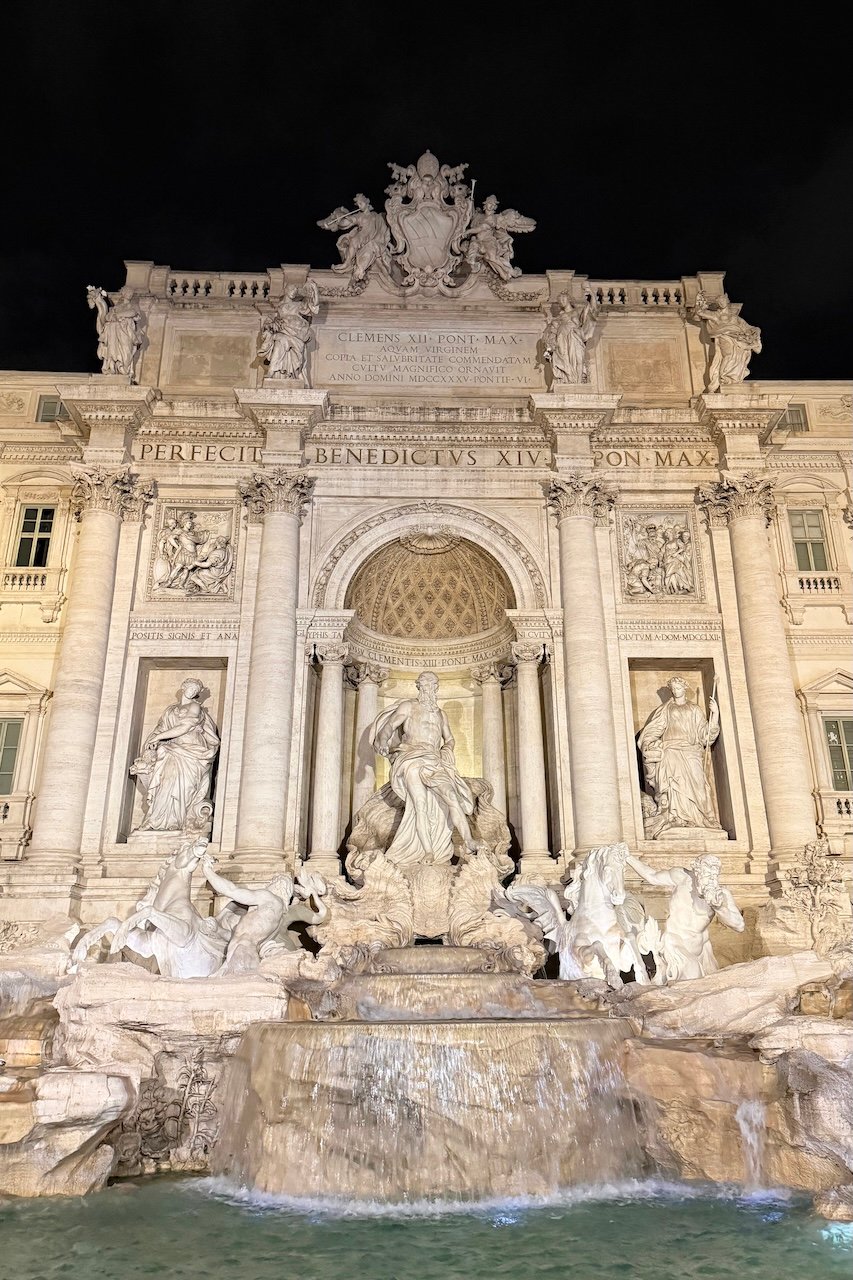
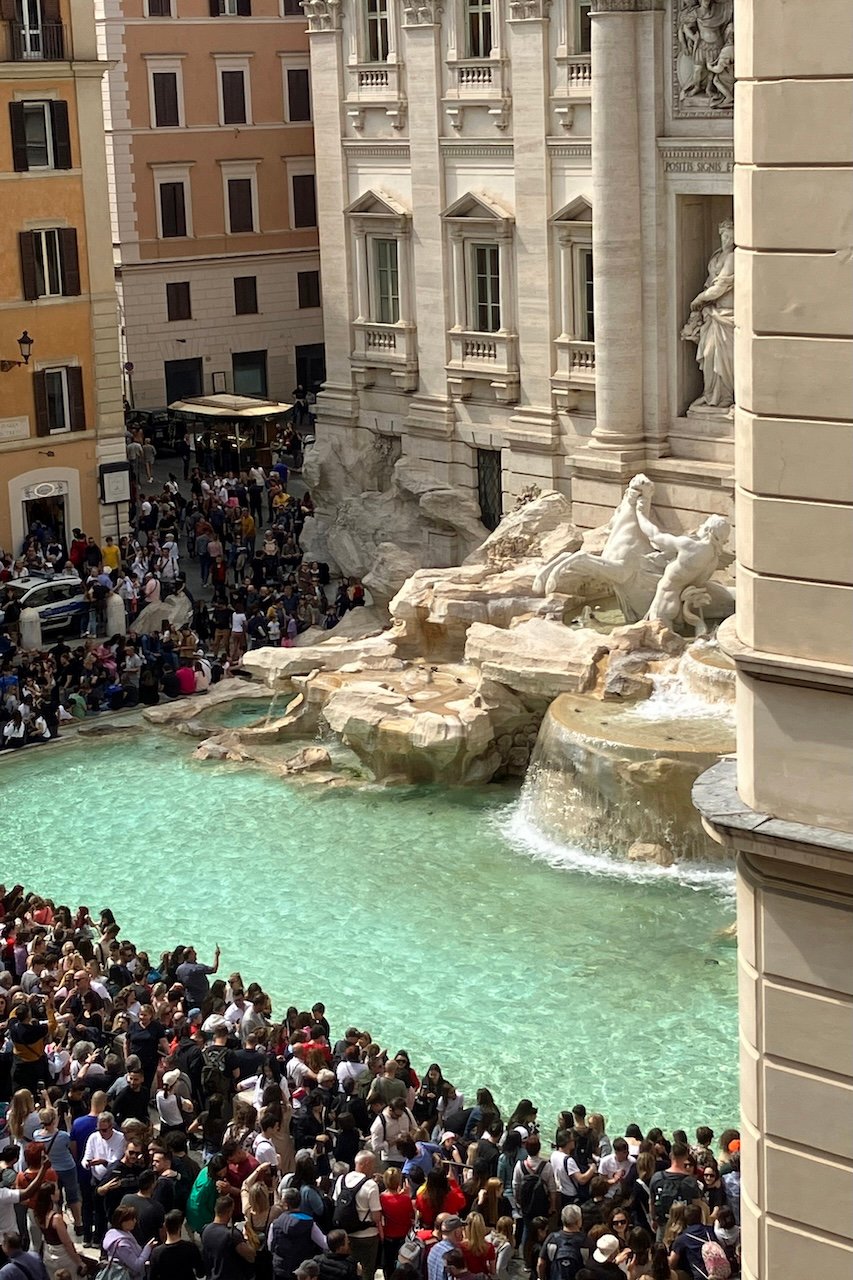
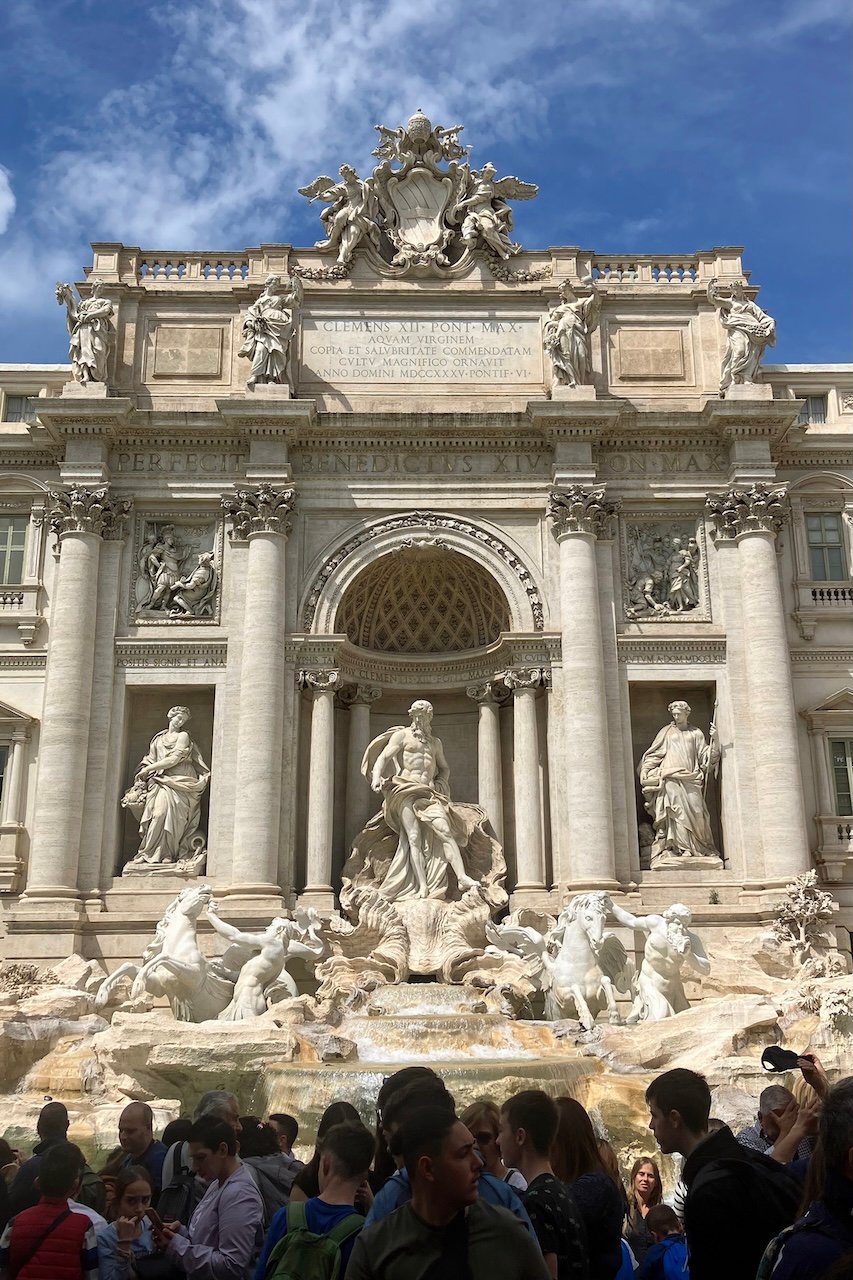
The Trevi Fountain may be iconic, but it is almost always packed. Beginning in 2026, access to the Trevi Fountain is only available after purchasing a ticket between the hours of 9:00 AM and 10:00 PM, which in our opinion has only added to the congestion rather than improve the experience. Most visitors end up clustered along the surrounding sidewalks, craning their necks for a glimpse of the fountain, which makes the area feel extremely chaotic.
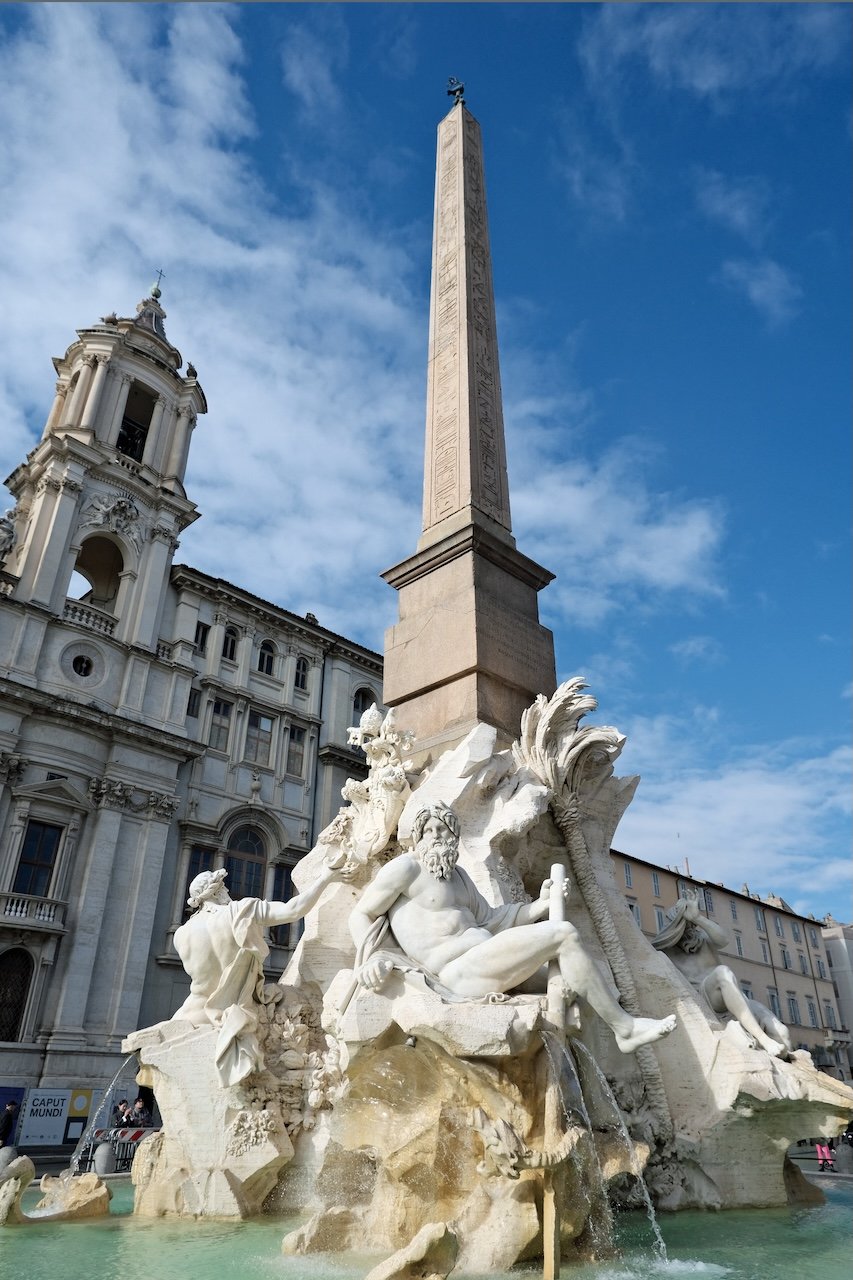
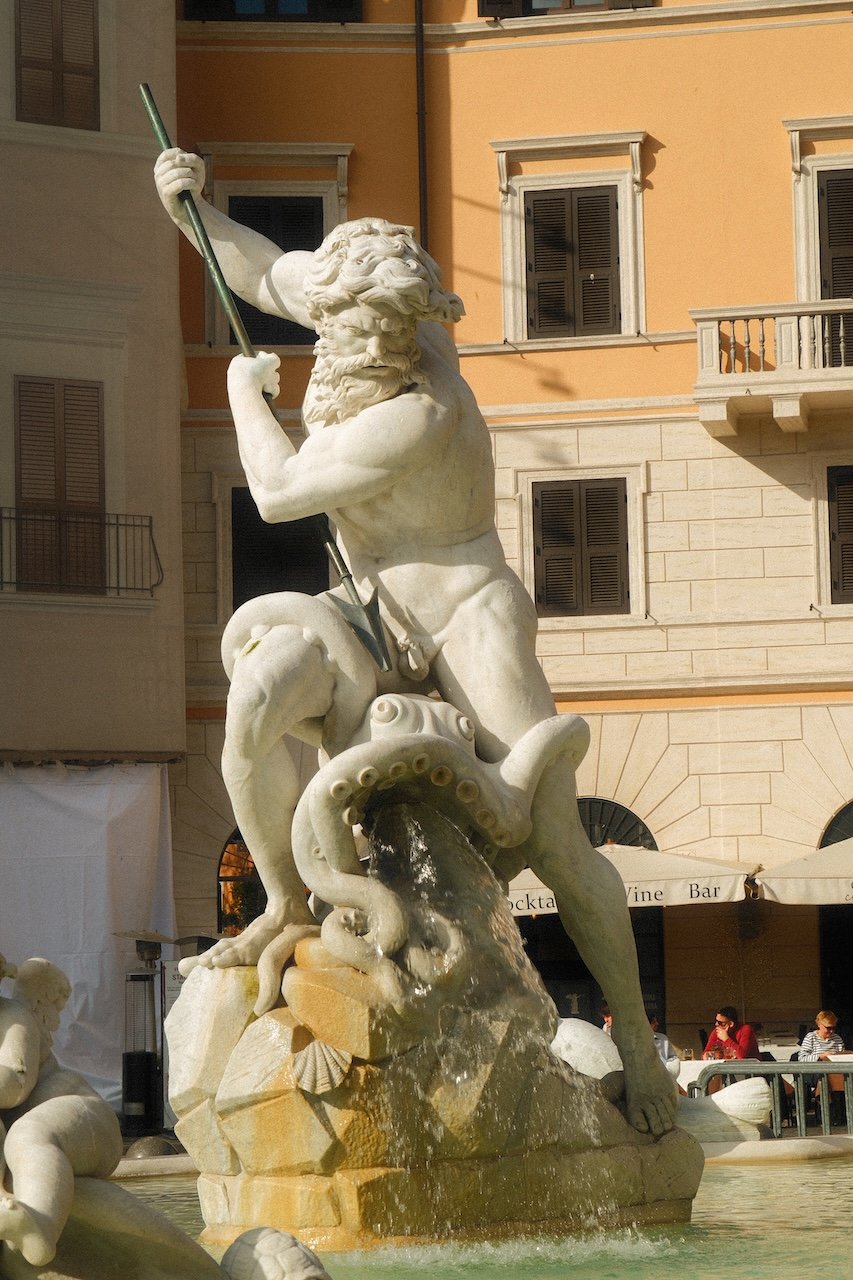
Instead, we much prefer spending time in Piazza Navona, which offers beautiful fountains, more space to move around, and a far more enjoyable atmosphere overall. The square is anchored by three remarkable Baroque fountains, including Gian Lorenzo Bernini’s Fontana dei Quattro Fiumi, with its towering Egyptian obelisk that gives the piazza its sense of scale and drama. There is plenty of room to linger in Piazza Navona, take it all in, and actually appreciate the artistry without feeling completely overwhelmed by crowds.
However, if you are set on seeing the Trevi Fountain, our advice is to go late at night, ideally after 10:00 PM. It will still be busy, but noticeably calmer than during the morning or midday rush, and far more pleasant to experience.
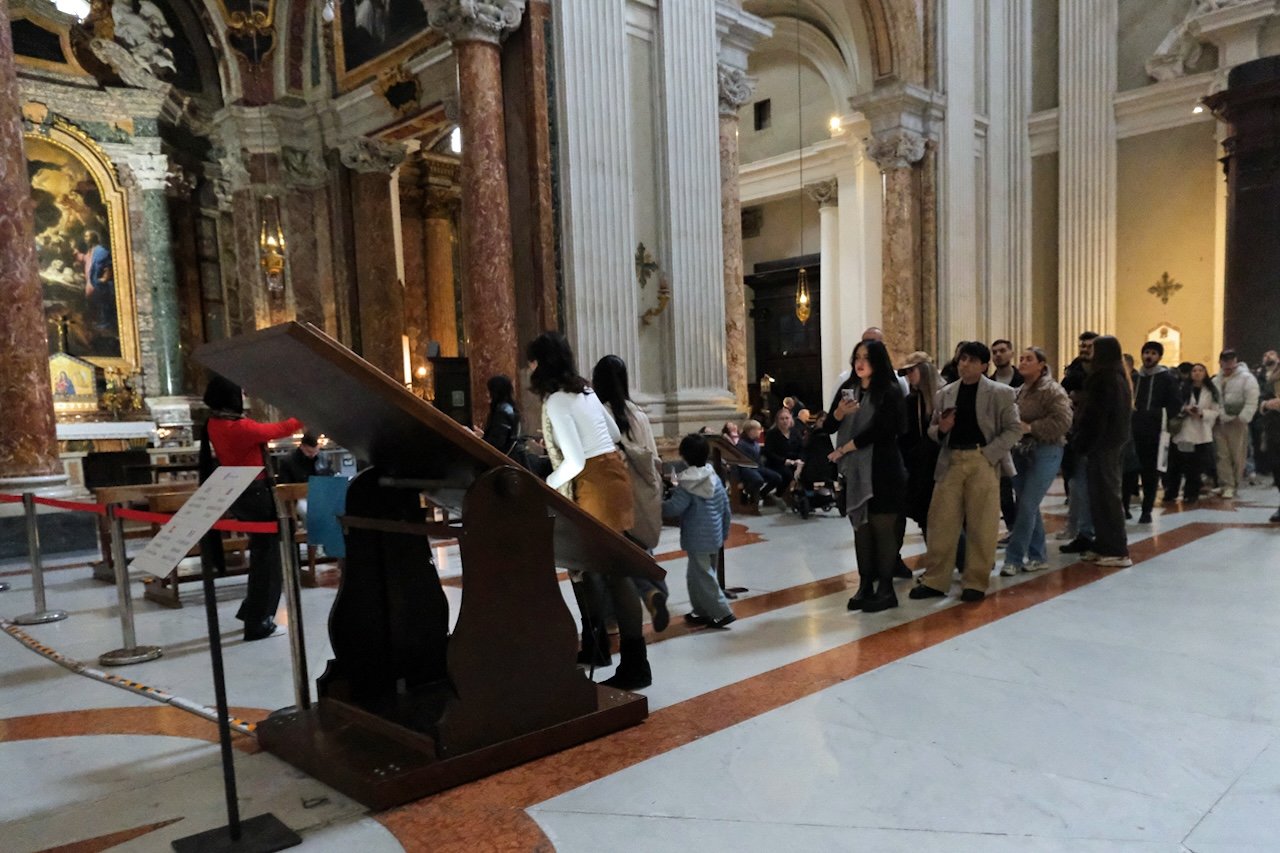
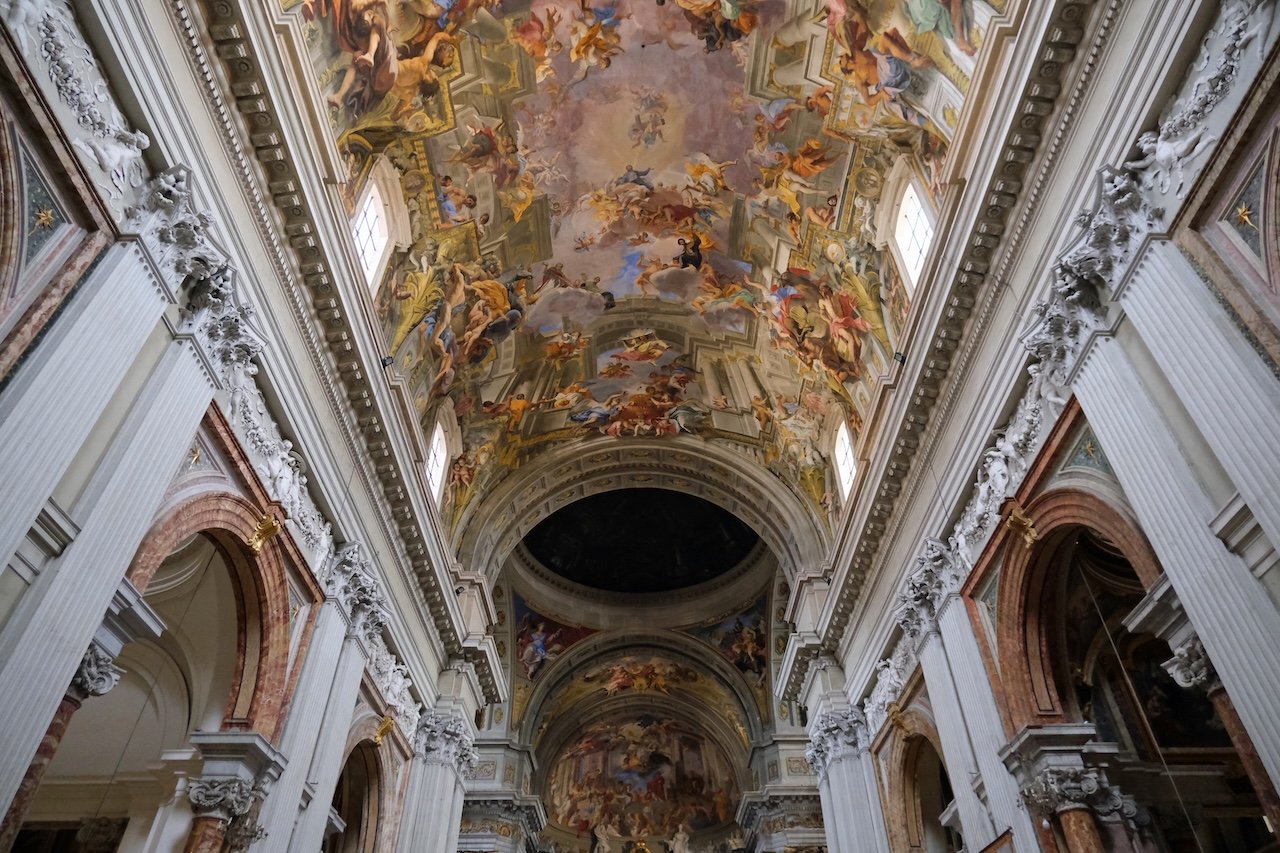
The elaborately painted ceiling and dome illusion at the Church of St. Ignazio (St. Ignatius) of Loyola is undeniably impressive, but the viral selfie mirror has turned the sacred space into a bottleneck, often with long waits and very little room to actually appreciate the church itself.
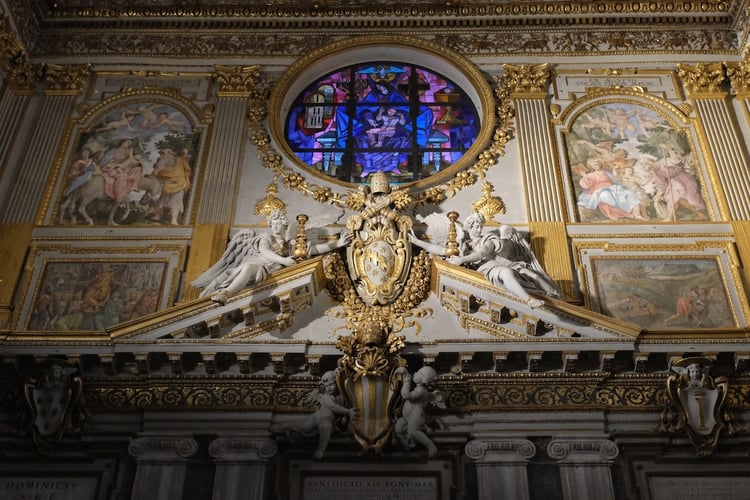
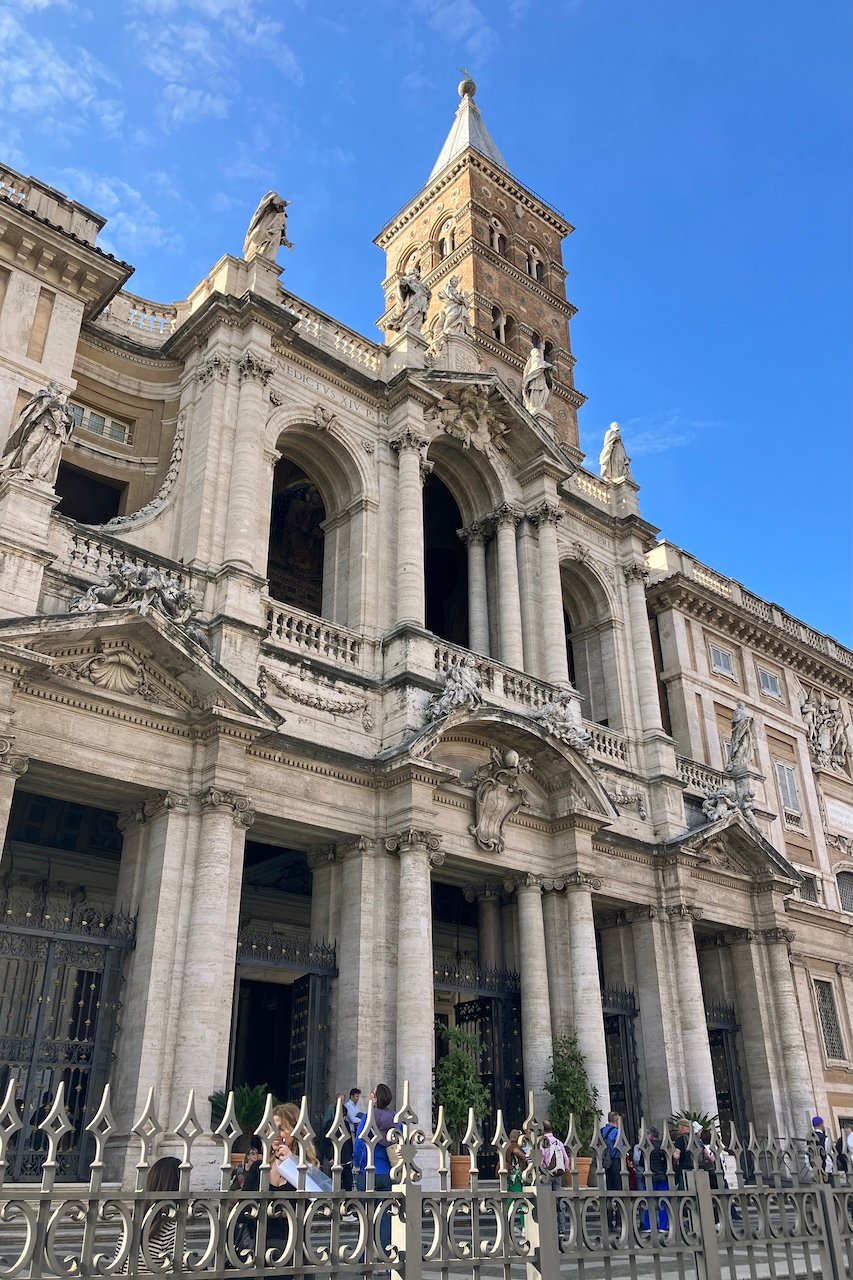
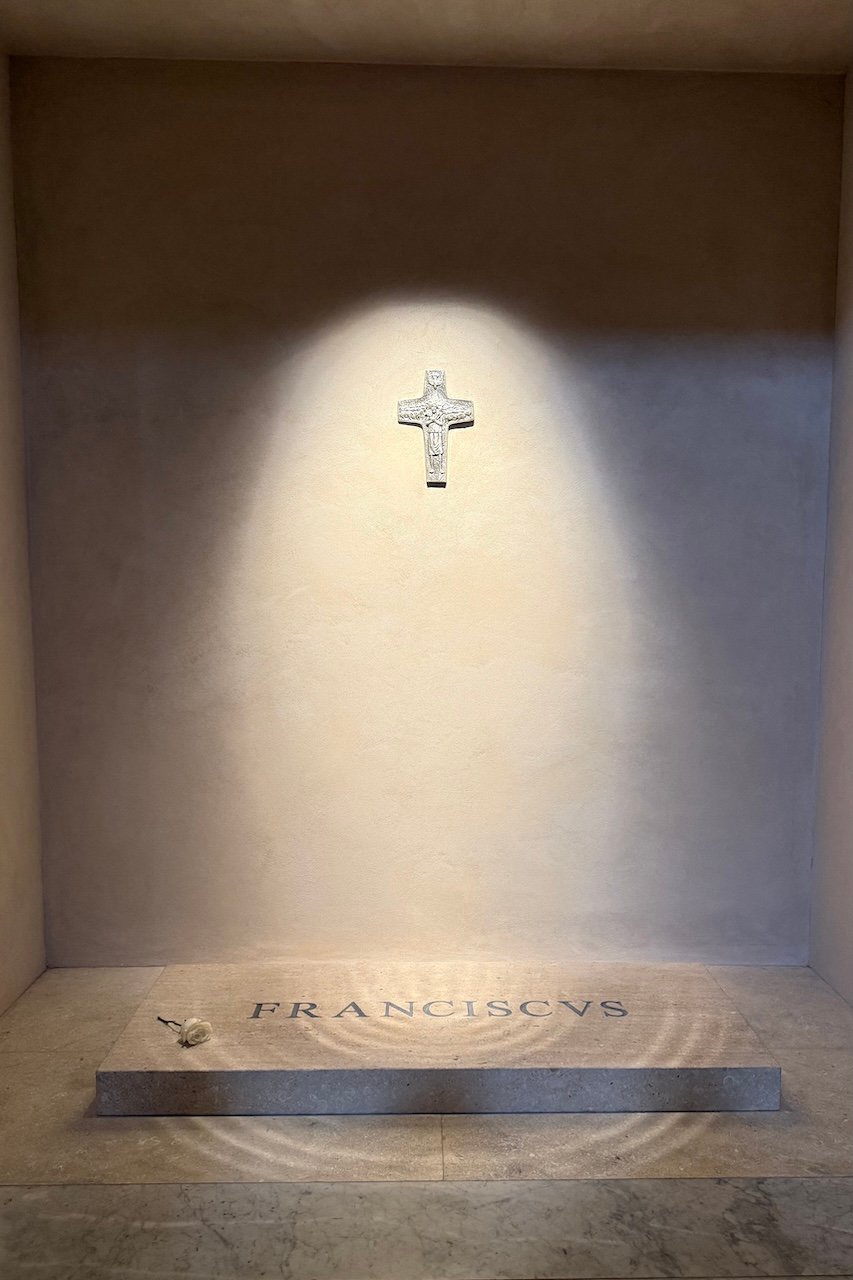
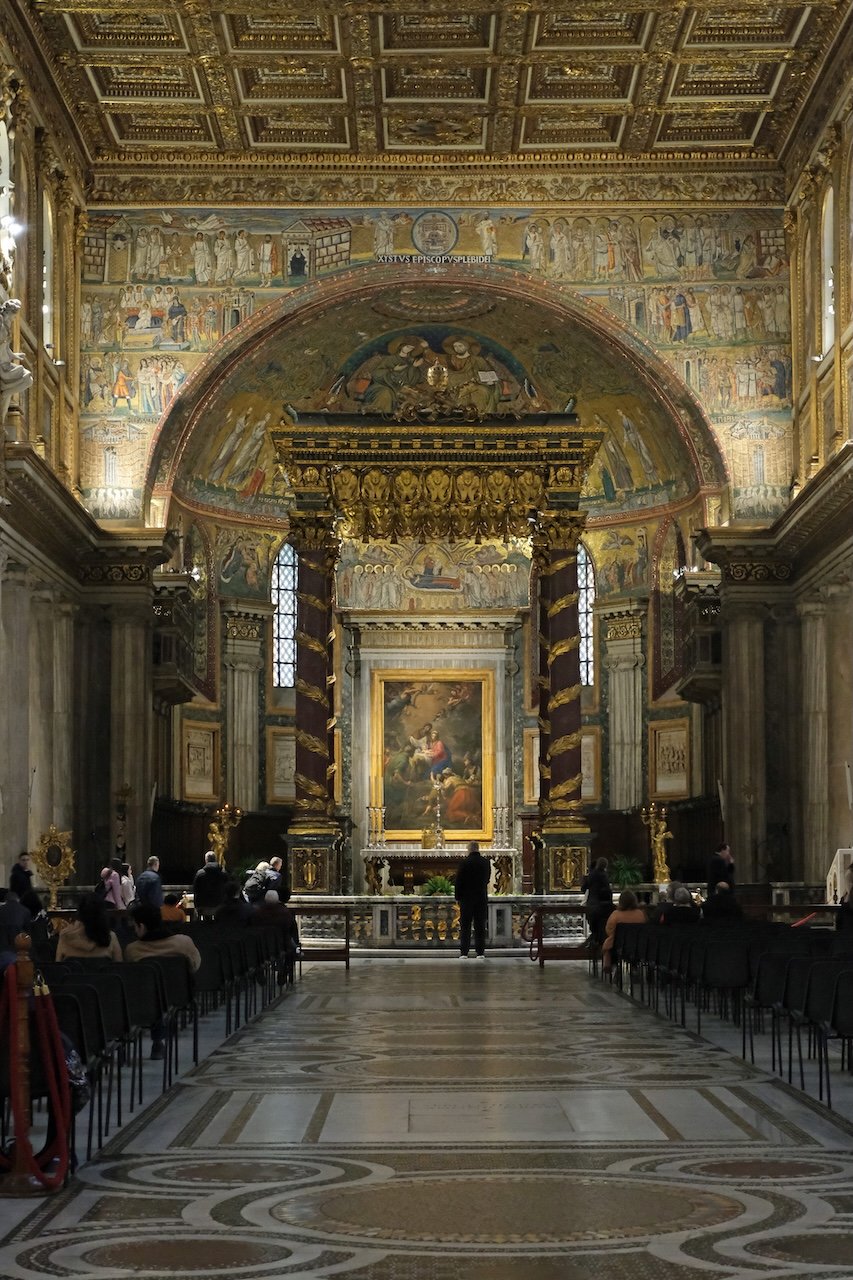
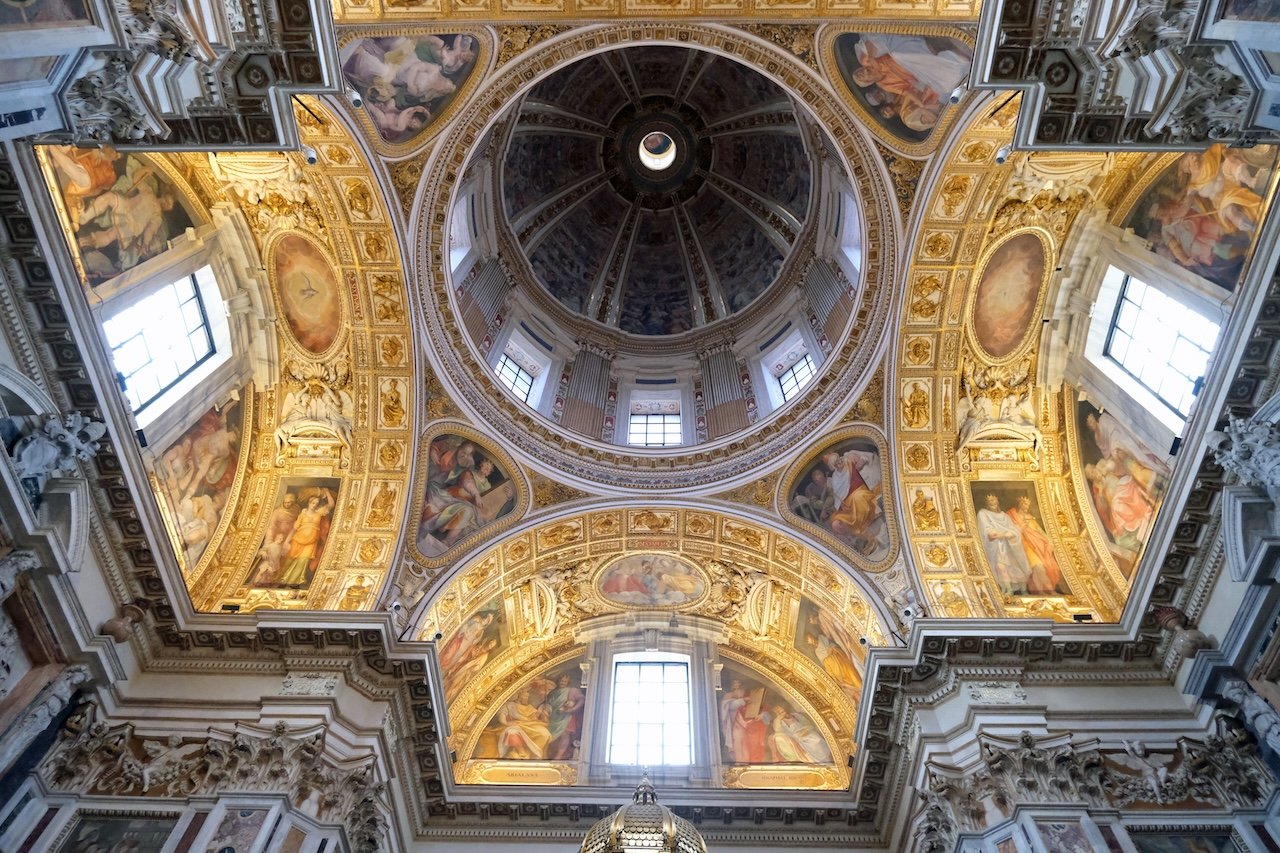
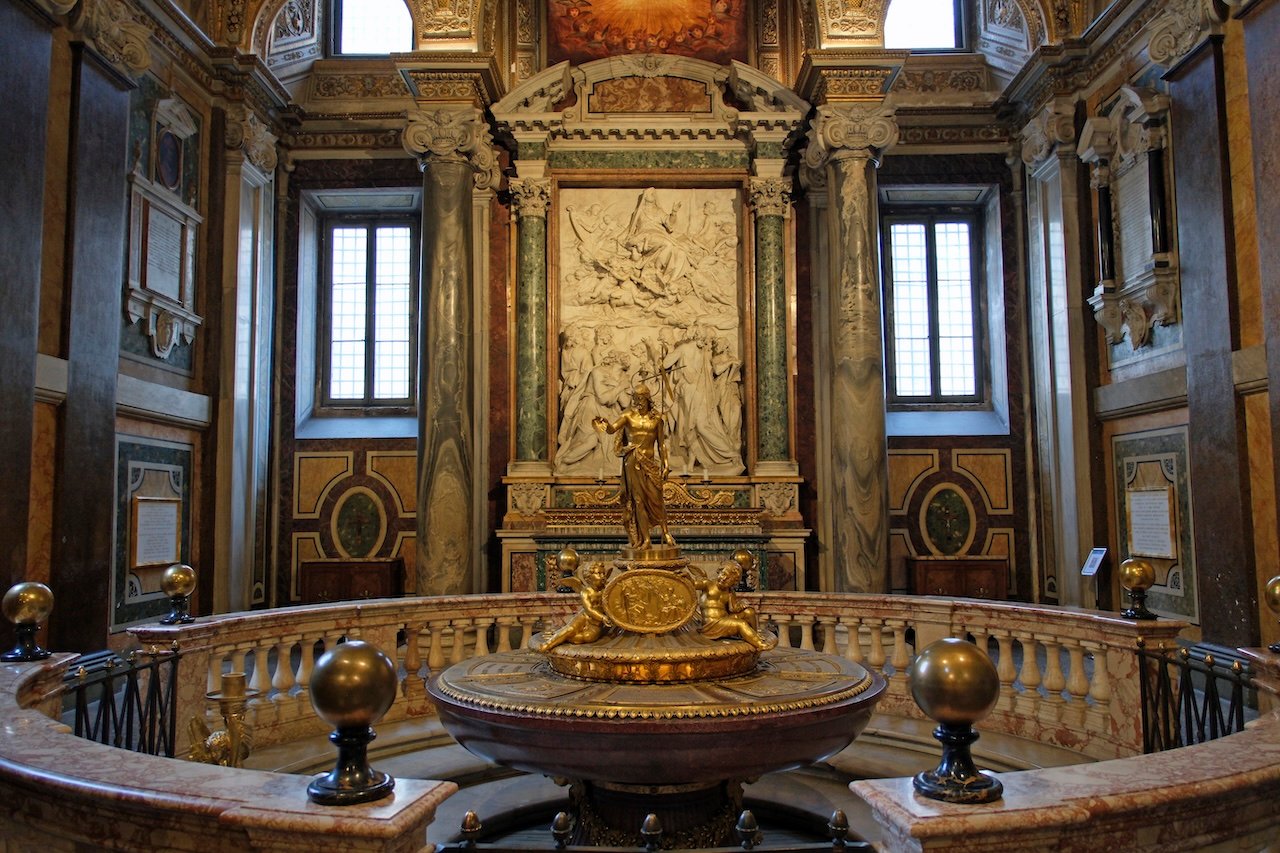
If you are looking for equally beautiful churches without the crowds, we recommend heading elsewhere. Rome is full of incredible churches afterall! The Basilica di Santa Maria Maggiore (Papal Basilica of St. Mary Major) is one of Rome’s most important basilicas, with a vast interior, stunning mosaics, and a sense of scale that immediately commands attention. It is also where Pope Francis is buried and far less chaotic than St. Ignazio, allowing you to explore at your own pace.
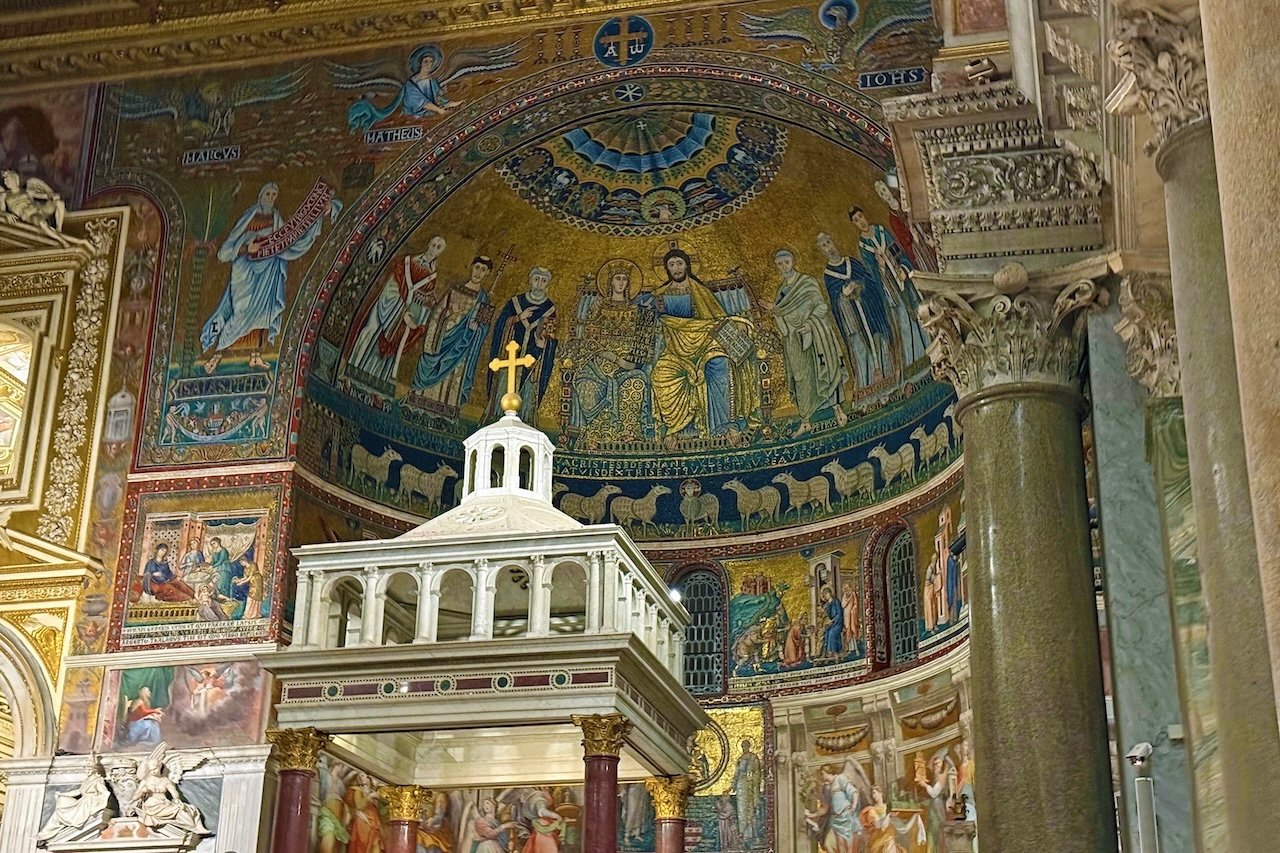
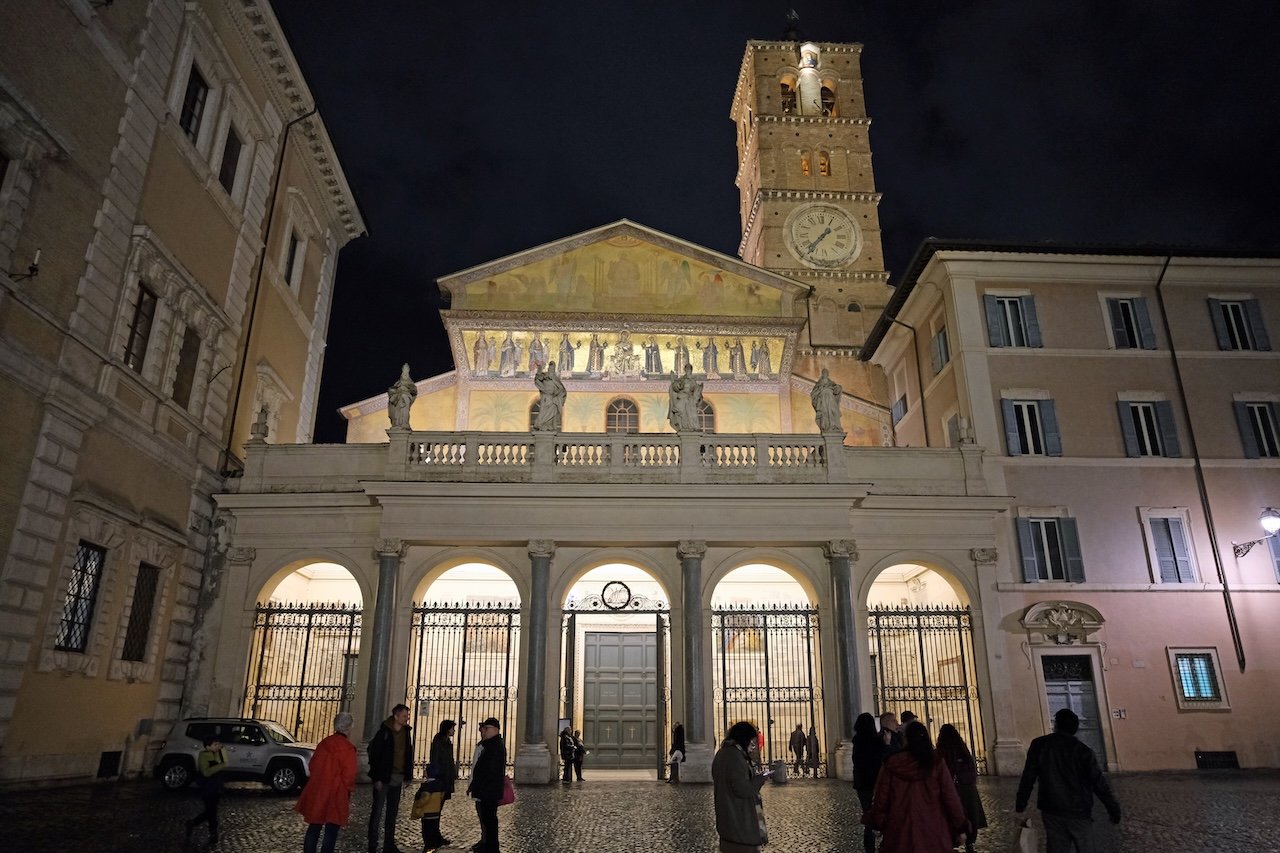
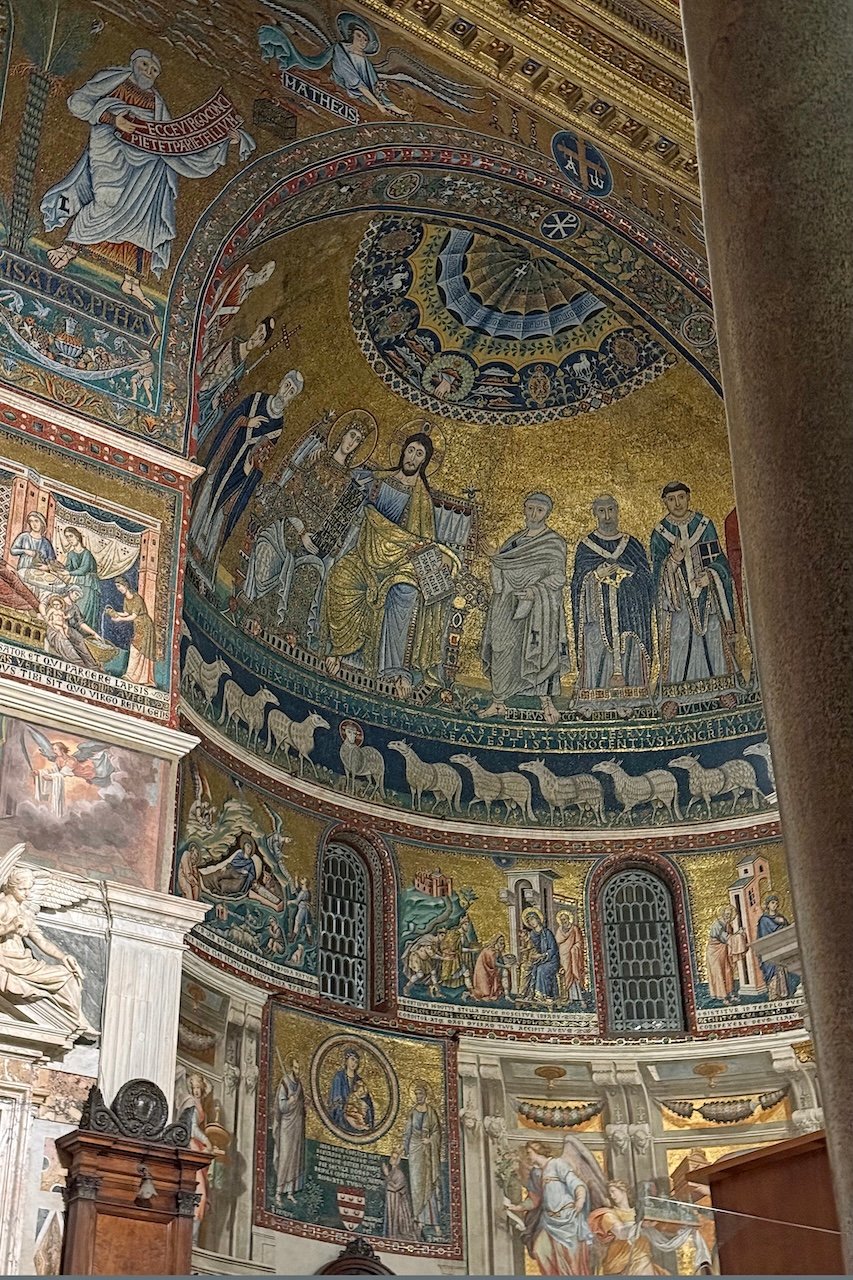
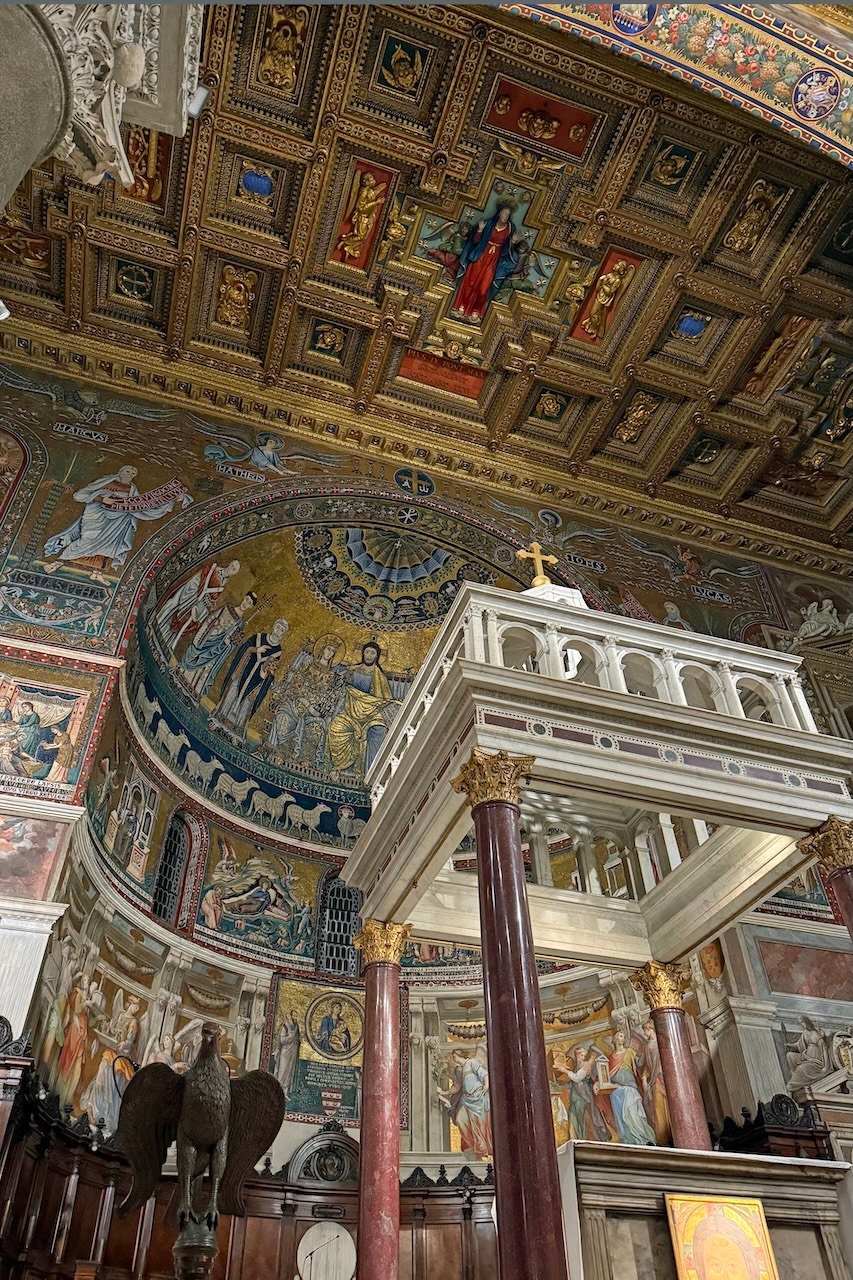
Another favorite church of our's in Rome is the Basilica di Santa Maria in Trastevere (Basilica of Our Lady in Trastevere), one of the oldest churches in the city, dating to the 4th century. Its Medieval-era mosaics and warmly lit interior feel intimate rather than overwhelming, and the surrounding neighborhood makes it an easy stop to pair with sightseeing or a meal nearby. In our opinion, both of these churches offer a more meaningful experience without the crowds that tend to dominate St. Ignazio.
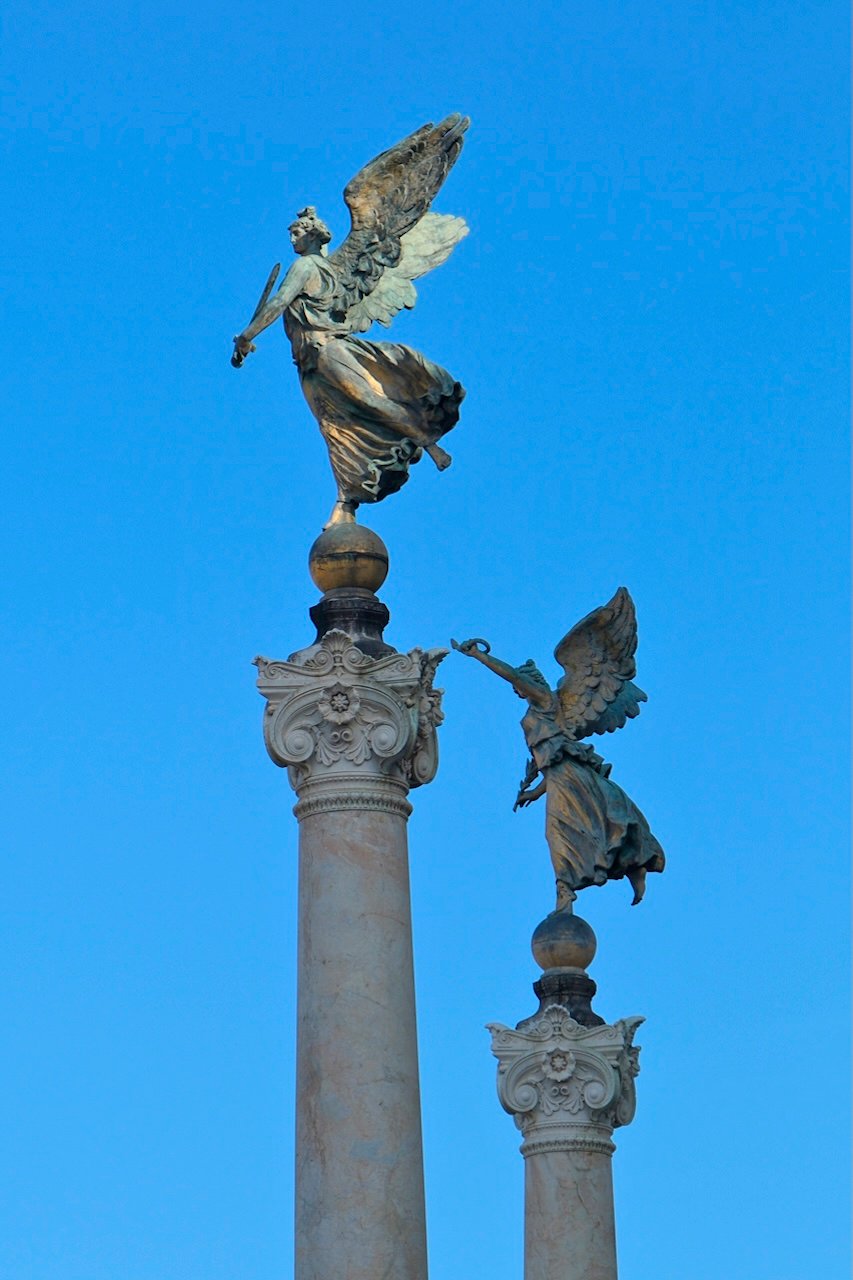
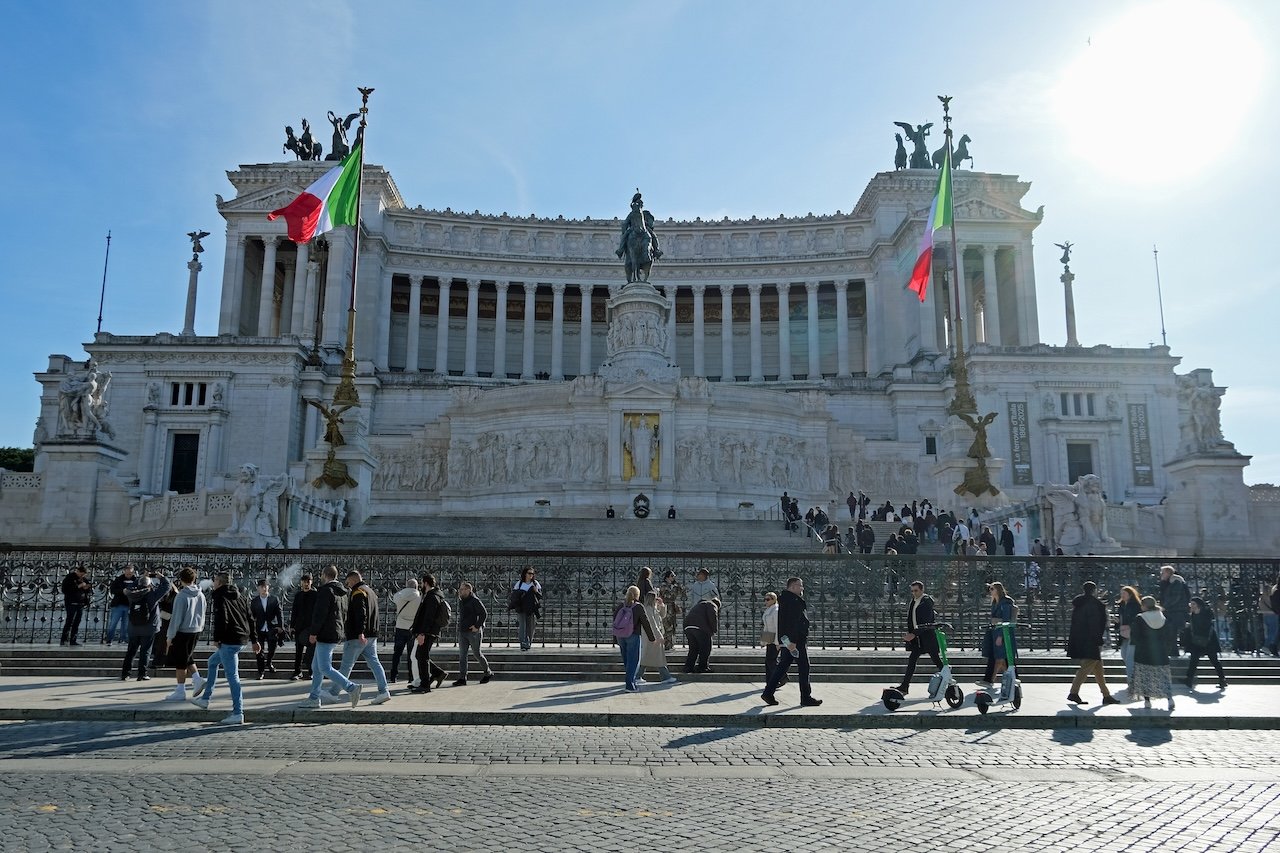
The Victor Emmanuel II Monument is impossible to miss. Towering over Piazza Venezia, the massive white marble structure was built in the early 20th century to honor Victor Emmanuel II, the first king of a unified Italy. Its scale and location make it one of Rome’s most visually dominant landmarks.
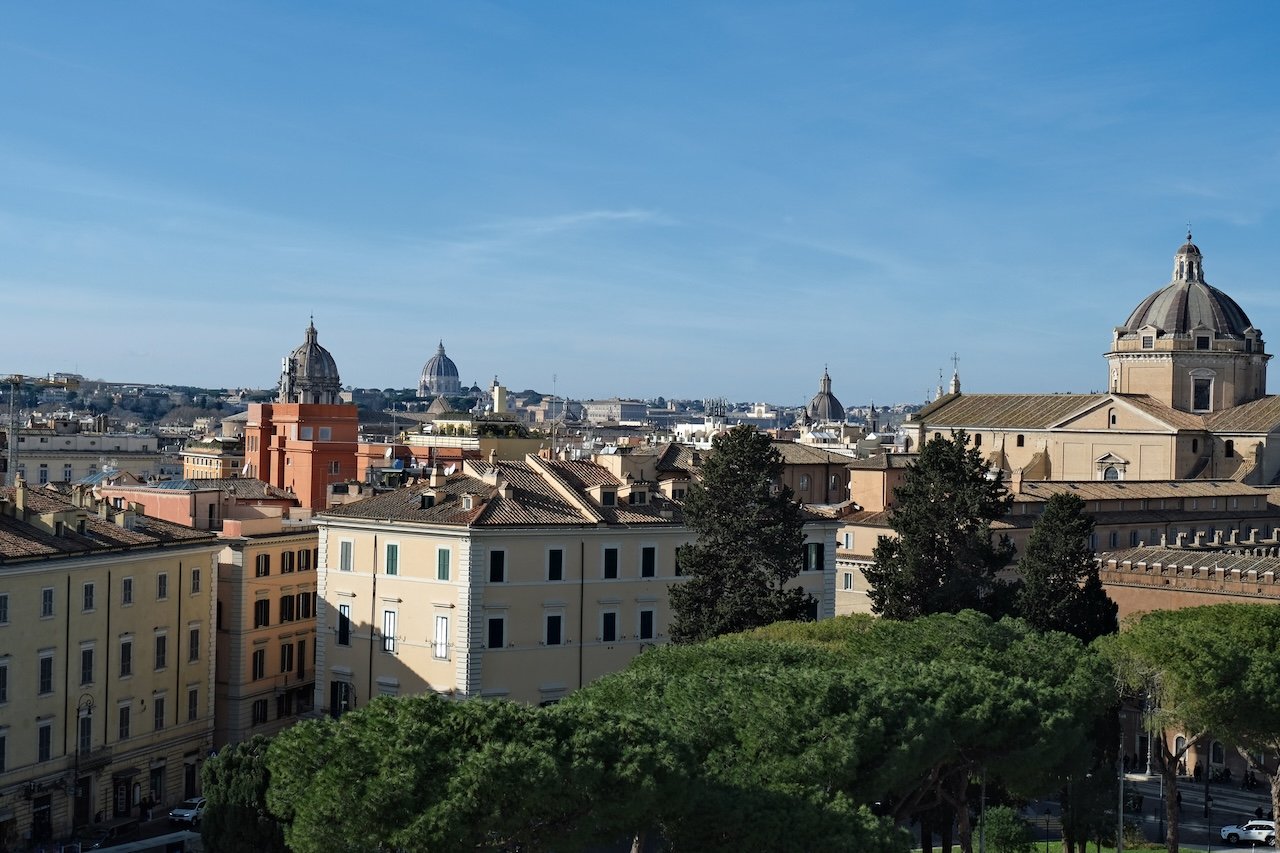
There is no denying that the views from the monument are excellent, especially looking out over the Roman Forum and across the city. That said, we would not recommend paying for the elevator to the upper terrace. The experience does not add much beyond what you can already enjoy elsewhere in the complex.
Instead, we prefer sticking to the free terraces built into the monument, which still offer impressive vantage points without the extra cost or wait. Another option is to take advantage of the on-site café, where you can grab a drink or light bite and enjoy the views at a slower, more relaxed pace.
The museum spaces inside the monument are also easy to skip unless you have a specific interest in modern Italian history. For most visitors, the building itself and the surrounding views are the main draw, and you do not need to see everything here to appreciate it.
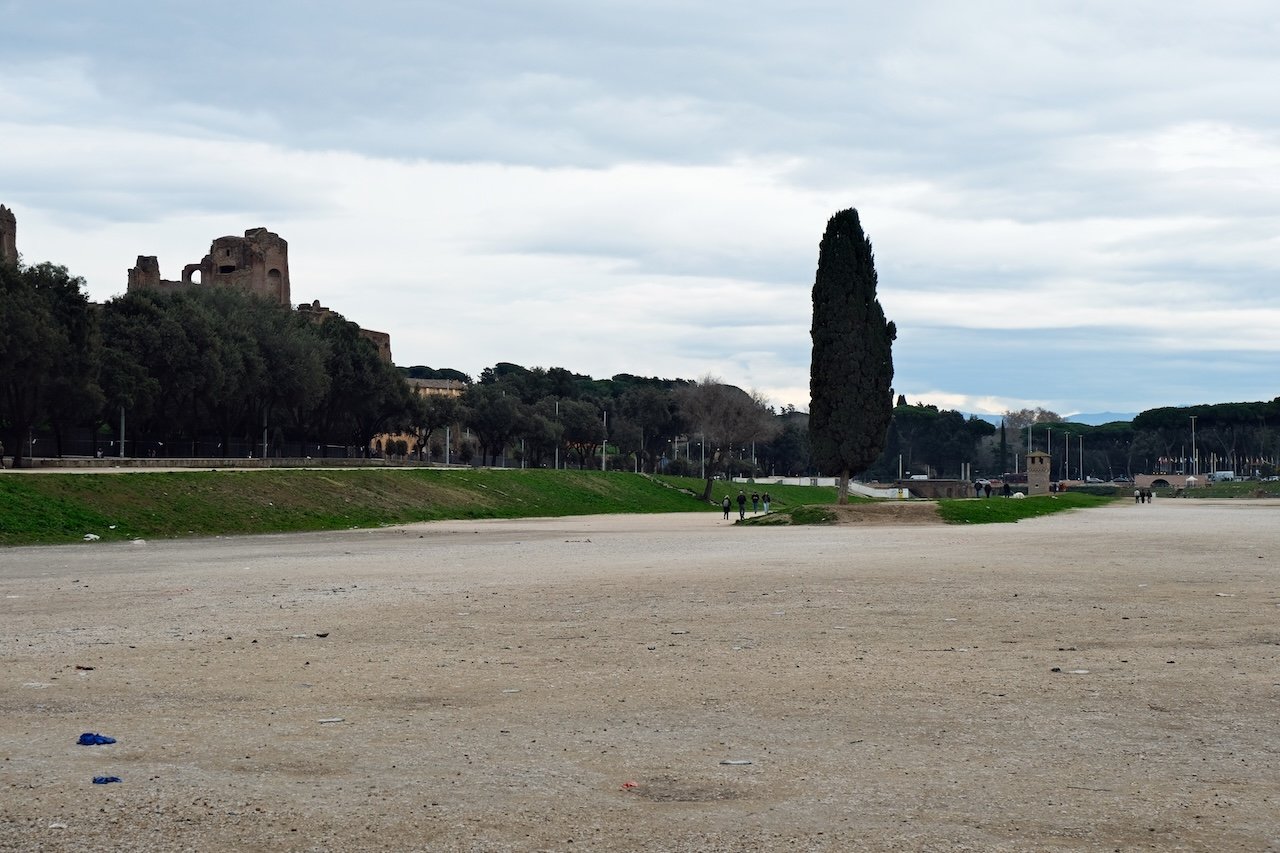
The Circus Maximus was once the largest stadium in ancient Rome, built to host chariot races, public games, and mass spectacles for over 150,000 spectators. At its peak, it was one of the most important entertainment venues in the city, stretching between the Palatine and Aventine Hills and playing a central role in Roman public life.
Today, however, the Circus Maximus sounds far more impressive than it feels. It is essentially a wide open field with very little remaining structure, and for many visitors it can feel underwhelming.
A better approach is to take a quick look if you are already nearby, but do not go out of your way to visit it unless you are a chariot-racing fanatic. Sites like the Colosseum, Roman Forum, or Trajan's Market convey Rome's ancient scale far more effectively.
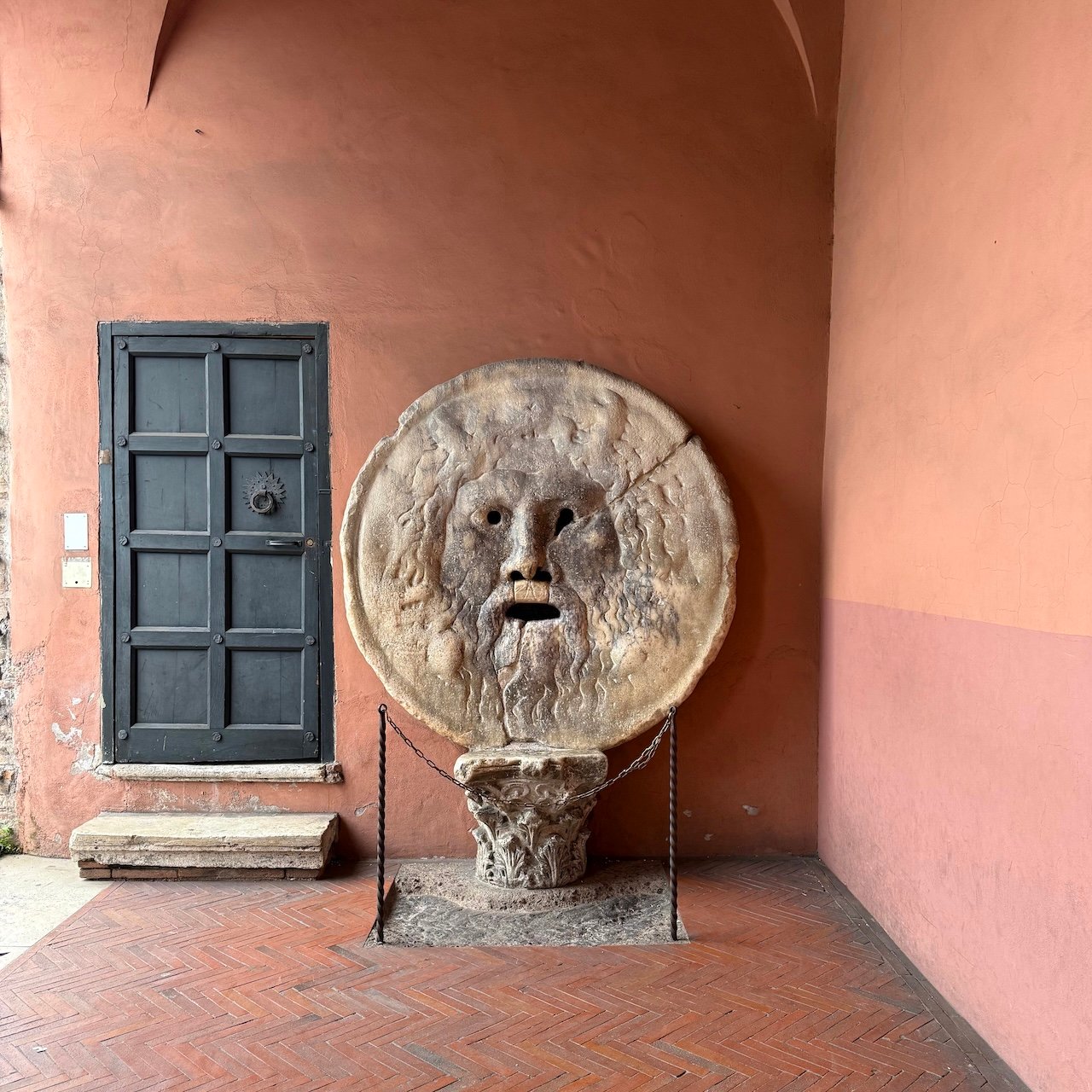
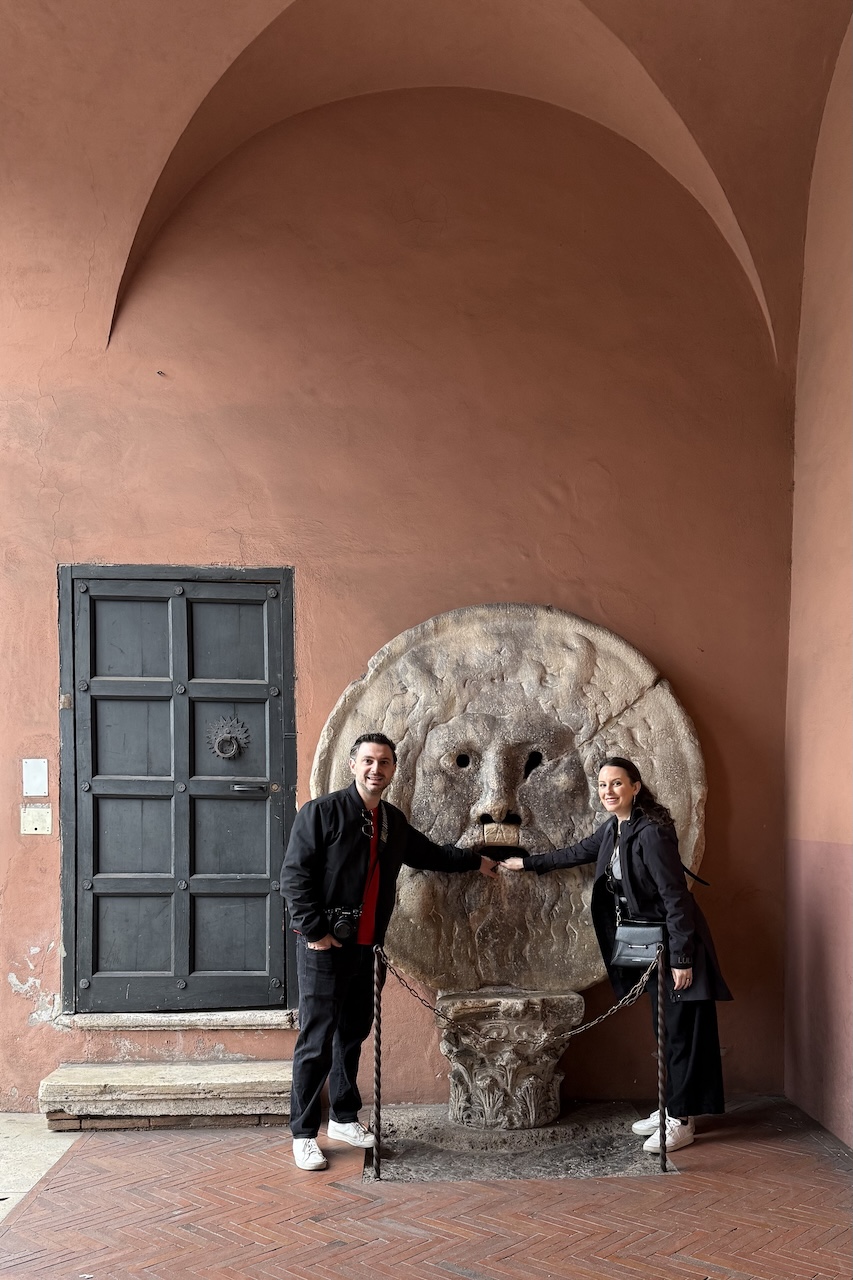
The Bocca della Verità is located just outside of the Basilica of Santa Maria in Cosmedin, not far from the Circus Maximus and the Tiber River. The carved marble face is believed to have originally served as a Roman storm drain cover, later becoming famous thanks to a legend claiming that anyone who tells a lie and places their hand inside will have it bitten off.
Today, it is a fun, slightly kitschy stop, but the line can be surprisingly long for what ultimately amounts to a quick photo. If you are not keen on waiting in line, this is not something we would build a day around seeing. That said, if you are open to the wait and happen to be a fan of Audrey Hepburn and Gregory Peck in Roman Holiday, it can still be a memorable stop.
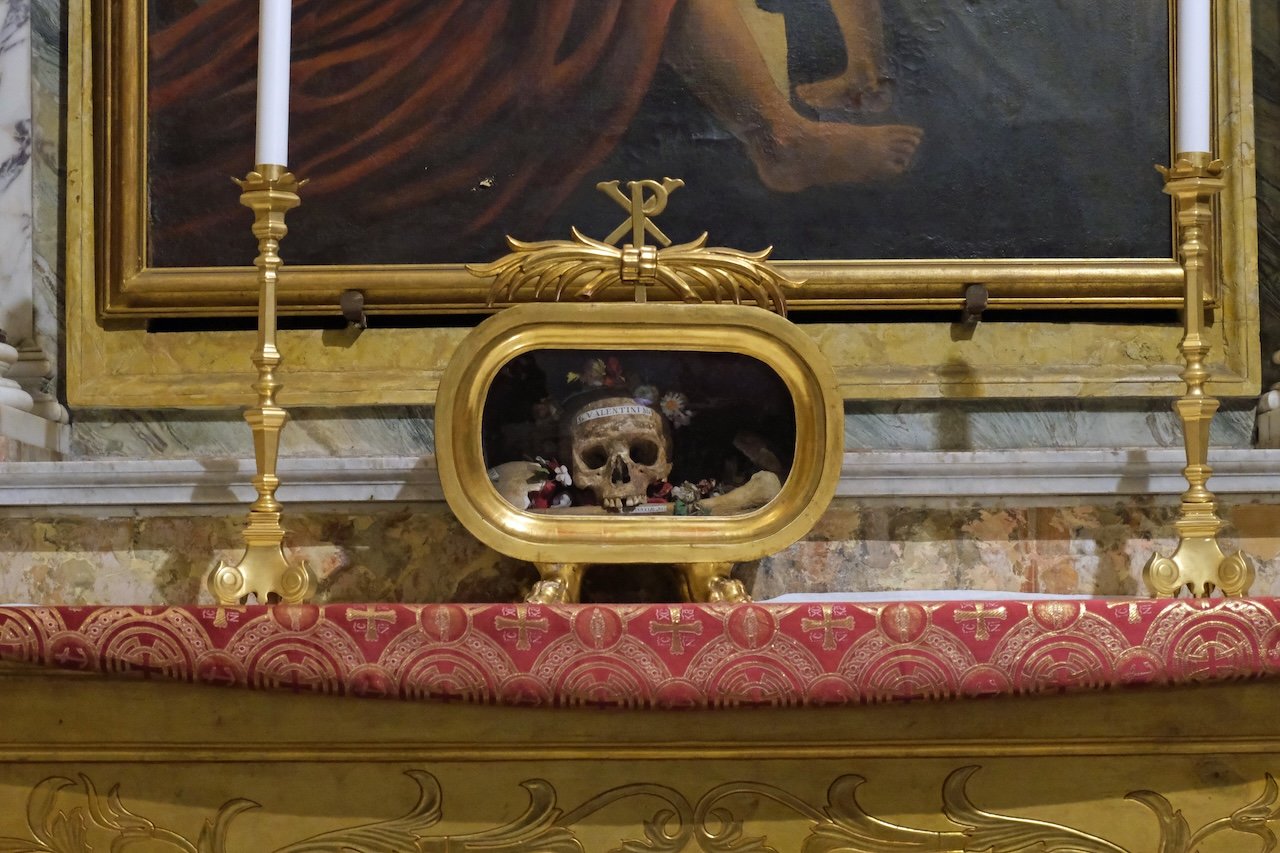
The real reason we would recommend coming here, though, is the church itself. Santa Maria in Cosmedin is quietly beautiful and far less crowded than many of Rome’s more famous churches. Inside, you will also find one of the city’s more unusual relics: the skull of Saint Valentine. Located on the left side of the church on an altar in a small chapel, the skull of St. Valentine adds an unexpectedly fascinating, albeit morbid, layer to the visit and makes the stop feel more worthwhile than the photo of the Bocca della Verità alone.
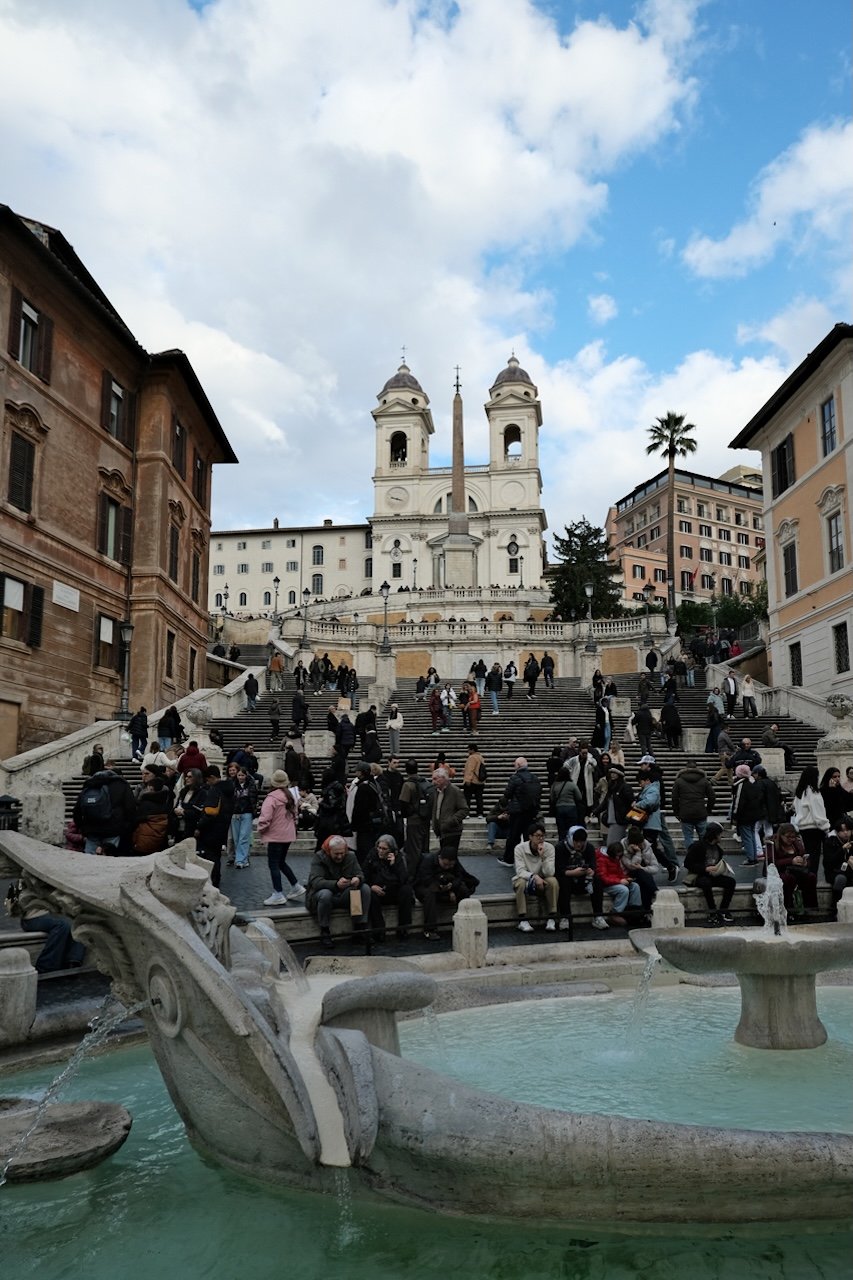
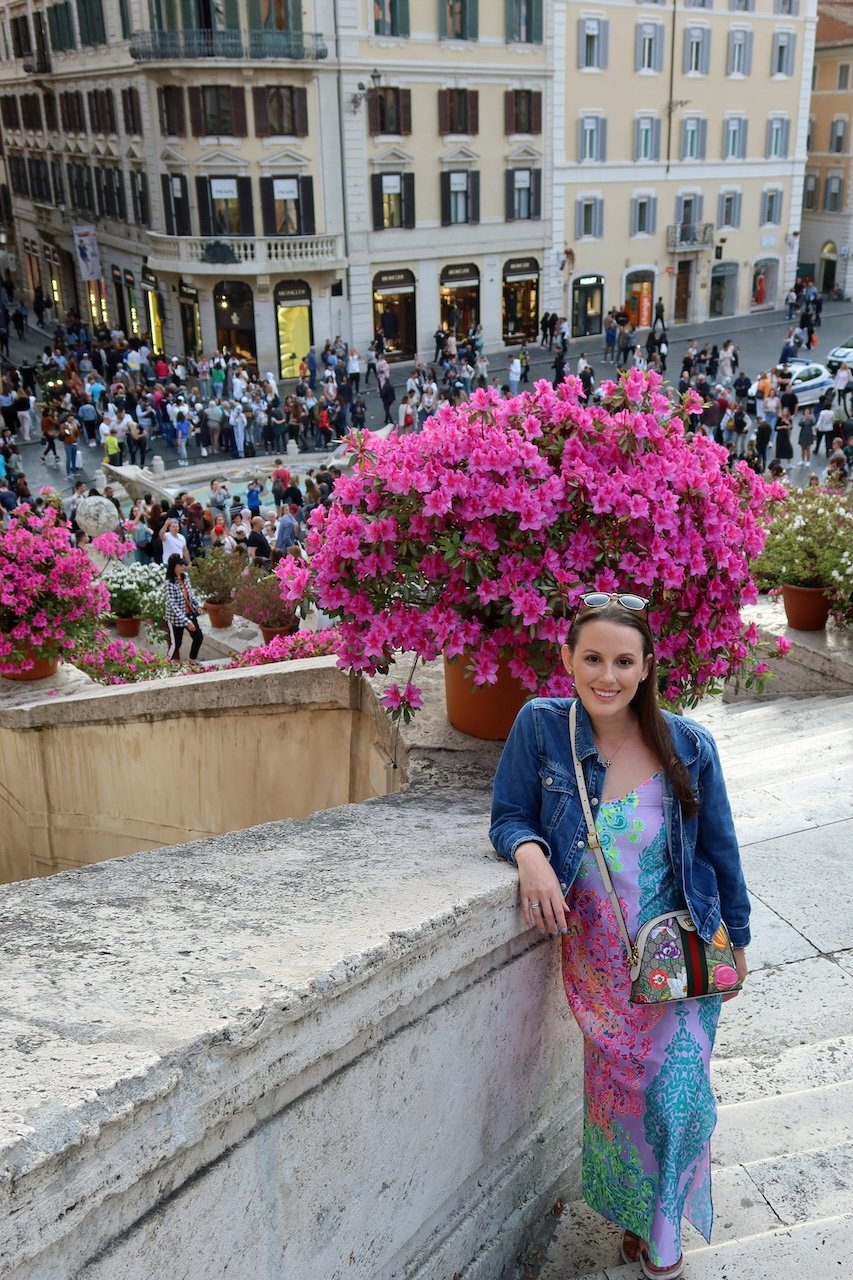
The Spanish Steps are undeniably famous, named for the nearby Spanish Embassy at Palazzo di Spagna, but they are rarely the highlight people expect. The area is almost always busy, and on weekends it can feel especially congested. We do not go out of our way to visit them anymore.
Where this area does make sense is for shopping. The streets around the Spanish Steps, particularly Via dei Condotti and the surrounding roads, are some of Rome’s best for browsing boutiques and designer stores. Nearby, the Rinascente department store is worth a stop. Beyond shopping, the lower level reveal ancient Roman ruins preserved beneath the building, which is a great reminder of how Rome's history finds itself in modern spaces.
If you do want to see the Spanish Steps themselves, we would recommend going on a weekday, around midday. It will still busy, but far more manageable than on weekends or in the evenings, when the area tends to feel overwhelmed rather than enjoyable.
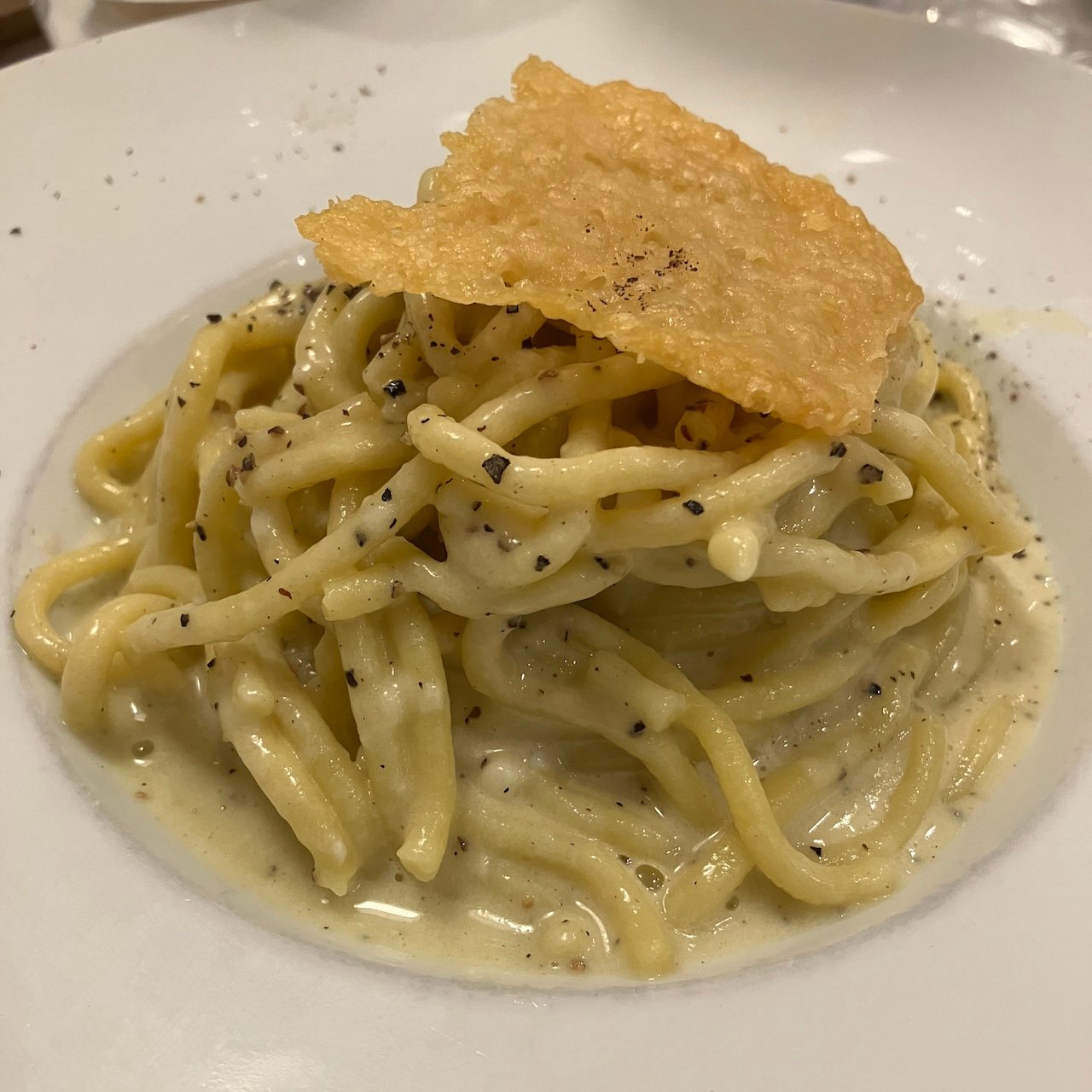
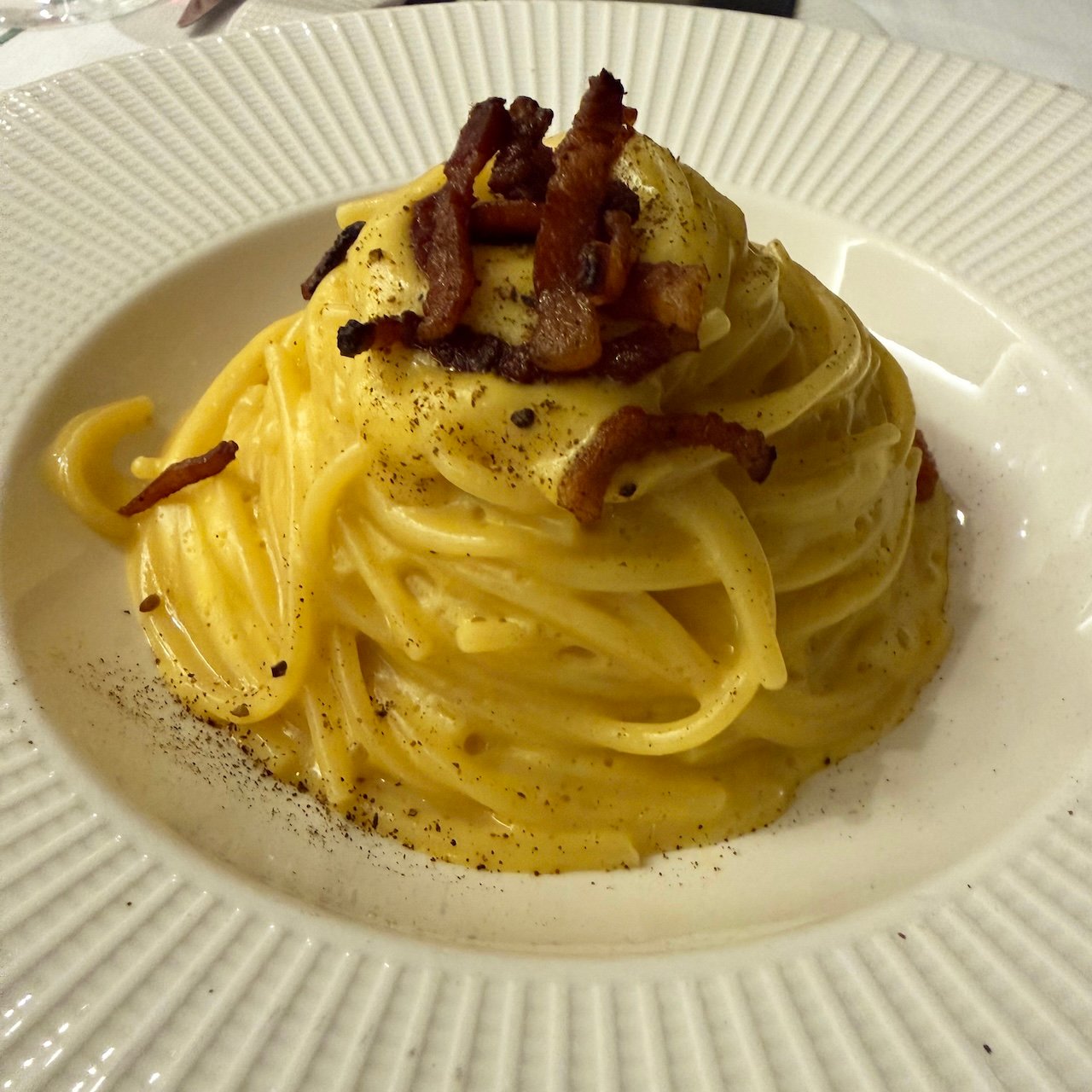

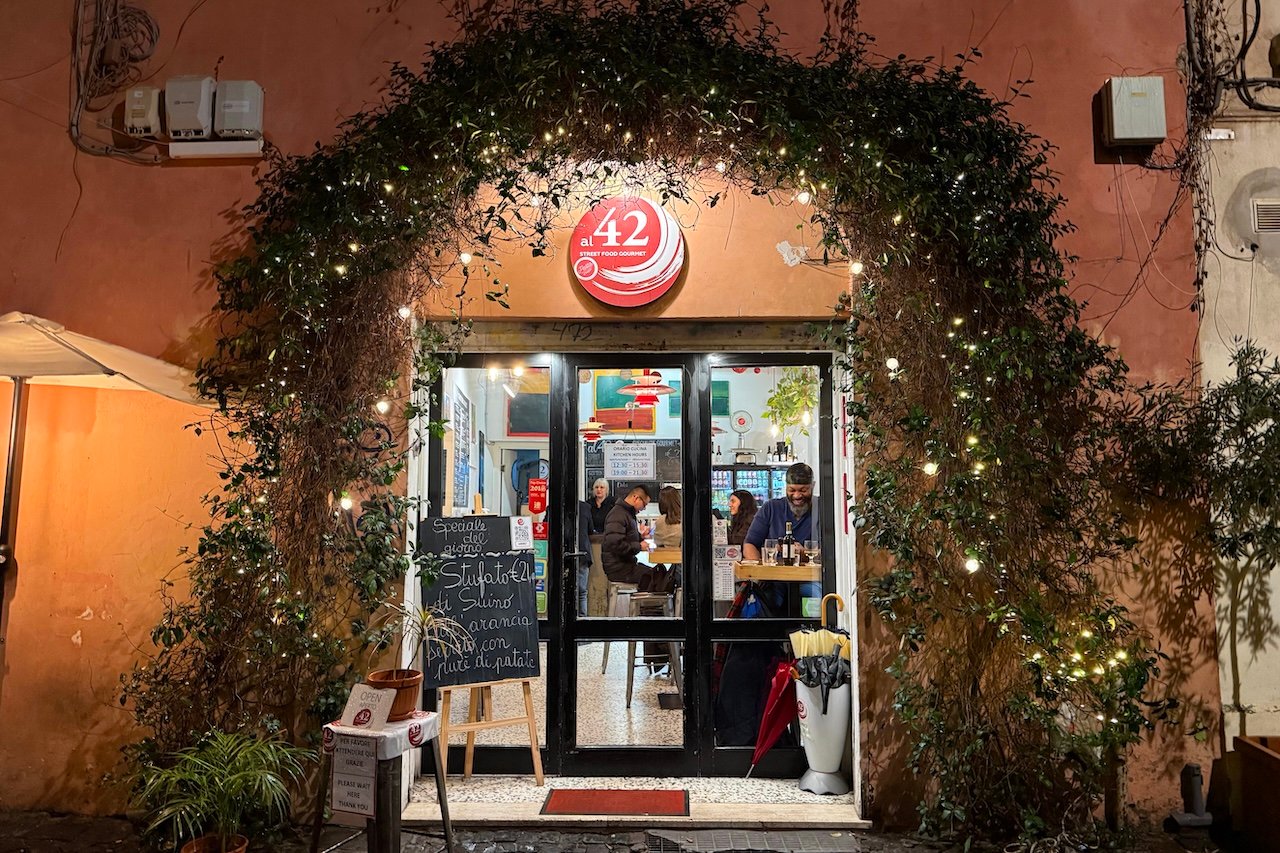
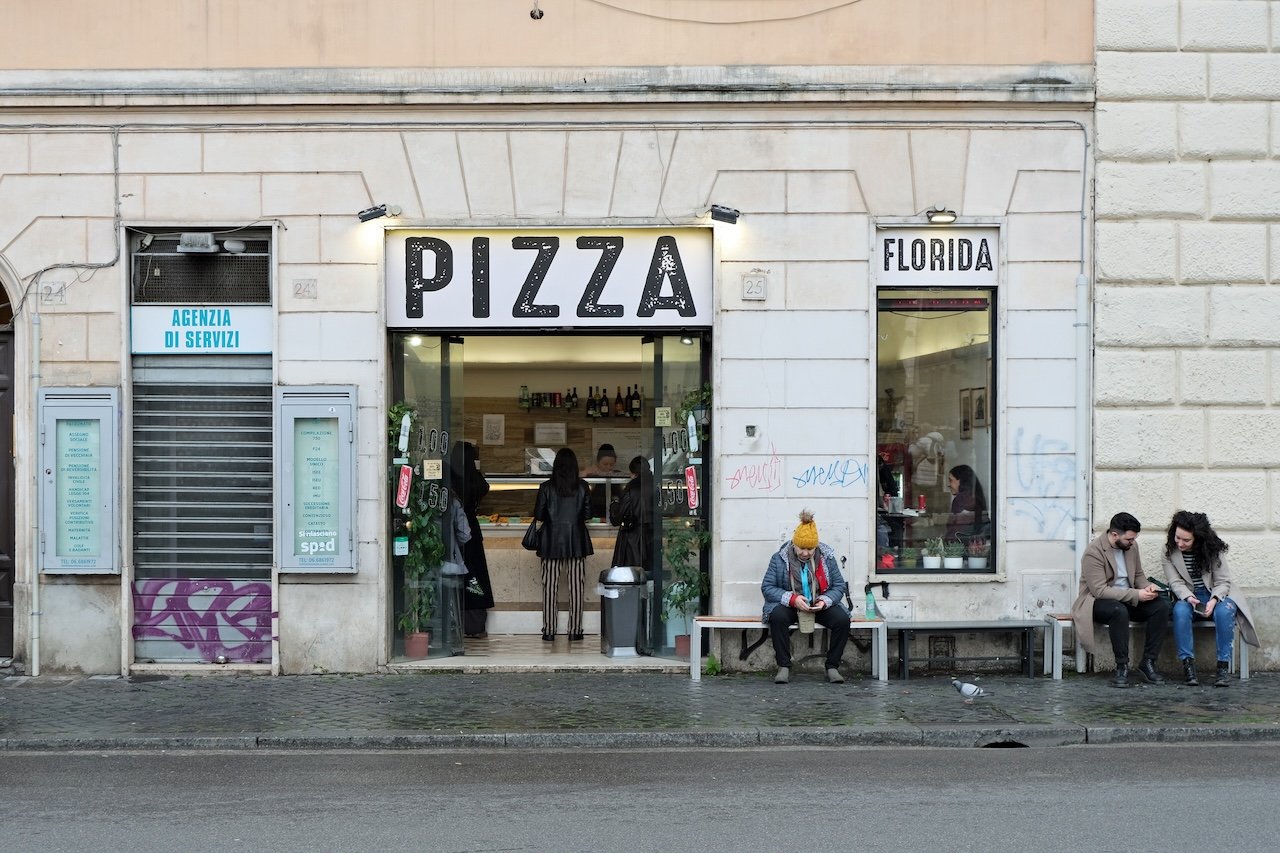
Eating well in Rome does not require chasing reservations or viral restaurants, and it definitely does not have to cost a fortune. Some of our favorite meals have come from places we found while walking around the city, especially once you move a few streets away from the busiest landmarks. As a rule of thumb, we never eat next to a major tourist attraction in Rome, like the Pantheon or Trevi Fountain! Restaurants like these often rely more on their locations, rather than serving good food at good prices.
We also prefer to lean into Roman cuisine while we are in Rome. Think: suppli for a quick bite, Roman pizza by the slice, and pasta dishes like carbonara and cacio e pepe. However, if you are in the mood to explore other regional Italian cuisines or enjoy a more elevated dining experience, the options are plentiful throughout the city. One of our favorites for a refined, upscale evening out is Giano, which serves Sicilian cuisine, not far from the Spanish Steps and Galleria Borghese.
We do read restaurant reviews, but rather than defaulting to platforms like Tripadvisor or TheFork, we tend to rely on Google Maps for restaurants in Rome. Looking at what is nearby, scrolling through recent photos, and skimming reviews has consistently led us to better meals and a more relaxed dining experience. With that in mind, here are some of the places we return to and consistently recommend in Rome for traditional, Roman cuisine.
All of the pizza spots we recommend here serve Roman-style pizza. While Neapolitan-style pizza is easy to find in Rome, we tend to stick with the local style when we are visiting. As the saying goes, when in Rome, do as the Romans do.
A Quick Note on Roman-Style Pizza: Formally known as pizza al taglio, Roman-style pizza is baked in large rectangular trays, cut with scissors, weighed, and priced by the gram. It is known for its crisp, structured crust, designed to be eaten in square slices, rather than the thin, foldable style associated with Neapolitan pizza. Roman-style pizza is casual, fast, and ideal for grabbing a bite in-between sightseeing stops.
Before you step foot in Rome, it helps to know a few things upfront. After multiple trips, we have learned that the Eternal City is even more enjoyable when you understand what to expect. Here are the key things we would want any first-time visitor to know before they head to Rome.
Rome is one of the most visited cities in the European Union, second only to Paris, and its most famous landmarks (the Colosseum, the Vatican Museums, the Pantheon, etc.) are rarely quiet. Crowds are simply part of the experience. That said, we have found that a little planning makes an enormous difference.
The biggest thing to know is that Rome is not a city where you can show up and expect to buy tickets at the door. Lines at ticket offices can be long, and during the peak tourist season (April through early November), timed entry slots often sell out well before your trip even begins. Whenever possible, we recommend booking tickets online, in advance, especially for the city's most popular sites like the Colosseum, the Vatican Museums, and the Galleria Borghese. In the event that official tickets are already sold out, do not panic. We have had some luck checking reputable third-party platforms like GetYourGuide and Viator, which can be a great option for guided tours to some of the top sites in Rome.
One of the simplest ways to experience Rome with fewer crowds is to begin your day early. The city’s major landmarks start to feel dramatically busier by late morning, once swarms of tour groups arrive.
Whenever possible, we recommend booking the first entry time slot of the day for sites like the Colosseum or the Vatican Museums. Not only does it help you avoid the longest lines, but the experience feels calmer and more enjoyable before the crowds fully build. The main exception is the Galleria Borghese, which already limits the number of visitors inside at a time with timed admission blocks. So, even later slots tend to feel more controlled compared to other attractions.
If you can manage a few early mornings in Rome, you will be rewarded with a quieter, more breathable version of the city. Plus, mornings will typically offer you better light for photos, too!
Crowds in Rome do not just depend on the season. They also depend on the calendar. Weekends are always busier, but public holidays and major religious events can bring an extra surge of visitors into the city. Late April and early May, in particular, can feel surprisingly packed due to national holidays like Liberation Day and Labor Day. A full listing of holidays observed in Rome, which may impact opening hours of popular attractions throughout the city and see increased crowds, include:
Then there is Holy Week (March 21-28, 2027 and April 9-16, 2028), which is the week leading up to Easter Sunday (typically sometime in late March or April). Rome becomes especially crowded during this period, with major Vatican events, pilgrims, and extremely high demand for tickets and accommodations.
If you can avoid visiting Rome around these dates, you will be better off, trust us from experience. We learned the hard way after finding ourselves in Rome over the last week of April in 2023, right in time for the Liberation Day and Labor Day holiday stretch. Not to be dramatic, but the crowds that week were insufferable. The historic center felt packed from morning to night, and even simple sightseeing took more patience than usual.
That said, if your trip does fall near any of these dates, it is worth booking major attractions and hotels well in advance. Plan to arrive in Rome expecting heavy crowds throughout the city.
One of the most important things to know before visiting Rome is that the city feels completely different depending on the time of year, and in our opinion, the off-season is one of the most rewarding times to be here. From mid-November through the end of February, Rome is noticeably quieter. The crowds thin out, tickets are easier to secure for the top things to do in Rome, major landmarks are easier to enjoy with less people, and the city feels more local. You can actually linger in a piazza or wander through the city's historic streets without being swept up in a sea of tour groups!
Despite what many travelers assume, the weather in Rome in winter is very mild. Snow is extremely rare (the last snowfall was in February 2018), and temperatures are generally warmer here compared to much of Europe and North America. To give you a realistic sense of what to expect in terms of the weather in Rome during the off-season:
| Month | Avg. High/Low (°F) | Avg. High/Low (°C) | Avg. No. Rainy Days |
| November | 62° / 46° |
17° / 8° | 9 |
| December | 56° / 40° | 13° / 4° | 8 |
| January | 55° / 38° | 13° / 3° | 7 |
| February | 57° / 39° | 14° / 4° | 7 |
One thing to plan for, though, is rain. Rome’s rainy season runs roughly September through May. November is typically the rainiest month with the city getting approximately 3.5 to 4.5 inches of rain during November. However, you will rarely experience an all-day downpour in Rome. From our experience, it typically rains on and off throughout the day, pretty lightly. We found that a small umbrella and a few easy layers make all the difference in staying dry and warm.
Rome is generally a very safe city for travelers, and we have always felt comfortable exploring the city on foot, even late at night.
That said, like any major European capital city, Rome has its fair share of pickpockets. Pickpocketing is especially common in crowded tourist zones and on public transportation. The places to be most aware of are spots like the area surrounding the Colosseum, Termini Station, busy metro lines, and anywhere that crowds gather tightly.
A few simple precautions go a long way: keep your bag zipped and your valuables securely on you, avoid keeping your phone or wallet in easily accessible pockets, and be especially mindful of your belongings in packed metro cars.
There is no need to feel nervous, just aware. With a bit of common sense, Rome is a safe city to visit and explore.
While Rome is a city best experienced on foot, it is also a city where you will almost always end up walking more than you planned. Even when something looks close on Google Maps, Rome’s winding streets, busy intersections, and constant detours past fountains, churches, and piazzas make distances add up quickly. We have had plenty of days that felt “relaxed” on paper…until we realized we walked over 20,000 steps without even trying.
It is also worth knowing that taxis are not always the best solution. Between heavy traffic, limited access areas in the Centro Storico, and the simple fact that many streets are too narrow or congested for cars to easily get through, taxis can be slower (and more expensive) than you would expect for traveling short distances. (Uber also operates in Rome, allowing you to request both black cars and regular taxis through the app. However, you will still be plagued with Roman traffic jams.)
Public transportation can help, but Rome’s metro and tram stops are often spaced farther apart than visitors anticipate, and many of the city’s most famous sights are still best reached on foot once you are in the area. We like to use transit strategically to cover longer distances across the city. However, Rome is still best experienced on foot.
One thing we never do in Rome is underestimate just how much we will be walking. Between the cobblestone streets, uneven sidewalks, and long sightseeing days, the wrong shoes will catch up with you fast. Comfortable sneakers or supportive walking sandals are truly essential here. This is not the city for brand-new shoes, heels, or flip-flops. Rome is beautiful, but it is also very old, with uneven cobblestones and streets that are not always smooth underfoot.
Rome is a very walkable city, but it is helpful to understand how public transportation fits into the experience, especially if you are trying to cover longer distances between neighborhoods or major landmarks.
Rome’s transit system is not quite as seamless as cities like Paris or London, but once you know the basics, it is easy to use.
Rome has three metro lines (A, B, and C), and while the system is relatively small, it can be extremely useful for a few key routes. However, there is one important thing to keep in mind: while the metro is efficient, it can be packed at almost all hours of the day, not just during rush hour.
The two most important transit hubs for visitors are:
Line A is the one most tourists end up using, since it connects several major sightseeing areas. Line A runs to:
Line B is also very useful, especially for exploring ancient Rome. Line B includes stops at:
Line C, on the other hand, is not typically used by most visitors, since it runs farther out through more residential parts of the city and does not connect as directly with the main tourist landmarks.
Rome also has a network of trams (streetcars), which can be a great way to get around above ground. They are often less crowded than the metro and can be especially useful for connecting neighborhoods. For example, trams can help you travel from the Colosseum area toward Trastevere, or up toward Termini Station. That said, trams are still subject to traffic jams, since they do not run in fully dedicated lanes.
Buses supplement the metro and tram system and are widely used throughout the city. They are generally easy to hop on for shorter distances or routes that are not covered by the metro. The main downside is, again, traffic. Rome is a busy city, and buses can be slow during peak sightseeing hours.
For buses, the main bus station is located at Roma Termini. However, there is another large bus terminal near the Victor Emmanuel II Monument and Piazza Venezia.
For more information regarding the metro, trams, or buses in Rome, be sure to check out the ATAC Roma website.
One thing we really appreciate about Rome’s public transportation is how easy it is to pay. There is no need to purchase tickets in advance since all metro stations, buses, and trams accept tap-to-pay with:
If you are flying into Rome Fiumicino Leonardo da Vinci International Airport (FCO), the simplest way to reach the city center is the Leonardo Express, a direct non-stop train that connects the airport to Roma Termini Station in approximately 32 minutes. The train is fast, reliable, and avoids the unpredictability of traffic, which can be especially welcome after a long, transatlantic flight. Once you arrive at Termini, you will be connected to Rome’s metro lines, buses, and taxis for the rest of your trip.
Since the Leonardo Express is operated by Trenitalia, you will need to purchase a ticket, but there is no need to book your ticket(s) in advance. Tickets are easy to buy from kiosks at the station, and the train is designed with travelers in mind, with plenty of space for luggage storage. For first-time visitors, it is often the smoothest and most stress-free way to start a Rome itinerary. Additional information regarding the Leonardo Express can be found on the Trenitalia website.
Last, but not least, one of the best pieces of advice we can give, especially for a first trip to Rome, is to leave time in your itinerary to slow down. Rome is incredible, but it is also intense. Between the heat, the walking, the crowds, and the sheer number of historic sites, it is easy to burn out if you try to pack too much into each day.
This matters even more in the summer months, when temperatures can feel relentless by midday. If you are visiting Rome in June, July, or August, plan for plenty of breaks out of the sun. You will want time to sit down, cool off, hydrate, and reset before heading back out for the evening.
And, honestly, some of our favorite memories from Rome have not come from the big-ticket attractions at all. They have come from the unplanned moments: wandering without a plan, stepping into a quiet church we happened to pass, finding a small shop tucked down a side street, or lingering in a café longer than expected.
Yes, a resounding yes! Rome is one of those cities that genuinely lives up to the hype, but not in a polished, postcard-perfect way. Rome can be gritty, crowded, chaotic, and undeniably old. However, it is also like nowhere else in the world, truly.
Walking through Rome is not just walking through a beautiful European capital city. It is walking through layers of history that span thousands of years. In the span of a single afternoon, you can pass remnants of a once-mighty empire, trace the rise of the world’s largest religion, stumble into Renaissance masterpieces, and find yourself face-to-face with more modern chapters of Italian history - from unification in the 19th century to the darker days of fascism under Benito Mussolini.
If you have even a passing interest in history, Rome is impossible to beat. Seeing the Colosseum in person, wandering through the Roman Forum, or standing beneath the dome of St. Peter’s Basilica is not just sightseeing. It is standing inside the physical timeline of Western civilization.
Beyond the famous landmarks, Rome is endlessly rewarding in quieter ways. The city is filled with churches that feel like museums, piazzas that glow at golden hour, and small, unexpected moments that stop you in your tracks. Think: a fresco you did not expect, a fountain down a side street, or a neighborhood that feels completely timeless.
Since Rome offers so much, we always recommend giving yourself enough time here. For a first visit, three full days is the minimum. Anything less than three days tends to feel rushed. With three days, you can experience the best of Ancient Rome, Vatican City, and still leave space for wandering, long meals, and the slower moments that make the city so memorable.
If you can stay longer in Rome, even better! You could easily spend a week in Rome and still not see it all, especially if you want to add in a day trip. Many travelers build in an extra day to visit places like Tivoli, Pompeii or Herculaneum (Ercolano), Naples, or even Assisi.
If you only have two days, that is okay, just do not try to do everything. Take it from Lauren: on her first trip to Rome at 19, she squeezed the Vatican Museums, St. Peter’s Basilica, the Colosseum, and the Roman Forum into one long, very exhausting day. It was doable… but Rome is so much better when you have time to savor it!
So, yes, Rome is absolutely worth visiting!
If you are starting to map out your itinerary, we have plenty more Rome guides and blogs coming soon to help you plan where to stay, what to prioritize, and how to experience the best of Rome.
In the meantime, if you have any questions about your upcoming trip to Rome, feel free to send us a message. We love hearing from our fellow jetsetters!
At Jetset Seeker, we value transparency. In addition to sharing our own firsthand experience, here are a few of the resources we have personally used over the years to help plan our trips to Rome.